Ruairidh Brown
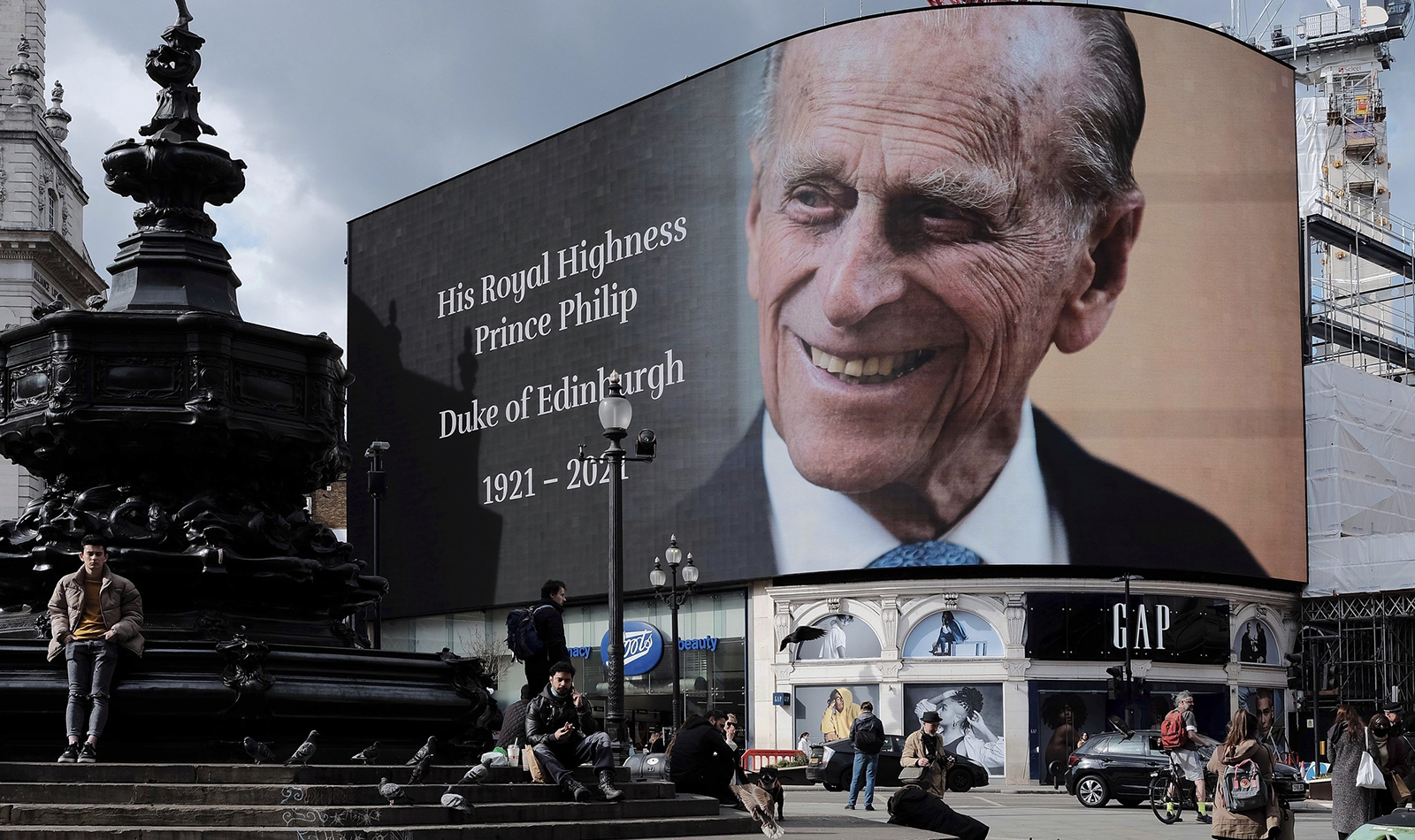
As coverage of Prince Phillip's death becomes the most complained about event in British television history, Ruairidh Brown argues that, despite its role as the UK’s national public broadcaster, the BBC must avoid normative attempts to dictate public sentiment Read more
Annemarie Walter
During the coronacrisis, conspiracy theories have proliferated, and politicians who use them for political gain are – at least partly – to blame. Let the January attack on the US Capitol be a warning to Europe, write Annemarie Walter and Hugo Drochon Read more
Eduardo Burkle
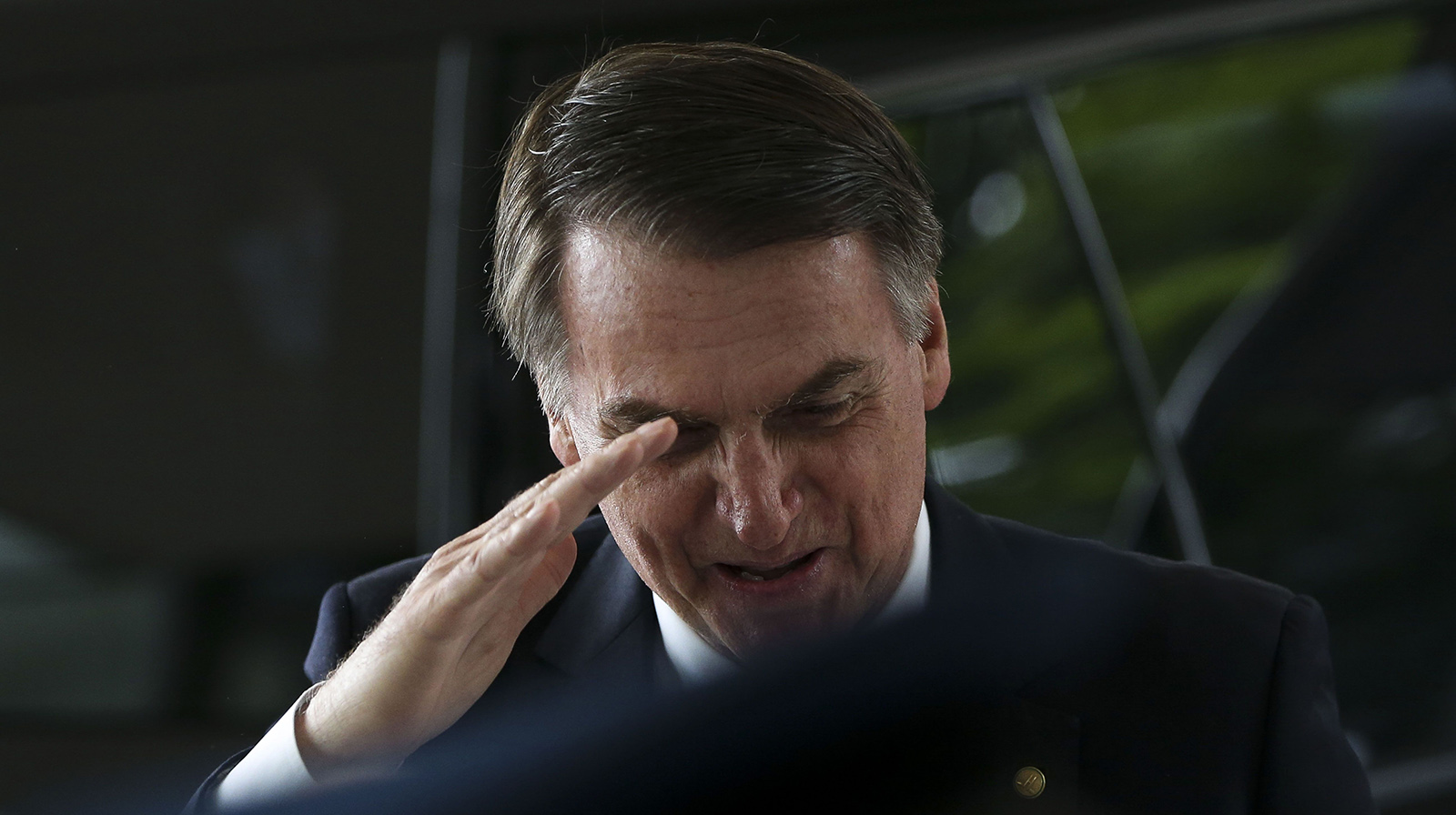
President Jair Bolsonaro faces criticism from the media and civil society for his disastrous response to the pandemic. Reviving National Security Law to intimidate critics is more than a nod to Brazil's authoritarian past, writes Eduardo Burkle Read more
Maciej Górecki
Researchers now have tools to assess the influence of gender quotas on electoral systems. But, write Maciej Górecki and Michał Pierzgalski, the impact of such quotas reveals limited improvement in women’s political representation Read more
Joop Van Holsteyn
Coronavirus dominated the Dutch elections to the virtual exclusion of all else. The outcome, write Joop van Holsteyn and Galen Irwin, is a parliament with a record number of parties. Although the current coalition has sufficient seats to return to power, this may not happen. The Liberal Party again has the biggest share, and it is likely Mark Rutte will return as Minister-President Read more
Markus Patberg
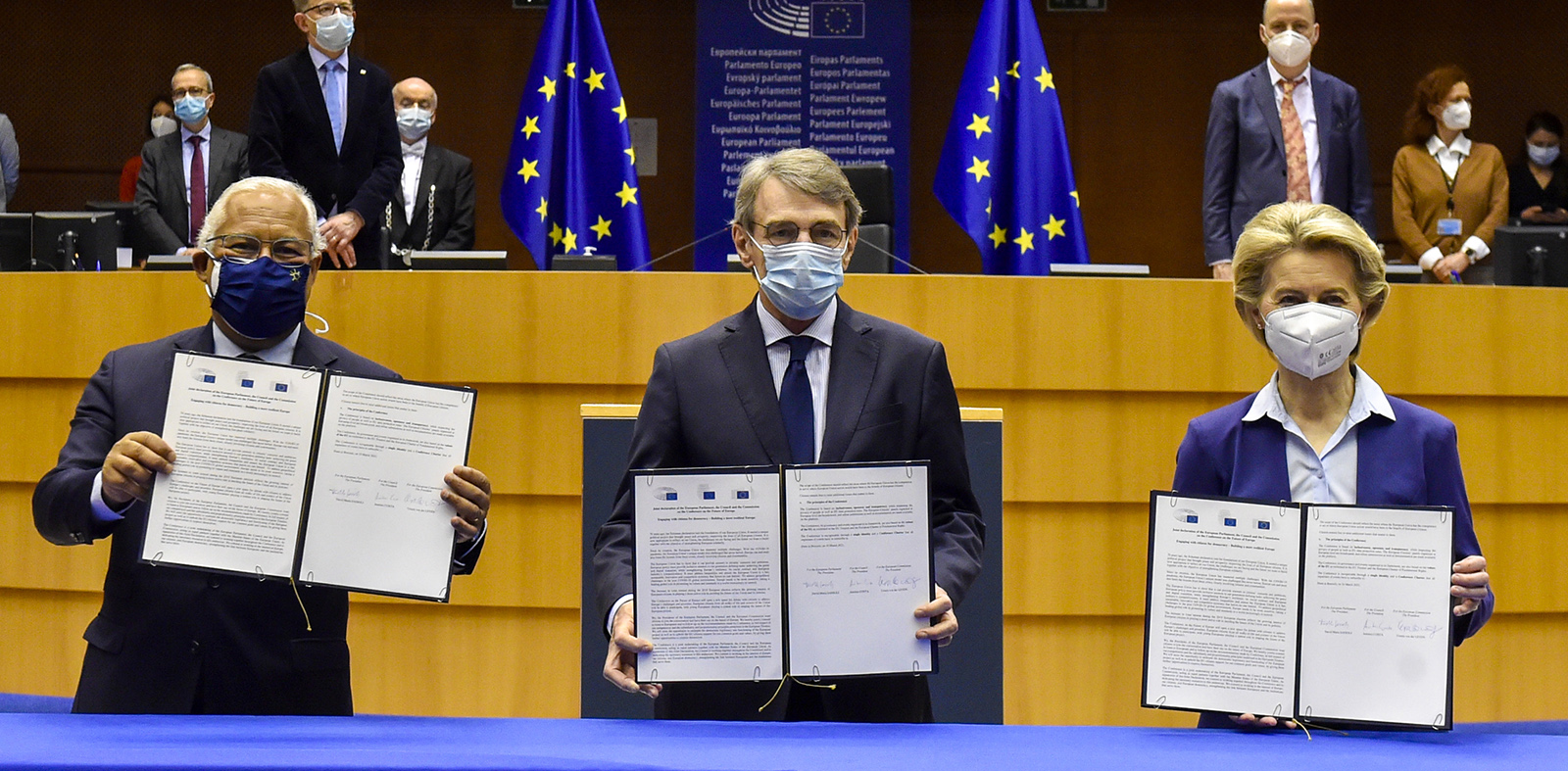
The Conference on the Future of Europe aims to produce proposals for EU ureform in a participatory manner. Yet, writes Markus Patberg, its setup suggests top-down steering, and lacks a clear conception of democratic authorisation. The envisaged forms of broad but unsystematic inclusion might even be counterproductive to the declared goal of empowering citizens Read more
Benjamin Leruth
A new European party, Volt, debuted in the Tweede Kamer following last week's Dutch elections. The party faces challenges, but it could play a role in domestic political landscapes throughout Europe, writes Benjamin Leruth Read more
Christel Koop
Often labelled technocratic and expertise-driven, the Commission’s ‘unelected bureaucrats’ in fact take public opinion seriously. When facing crises, the Commission uses agenda-priorities to respond to citizens’ cues, write Christel Koop, Christine Reh and Edoardo Bressanelli Read more
We use cookies to ensure that we give you the best experience on our website. If you continue to use this site we will assume that you are happy with it.