Dionysios Stivas
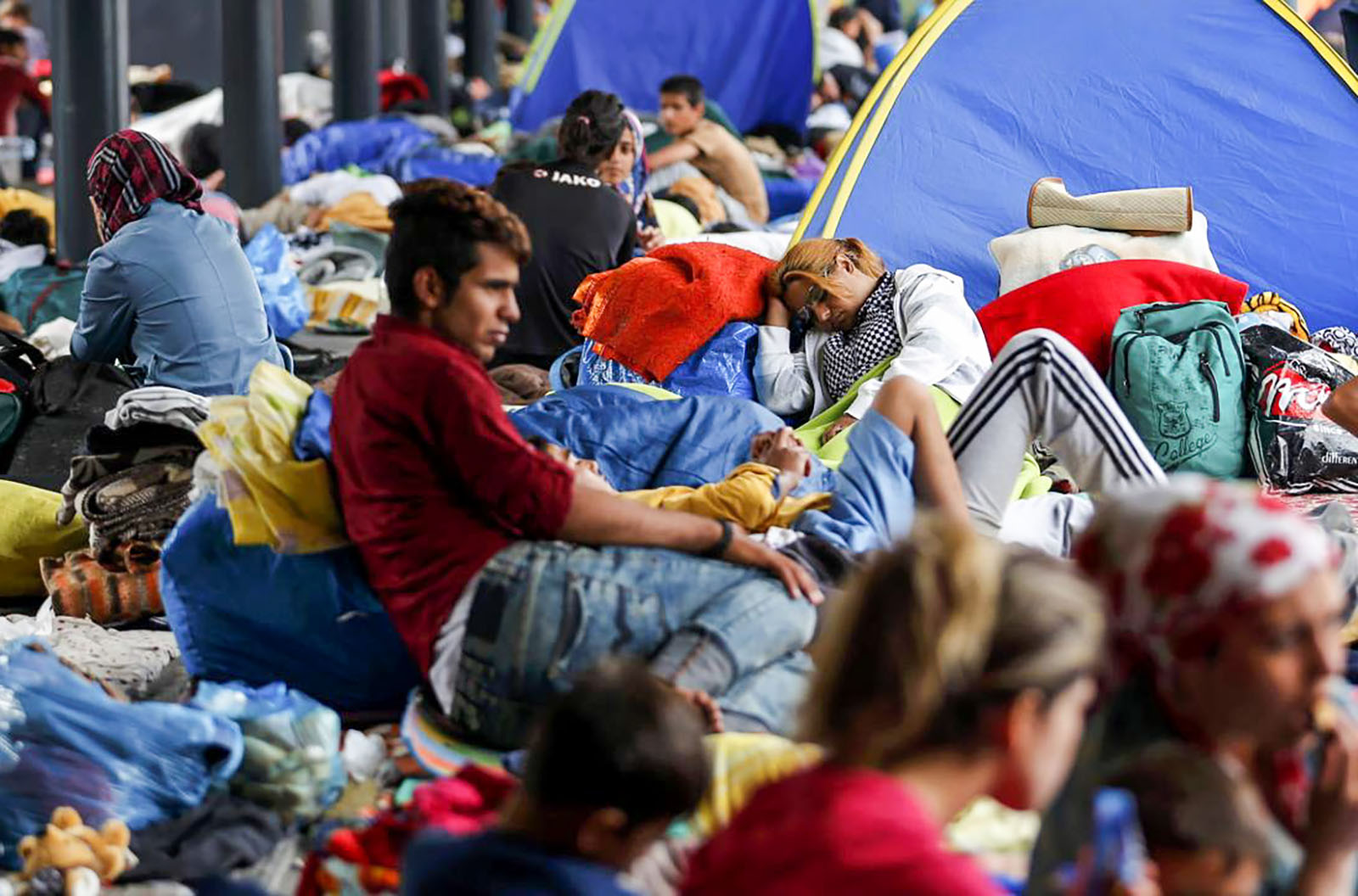
‘Securitising’ an alleged external threat can be a convenient tool for political leaders to justify extreme measures and policies. Dionysios Stivas looks at the case of Hungarian Prime Minister Viktor Orbán’s handling of asylum seekers in 2015 Read more
Julian G. Waller
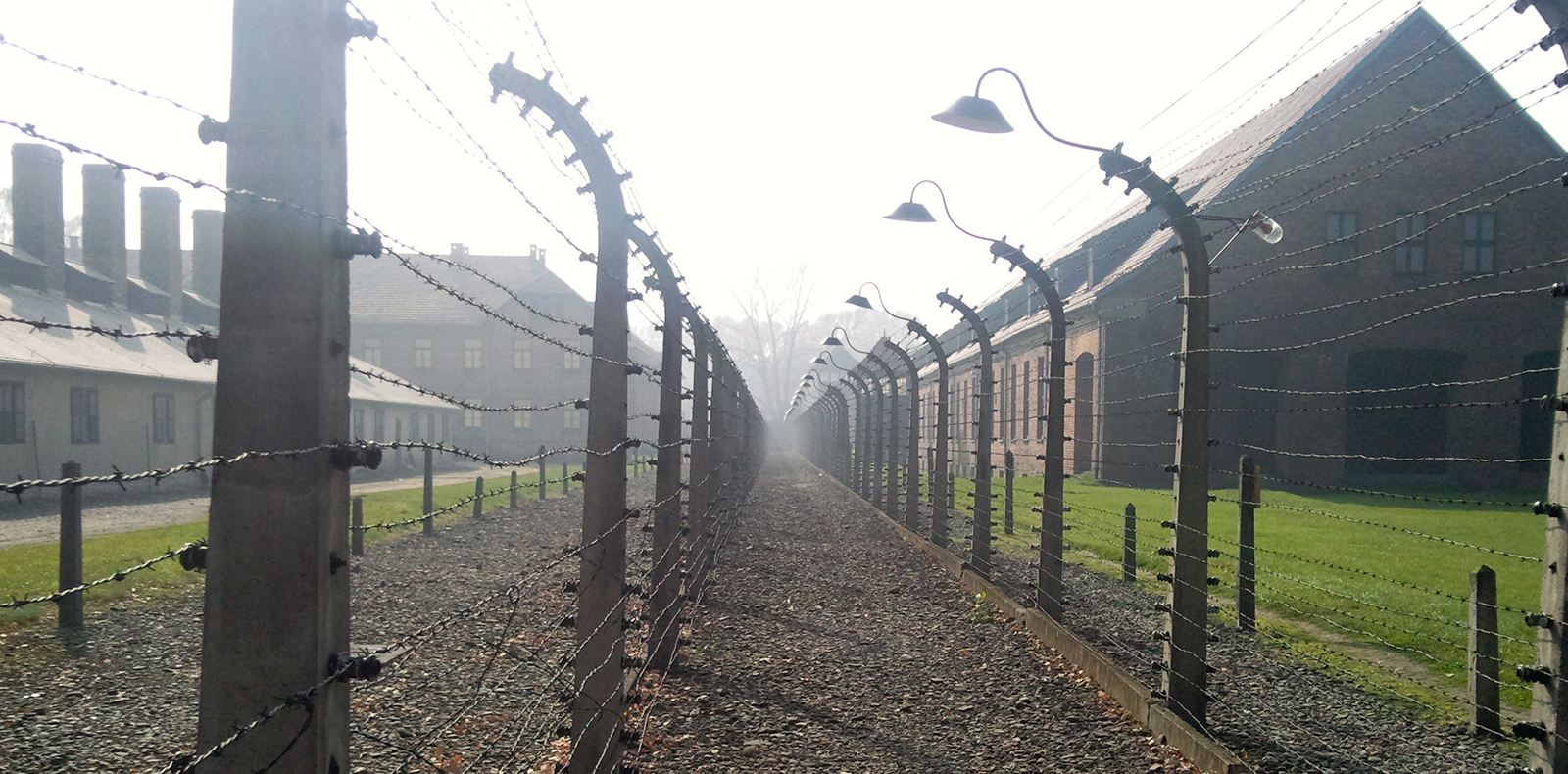
Some contemporary political developments take inspiration from fascism. But analogies between modern anti-liberal reaction and earlier totalitarian ideologies tend to obscure more than they enlighten. The concept of illiberalism allows us to make cross-national, ideational comparisons – especially transhistorical ones, writes Julian G. Waller Read more
Petra Guasti
Petra Guasti takes inspiration from the natural world to propose a way to organise the taxonomy of democratic theory. In a joint effort, and using a three-step process akin to Linnaeus and Darwin, she suggests that democratic theorists could create an encyclopedia of democracies Read more
Akudo McGee
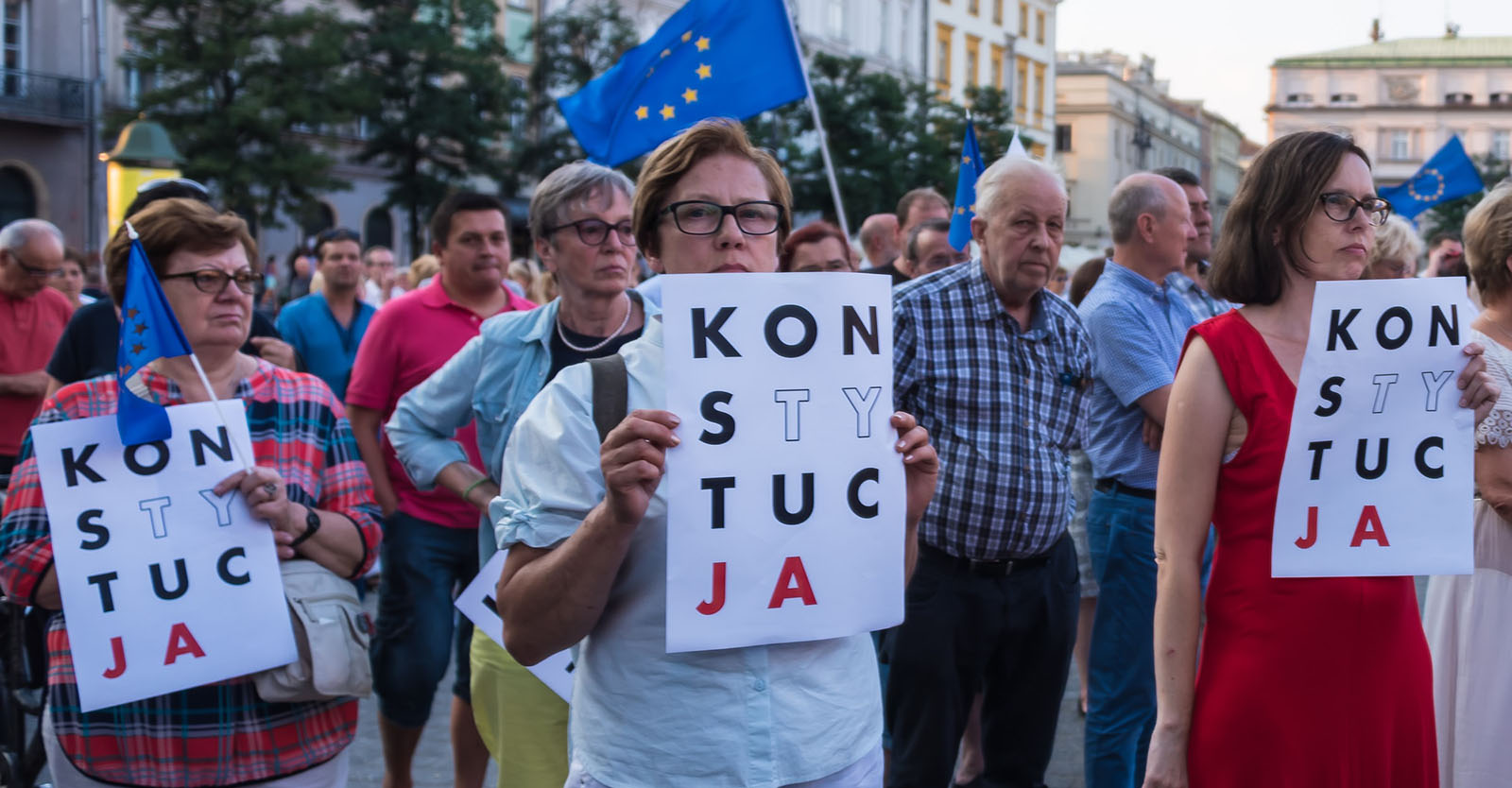
Escalating rule of law crises in Poland and Hungary have led to calls for their expulsion from the European Union. Yet, argues Akudo McGee, such calls overlook the fact that the true losers of Polexit or Hungexit won’t be unruly governments Read more
Markus Pausch
Collecting the words of democracy like butterflies is a worthwhile endeavour. But it doesn't work without normative valuation and a democratic context. The butterflies are not only around us, but in us! And they need an intact environment to survive, writes Markus Pausch Read more
Emilia Palonen
The Finns Party elected a new leader this weekend. The baton passed from Jussi Halla-aho to his radical right-hand woman Riikka Purra. This, writes Emilia Palonen, is a move that consolidates the Finns as a party of illiberal right-wingers Read more
Maija Setälä
Democratic renewal demands openness to different understandings of democracy, and reflection on our preconceptions. Maija Setälä argues that it also requires analytical clarity and normative commitment Read more
Lea Portmann
In Switzerland, poor political representation of people with a migrant background is not simply the result of prejudice and deliberate penalising by voters. Lea Portmann and Nenad Stojanović show that it is also caused by voters systematically favouring native ingroup candidates Read more
We use necessary cookies to make our site work. We'd also like to set analytics cookies that help us make improvements by measuring how you use the site. These will be set only if you accept.
▼
Strictly Necessary Cookies
Necessary cookies enable core functionality such as security, network management, and accessibility. You may disable these by changing your browser settings, but this may affect how the website functions.
▼
Analytics Cookies
Google Analytics
We'd like to set Google Analytics cookies to help us improve our website by collecting and reporting information on how you use it. The cookies collect information in a way that does not directly identify anyone. For more information on how these cookies work please see our Privacy Notice.