Kei Nishiyama
Teaching democracy is hard work, precisely because we are living in a time when democracy is in crisis. So what should we teach, and how? Kei Nishiyama suggests that a grassroots, bottom-up approach involving teachers and learners alike will help us gain ownership of democracy – and fall back in love with it Read more
Jean-Paul Gagnon
For centuries democracy has had many meanings. But they have not been collected and studied as a whole. This leaves us, Jean-Paul Gagnon argues, with only a partial knowledge of democracy. It's one that limits our options for democratisation in an increasingly authoritarian world Read more
Carl Henrik Knutsen
Even today, there is no consensus on whether democracies or autocracies are better at generating economic development. Yet, writes Carl Henrik Knutsen, the best recent evidence indicates that democracies do, on average, promote higher growth Read more
Vassilis Petsinis
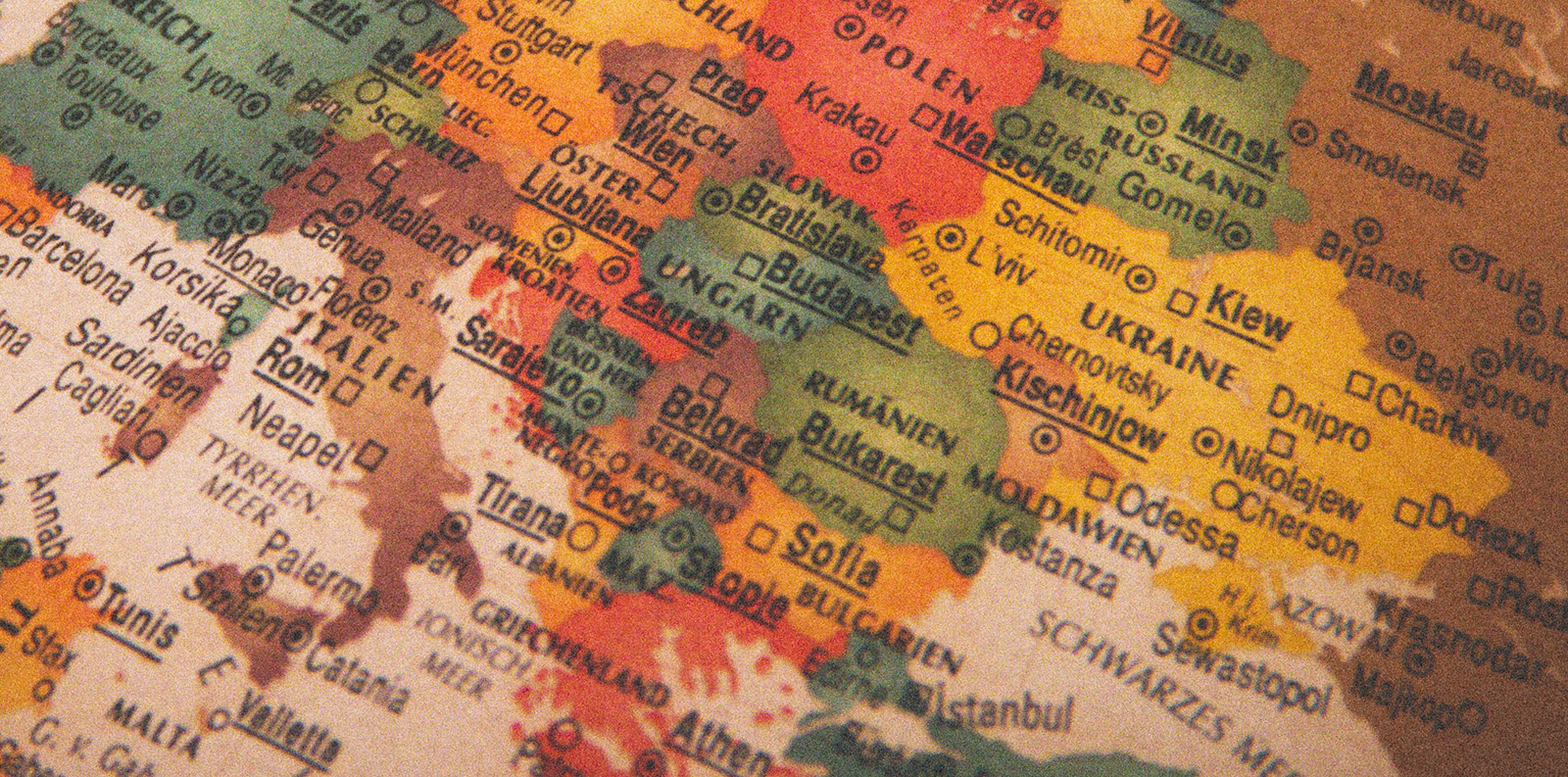
Euroscepticism manifests itself in different ways in the Balkans. Why? Vassilis Petsinis argues that grasping the differences between attitudes in different Balkan nations helps explain Serbia’s long and complex EU accession process Read more
Sabine Volk
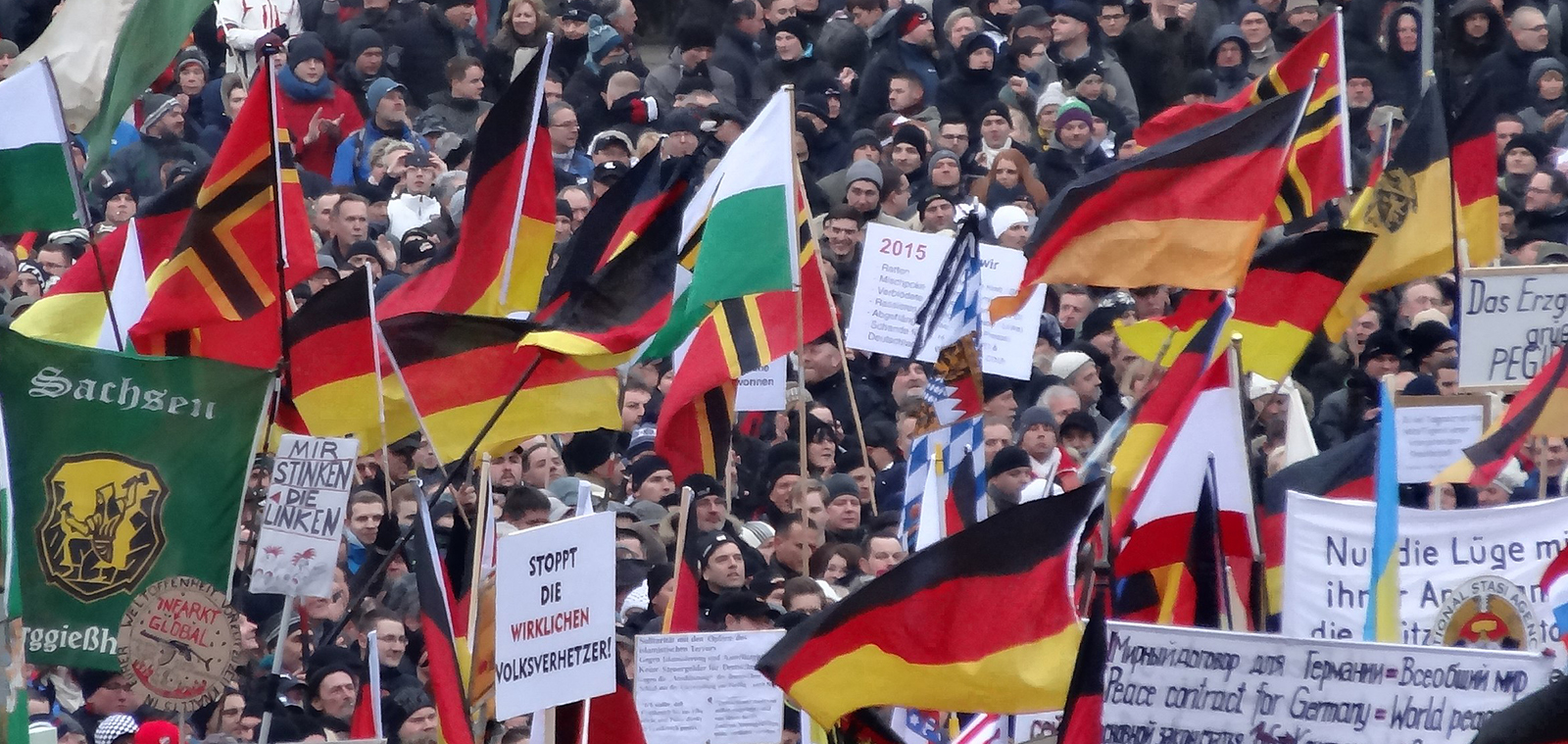
Actors from across the political spectrum, including the populist far right, have voiced concerns about safeguarding democracy amid the coronacrisis, writes Sabine Volk. But their different understandings of democracy reveal Germany’s political polarisation, rather than its unity Read more
James F. Downes
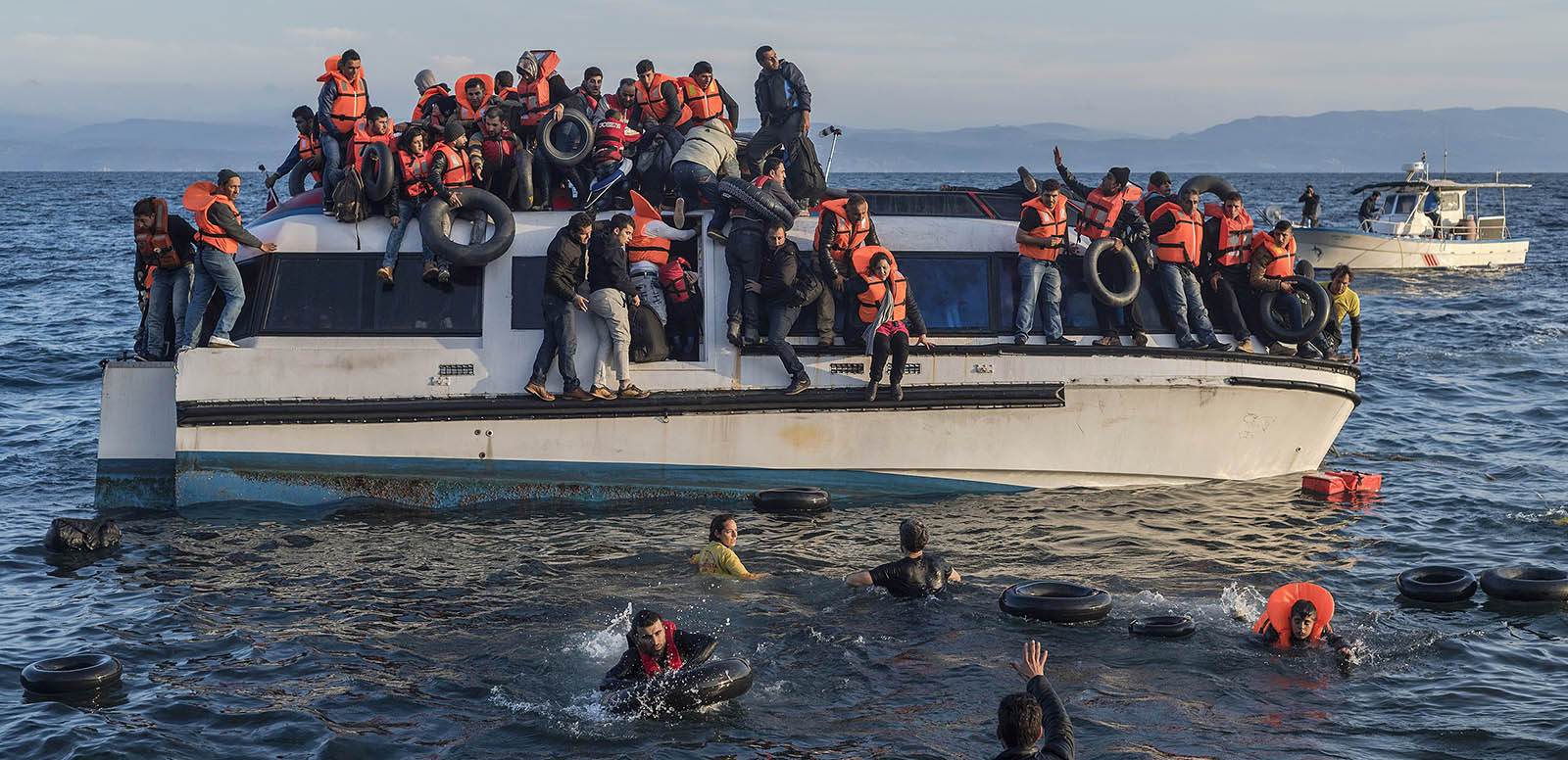
To guard against vote loss, parties of the centre right are taking a tough stance on immigration. James F. Downes, Matthew Loveless and Andrew Lam argue that such parties risk bringing far-right ideology into the political mainstream, and undermining the very tenets of liberal democracy they profess to uphold Read more
Kristian Vrede Skaaning Frederiksen
Citizens of young democracies sanction governments for violating democratic principles. However, as Kristian Vrede Skaaning Frederiksen finds, in new research based on data from 43 countries, citizens of old democracies do not. Given recent attacks on democracy across the world, the insights are important for policymakers as well as citizens Read more
Samuel Brazys
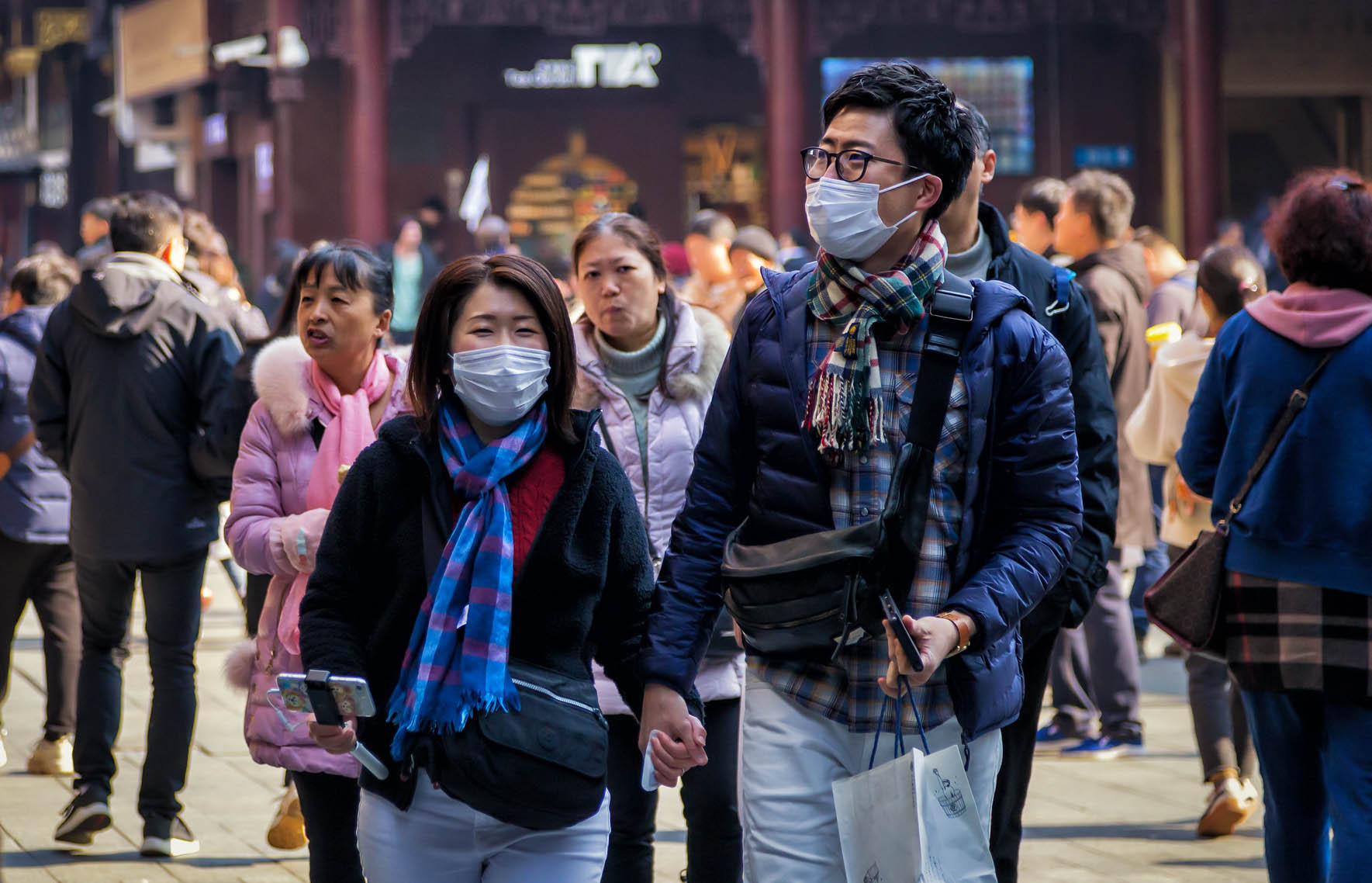
China seeks to control the international narrative on its role in the pandemic. But while Beijing cannot always deflect criticism, its mask diplomacy efforts and external propaganda streams do affect China’s image, write Samuel Brazys, Alexander Dukalskis and Stefan Müller Read more
We use necessary cookies to make our site work. We'd also like to set analytics cookies that help us make improvements by measuring how you use the site. These will be set only if you accept.
▼
Strictly Necessary Cookies
Necessary cookies enable core functionality such as security, network management, and accessibility. You may disable these by changing your browser settings, but this may affect how the website functions.
▼
Analytics Cookies
Google Analytics
We'd like to set Google Analytics cookies to help us improve our website by collecting and reporting information on how you use it. The cookies collect information in a way that does not directly identify anyone. For more information on how these cookies work please see our Privacy Notice.