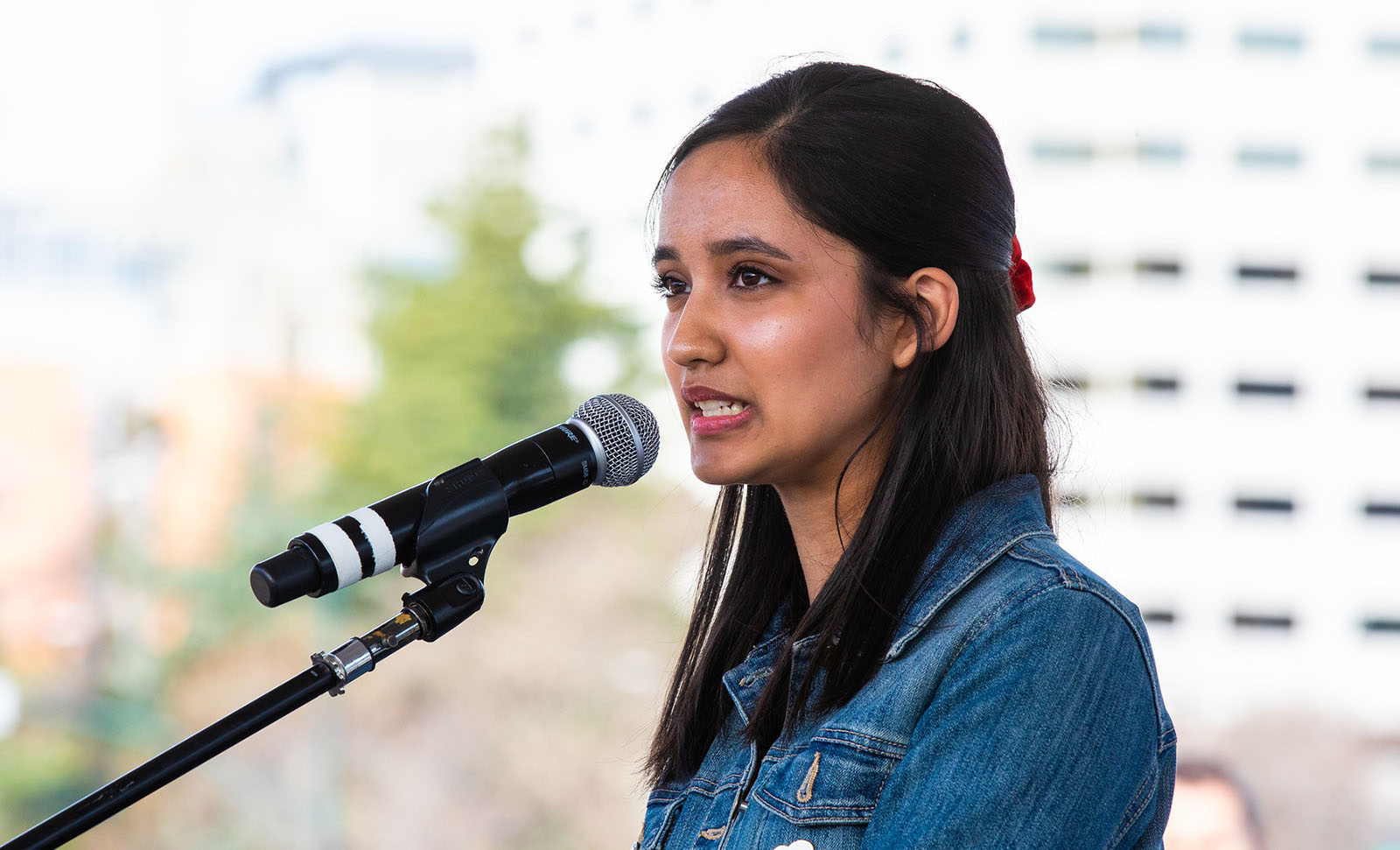
Rachel Bernhard
Why does the United States have such a persistently poor record on gender equality? Rachel Bernhard looks beyond the stereotypes at political outcomes within groups to understand when, where, and how inequality persists Read more
Matthew Flinders
Launching this series, Jean-Paul Gagnon made the case for ‘a database of democracy’ to grasp the conceptual complexity that other theorists have, he suggests, generally skirted around. Matthew Flinders disputes whether a taxonomical approach really is the answer to the question ‘What is democracy?’ Read more
Zsolt Enyedi
Over time, European party systems develop ‘closure’. Zsolt Enyedi and Fernando Casal Bértoa analyse how this happens, and what impact it has on European democracy Read more
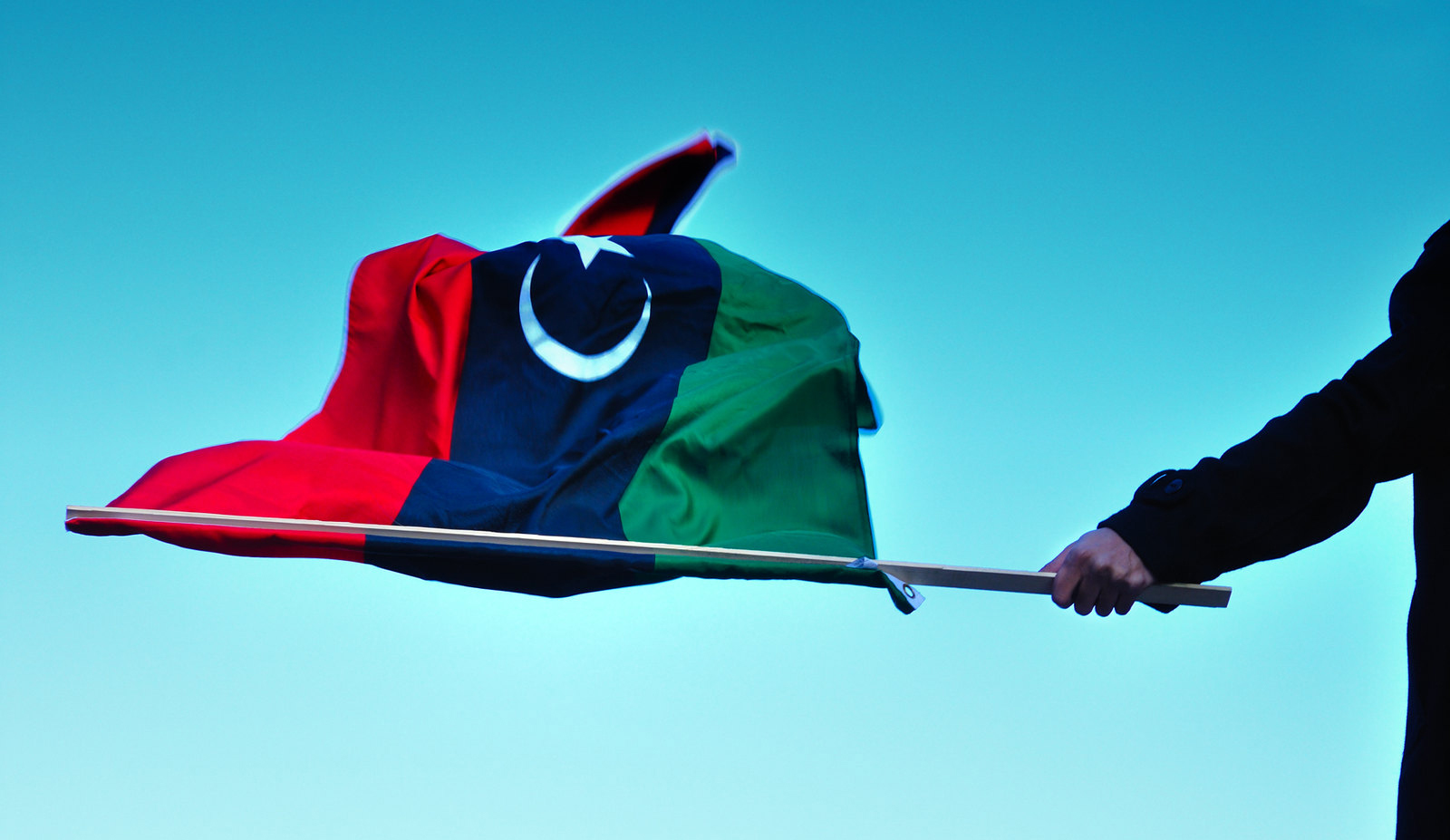
Hager Ali
Only a few months remain before elections in Libya. But Western policymakers are focusing on election preparations and the withdrawal of foreign mercenaries, to the neglect of other pressing matters. Hager Ali argues that unless Libya tackles its political and military problems, elections may prove little more than a sticking plaster on a bullet wound Read more
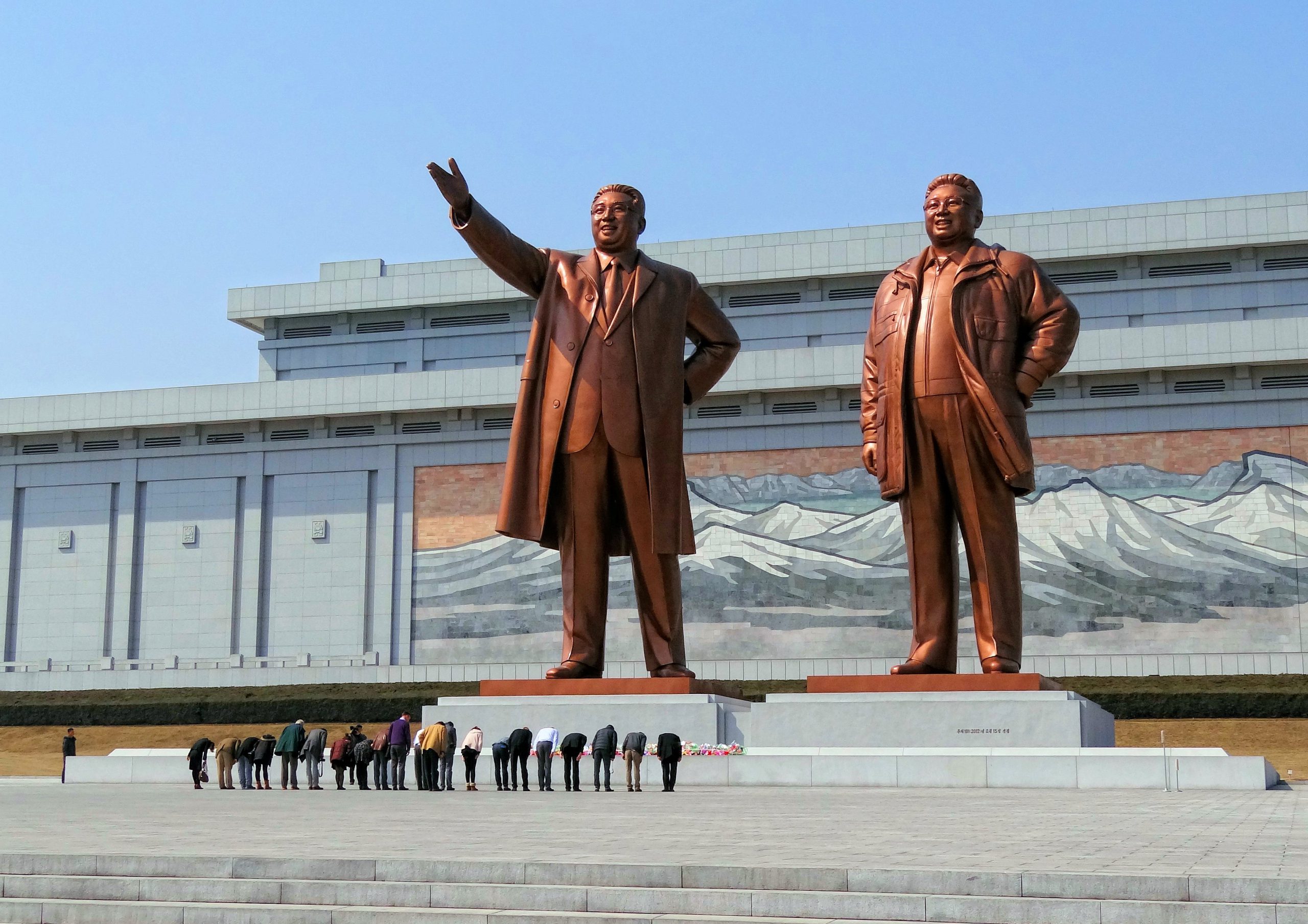
Luca Manucci
Luca Manucci, in a panoramic survey of the rise of illiberalism in our times, argues that this trend is feeding on authoritarian historical legacies and memories which are being rewritten before our eyes. It is an exercise all democrats should challenge, and resist Read more
Laurence Whitehead
Democracy may have different meanings in different cultures. Yet, writes Laurence Whitehead, the concept of democracy also operates at a universal level where users can communicate with each other across time and space Read more
Zeynep Menteşoğlu Tardivo
Zeynep Mentesoglu Tardivo analyses the role played by nominally democratic political institutions in authoritarian regimes. She argues that rulers design such institutions to consolidate their power base, even at the cost of economic and political development Read more
Hans Asenbaum
How can we capture the many meanings of democracy? We need to critically reflect on who produces knowledge about democracy, argues Hans Asenbaum. People outside academia must play a central role in democratic theorising Read more
We use necessary cookies to make our site work. We'd also like to set analytics cookies that help us make improvements by measuring how you use the site. These will be set only if you accept.
▼
Strictly Necessary Cookies
Necessary cookies enable core functionality such as security, network management, and accessibility. You may disable these by changing your browser settings, but this may affect how the website functions.
▼
Analytics Cookies
Google Analytics
We'd like to set Google Analytics cookies to help us improve our website by collecting and reporting information on how you use it. The cookies collect information in a way that does not directly identify anyone. For more information on how these cookies work please see our Privacy Notice.