Ruairidh Brown
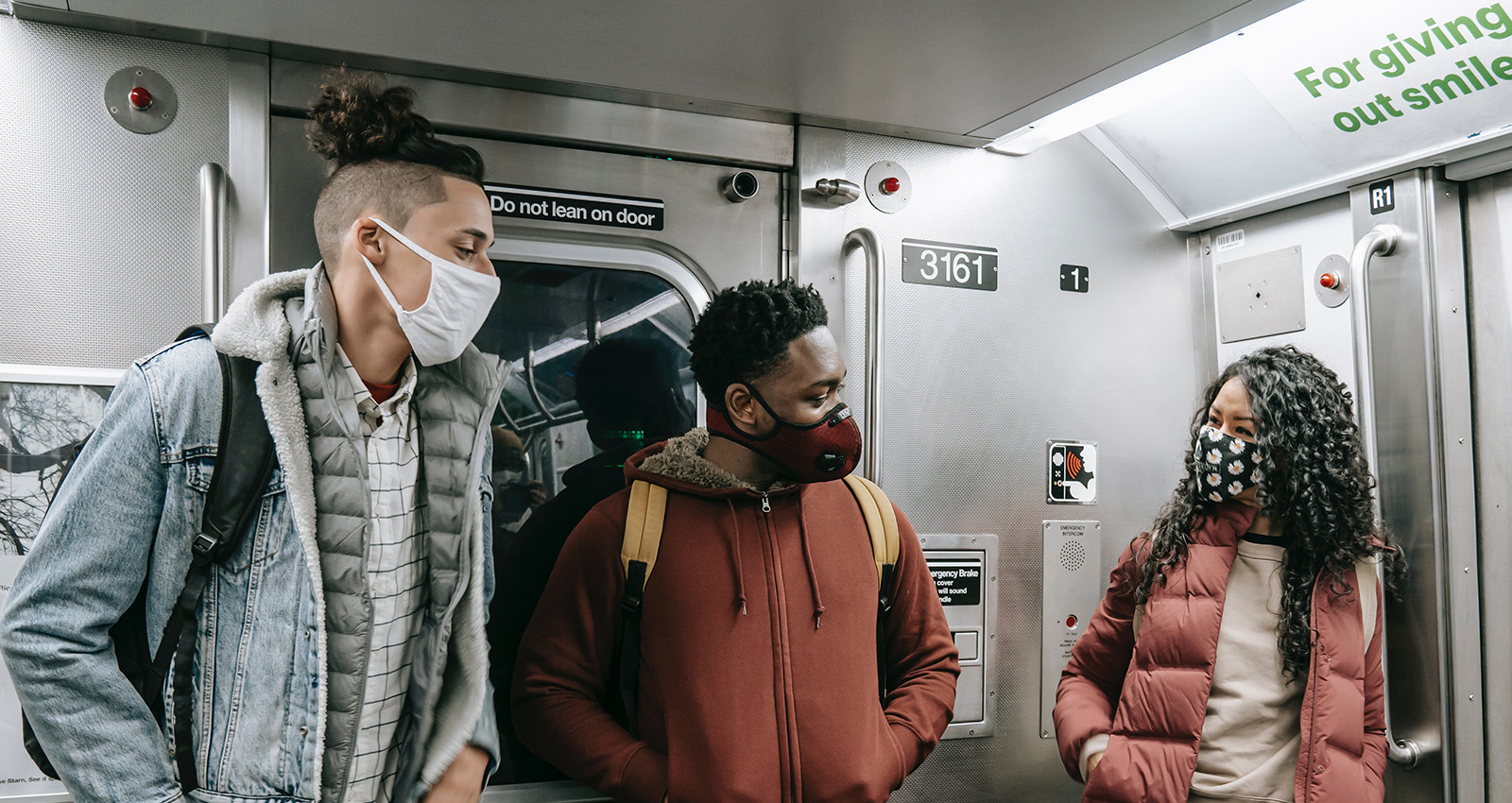
In our contemporary world, dangers frequently come not from external enemies but from our own behaviour. To provide moral guidance on these dangers and help overcome the externalisation of threat, Ruairidh Brown looks back through time to St Augustine Read more
Ben Seyd
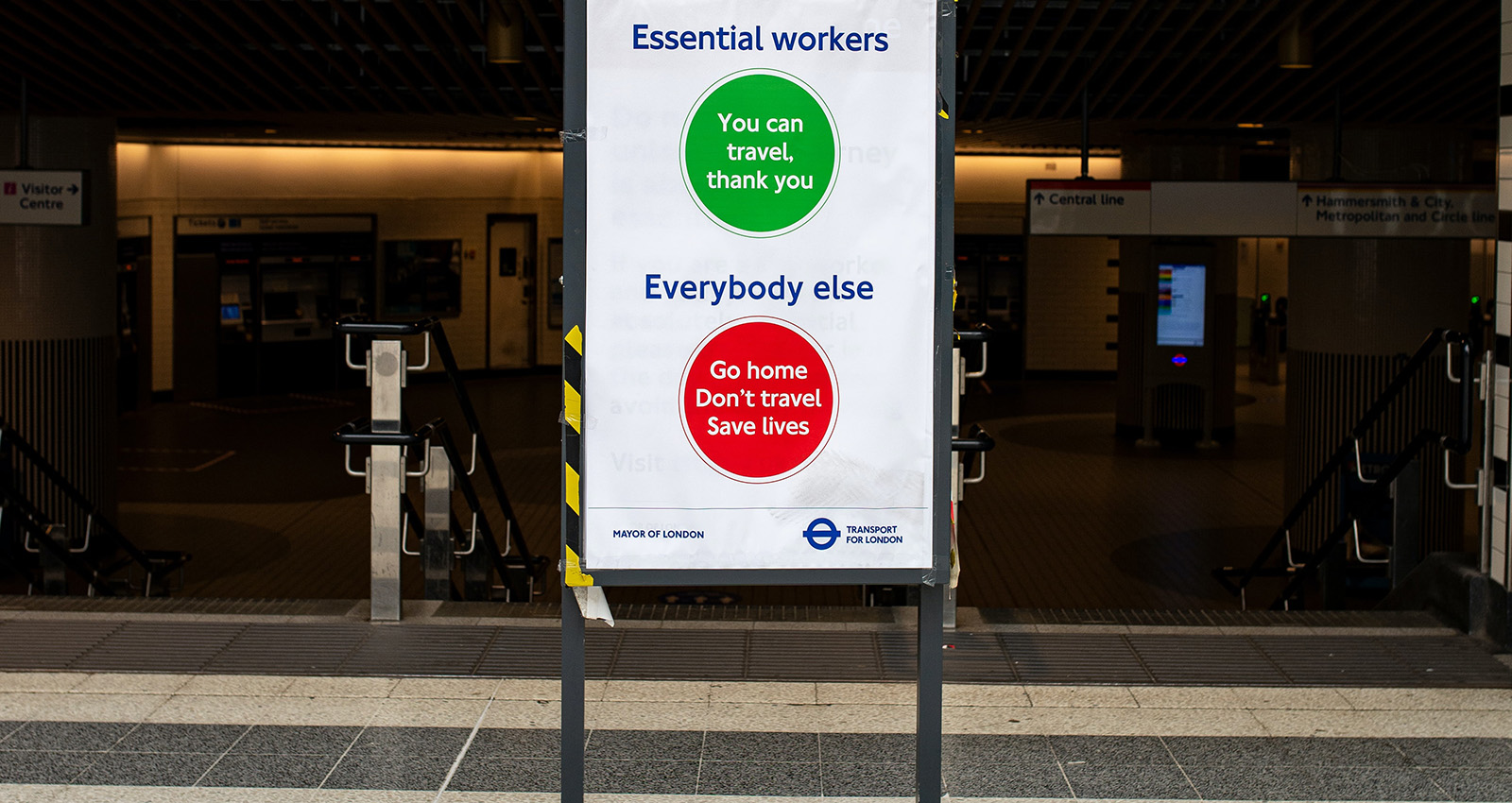
Can policymakers expect people to comply with official health restrictions out of fear rather than because they trust the government? Ben Seyd suggests the answer is no. Governments still need trust to motivate citizens to comply with important collective rules. Read more
Rongxin Li
Unlike Western nations, China is reintroducing restrictions to counter the latest wave of Covid-19. Rongxin Li explains China's pandemic policy and its apparent acceptance by the Chinese people in the context of authoritarian resilience Read more
Orlaith Rice
The Swedish government’s strategy for addressing the Covid-19 pandemic sparked international debate about its hands off approach. Orlaith Rice points to Sweden’s institutional framework and high trust levels as two key components in understanding this country's unique pandemic response Read more
Muireann O'Dwyer
Muireann O’Dwyer argues that the economy's gendered nature means that all EU-developed economic policies are intrinsically gendered. Their consequences shape equality across the member states. Addressing this requires a greater democratisation of economic policy, and a renewed commitment to gender mainstreaming The gender of the economy Economic policy is always, at the same time, gender […] Read more
Pavlos Vasilopoulos
In research monitoring public attitudes during the Covid-19 pandemic, Pavlos Vasilopoulos, Haley McAvay, Sylvain Brouard, and Martial Foucault found that public commitment to civil liberties is highly volatile, especially when fear prevails. This, they argue, should worry proponents of democracy Restriction of civil liberties under Covid The Covid-19 pandemic brought unprecedented restrictions to civil liberties […] Read more
Clareta Treger
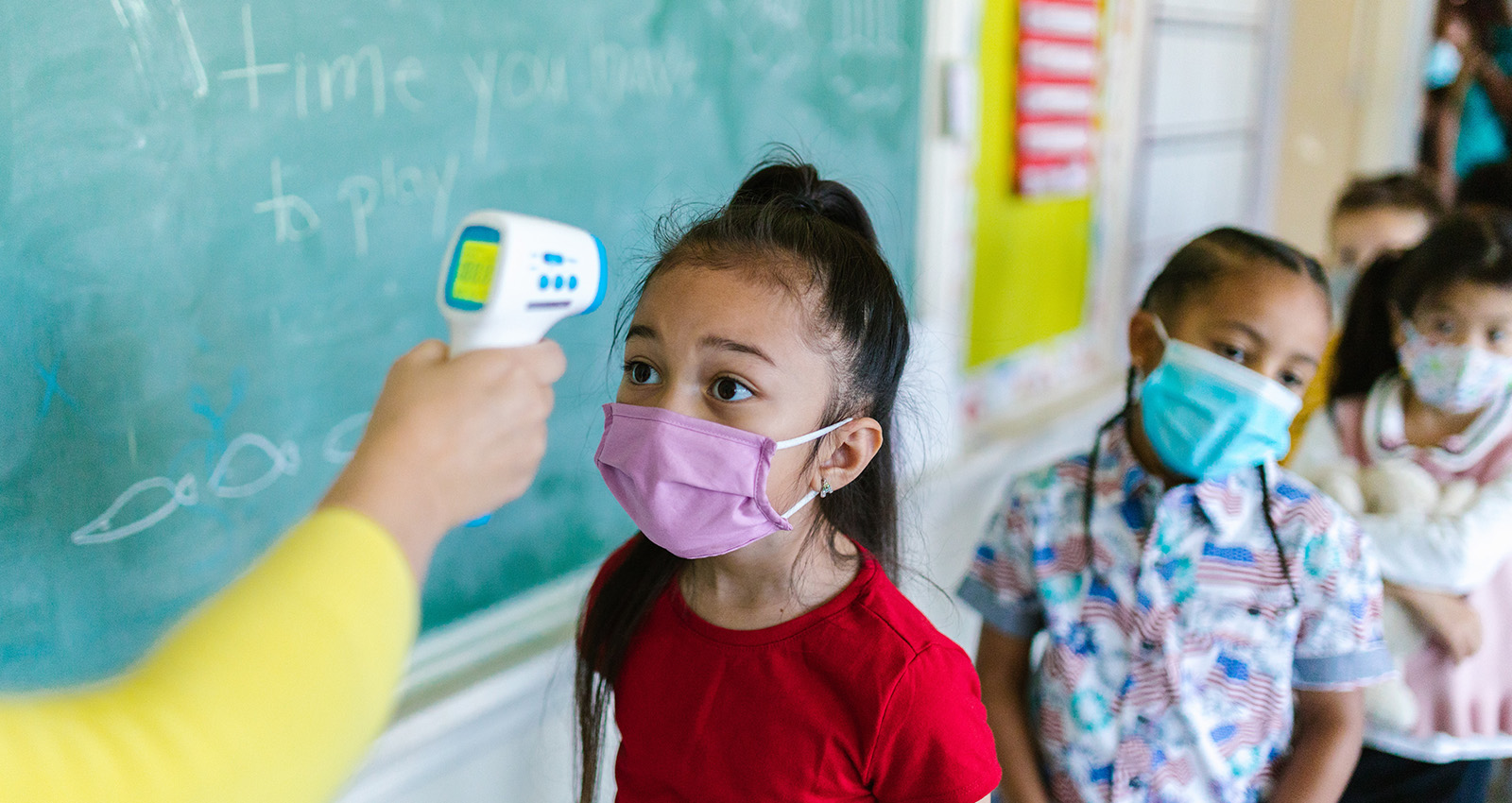
In a study of public attitudes towards government paternalism, Clareta Treger finds that, when it comes to their own safety and health, individuals prefer coercive government policies over nudges that steer them towards welfare-enhancing behaviour. This should be taken into consideration when devising strategies to mitigate COVID-19 and future crises. Read more
Trym Nohr Fjørtoft
Have we had enough of experts? Covid-19 revealed how expertise doesn't necessarily translate into public acceptance of the right to make decisions in the public interest. Trym Nohr Fjørtoft and Asimina Michailidou explore the conditions under which expert agencies secure public legitimacy. Their conclusion? It's about striking the right balance Read more
We use necessary cookies to make our site work. We'd also like to set analytics cookies that help us make improvements by measuring how you use the site. These will be set only if you accept.
▼
Strictly Necessary Cookies
Necessary cookies enable core functionality such as security, network management, and accessibility. You may disable these by changing your browser settings, but this may affect how the website functions.
▼
Analytics Cookies
Google Analytics
We'd like to set Google Analytics cookies to help us improve our website by collecting and reporting information on how you use it. The cookies collect information in a way that does not directly identify anyone. For more information on how these cookies work please see our Privacy Notice.