Martin Bull
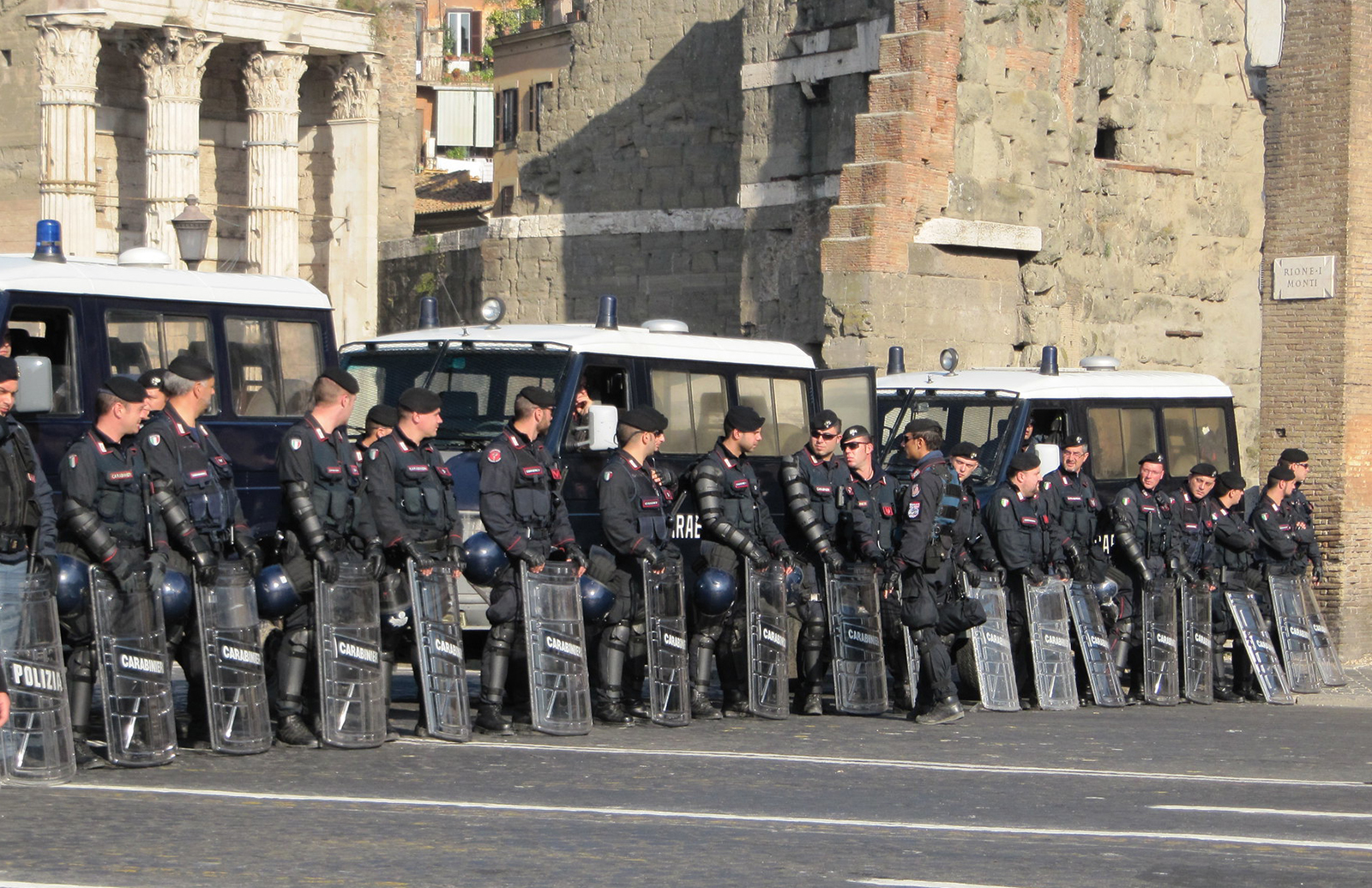
Protests have broken out in Rome against the extension of Italy’s Covid Green Pass to the workplace. They quickly deteriorated into violence and assault, exploited by the fascist group Forza Nuova. This, argues Martin Bull, has reignited the debate about Italy’s fascist heritage, and led to calls on Prime Minister Draghi to dissolve the group Read more
Manès Weisskircher
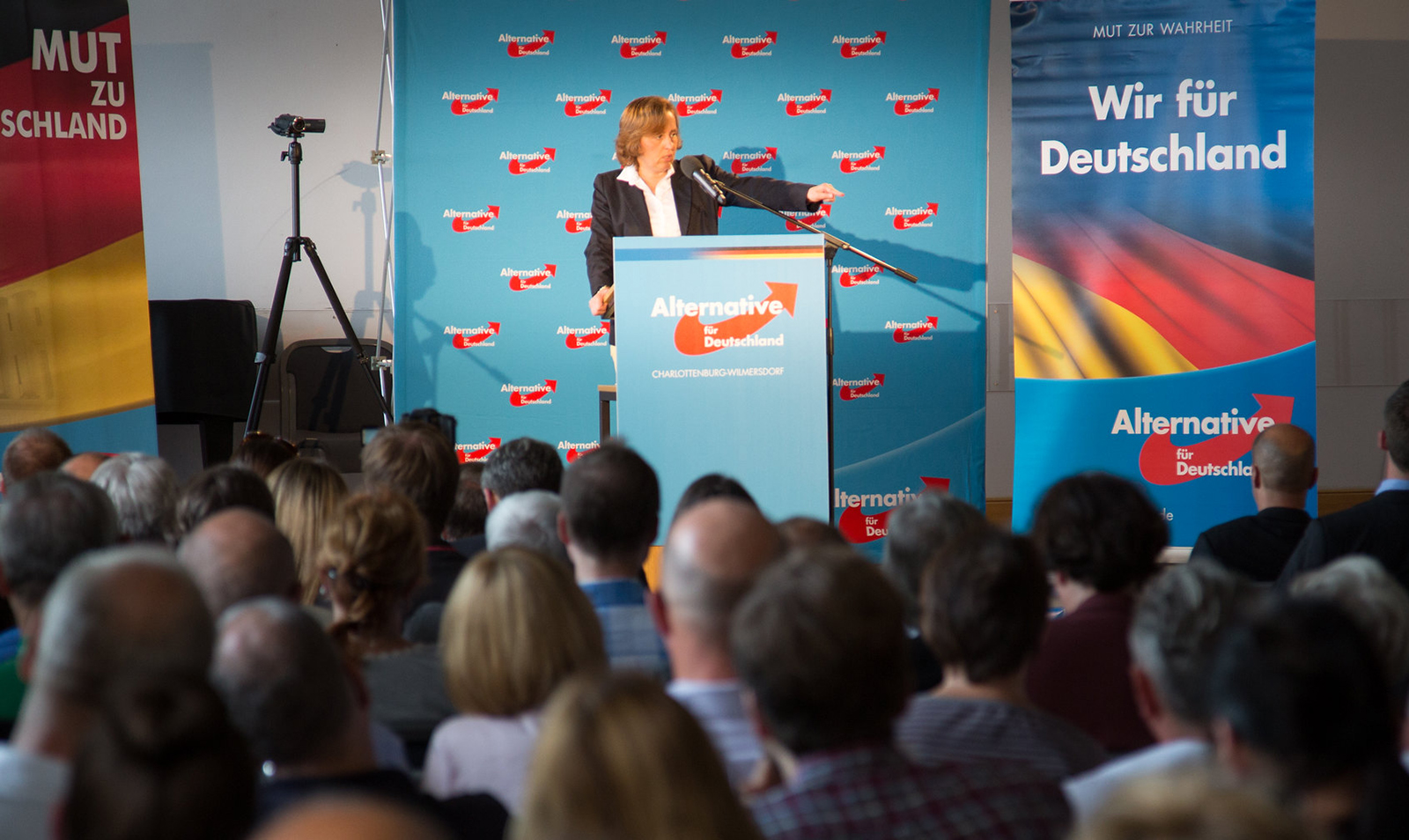
Alternative für Deutschland is not expected to make gains at this Sunday’s general election in Germany, yet it is essential to scrutinise the party’s strongholds, writes Manès Weisskircher. AfD’s strength in the east is not just relevant for the party's future. It may also shape German politics in the medium term Read more
Emilia Palonen
The Finns Party elected a new leader this weekend. The baton passed from Jussi Halla-aho to his radical right-hand woman Riikka Purra. This, writes Emilia Palonen, is a move that consolidates the Finns as a party of illiberal right-wingers Read more
Léonie De Jonge
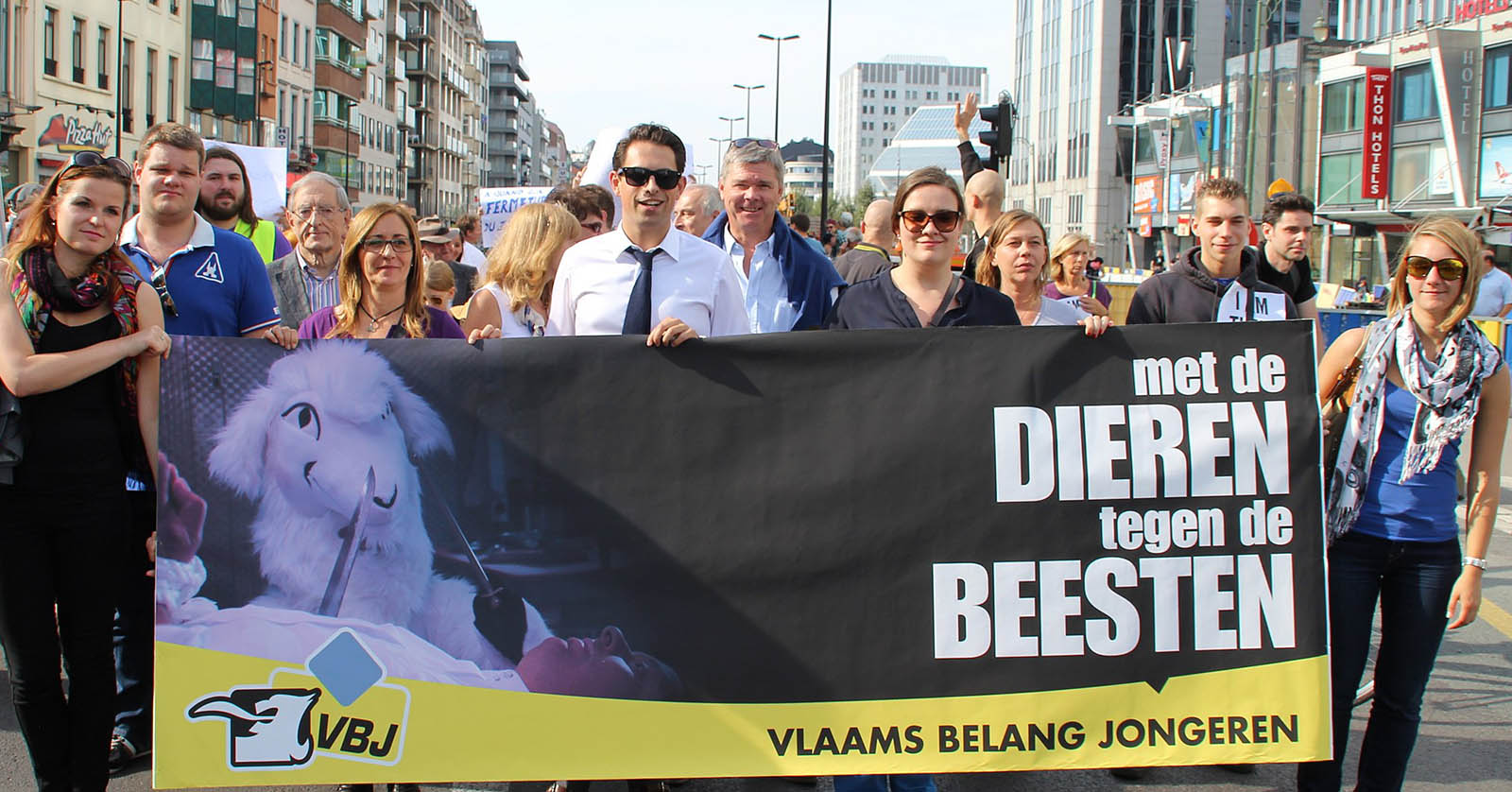
Right-wing populism is not contagious; it only spreads if mainstream parties and the media diffuse it. This helps explain why right-wing populist parties are more successful in the Netherlands and Flanders than in Luxembourg and Wallonia, writes Léonie de Jonge Read more
Vassilis Petsinis
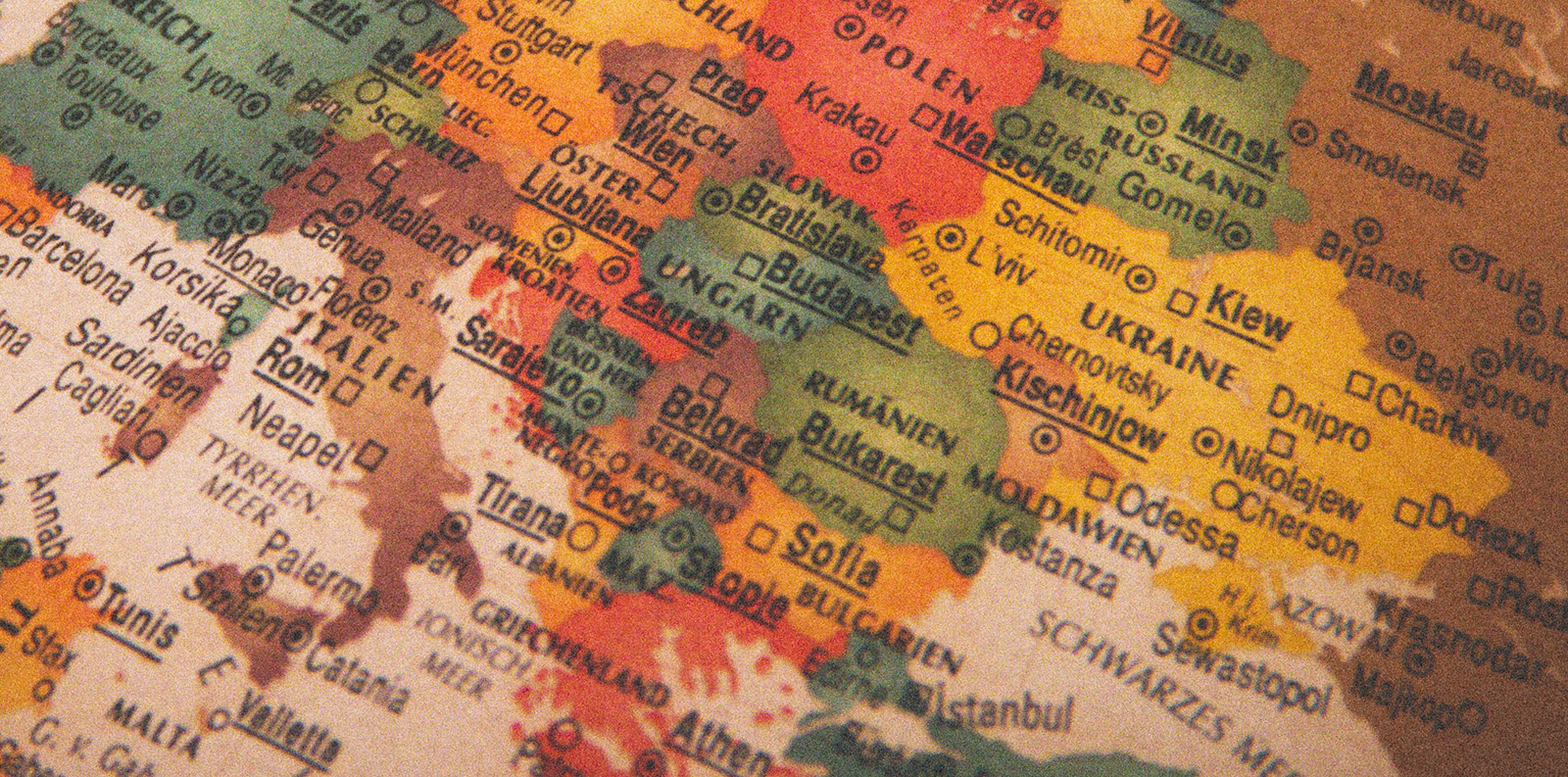
Euroscepticism manifests itself in different ways in the Balkans. Why? Vassilis Petsinis argues that grasping the differences between attitudes in different Balkan nations helps explain Serbia’s long and complex EU accession process Read more
Sabine Volk
Actors from across the political spectrum, including the populist far right, have voiced concerns about safeguarding democracy amid the coronacrisis, writes Sabine Volk. But their different understandings of democracy reveal Germany’s political polarisation, rather than its unity Read more
James F. Downes
To guard against vote loss, parties of the centre right are taking a tough stance on immigration. James F. Downes, Matthew Loveless and Andrew Lam argue that such parties risk bringing far-right ideology into the political mainstream, and undermining the very tenets of liberal democracy they profess to uphold Read more
Fabian Habersack
Populist radical right parties have been remarkably successful in recent decades, yet strategies to contain them regularly fail. Can non-radical parties do anything to counter them? Fabian Habersack suggests mainstream parties could signal ‘responsiveness’ while remaining committed to their policy goals Read more
We use necessary cookies to make our site work. We'd also like to set analytics cookies that help us make improvements by measuring how you use the site. These will be set only if you accept.
▼
Strictly Necessary Cookies
Necessary cookies enable core functionality such as security, network management, and accessibility. You may disable these by changing your browser settings, but this may affect how the website functions.
▼
Analytics Cookies
Google Analytics
We'd like to set Google Analytics cookies to help us improve our website by collecting and reporting information on how you use it. The cookies collect information in a way that does not directly identify anyone. For more information on how these cookies work please see our Privacy Notice.