Recent raids on LGBTQ+ associations and private homes of LGBTQ+ activists in Türkiye are more than an attack on a marginalised community. Anton Borea argues that they are part of a broader political project that threatens to dismantle the remaining foundations of democratic politics in the country
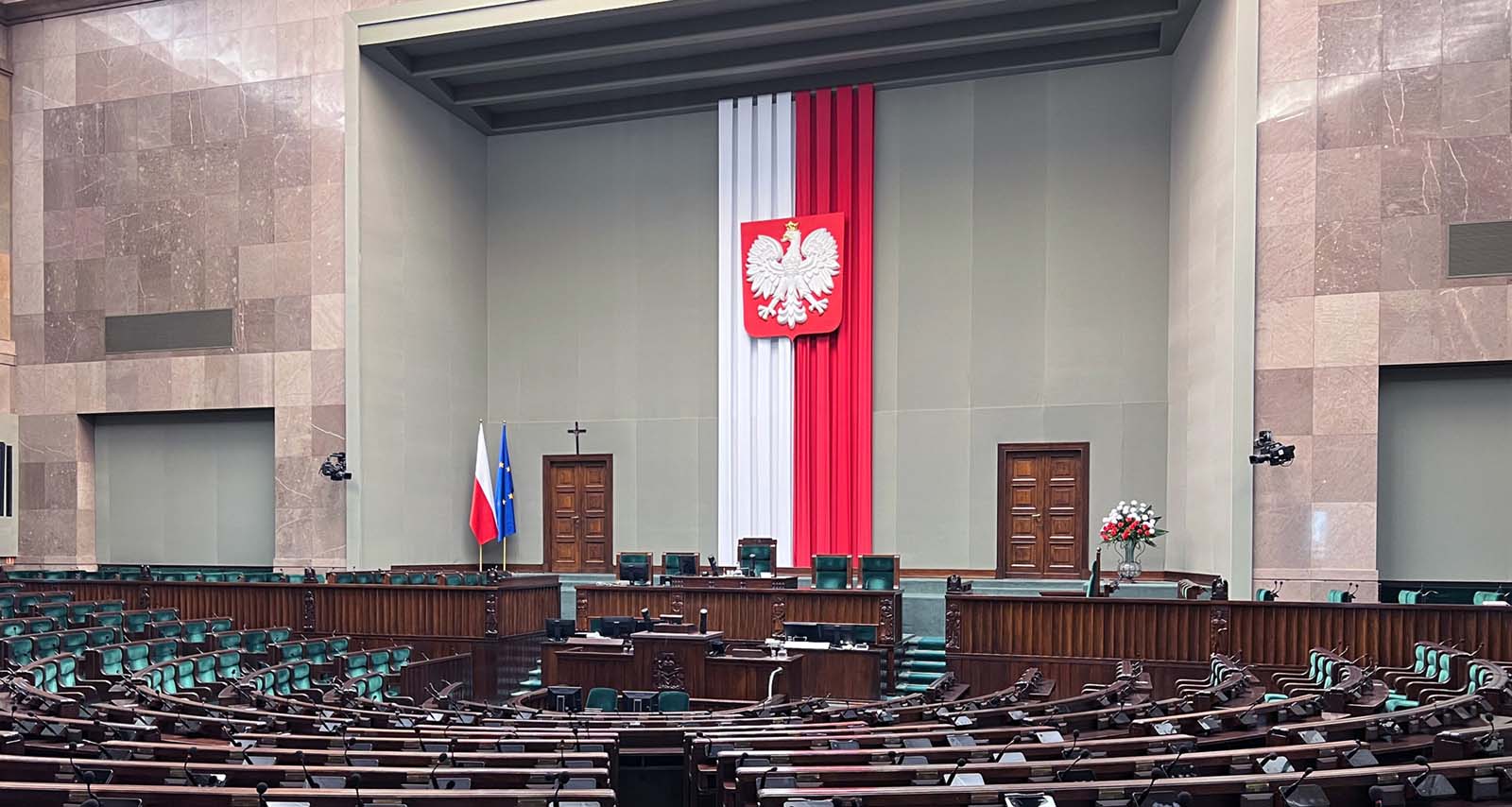
Poland’s democratic backsliding was not preceded by voters becoming more extreme, argue Marta Kołczyńska, Maciej Sychowiec and Oliwia Szczupska. Before democratic erosion took hold, Poles’ views were already becoming more tightly connected across issues, and more closely aligned with party choice
When authoritarian rulers fall, their relatives often become targets for prosecution. Drawing on six African transitions, Michael Asiedu shows why accountability takes different forms and why punishing a former ruling family does not necessarily transform the political system that protected it
The theory of cultural backlash argues that opposition to progressive politics has given us the populist radical right. Christian Kloetzer writes that we may have to turn this logic on its head. The electorates of this party family are not consistently socially conservative. But as the German state elections in Saxony-Anhalt show, the radical right's countercultural assault increasingly channels a comprehensive rejection of all facets of cultural liberalism
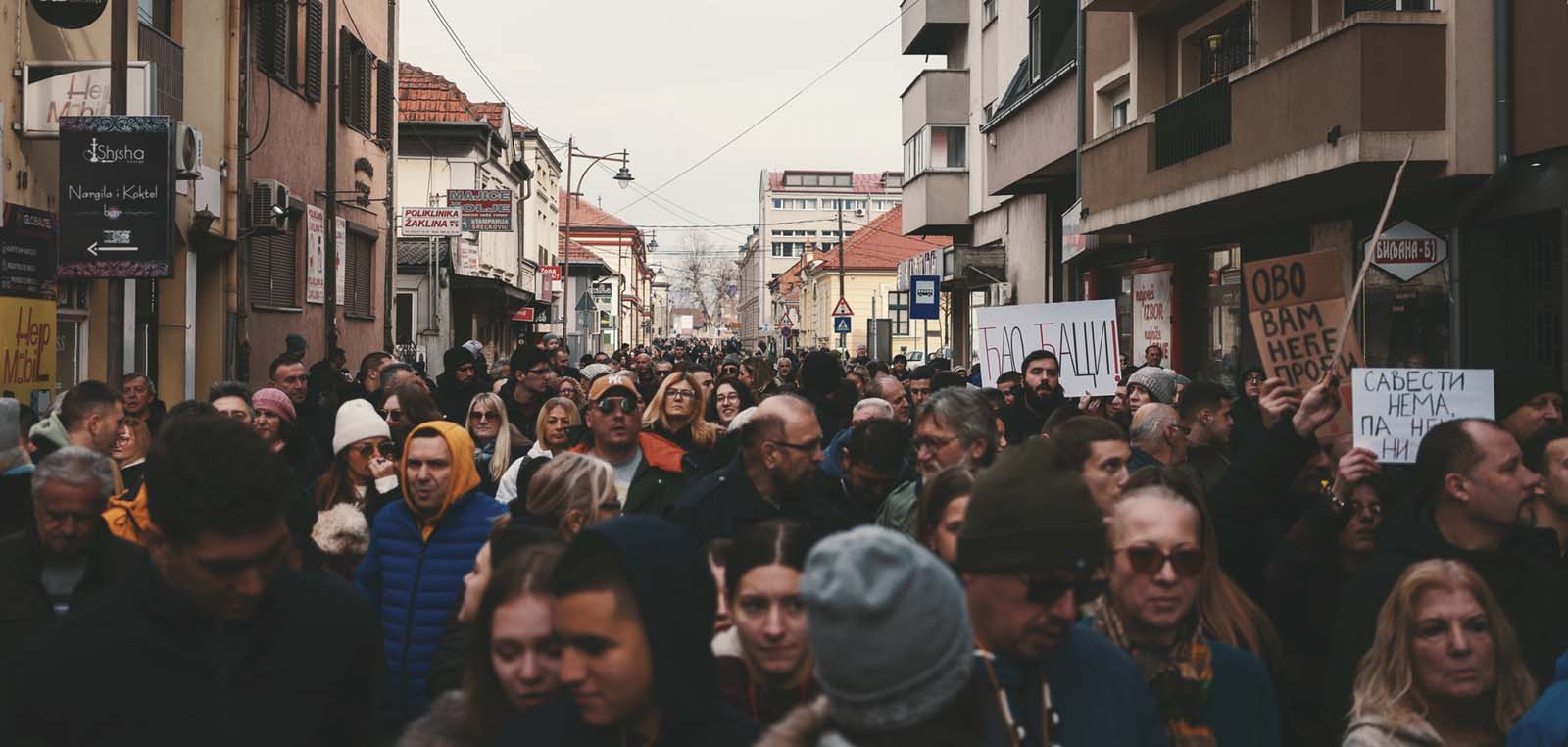
Serbia's student movement is on the ballot on 25 October, but no student is a candidate. Drawing on internal documents, Sadie Zarris shows how a movement without leaders wrote itself an exacting rulebook, enforced by nothing but consent. The harder test, she argues, comes once its candidates become MPs
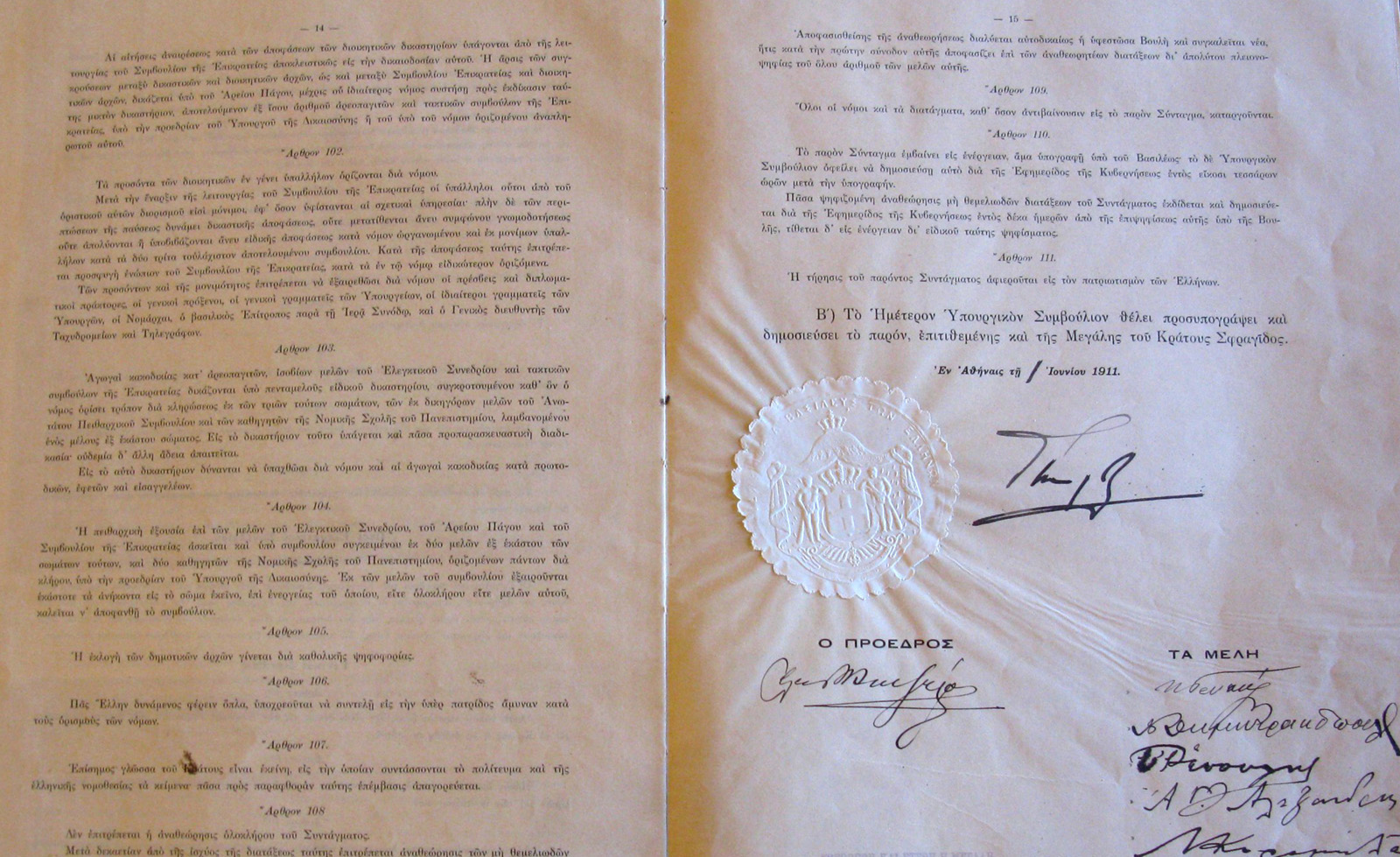
Constitutional revisions usually serve to improve the function of the polity, the state and the protection of citizens. But Greece's current constitutional revision, argues Dimitra Mareta, merely serves the political programme of the governing party, and has advanced with the help of far-right MPs. This, she warns, could lead the country down a dangerous path
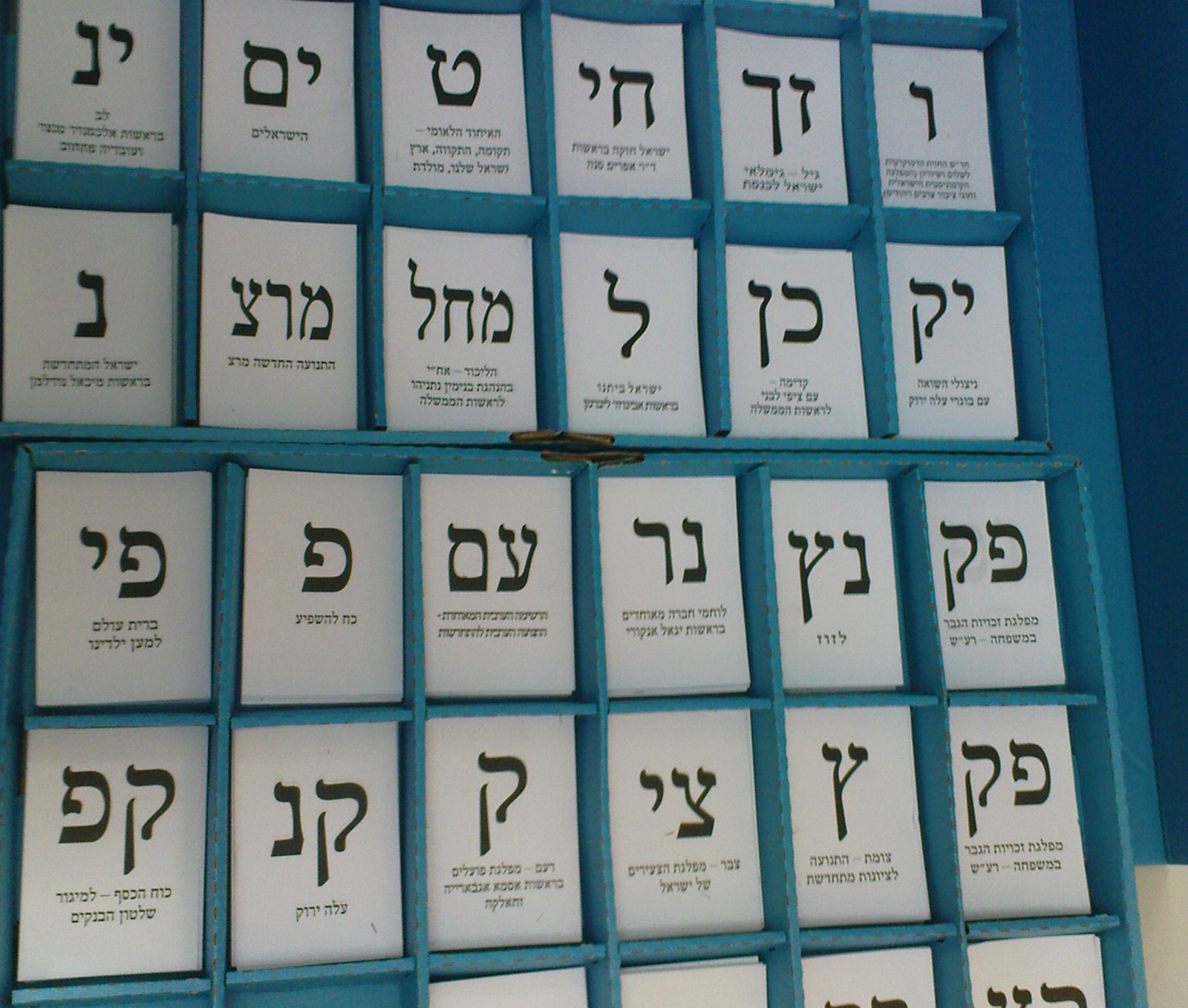
Israel's next election is often framed as a referendum on the country's longest-serving Prime Minister, Benjamin Netanyahu. Liran Harsgor and Alon Yakter argue that public opinion reveals two different political maps: a clear divide over democracy and institutions, but a far less coherent alternative on the Israeli-Palestinian conflict, where voters and candidates struggle to articulate a credible political horizon
Voters say they value democracy, yet governments that weaken courts and watchdogs rarely pay a price. Filippo Palmieri argues that the reason is not indifference but a majoritarian idea of democracy, in which stripping an elected government of its constraints counts as a mandate fulfilled
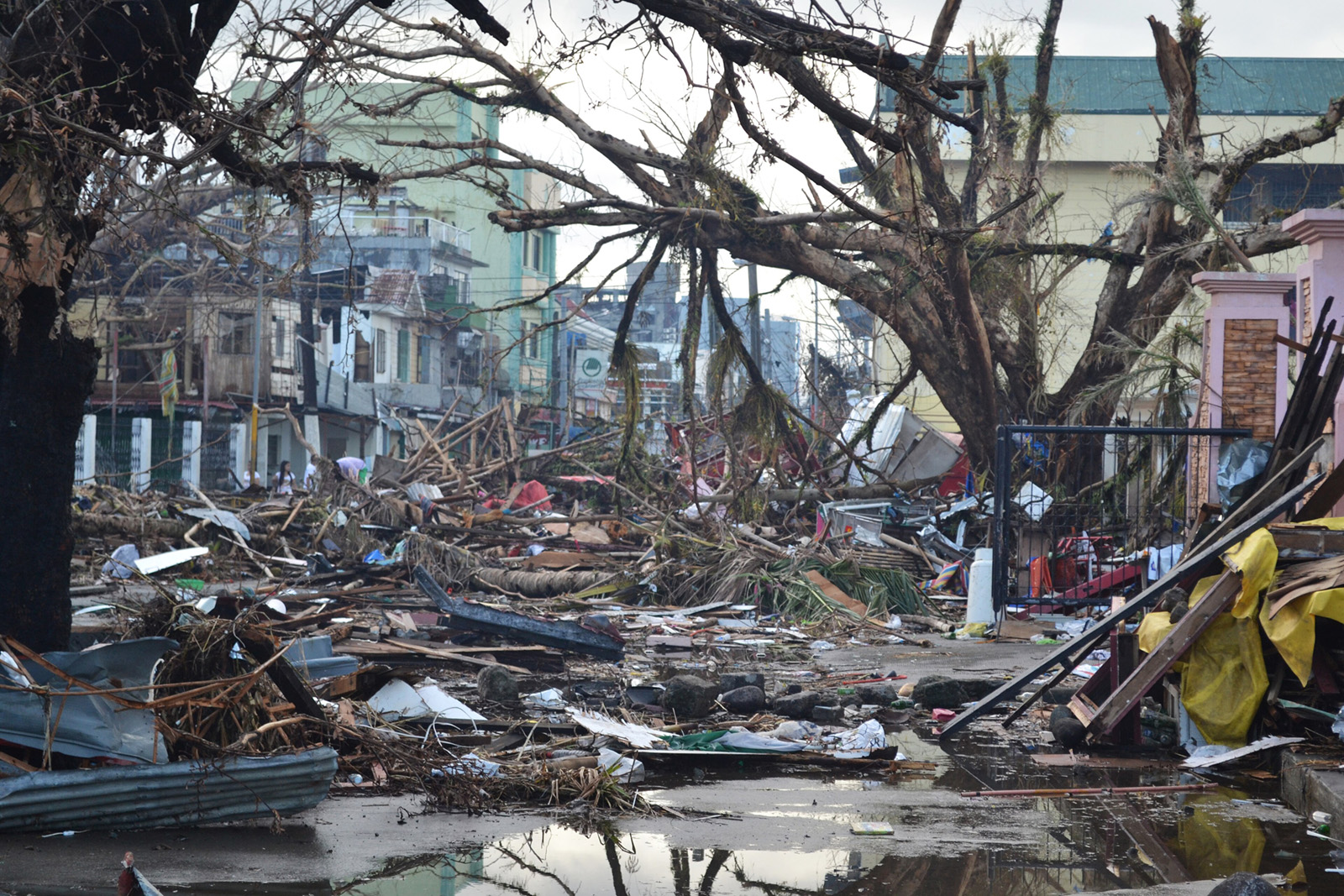
Laura Southgate finds that democracy alone does not consistently reduce disaster impacts across Southeast Asia. A clearer pattern concerns administrative capacity and whether governments can turn political decisions into coordinated action when hazards place institutions under pressure
NATO’s Article 3 requires members 'to maintain and develop their individual and collective capacity to resist armed attack.' This includes psychological resistance and the involvement of civil resources and civil actors. Oscar Larsson analyses NATO's current discourse, and traces its evolution, to reveal the shift in vocabulary from civil defence to resilience
We use necessary cookies to make our site work. We'd also like to set analytics cookies that help us make improvements by measuring how you use the site. These will be set only if you accept.
▼
Strictly Necessary Cookies
Necessary cookies enable core functionality such as security, network management, and accessibility. You may disable these by changing your browser settings, but this may affect how the website functions.
▼
Analytics Cookies
Google Analytics
We'd like to set Google Analytics cookies to help us improve our website by collecting and reporting information on how you use it. The cookies collect information in a way that does not directly identify anyone. For more information on how these cookies work please see our Privacy Notice.