Manès Weisskircher
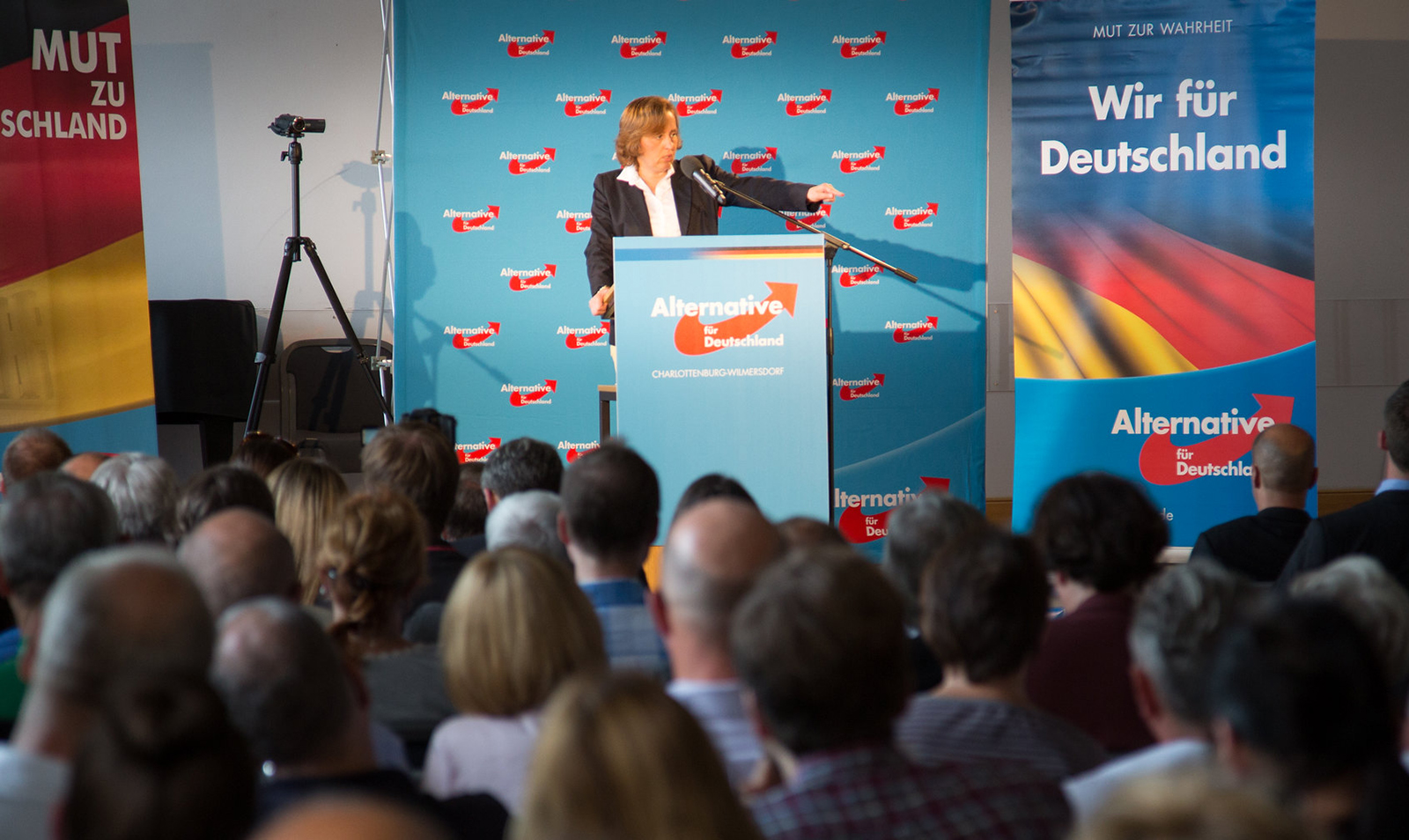
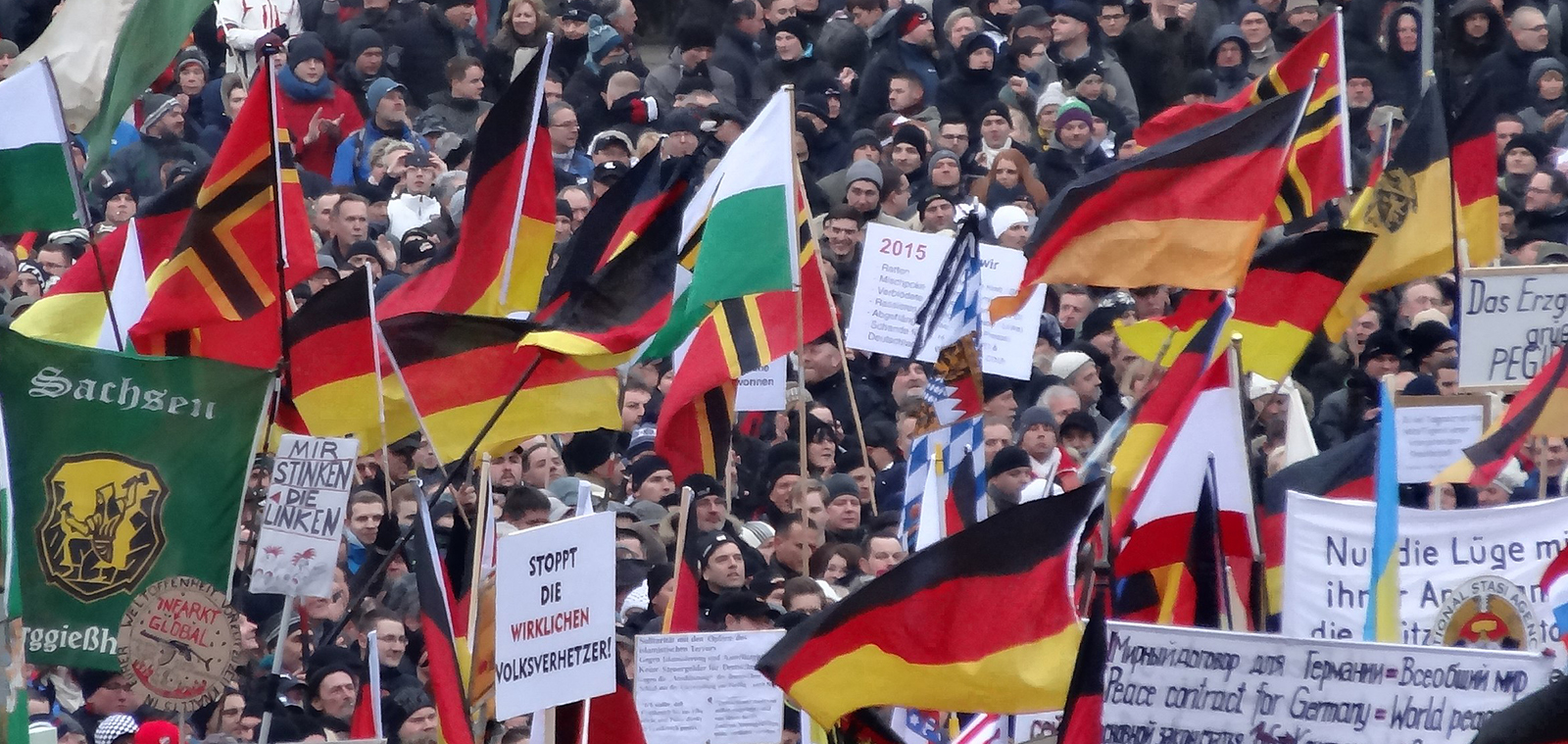
Alternative für Deutschland is not expected to make gains at this Sunday’s general election in Germany, yet it is essential to scrutinise the party’s strongholds, writes Manès Weisskircher. AfD’s strength in the east is not just relevant for the party's future. It may also shape German politics in the medium term Read more
Michael Keating
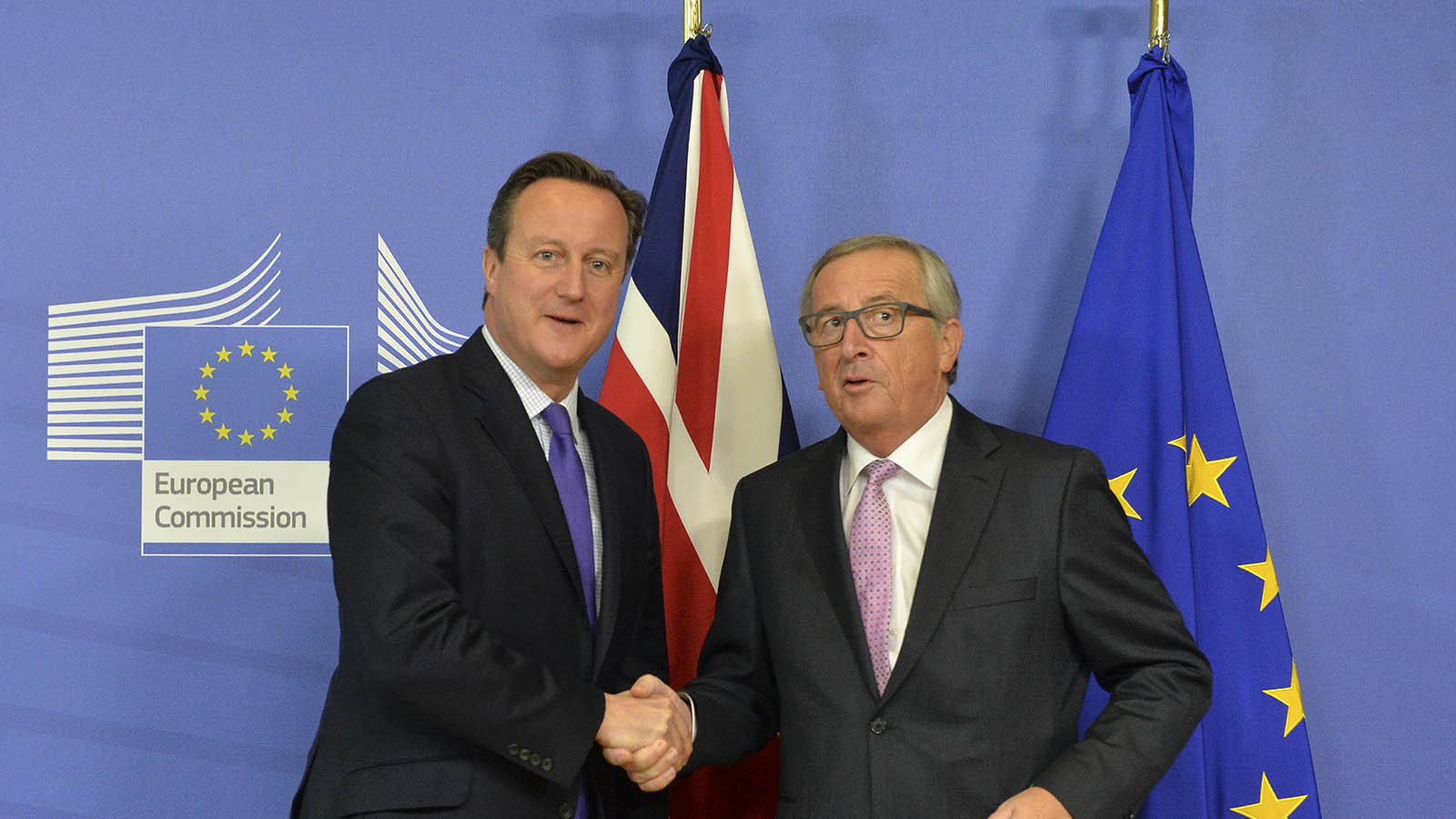
The United Kingdom has left the European Union in order to restore its national sovereignty. Yet the cost may be the break up of the UK itself, writes Michael Keating Read more
Léonie De Jonge
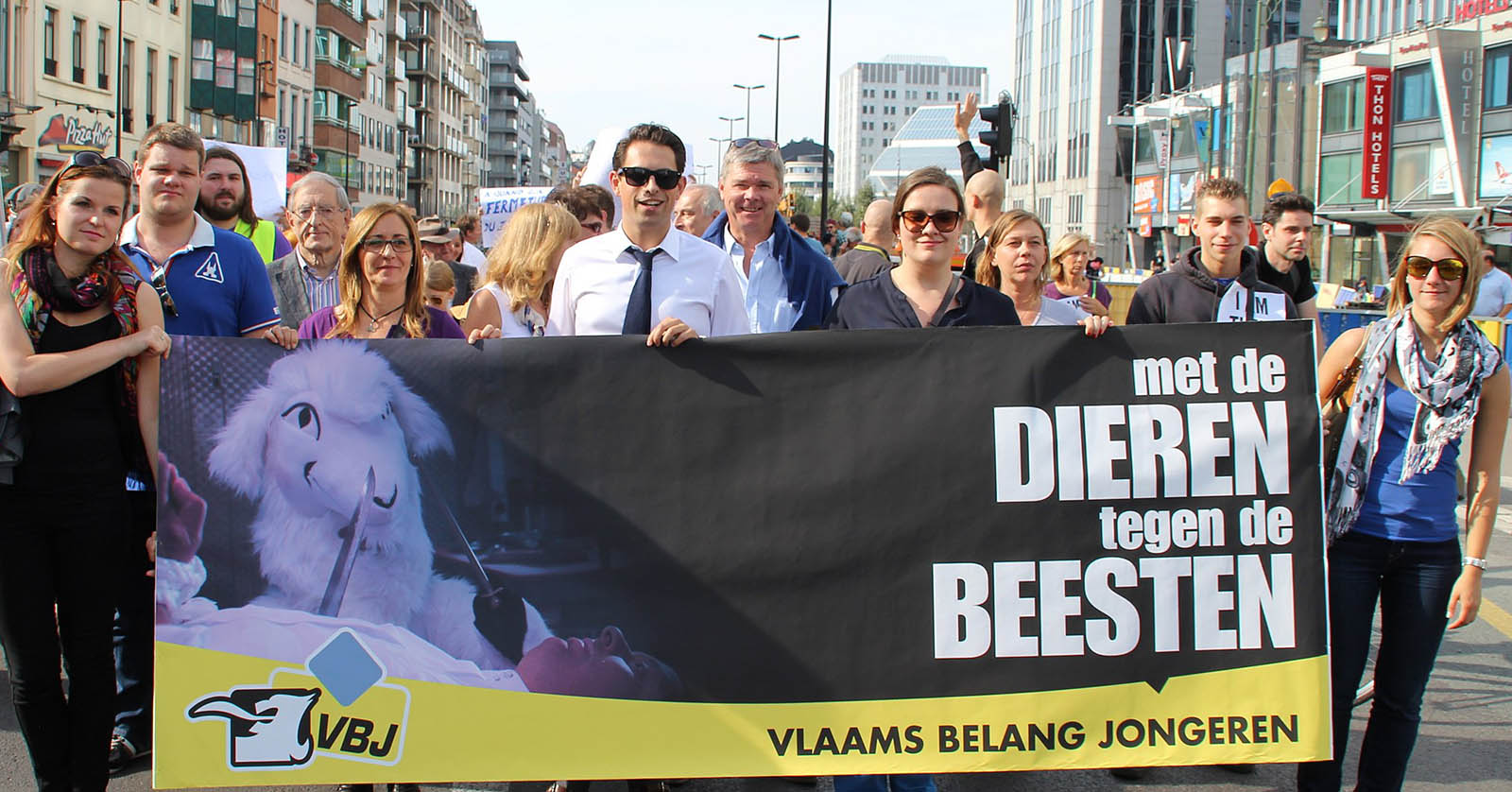
Right-wing populism is not contagious; it only spreads if mainstream parties and the media diffuse it. This helps explain why right-wing populist parties are more successful in the Netherlands and Flanders than in Luxembourg and Wallonia, writes Léonie de Jonge Read more
Andrew S. Roe-Crines
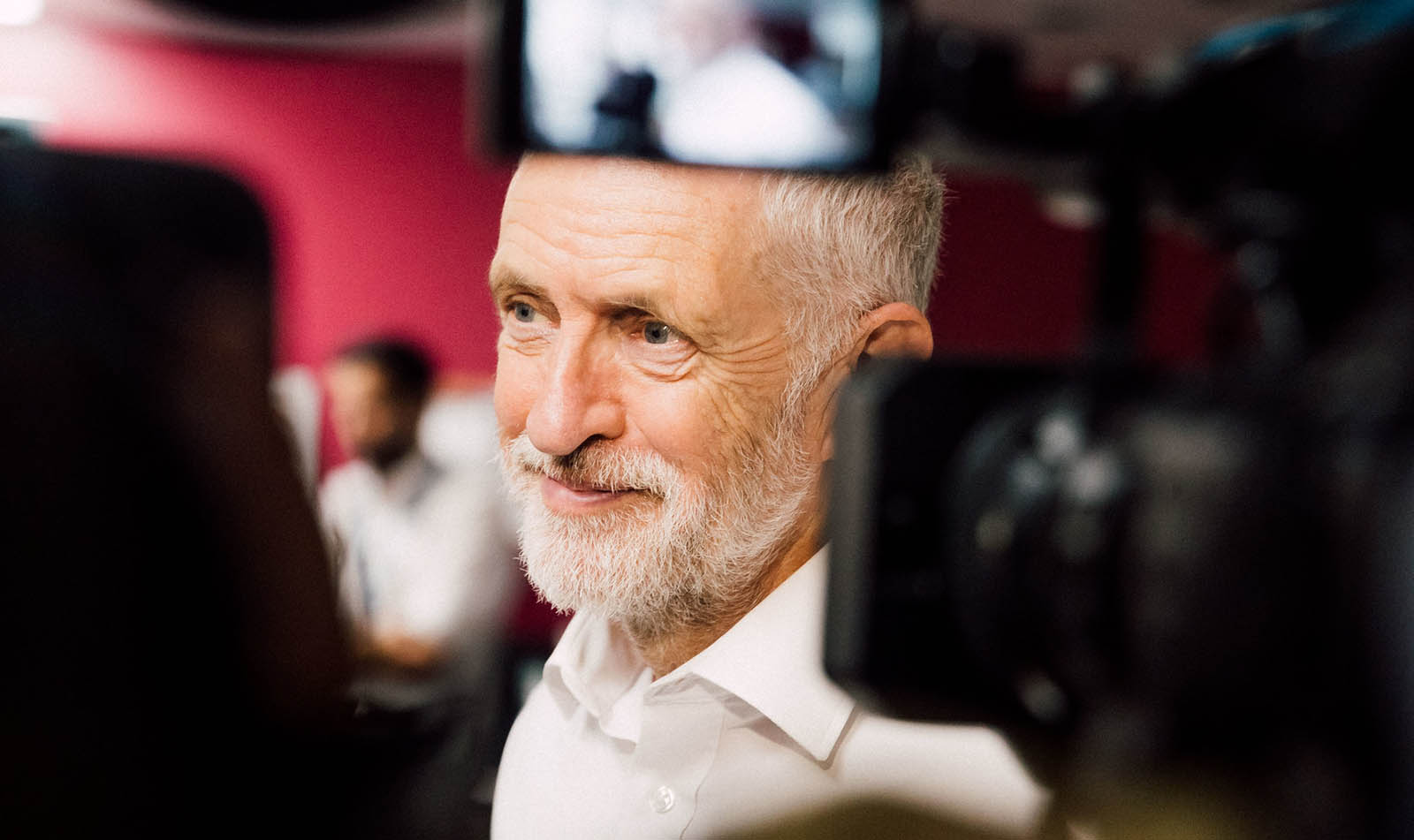
According to one’s personal perspective, Jeremy Corbyn’s leadership either wrecked the Labour Party, or came close to saving it. But where does ‘Corbynism’ stand now under new leader Keir Starmer? Andrew S. Roe-Crines argues that it is entrenched in a longstanding historical debate about what Labour stands for Read more
Constance Woollen
British politics has, traditionally, been divided along straightforward left-right lines. But Brexit disrupted this pattern, creating opportunities for a ‘European integration dimension’ to take hold, argues Connie Woollen. The deep rifts in public opinion, within parties and in Parliament, could dramatically reshape British electoral politics Read more
Sabine Volk
Actors from across the political spectrum, including the populist far right, have voiced concerns about safeguarding democracy amid the coronacrisis, writes Sabine Volk. But their different understandings of democracy reveal Germany’s political polarisation, rather than its unity Read more
Will Jennings
Prime Minister Boris Johnson is committed to a politics of ‘levelling up’ as the defining ambition of his government. Will Jennings, Lawrence McKay and Gerry Stoker argue that this may prove to be a long-lasting policy agenda, albeit one more of symbolism than substance Read more
Andrés Santana
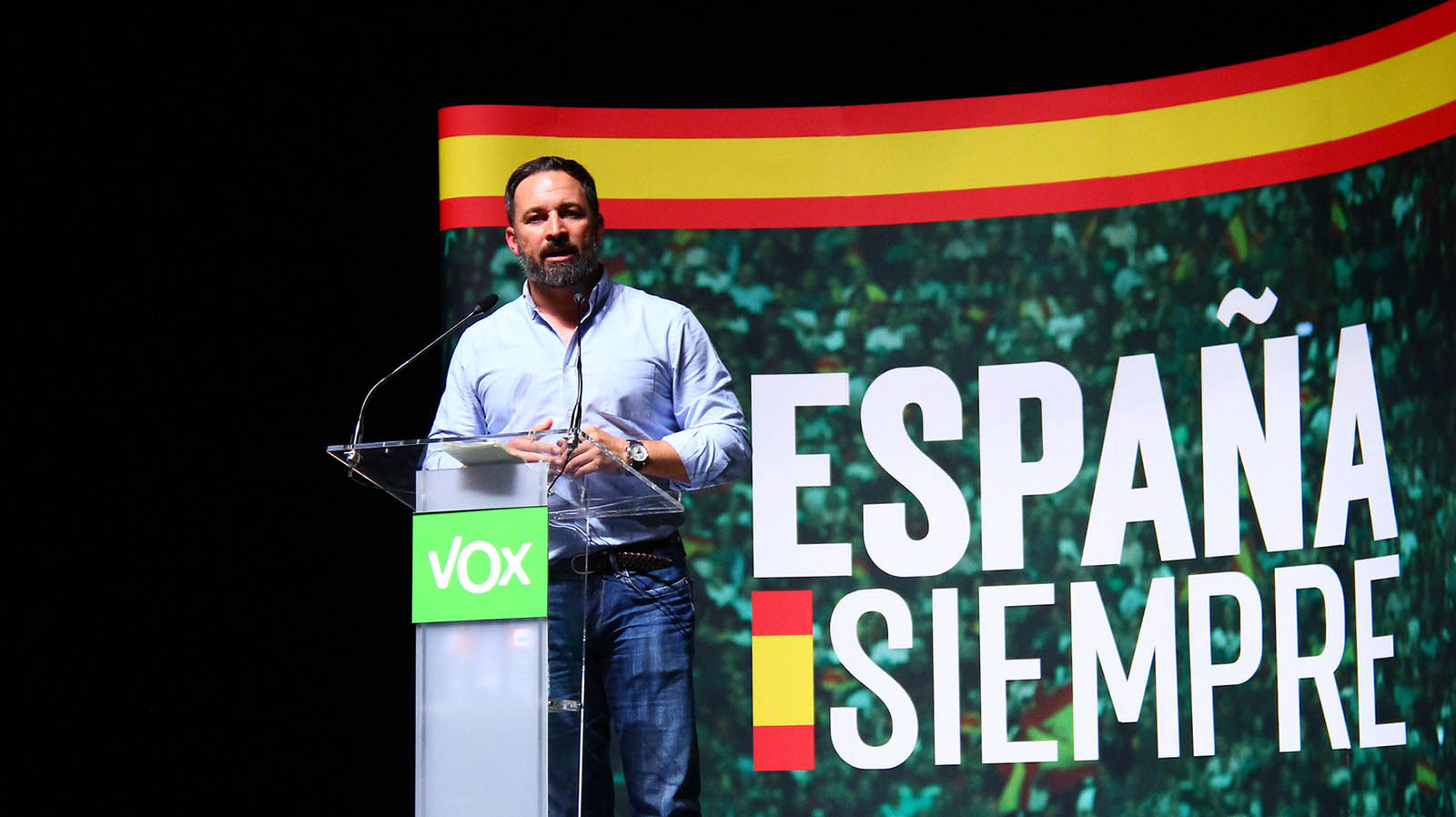
VOX has grown to become the third-largest political party in Spain. Its success means the country can no longer claim to be untouched by the rise of the European populist radical right, argue Andrés Santana, Lisa Zanotti, José Rama and Stuart Turnbull-Dugarte Read more
We use necessary cookies to make our site work. We'd also like to set analytics cookies that help us make improvements by measuring how you use the site. These will be set only if you accept.
▼
Strictly Necessary Cookies
Necessary cookies enable core functionality such as security, network management, and accessibility. You may disable these by changing your browser settings, but this may affect how the website functions.
▼
Analytics Cookies
Google Analytics
We'd like to set Google Analytics cookies to help us improve our website by collecting and reporting information on how you use it. The cookies collect information in a way that does not directly identify anyone. For more information on how these cookies work please see our Privacy Notice.