Pavlos Vasilopoulos
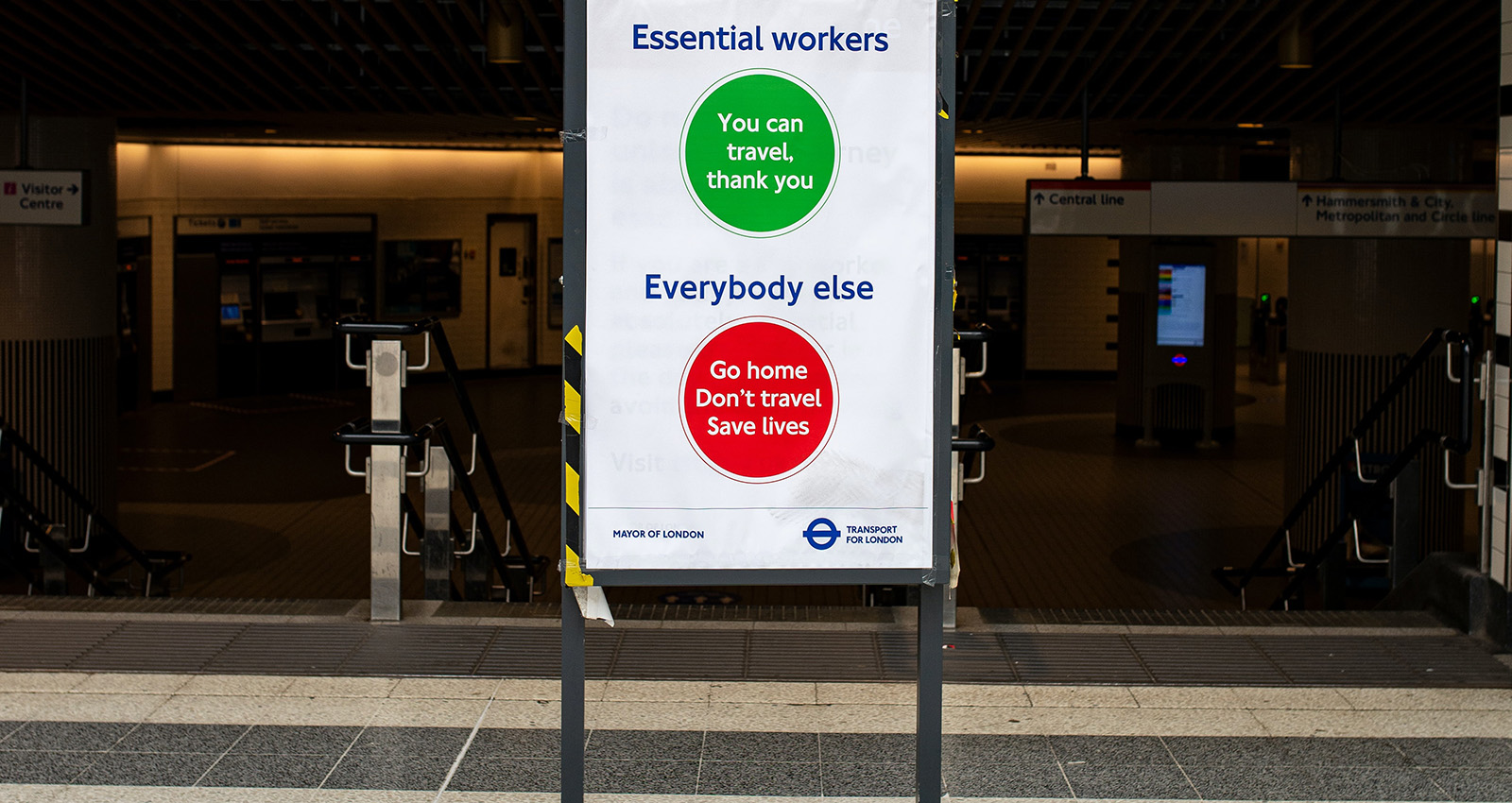
In research monitoring public attitudes during the Covid-19 pandemic, Pavlos Vasilopoulos, Haley McAvay, Sylvain Brouard, and Martial Foucault found that public commitment to civil liberties is highly volatile, especially when fear prevails. This, they argue, should worry proponents of democracy Restriction of civil liberties under Covid The Covid-19 pandemic brought unprecedented restrictions to civil liberties […] Read more
Anwen Elias
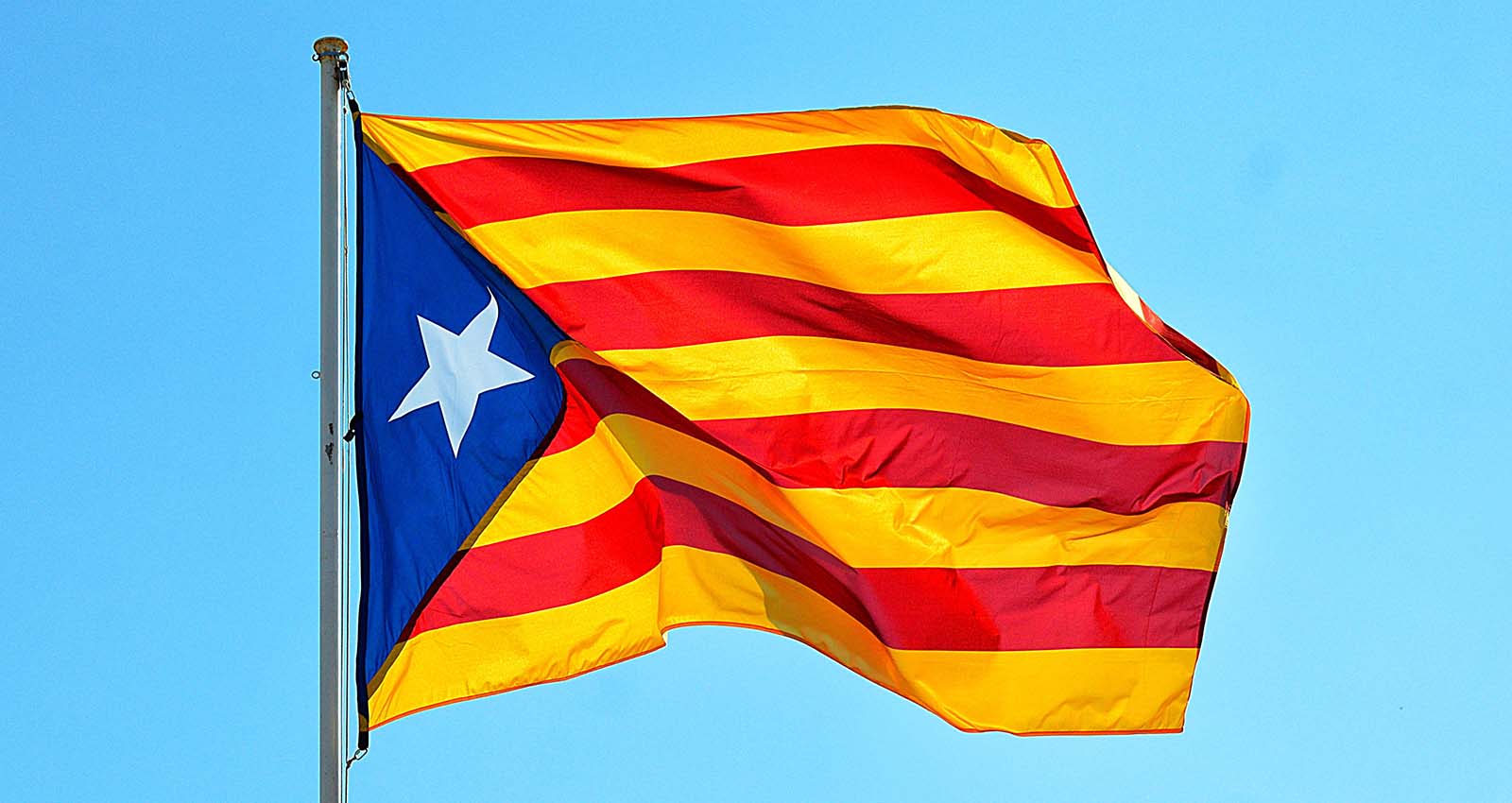
Many assume that pro-independence parties want their own state because they believe the state has treated their territory unfairly. Anwen Elias and Núria Franco-Guillén argue that Catalan independentists also want independence to improve democracy and create a fairer, more prosperous society Read more
Simon Weschle
The UK government is embroiled in a sleaze scandal after a Conservative Member of Parliament was found to have lobbied for a company in which he held a second job. Simon Weschle argues that these jobs have systematic consequences for how legislators behave in parliament — some problematic, some not Read more
Giovanni Capoccia
Giovanni Capoccia argues that the 2022 French Presidential elections could constitute a greater threat to the EU than any current challenge. Although unlikely at present, a Eurosceptic French President would precipitate the greatest crisis in the EU’s history – and there is still much to play for Read more
Tim Bale
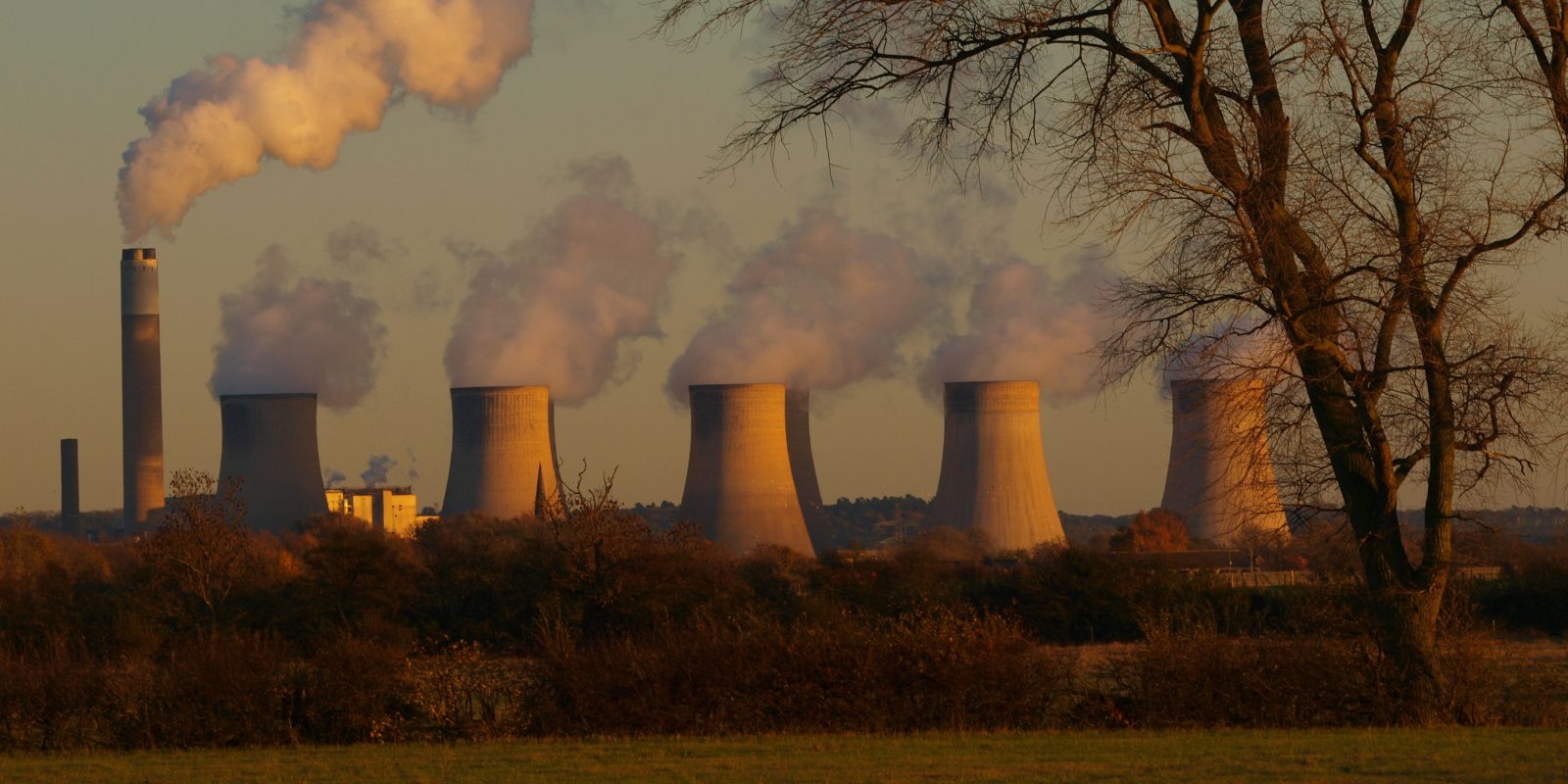
The UK may be in the limelight at COP26, with the government having set highly ambitious targets for net zero by 2050. But, Tim Bale argues, evidence suggests that parts of the British electorate – largely Tory supporters – may be sceptical about the merits of the policy Read more
Richard Rose
Using hands-on methods to diagnose the democratic body politic can identify parts that consistently function as they should and which intermittently don’t work, writes Richard Rose. This knowledge can lead to more effective remedies for intermittent ailments. It also guards against predicting the death of democracy from chronic disabilities that can be managed Read more
Raul Gomez
Decades of secularisation have not done away with the influence of religion on party choice in Western Europe. To understand this, argues Raul Gomez, we need to look at how parties mobilised religion in the past, and how that still lingers among voters today Read more
Femke van Esch
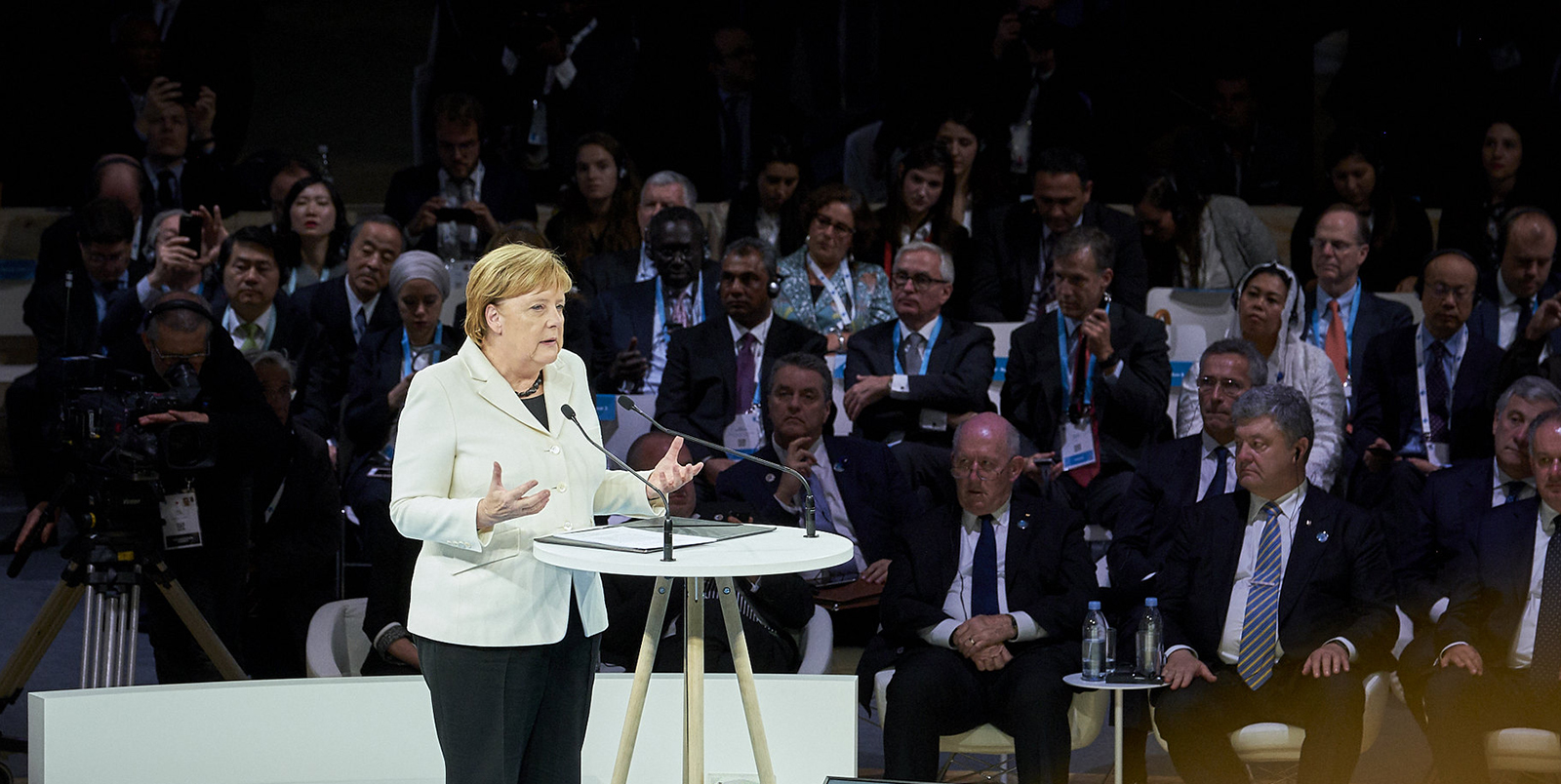
After sixteen years at the helm, German Chancellor Angela Merkel is leaving office. While political observers often predicted her demise, at the end of her fourth term Merkel is at the height of her popularity. Using the Leadership Capital Index, Femke van Esch explains why Read more
We use necessary cookies to make our site work. We'd also like to set analytics cookies that help us make improvements by measuring how you use the site. These will be set only if you accept.
▼
Strictly Necessary Cookies
Necessary cookies enable core functionality such as security, network management, and accessibility. You may disable these by changing your browser settings, but this may affect how the website functions.
▼
Analytics Cookies
Google Analytics
We'd like to set Google Analytics cookies to help us improve our website by collecting and reporting information on how you use it. The cookies collect information in a way that does not directly identify anyone. For more information on how these cookies work please see our Privacy Notice.