Ana Tereza Duarte Lima de Barros
Political terms such as communist, fascist, and populist have become so elastic that they end up losing their analytical precision and meaning, write Ana Tereza Duarte Lima de Barros and Jorge Henrique Oliveira Gomes. It is our responsibility to use them with accuracy Read more
Görkem Altınörs
Görkem Altınörs and Ümit Akçay analyse the political economy of regime change in Turkey. The AKP's 'authoritarian fix' strategy was a response to multiple crises in the 2010s. Now, it has led to an attempt at authoritarian consolidation Read more
Michael Hameleers
Michael Hameleers explains his team's experimental results: that COVID-19 disinformation is most credible – and dangerous – when it stays close to objective facts. This in turn has implications for how disinformation can be countered. Read more
Valesca Lima
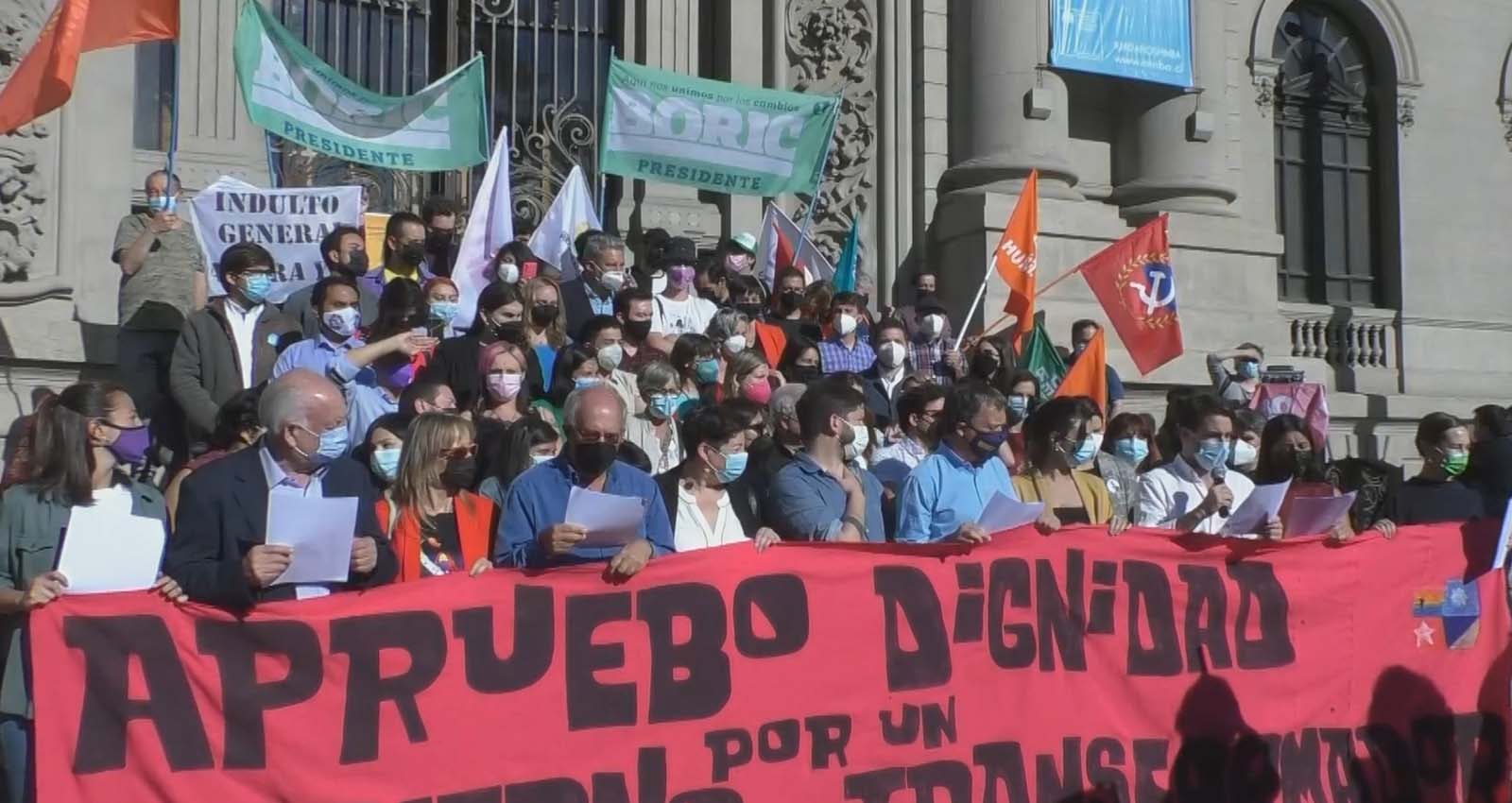
The advance of left-wing, progressive parties in Latin America is driven by the mismanagement of the pandemic, the economic crisis, and the failure of right-wing populism in the region, observes Valesca Lima Read more
Fred Paxton
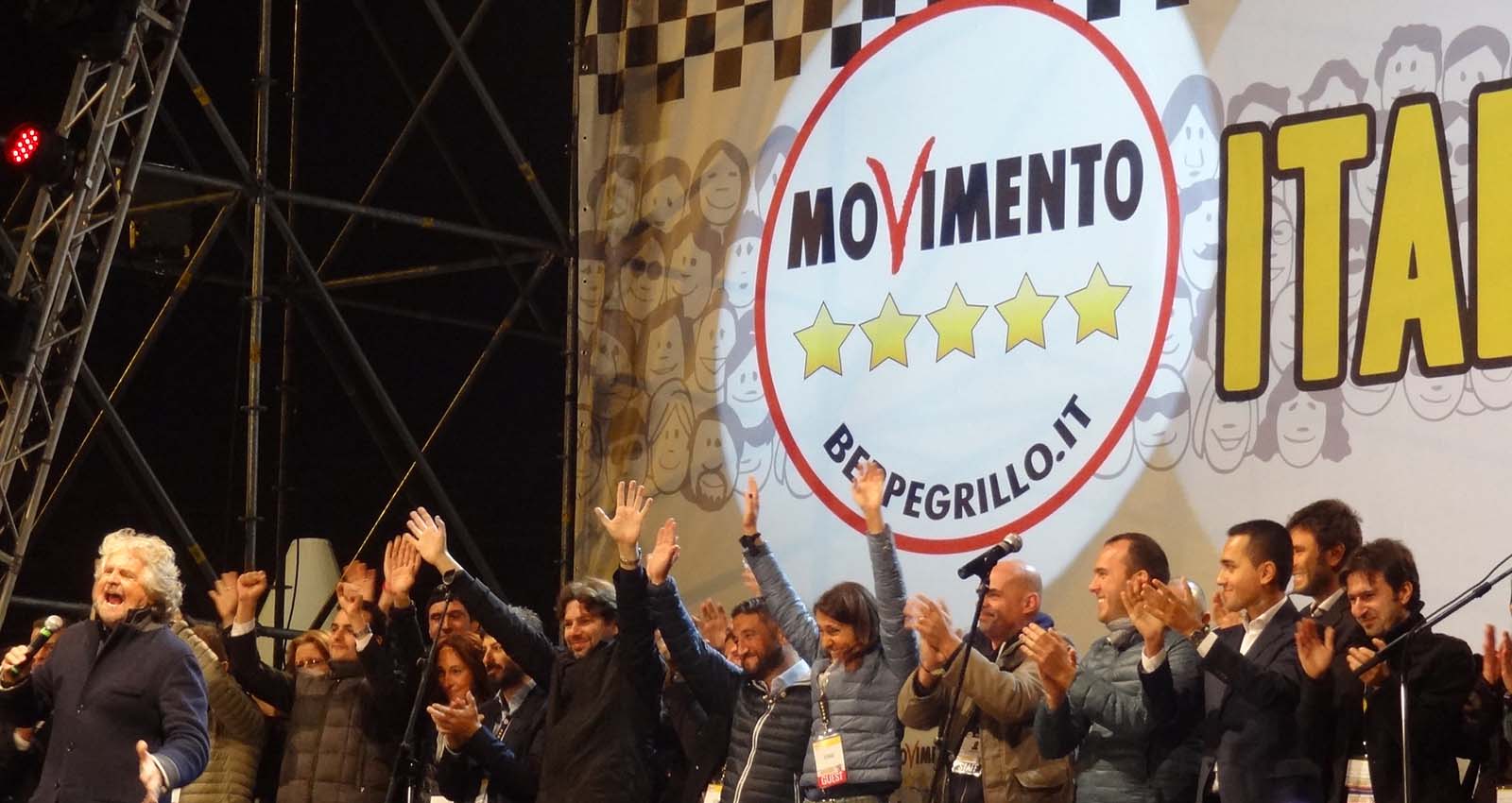
Italian populists’ focus on ‘the will of the people’ has frequently contradicted their ideological priorities towards migration, Fred Paxton and Andrea Pettrachin find. The perception of local attitudes to immigration and issue salience are the determining factors in how populists in local government make their decisions Read more
Rongxin Li
China has adopted a zero-case approach to the coronacrisis. But, writes Rongxin Li, China’s policies, while claiming to be in the interests of its citizens, show a lack of democratic anchoring, sacrificing civil rights and procedural justice Read more
Philipp Lutz
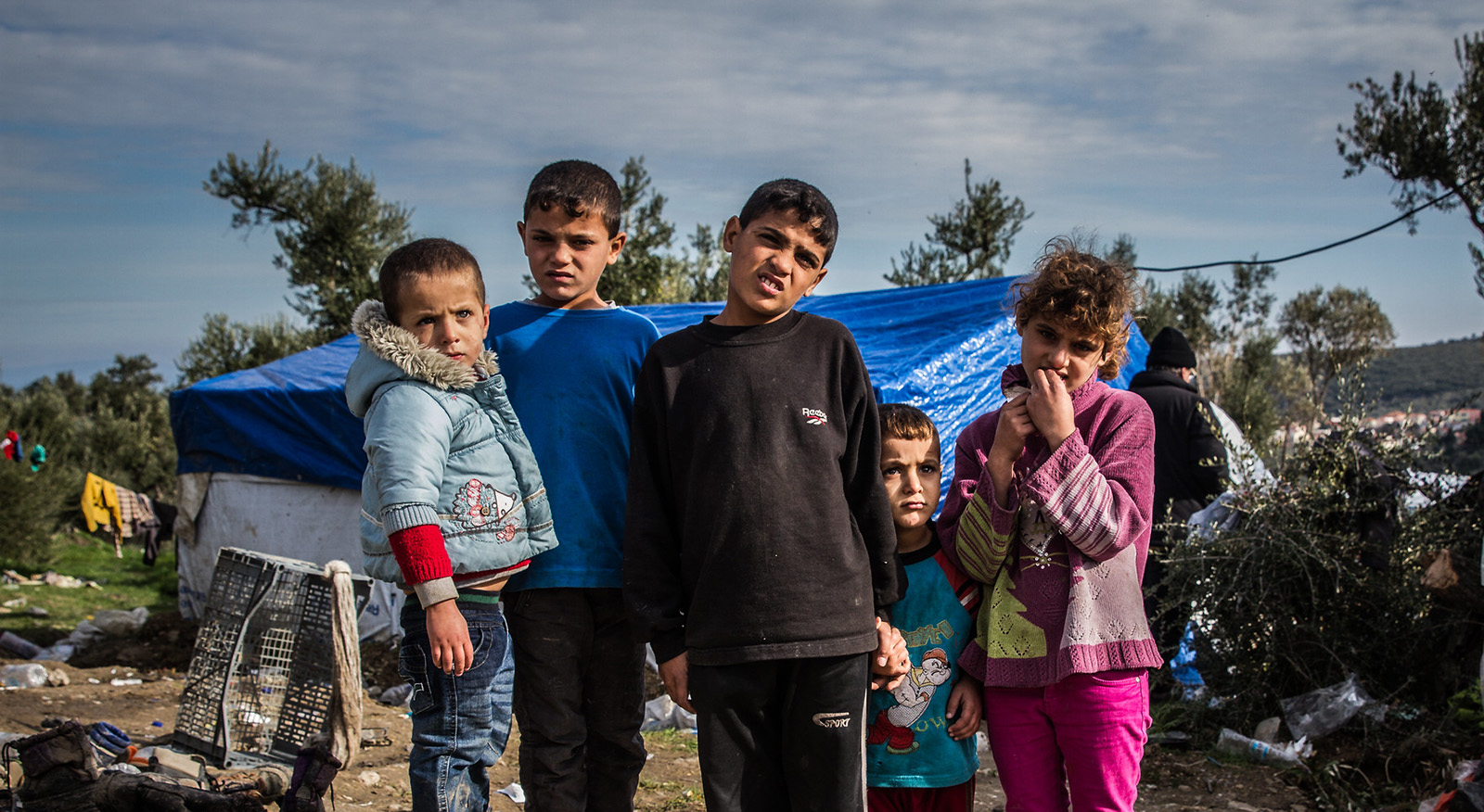
Western countries repeatedly point to resettlement – the organised transfer of refugees to a safe third country – as a solution to persistent humanitarian crises. Yet, Philipp Lutz and Lea Portmann show how such resettlement can, paradoxically, be a way for states to legitimise limiting access to humanitarian protection Read more
Kai Oppermann
Post-Brexit, support for EU referendums persists in the party systems of most EU member states. Kai Oppermann finds that this support mainly comes from Eurosceptic opposition parties, often on the populist far-right, and that the Brexit effect on party positions has been relatively weak and uneven Read more
We use necessary cookies to make our site work. We'd also like to set analytics cookies that help us make improvements by measuring how you use the site. These will be set only if you accept.
▼
Strictly Necessary Cookies
Necessary cookies enable core functionality such as security, network management, and accessibility. You may disable these by changing your browser settings, but this may affect how the website functions.
▼
Analytics Cookies
Google Analytics
We'd like to set Google Analytics cookies to help us improve our website by collecting and reporting information on how you use it. The cookies collect information in a way that does not directly identify anyone. For more information on how these cookies work please see our Privacy Notice.