Hugo Bonin
Drawing on a systematic review of 2,401 scientific articles, Hugo Bonin shows how 'liberal democracy' has shifted from a contested analytical concept to a defensive catchphrase. The more the term circulates, the less scholars are examining it. But examining the term is crucial for how we think about democracy's future Read more
Lorenzo De Sio
Western democracies' responsiveness machinery has been quietly dismantled. To repair the representative disconnect, says Lorenzo De Sio, we must first understand precisely what is broken Read more
David Pimenta
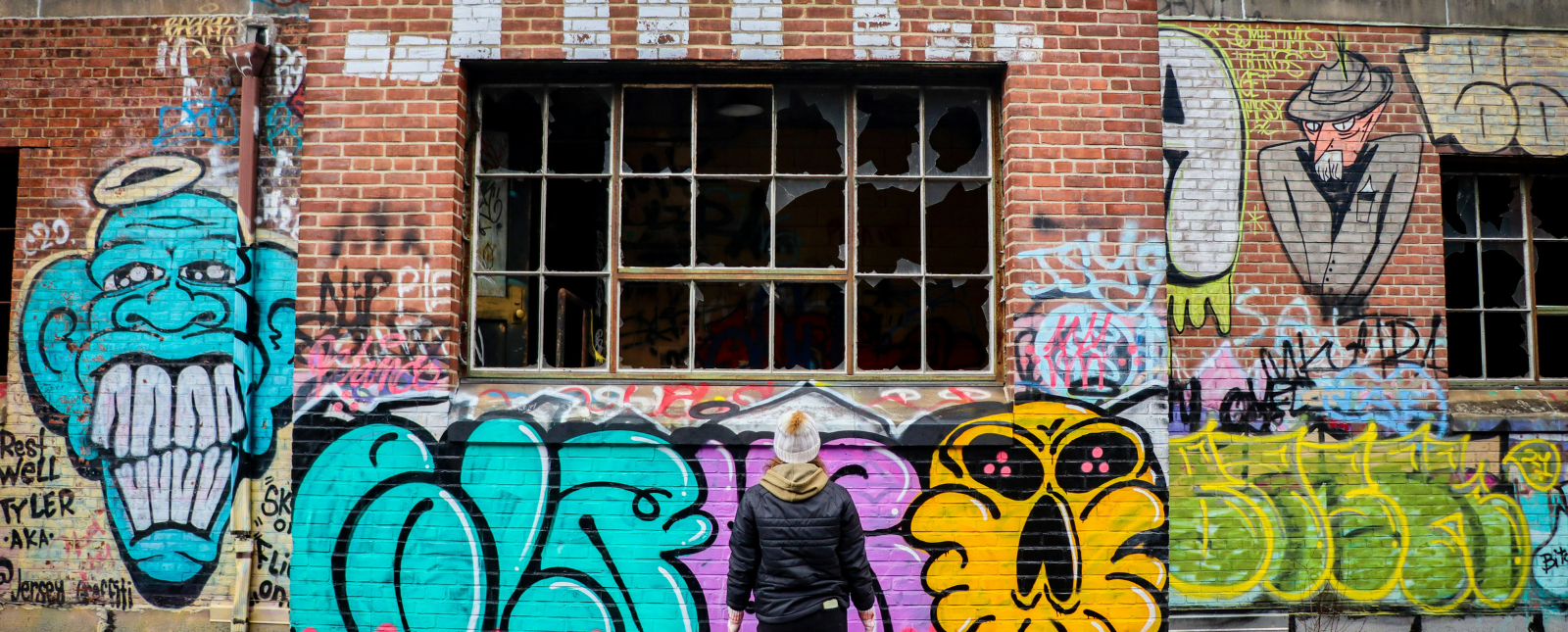
David Pimenta argues that the logic behind the 'broken windows' theory – that visible disorder encourages crime – is still with us. Today, however, it has been transformed and absorbed into contemporary illiberal populism, where cultural breakdown plays a central role in mobilising support and reshaping debates about authority and liberal democracy Read more
Regina Queiroz
The collapse of liberal democracy is often misunderstood. Regina Queiroz argues that a libertarian-conservative model has displaced liberal democracy's endorsement of popular sovereignty. Driven by re-regulation, liberalisation, and privatisation, this model prioritises market logic over social cohesion. From Portugal’s housing crisis to national populism, the author explores this ideological shift Read more
Matthew E Bergman
Matthew E Bergman reveals how so-called valence populism (populism focused on competence and good governance rather than ideology) has a potential electoral disadvantage. While non-ideological messages that focus on good governance may broaden electoral appeal, lacking an ideological core can also cost votes. The fortunes of Italy’s Five-Star Movement offer a cautionary tale Read more
Karl Pike
A distinct centrism which goes ‘beyond’ left and right remains elusive, argues Karl Pike. Centrists act as a managers of an ideological context shaped by existing ideologies of left and right, moderate and extreme Read more
Gülşen Doğan
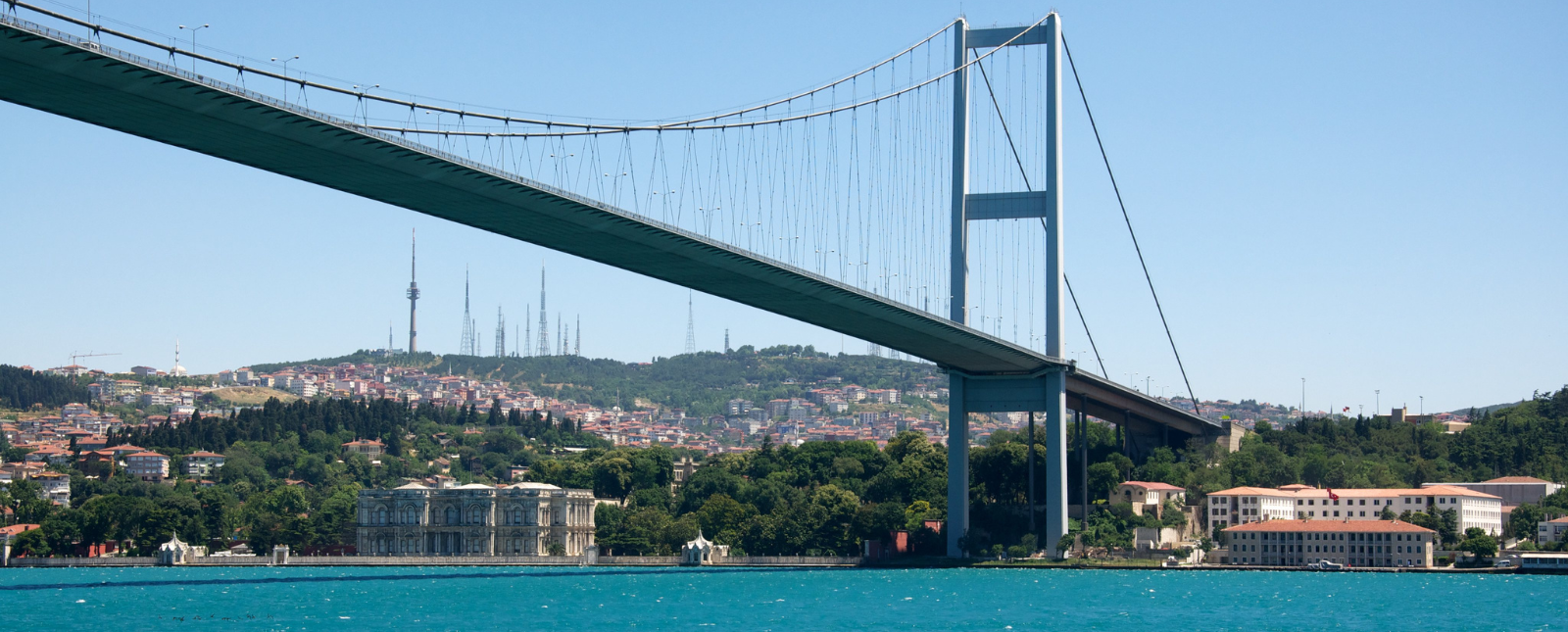
Gülşen Doğan argues that Türkiye’s long crisis reveals a new way of governing that stretches liberal rules without fully abandoning them. Cities like Istanbul can keep democratic options alive even as national politics turns in a more authoritarian direction Read more
Paul D. Kenny
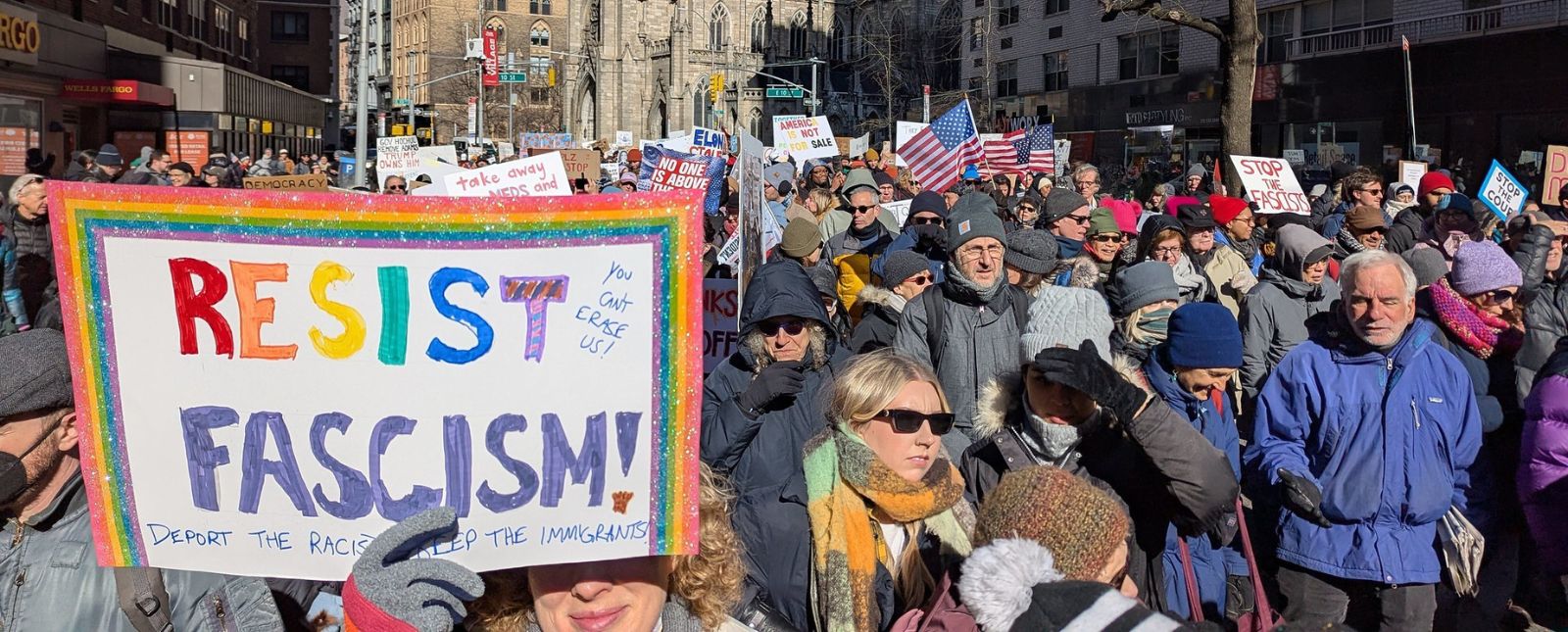
People are talking more and more about fascism, and often confusing it with populism. Paul D. Kenny argues that we need to understand how fascism stands out. It has never been just a matter of words or beliefs. It is a leader-centred cult that uses violence to eliminate opposition Read more
We use necessary cookies to make our site work. We'd also like to set analytics cookies that help us make improvements by measuring how you use the site. These will be set only if you accept.
▼
Strictly Necessary Cookies
Necessary cookies enable core functionality such as security, network management, and accessibility. You may disable these by changing your browser settings, but this may affect how the website functions.
▼
Analytics Cookies
Google Analytics
We'd like to set Google Analytics cookies to help us improve our website by collecting and reporting information on how you use it. The cookies collect information in a way that does not directly identify anyone. For more information on how these cookies work please see our Privacy Notice.