Hannah Muzee
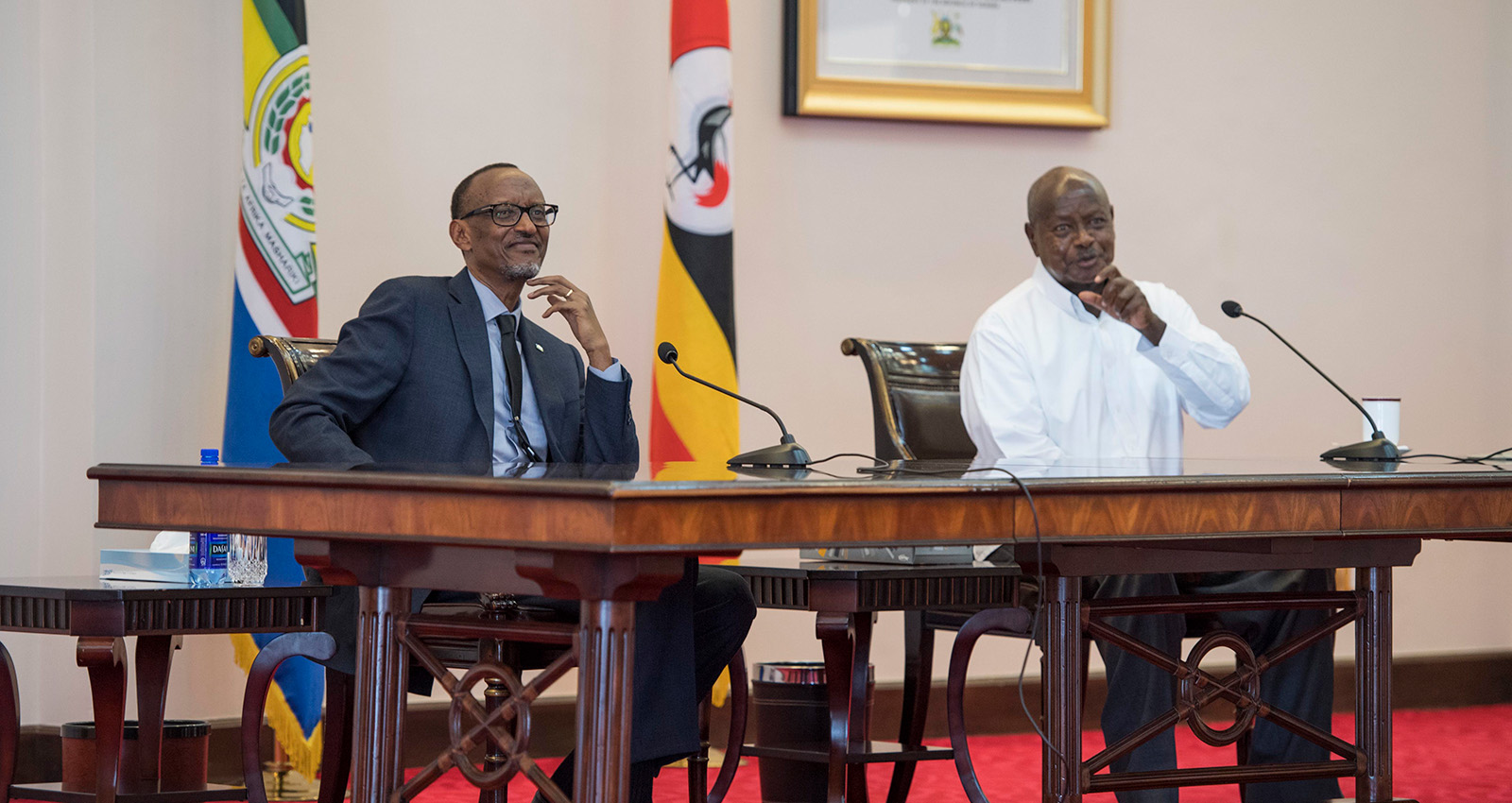
The new democratically oriented regimes that emerged in Rwanda and Uganda after the 1980s aspired to overcome postcolonial sectarianism. Those aspirations now appear largely to have receded, argue Hannah Muzee and Femi Mimiko, as both regimes have drifted into personalised politics and illiberal practices Read more
Kinga Korányi
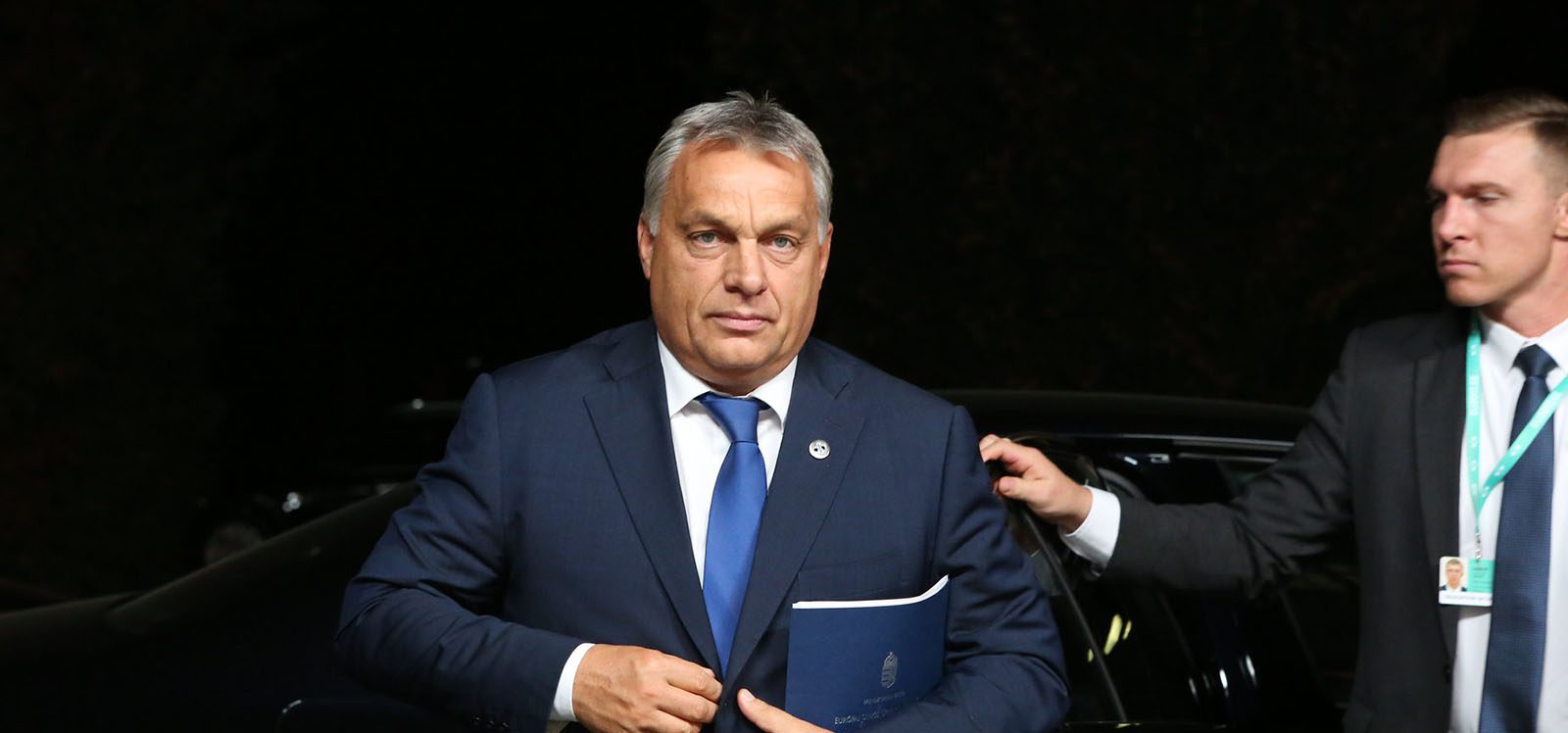
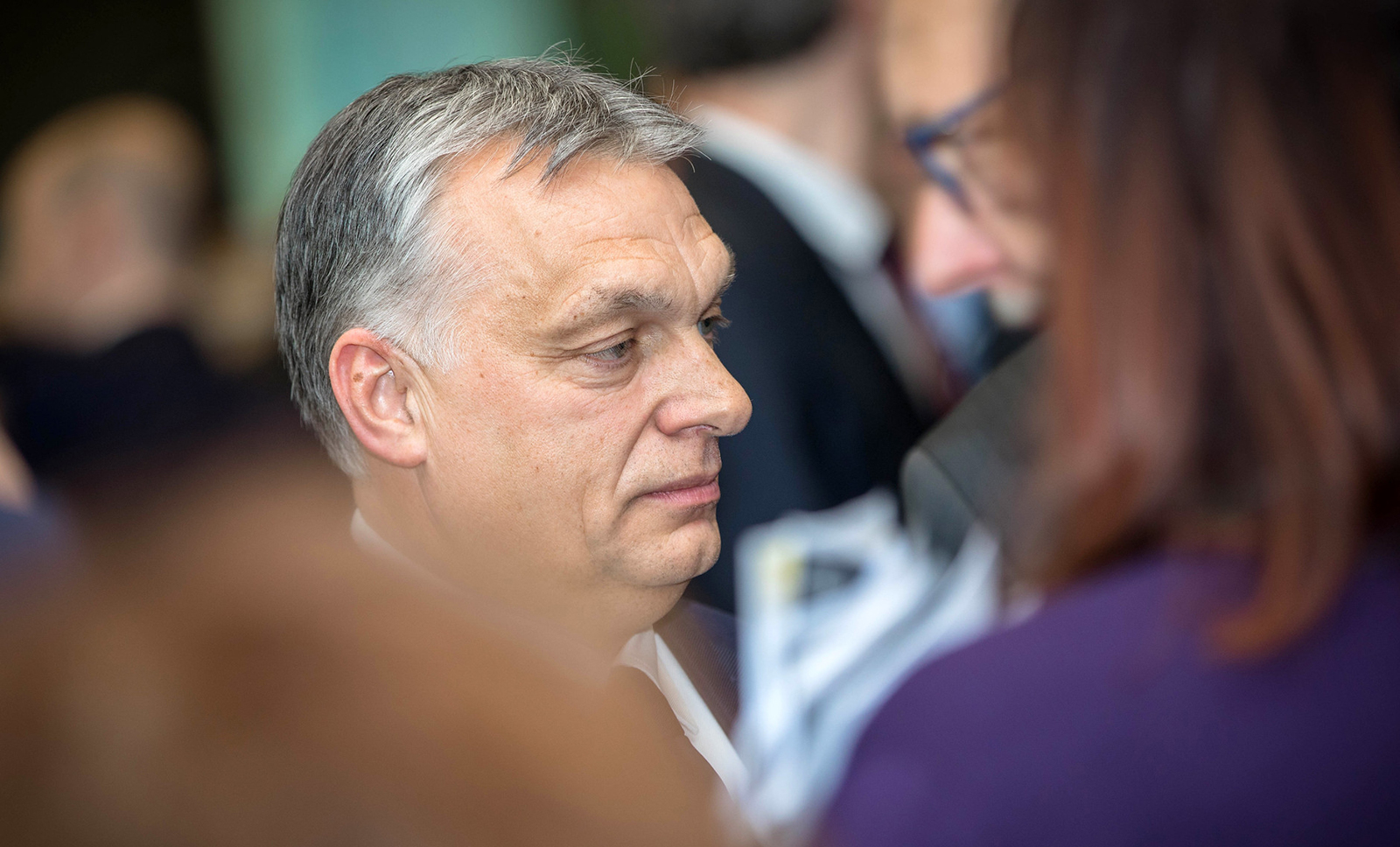
Viktor Orbán has just emerged victorious in the Hungarian national election of 3 April, despite his pro-Russian stance and friendship with Vladimir Putin, which had been expected to tarnish his party Fidesz’s popularity. Kinga Koranyi argues that Fidesz managed to turn its response to the war in Ukraine into a successful campaign tool Read more
Jasper T. Kauth
Not all illiberalisms are the same, argues Jasper T. Kauth. While anti-democratic, disruptive illiberalism and anti-liberal, ideological illiberalism may act simultaneously, analysing them individually will help us identify drivers of this phenomenon. Read more
Andrew Richard Ryder
Since 2010, Hungarian Prime Minister Viktor Orbán has carried through measures that have undermined the rule of law, with no prospect for changing this trajectory. However, argues Andrew Richard Ryder, current events present opportunities for a return to democratic values in Hungary Read more
João Alípio Correa
The concept of 'illiberal democracy' is well-founded, but João Alípio Correa argues that it fails to convey what is happening in regimes described as such. To gain a more incisive understanding of the current deterioration in democratic regimes, he proposes the umbrella definition 'autocratisation' Read more
Görkem Altınörs
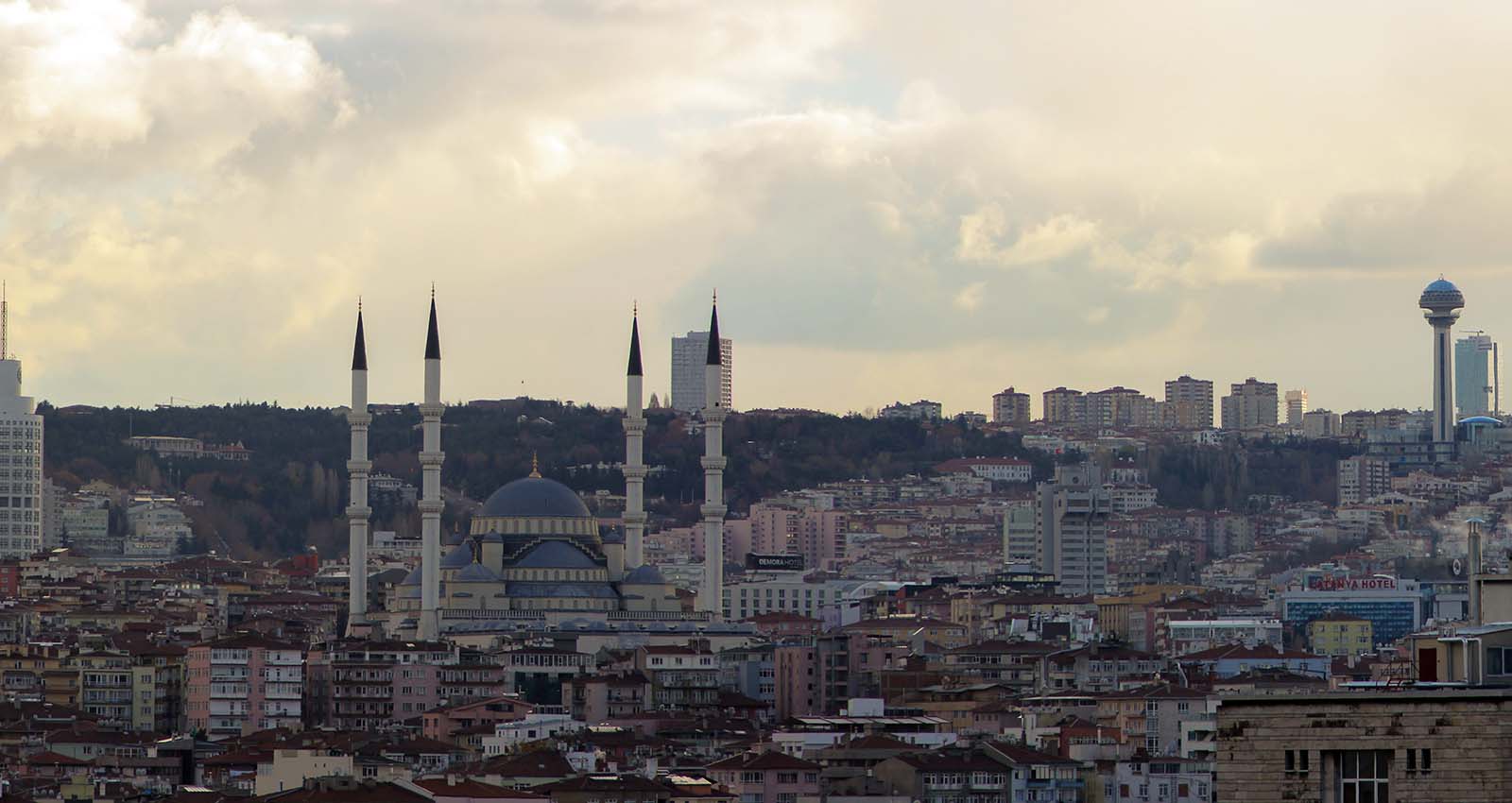
Görkem Altınörs and Ümit Akçay analyse the political economy of regime change in Turkey. The AKP's 'authoritarian fix' strategy was a response to multiple crises in the 2010s. Now, it has led to an attempt at authoritarian consolidation Read more
Damir Kapidžić
Illiberal politics are a way to understand the process by which ruling elites (mis)use democratic institutions of the state to create an electoral advantage for themselves with the aim to remain in power indefinitely. With a focus on Southeast Europe, Damir Kapidžić explains the concept's roots in institutional legacies of past regimes Read more
Soumi Banerjee
Soumi Banerjee and Rishi Jha argue that the rising wave of illiberalism is causing a shift in state-civil society relationships around the world. In contemporary India, the government often targets NGOs, resulting in the partial or complete seizure of operations Read more
We use necessary cookies to make our site work. We'd also like to set analytics cookies that help us make improvements by measuring how you use the site. These will be set only if you accept.
▼
Strictly Necessary Cookies
Necessary cookies enable core functionality such as security, network management, and accessibility. You may disable these by changing your browser settings, but this may affect how the website functions.
▼
Analytics Cookies
Google Analytics
We'd like to set Google Analytics cookies to help us improve our website by collecting and reporting information on how you use it. The cookies collect information in a way that does not directly identify anyone. For more information on how these cookies work please see our Privacy Notice.