Łukasz Wordliczek
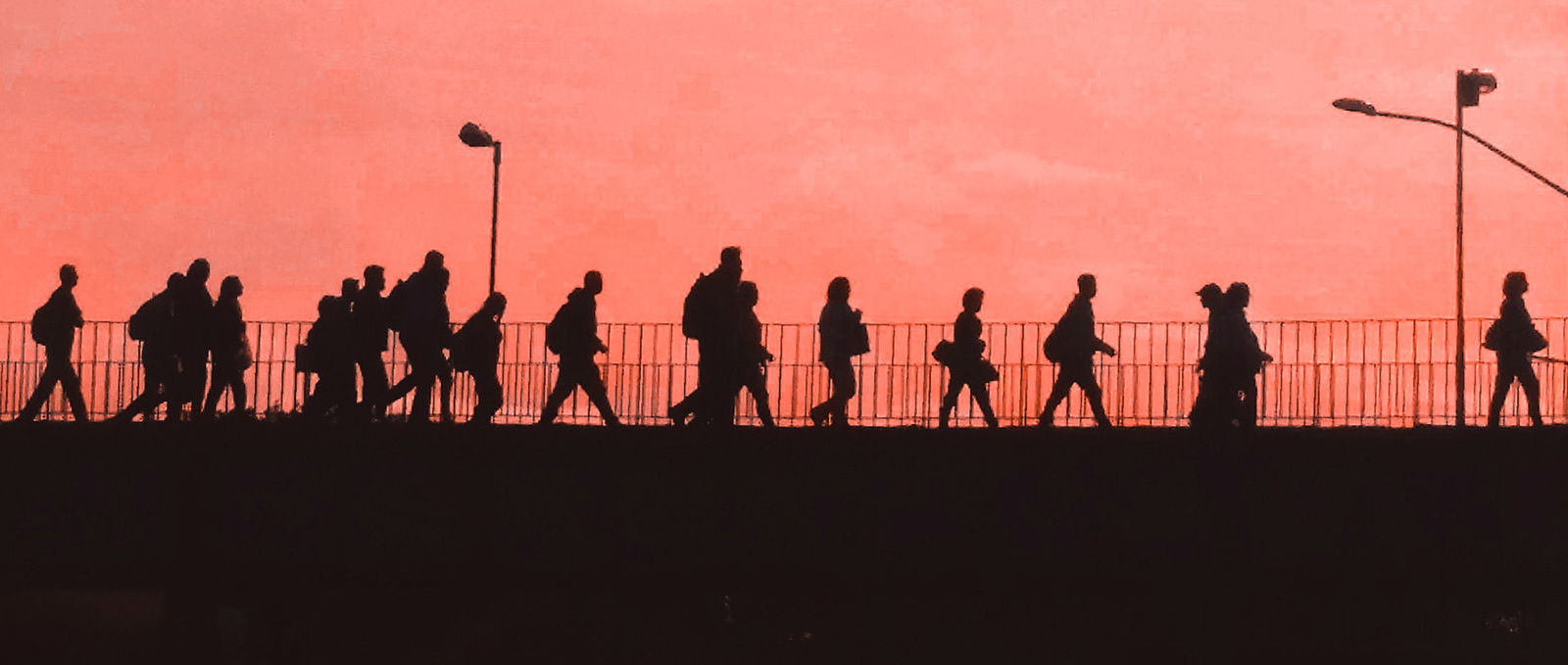
Democratic malaise, deconsolidation, backsliding, illiberalism, decline, erosion, rupture, decay, or simply: crisis. This 'conceptual bazaar' shows that democracy does not necessarily keep up with today’s challenges. Łukasz Wordliczek suggests three possible remedies Read more
Gabriela Patricia García García
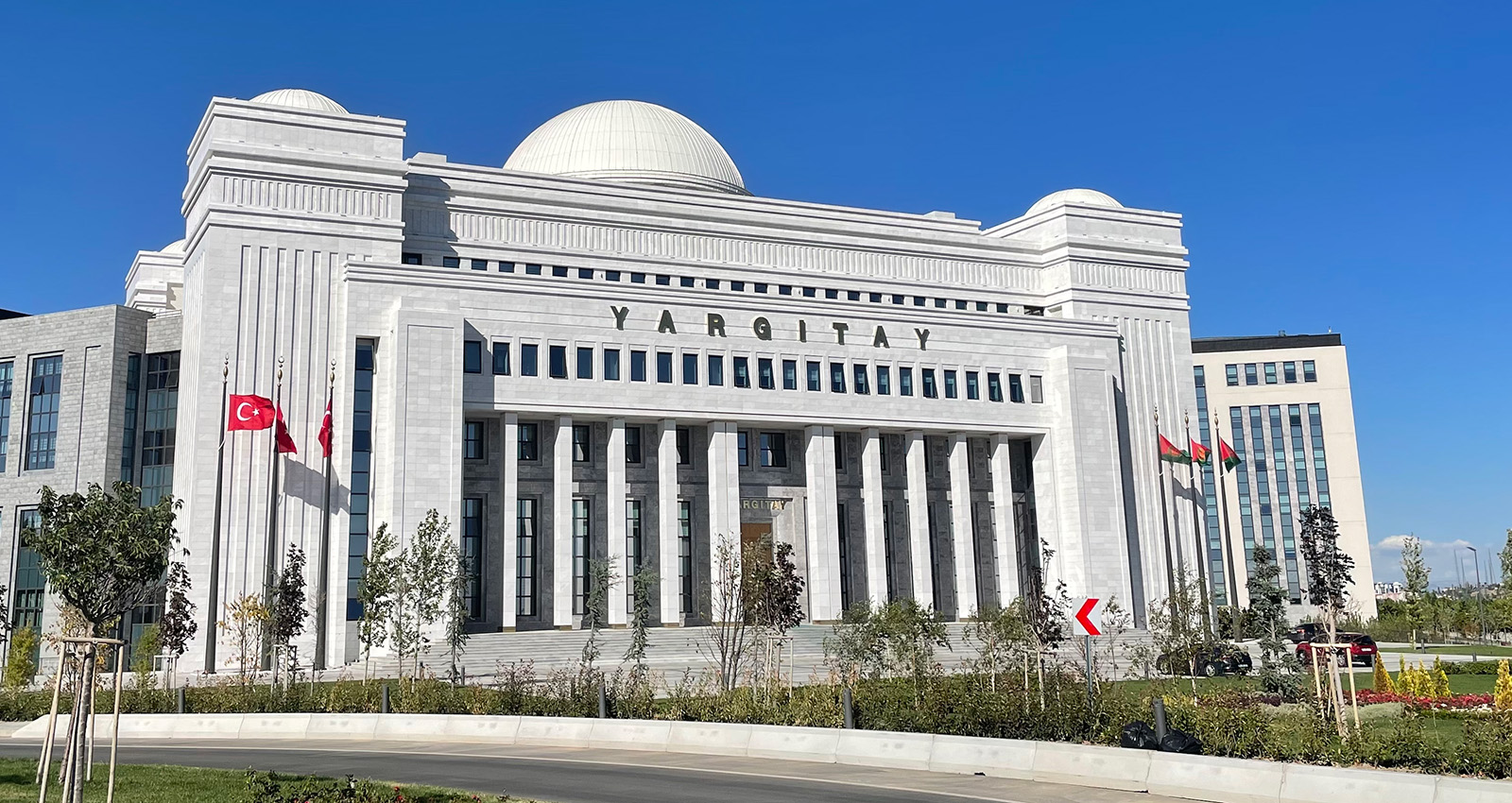
Human rights organisations in Turkey face a predicament. In using the law to confront human rights violations by the government, they then experience those violations themselves. Legal mobilisation against democratic backsliding has its limits, argues Gabriela García García Read more
Dario Mazzola
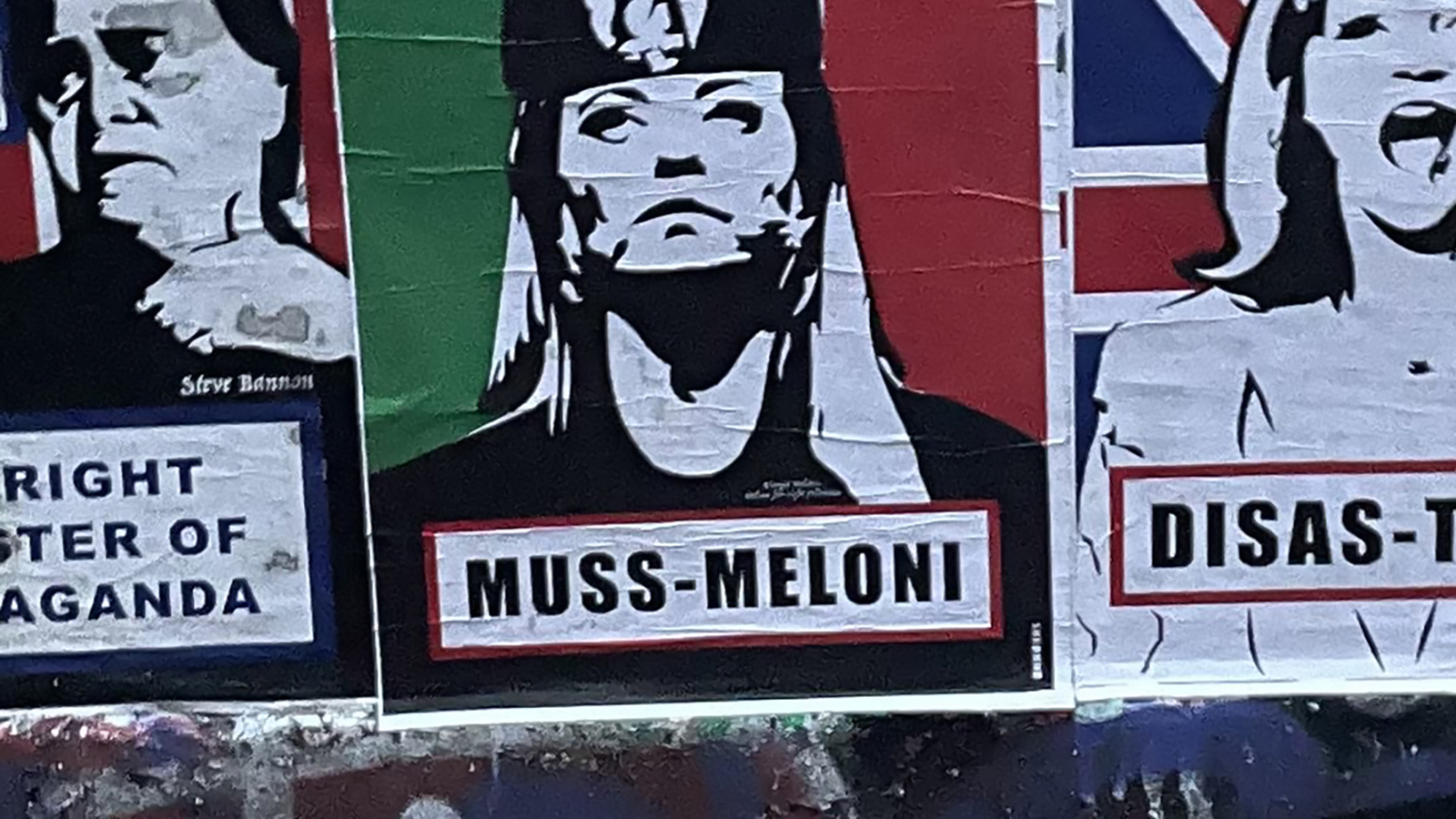
By the time Italians went to the polls in September, the victory of Giorgia Meloni’s Brothers of Italy party was a foregone conclusion. Dario Mazzola articulates the factors that led to the formation of the most right-wing government in the history of the Italian Republic Read more
Amit Singh
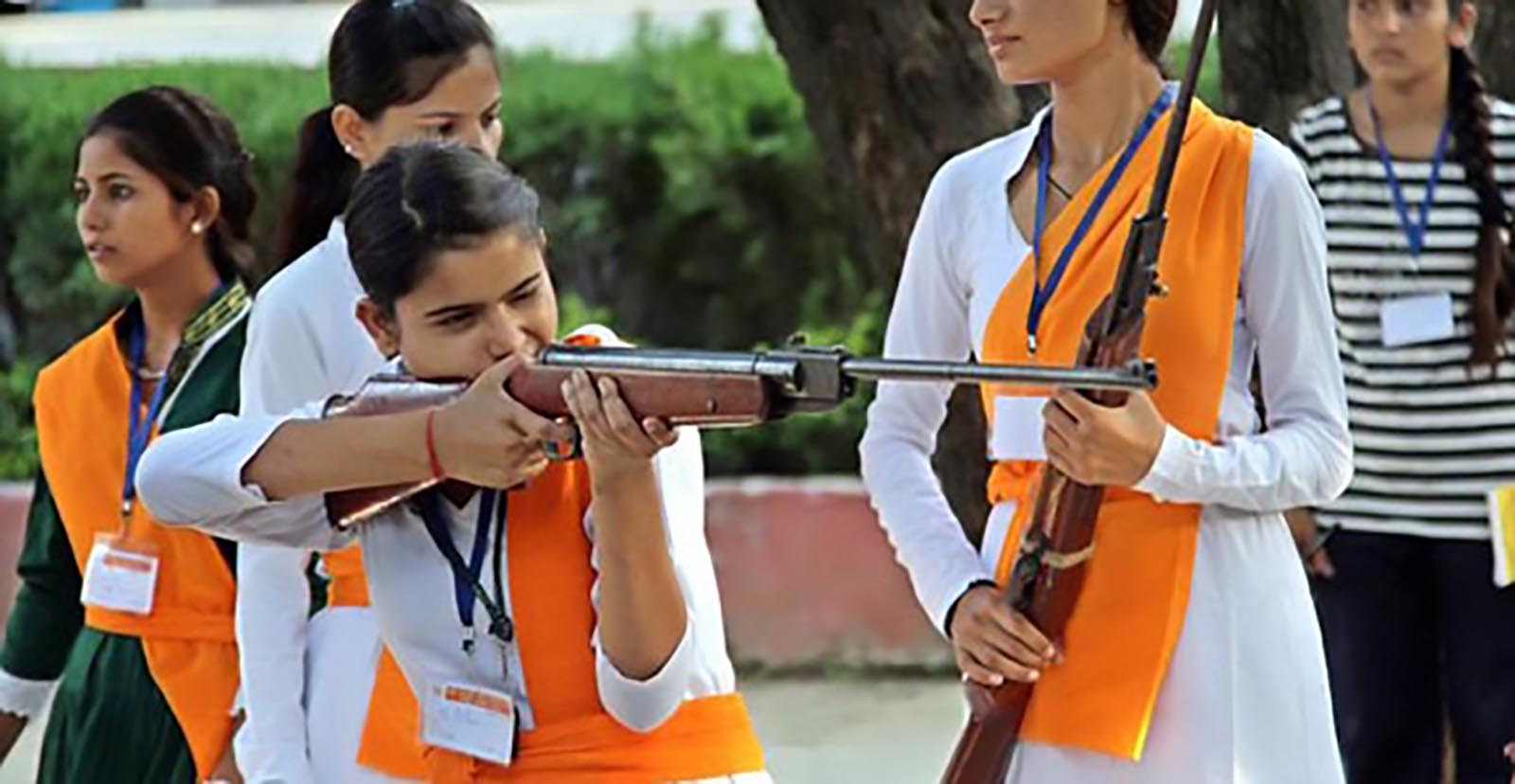
In India, fascism is reinventing itself. It has crept through Hindu nationalism – Hindutva – and now poses a serious threat to Indian democracy, writes Amit Singh Read more
Orlaith Rice
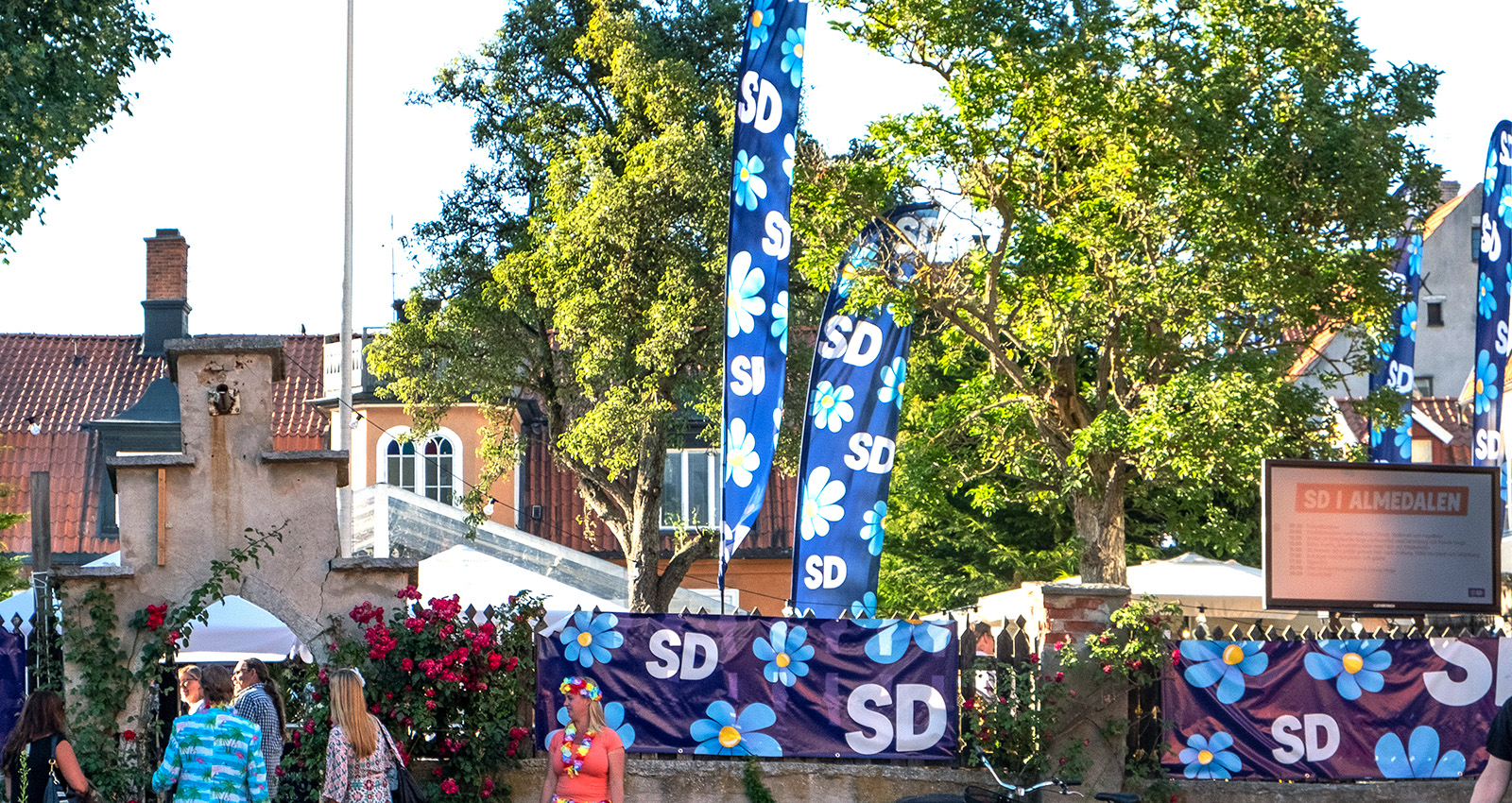
Frustration with integration policy and fear of crime, two issues which Swedish political rhetoric and public opinion increasingly conflates, fuels the Sweden Democrats’ onward journey into mainstream politics. Orlaith Rice considers where SD sits under labels of populism and illiberalism Read more
Luca Manucci
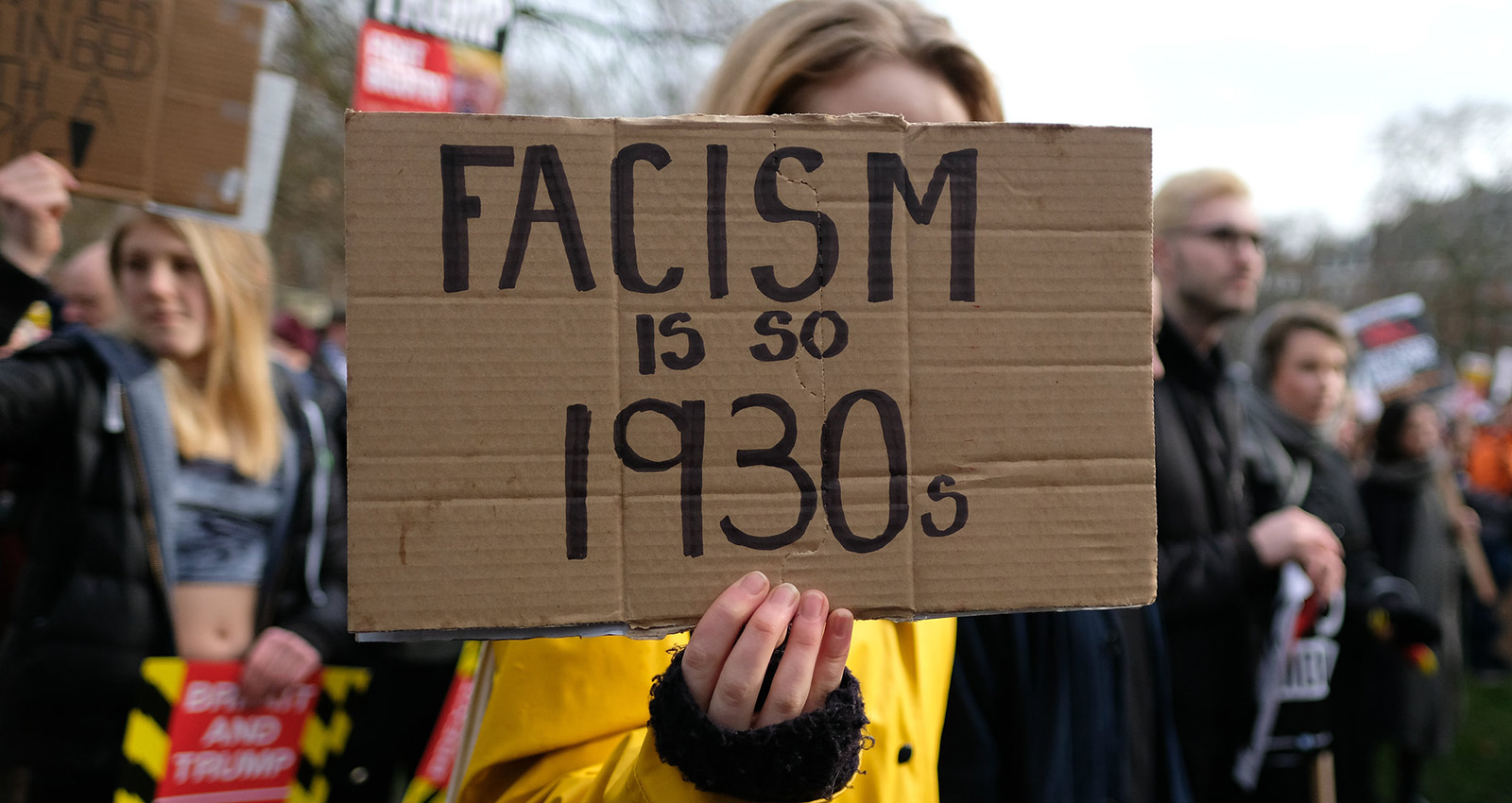
We have, in the intellectual world, spent much time trying to understand populism, fascism, illiberalism and the processes of autocratisation. Now, argues Luca Manucci, it is time to debate and establish the best strategies to fight against these tendencies and establish democratic resilience Read more
Luca Manucci
Luca Manucci argues that illiberalism and autocratisation have too readily been labelled as ‘populism’, an all-embracing concept which simply helps to provide cover to the neo-fascist cause. This has led to surprise when a politician like Giorgia Meloni, leading a party with neo-fascist roots, reaches the brink of power Read more
Gefjon Off
The Swedish elections show that even the most liberal democracies are not immune to the rise of illiberal forces. Gefjon Off discusses the role of normalisation of the radical right, young men’s conservatism, and online mobilisation Read more
We use necessary cookies to make our site work. We'd also like to set analytics cookies that help us make improvements by measuring how you use the site. These will be set only if you accept.
▼
Strictly Necessary Cookies
Necessary cookies enable core functionality such as security, network management, and accessibility. You may disable these by changing your browser settings, but this may affect how the website functions.
▼
Analytics Cookies
Google Analytics
We'd like to set Google Analytics cookies to help us improve our website by collecting and reporting information on how you use it. The cookies collect information in a way that does not directly identify anyone. For more information on how these cookies work please see our Privacy Notice.