Vassilis Petsinis
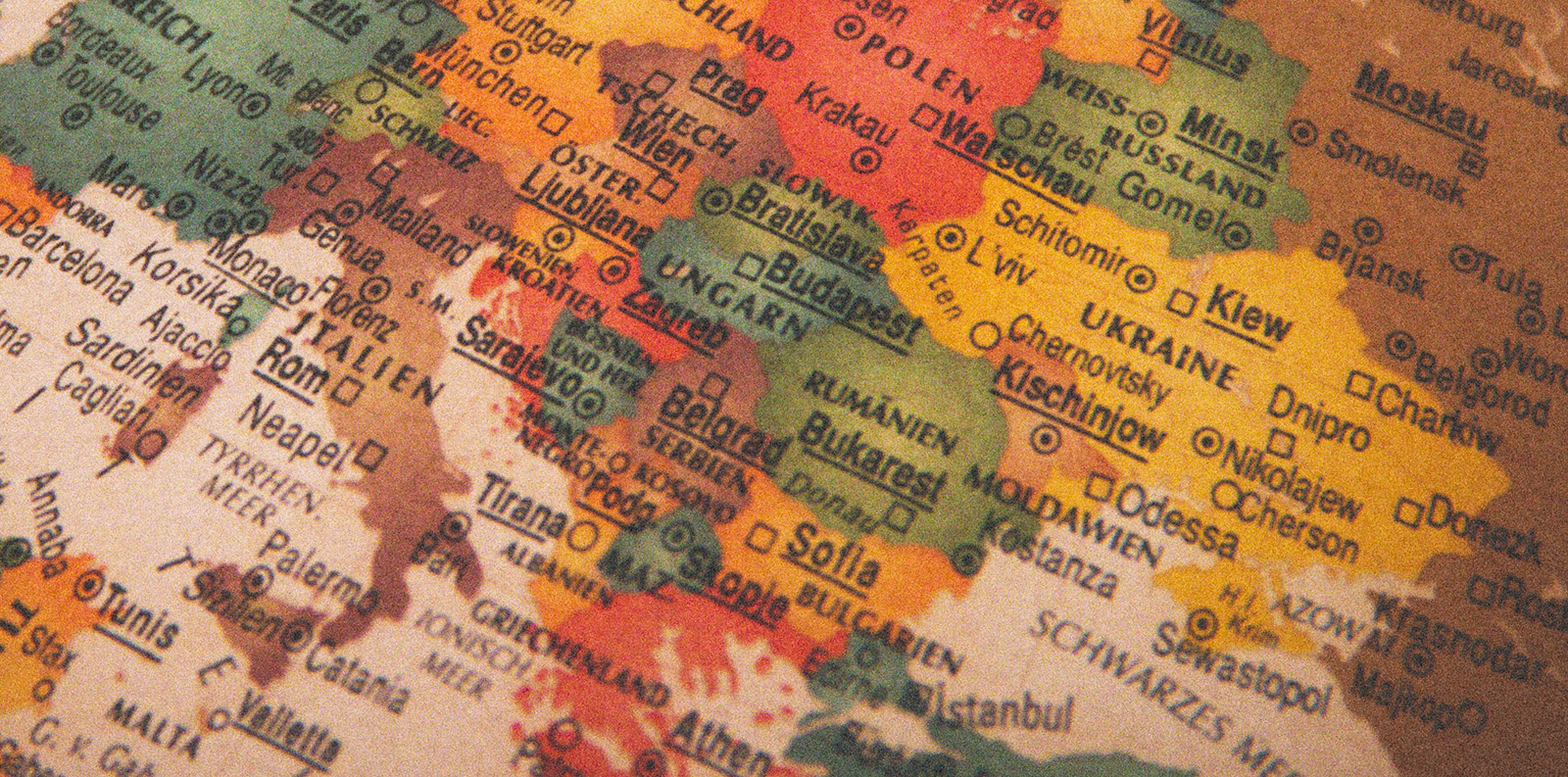
Euroscepticism manifests itself in different ways in the Balkans. Why? Vassilis Petsinis argues that grasping the differences between attitudes in different Balkan nations helps explain Serbia’s long and complex EU accession process Read more
Matthijs Bogaards
There is no European electorate. When voters elect the European Parliament, they vote for their own parties in their own countries. Many want this to change, but existing reform proposals are not sufficient. Matthijs Bogaards proposes twinning. It works to connect local communities across Europe and it may provide a new way to elect the European Parliament Read more
Calle Håkansson
Over the past couple of years, the EU and the European Commission have stepped up security and defence policy cooperation. Calle Håkansson argues that the European Commission's new role blurs the traditional dichotomy between intergovernmental and supranational decision-making Read more
Isabelle Hertner
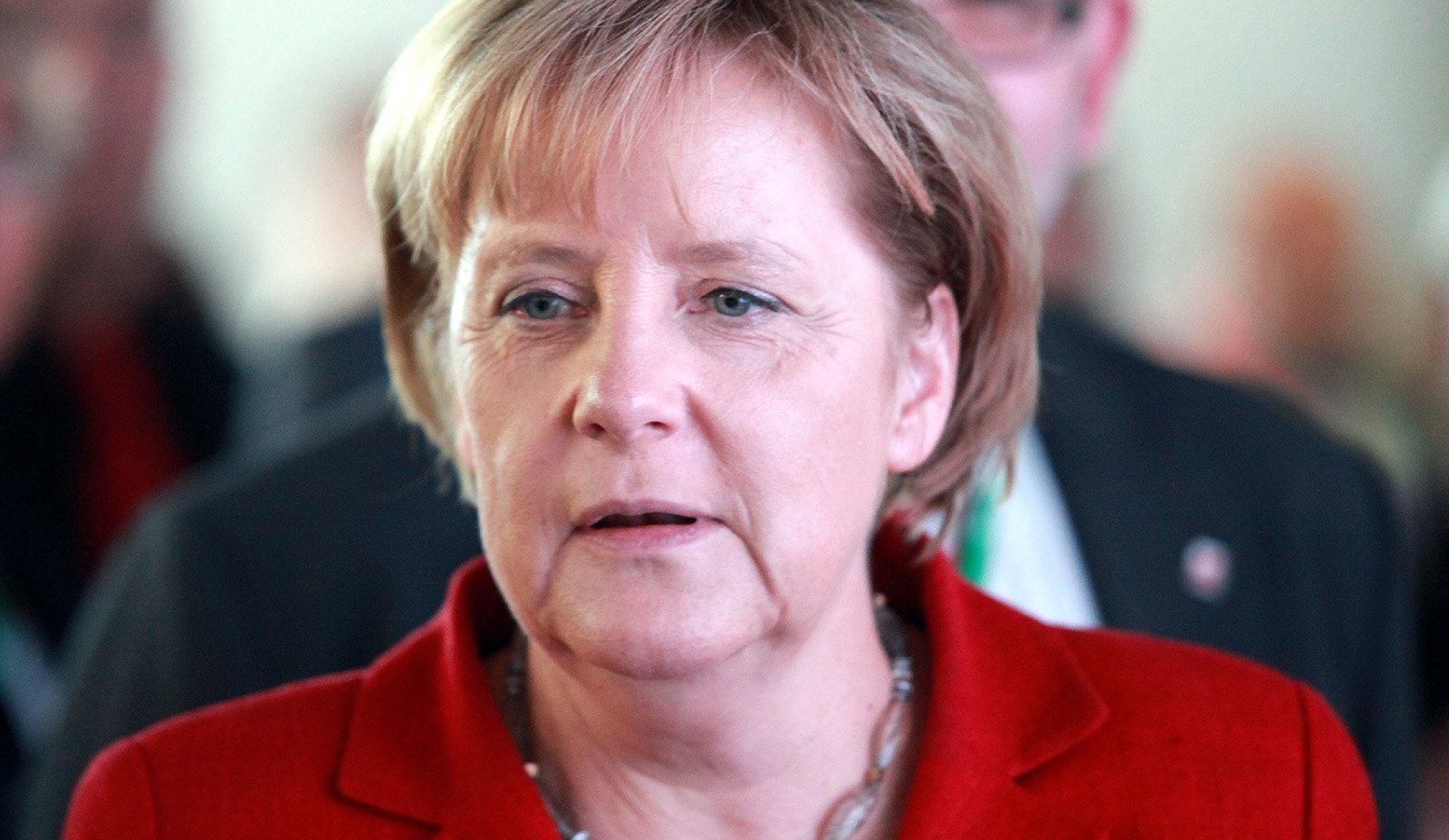
Germany has developed into a hugely diverse country, but Angela Merkel’s centre-right CDU is still grappling with this reality, writes Isabelle Hertner. Over Merkel's 16-year Chancellorship, her party has been torn between pragmatic immigration policy, and the demand for cultural assimilation Read more
Noe Hinck
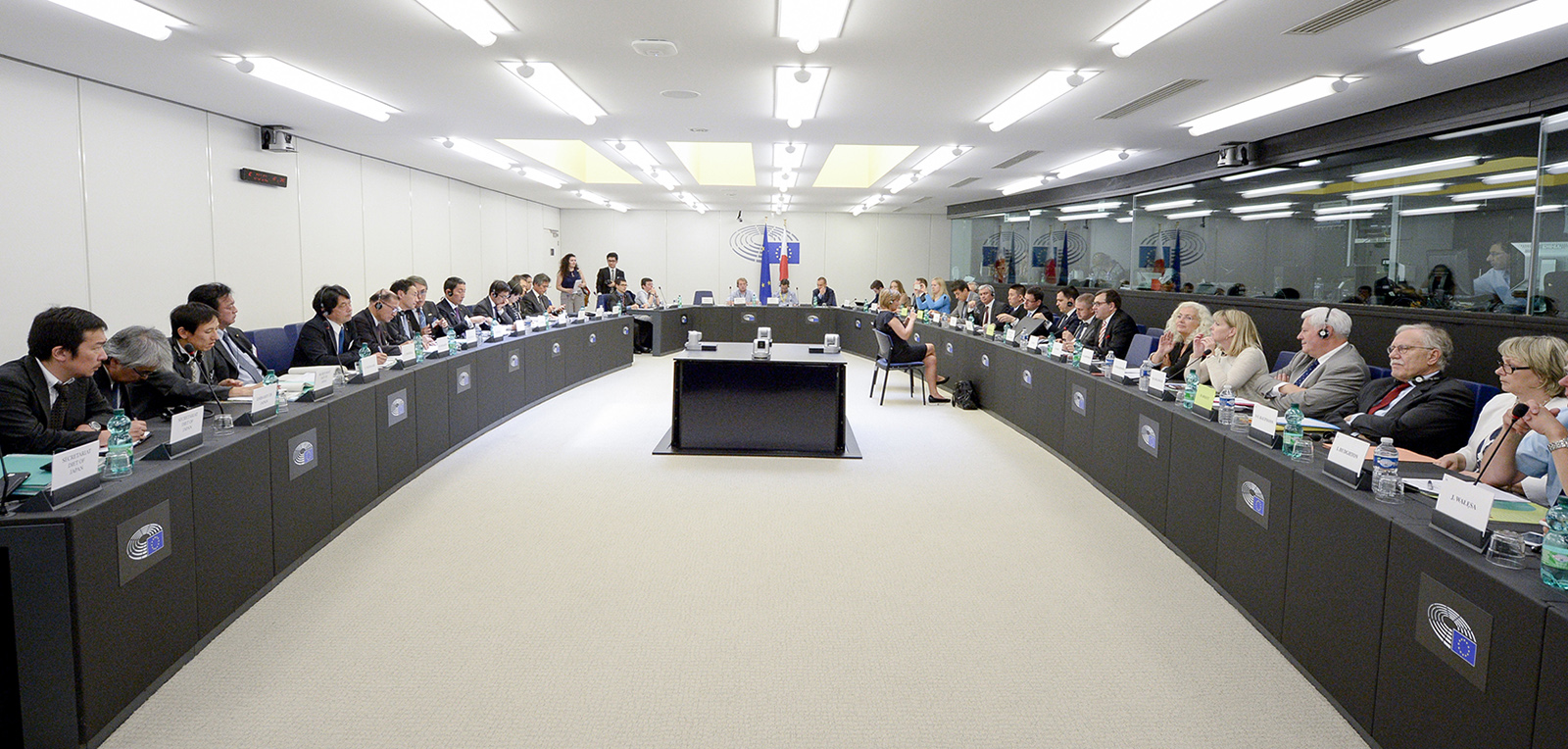
The European Union has faced a long struggle performing alongside its member states on the international stage. States seek other states to deliberate over global issues. Noe Hinck argues that the newly concluded EU-Japan Economic Partnership Agreement may be the key to changing this status quo Read more
Christine Hackenesch
Once seen as a low salience policy that member states and citizens supported without much debate, EU development policy is now politicised – inside and outside the Union. Christine Hackenesch, Julian Bergmann and Jan Orbie argue that this trend may hamper EU collective action Read more
Markus Patberg
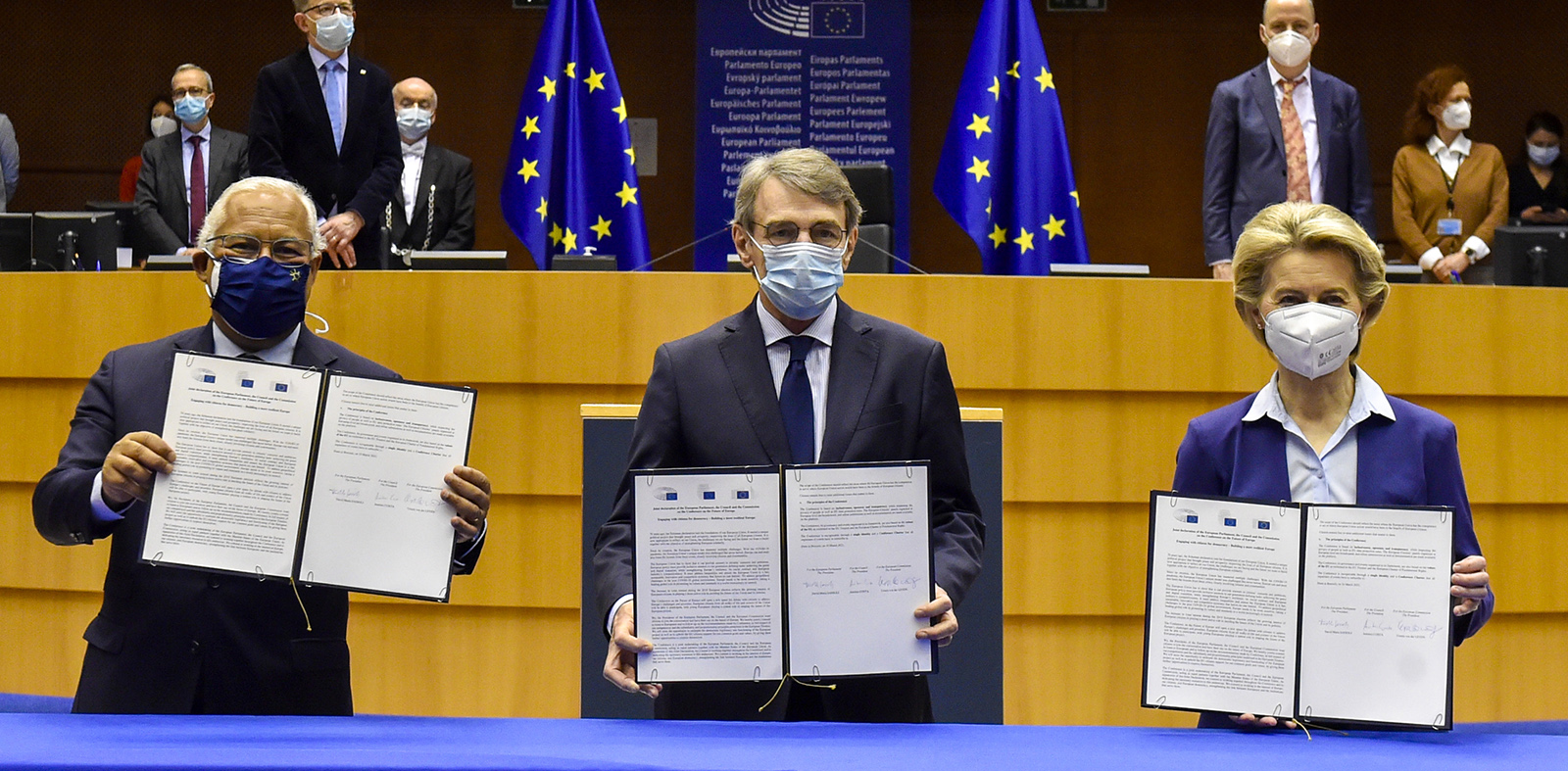
The Conference on the Future of Europe aims to produce proposals for EU ureform in a participatory manner. Yet, writes Markus Patberg, its setup suggests top-down steering, and lacks a clear conception of democratic authorisation. The envisaged forms of broad but unsystematic inclusion might even be counterproductive to the declared goal of empowering citizens Read more
Christel Koop
Often labelled technocratic and expertise-driven, the Commission’s ‘unelected bureaucrats’ in fact take public opinion seriously. When facing crises, the Commission uses agenda-priorities to respond to citizens’ cues, write Christel Koop, Christine Reh and Edoardo Bressanelli Read more
We use necessary cookies to make our site work. We'd also like to set analytics cookies that help us make improvements by measuring how you use the site. These will be set only if you accept.
▼
Strictly Necessary Cookies
Necessary cookies enable core functionality such as security, network management, and accessibility. You may disable these by changing your browser settings, but this may affect how the website functions.
▼
Analytics Cookies
Google Analytics
We'd like to set Google Analytics cookies to help us improve our website by collecting and reporting information on how you use it. The cookies collect information in a way that does not directly identify anyone. For more information on how these cookies work please see our Privacy Notice.