Emmanuelle Bertout
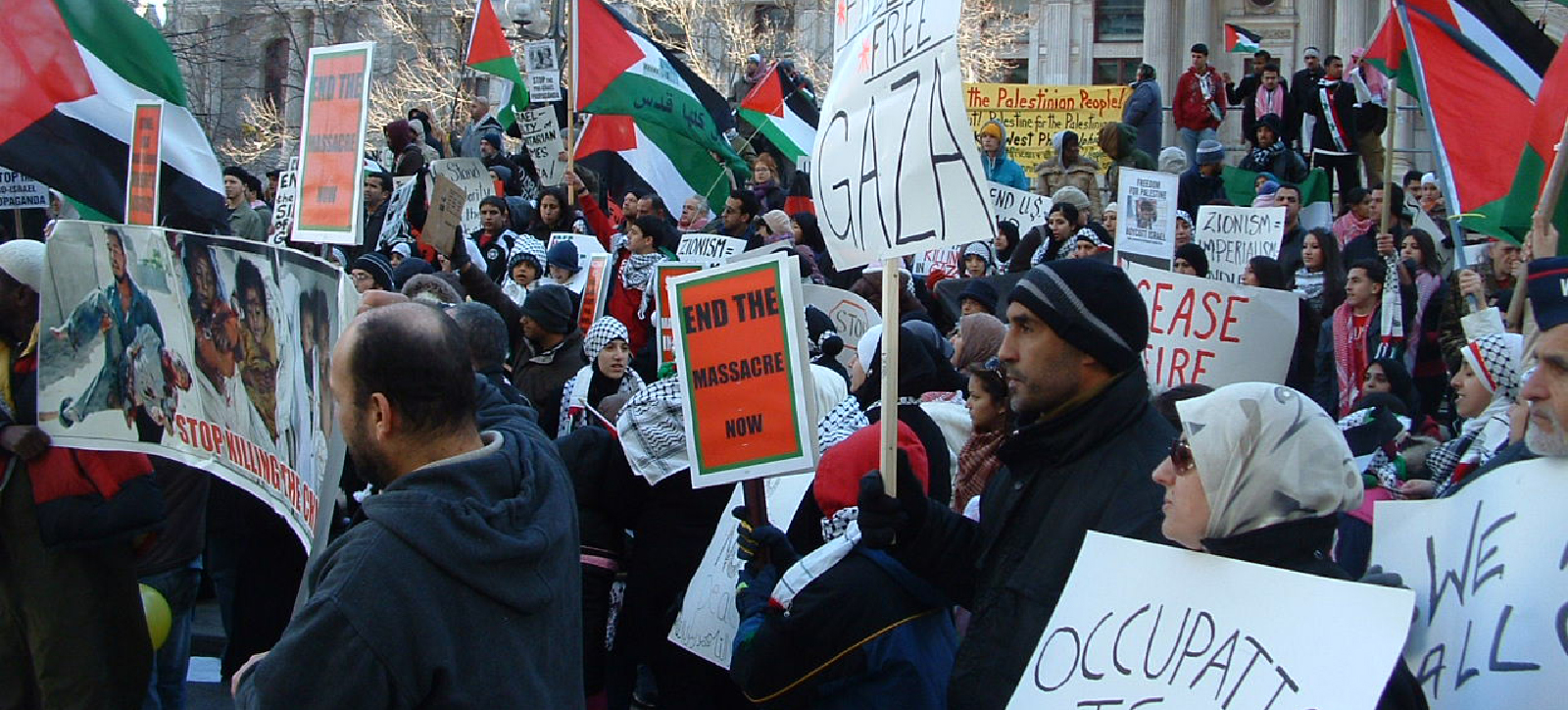
Religious freedom is deteriorating in France. Laws aimed at maintaining the confessional neutrality of the French state are turning into attacks on individuals’ right to religious freedom, writes Emmanuelle Bertout In February 2021, the French National Assembly adopted the highly controversial bill Consolidating the Principles of the Republic. The Senate followed suit in April. The […] Read more
Aliaksei Kazharski
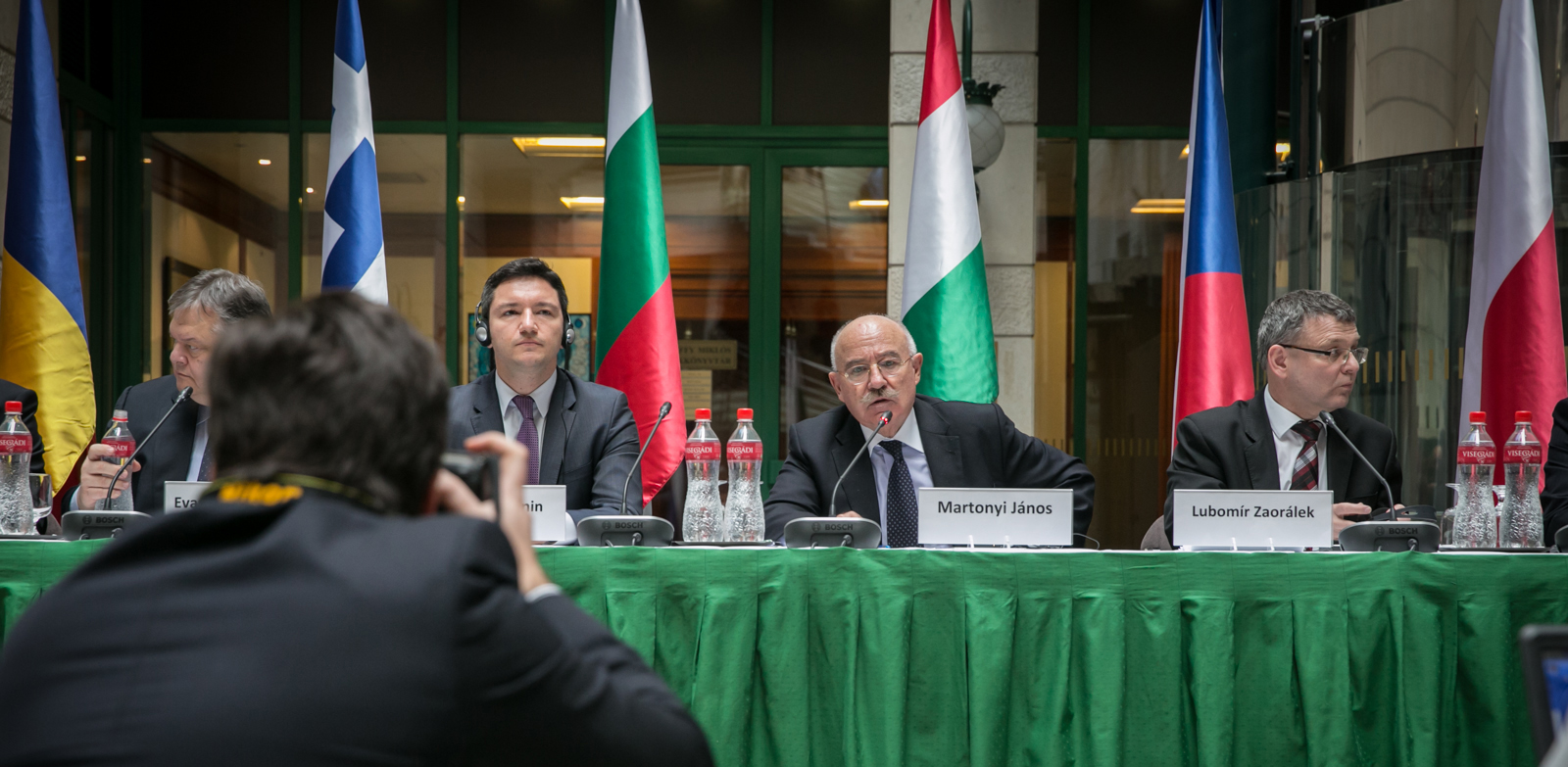
Following the end of the Cold War, the Visegrád 4 of Hungary, Poland, Czechia and Slovakia embarked on a 'return to the West'. These countries, writes Aliaksei Kazharski, are hardly beacons of democracy. But could they anchor Europeanisation and democratic change in East-Central Europe? Read more
Lars Pelke
It is a common assumption that autocrats have no incentive to redistribute income and wealth. Not so, says Lars Pelke. Uncertainty about the outcomes of autocratic elections can incentivise dictators to redistribute wealth, especially when the incumbents’ ruling coalition is inclusive Read more
Lucía Dammert
On 6 June, amid a profound health and economic crisis, presidential elections take place in Peru. Voting for the lesser of two evils is not new, writes Lucia Dammert, yet the 2021 election deepens Peru's political deterioration and further weakens its democratic governance Read more
Annemarie Walter
During the coronacrisis, conspiracy theories have proliferated, and politicians who use them for political gain are – at least partly – to blame. Let the January attack on the US Capitol be a warning to Europe, write Annemarie Walter and Hugo Drochon Read more
Mirko Heinzel
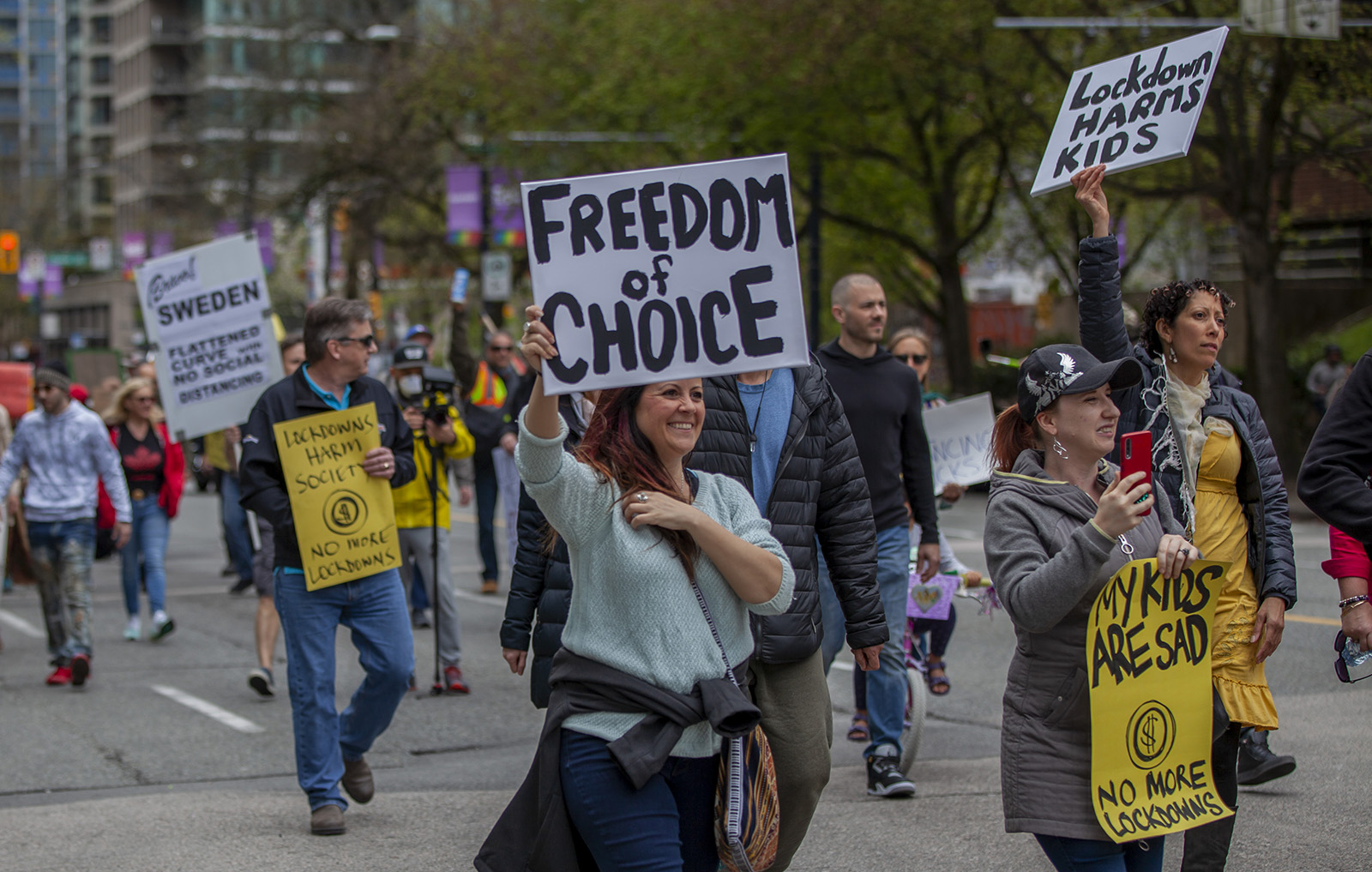
The pandemic has led to an increase in experts' authority – yet substantial contestation of their expertise, write Mirko Heinzel and Andrea Liese. This polarisation poses a risk for proper public deliberation and the fight against Covid Read more
Jonathan Polk
Political parties are the mainstay of our democracy – but do they adapt to changes in public opinion? In new research, Raimondas Ibenskas and Jonathan Polk reassure us that they do Read more
Stefano Ruzza
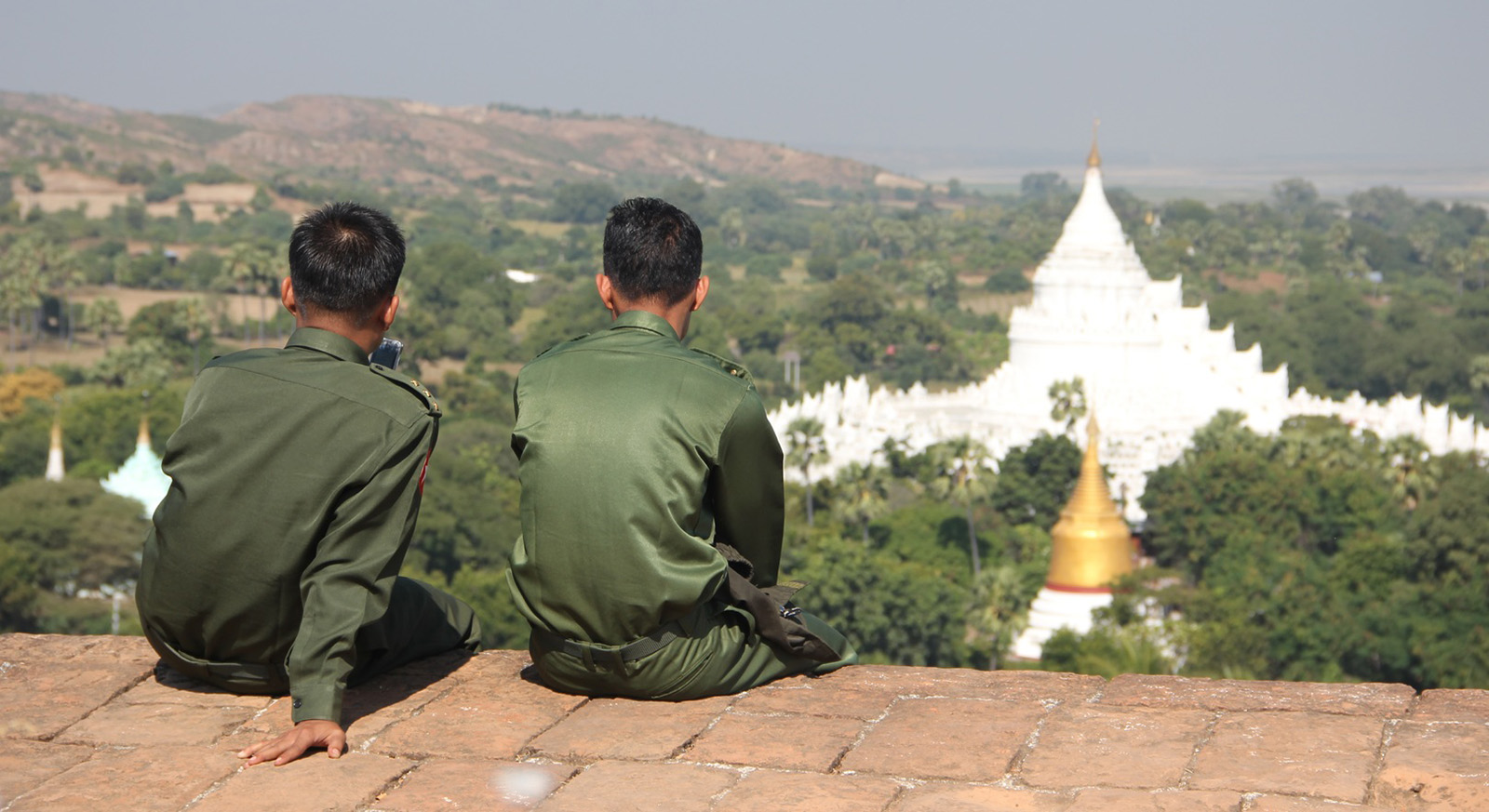
What does the recent military coup tell us about the prospects for Myanmar’s regime? Stefano Ruzza argues that while the country's semi-democracy is not dead, it is unlikely ever to escape occasional authoritarian interventions Read more
We use cookies to ensure that we give you the best experience on our website. If you continue to use this site we will assume that you are happy with it.