Johanne Døhlie Saltnes
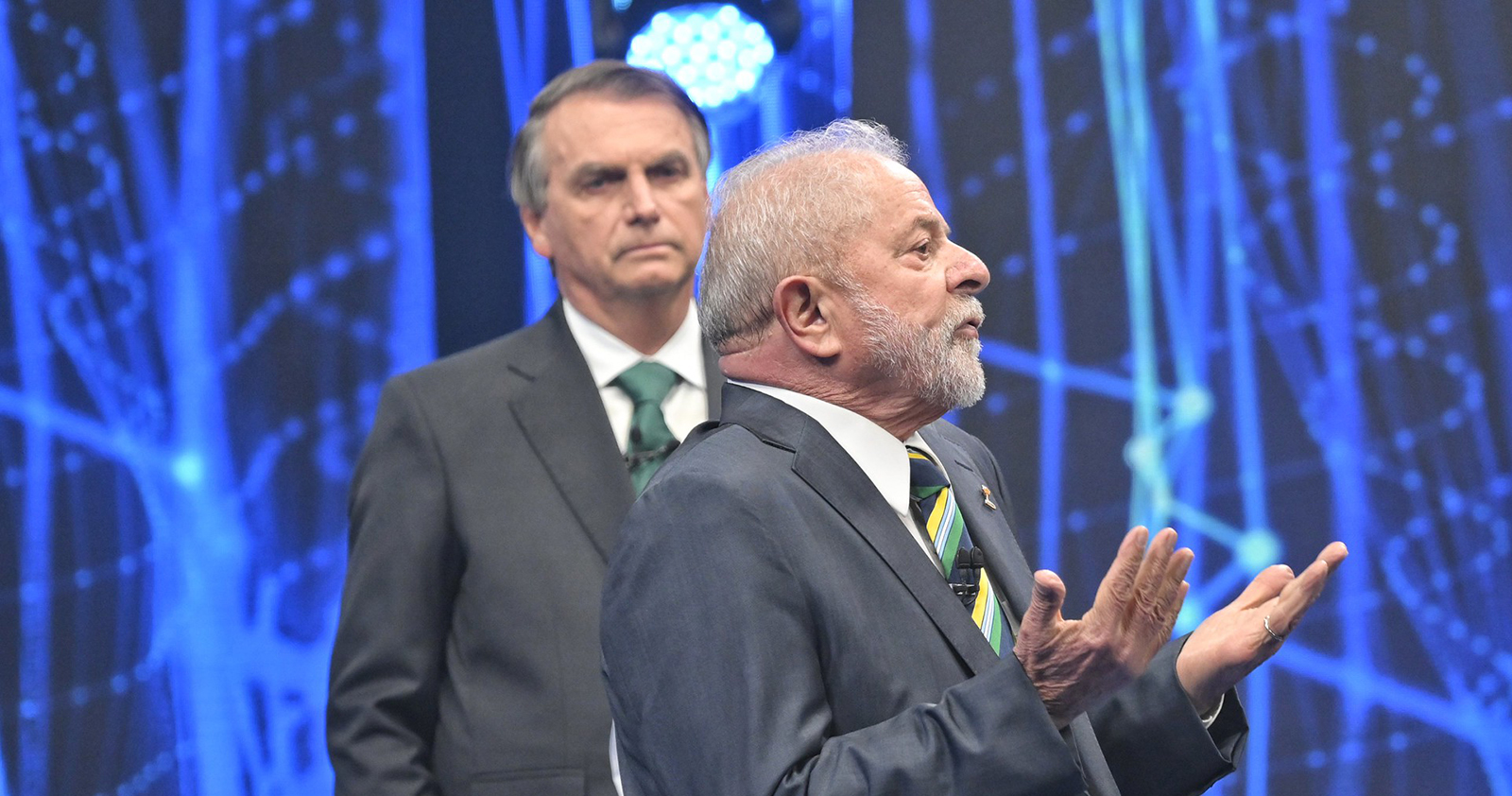
Lula’s presidential election victory in Brazil has the potential to re-set EU-Latin American relations through ratification of the EU-Mercosul agreement. Yet, writes Johanne Døhlie Saltnes, there remain competing European and Brazilian demands that must be balanced Read more
Franziska FN Schreiber
Despite harsh criticism of his government performance, Bolsonaro managed to attract significant public support in the recent election, writes Franziska F. N. Schreiber. The populist incumbent promoted voters’ trust by responding to their anxieties and uncertainties, and perpetuating myths Read more
Daniel Buarque
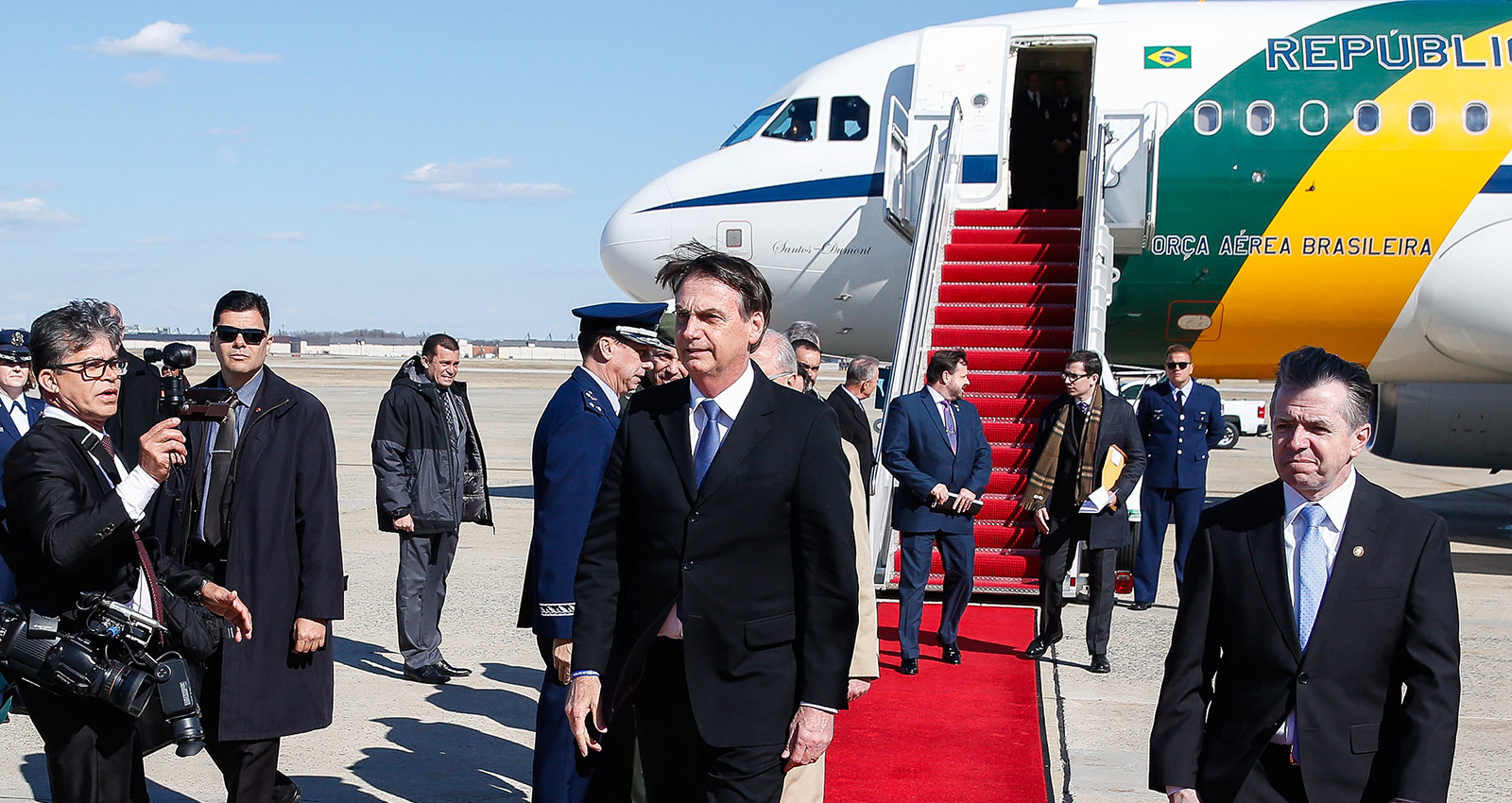
President Jair Bolsonaro has changed the priorities and alignments of Brazil's international positions, picked fights with historic allies, and threatened important economic relations, writes Daniel Buarque. These developments have changed the international status of Brazil and risk making the country a pariah Read more
Julieta Suárez-Cao
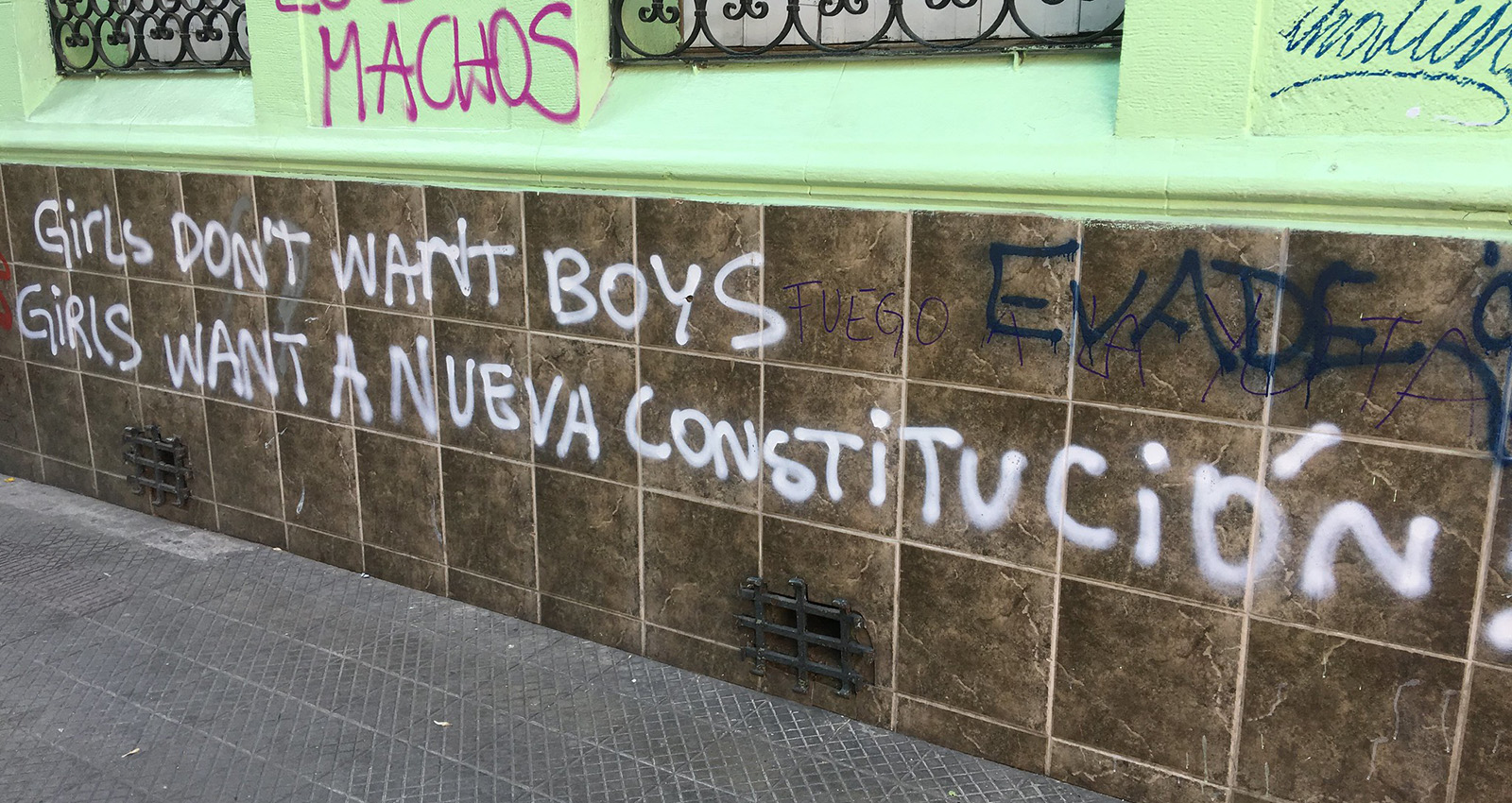
The draft of a new Magna Carta in Chile proves that a constitution of and for women is possible, writes Julieta Suárez-Cao. But uncertainty lies ahead: polls regarding the constitutional vote on September 4th indicate it could be rejected Read more
Pablo C. Santos-Pineda
Pablo Santos-Pineda uses the Human Rights Measurement Initiative scores to evaluate El Salvador’s performance in fulfilling the right to education. This performance has been poor, and many children would benefit from strategic changes in its policies Read more
Sergio Ricardo Quiroga
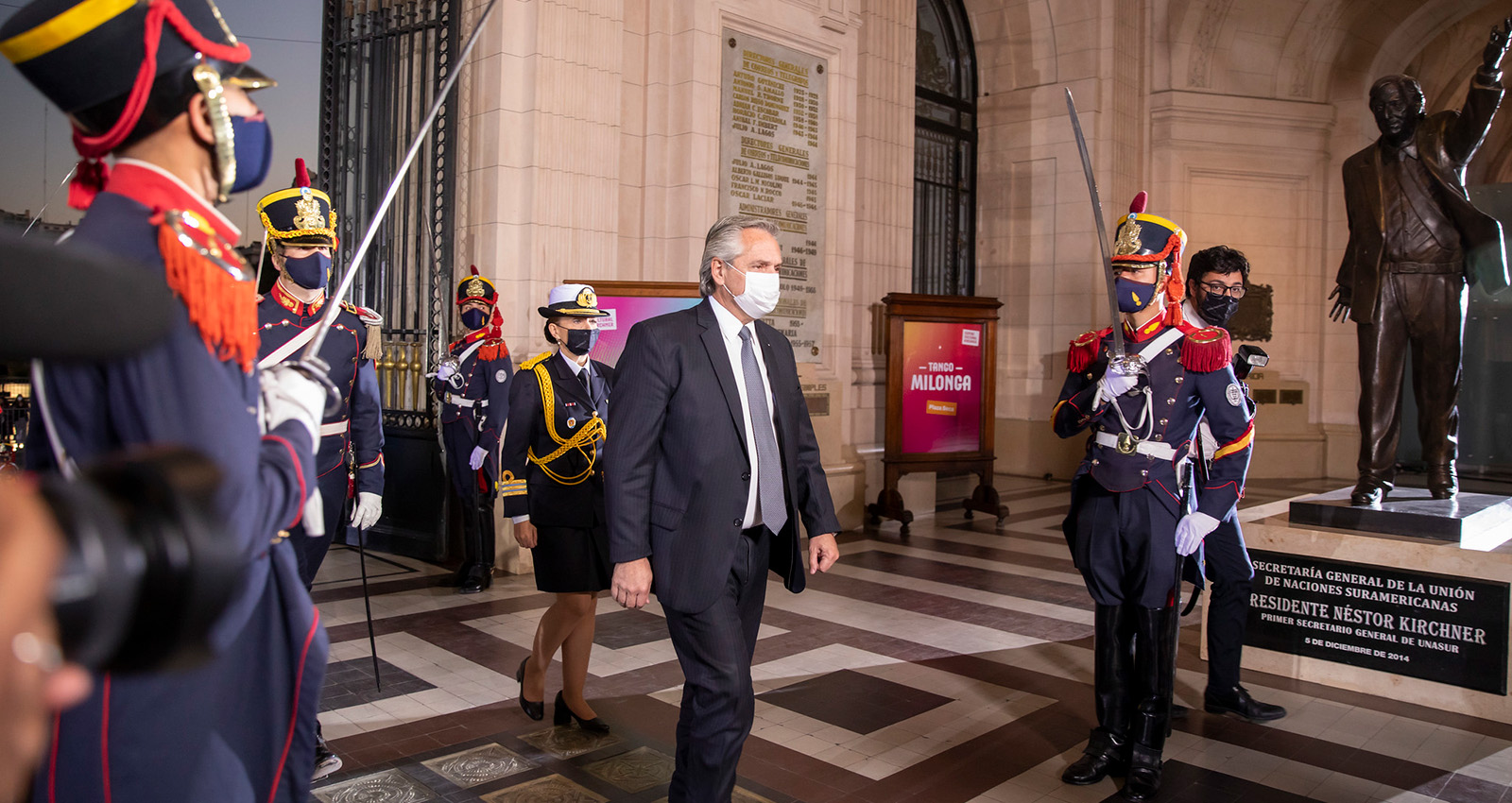
Kirchnerism emerged from Argentine Peronism, spearheaded by Néstor Kirchner and Cristina Fernández de Kirchner. Since 2003, it has built a cultural and political hegemony that denies Argentinian citizens their political and civil liberties, writes Sergio Quiroga. Read more
Jamie Shenk
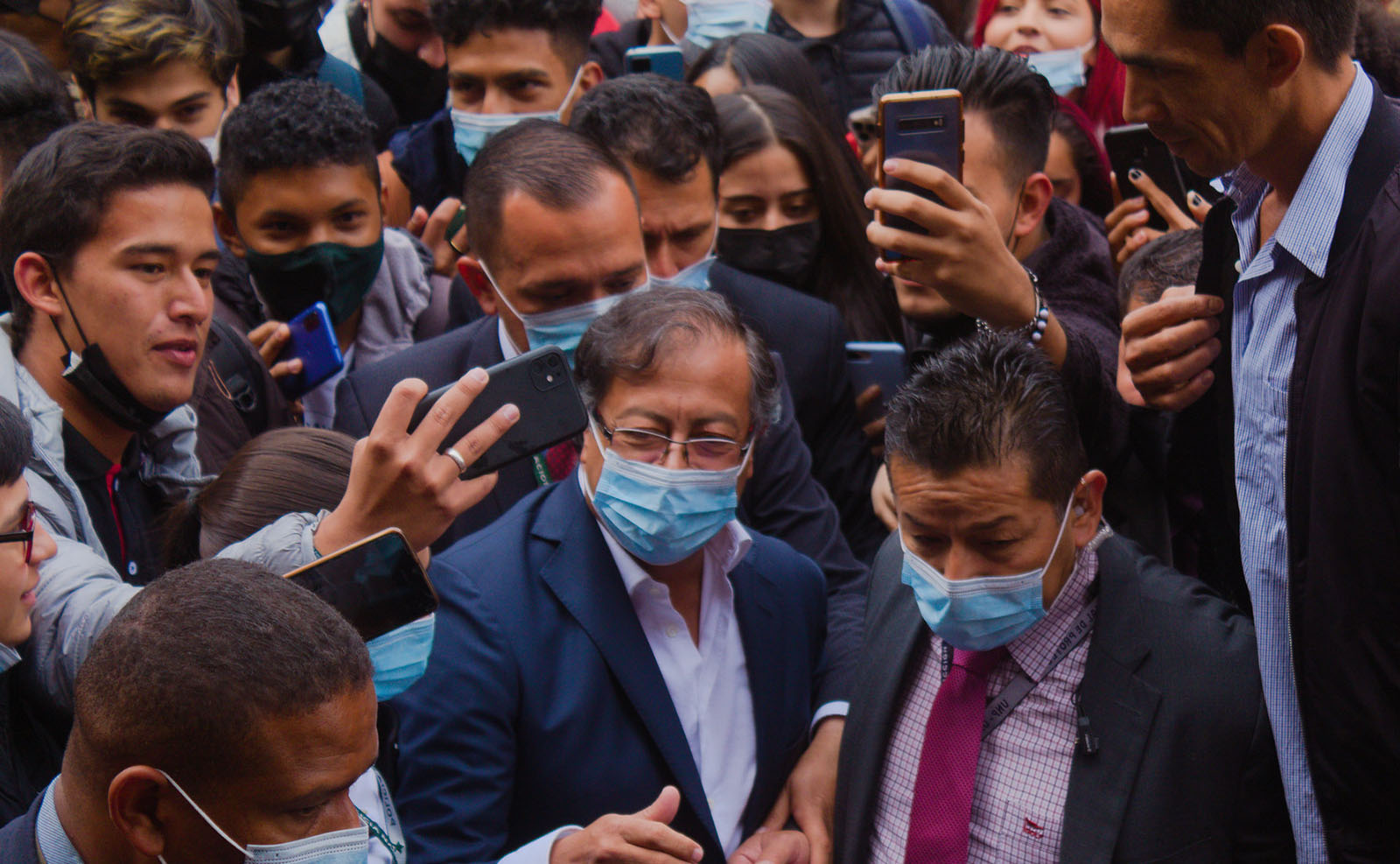
Colombian voters rejected the political establishment, voting 'outsider' politicians into the run-off for the Colombian presidency. However, understanding who didn’t vote in Colombia’s election tells us more about the state of Colombia’s democracy, writes Jamie Shenk Read more
Felipe Arocena
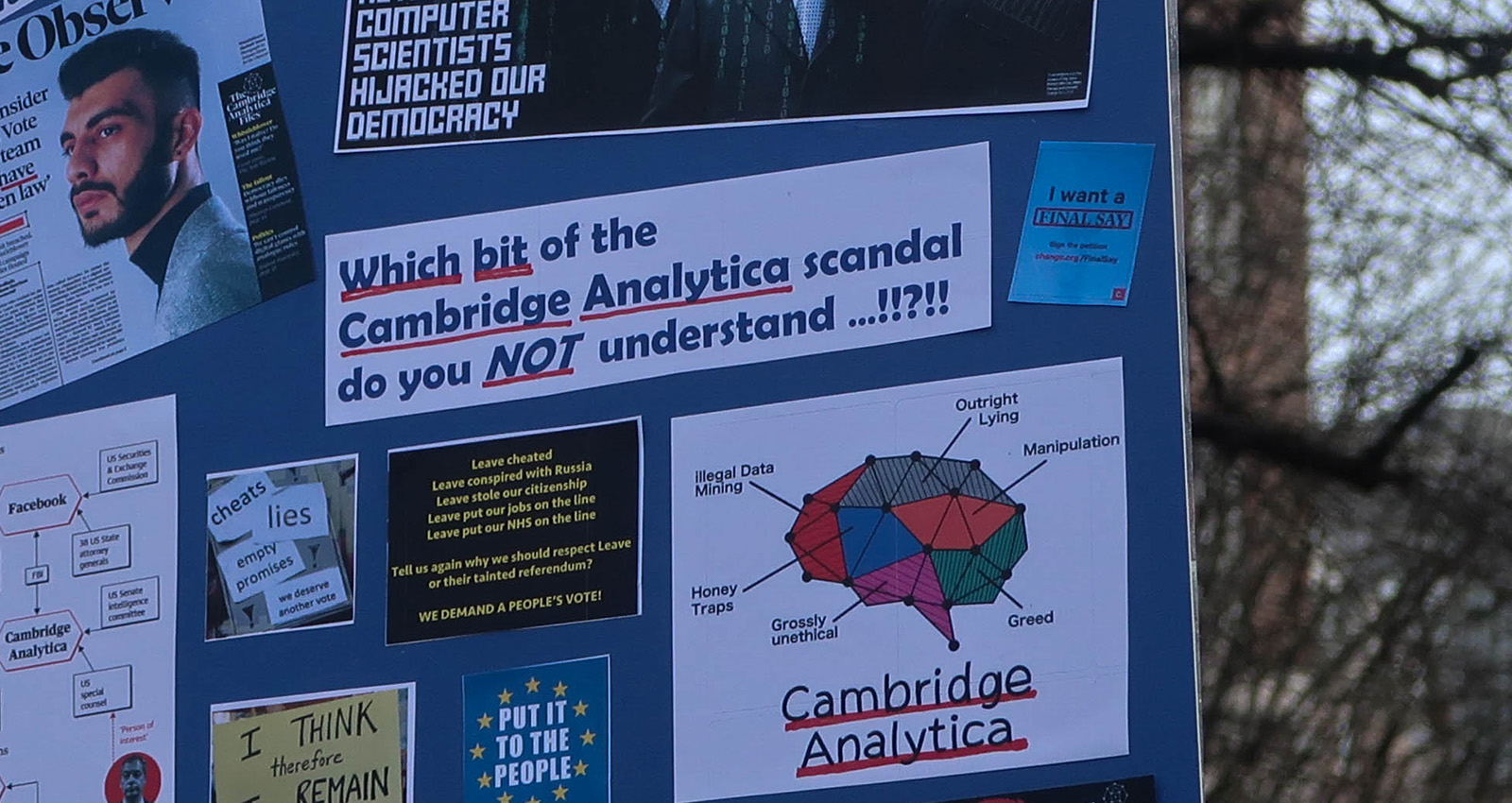
The internet has not, as many hoped, delivered positive change for democracy. But according to Felipe Arocena, there is still a meaningful way to confront the authoritarian advances of new technological powers and reinforce democracy – rebellion Read more
We use necessary cookies to make our site work. We'd also like to set analytics cookies that help us make improvements by measuring how you use the site. These will be set only if you accept.
▼
Strictly Necessary Cookies
Necessary cookies enable core functionality such as security, network management, and accessibility. You may disable these by changing your browser settings, but this may affect how the website functions.
▼
Analytics Cookies
Google Analytics
We'd like to set Google Analytics cookies to help us improve our website by collecting and reporting information on how you use it. The cookies collect information in a way that does not directly identify anyone. For more information on how these cookies work please see our Privacy Notice.