Dragomir Stoyanov
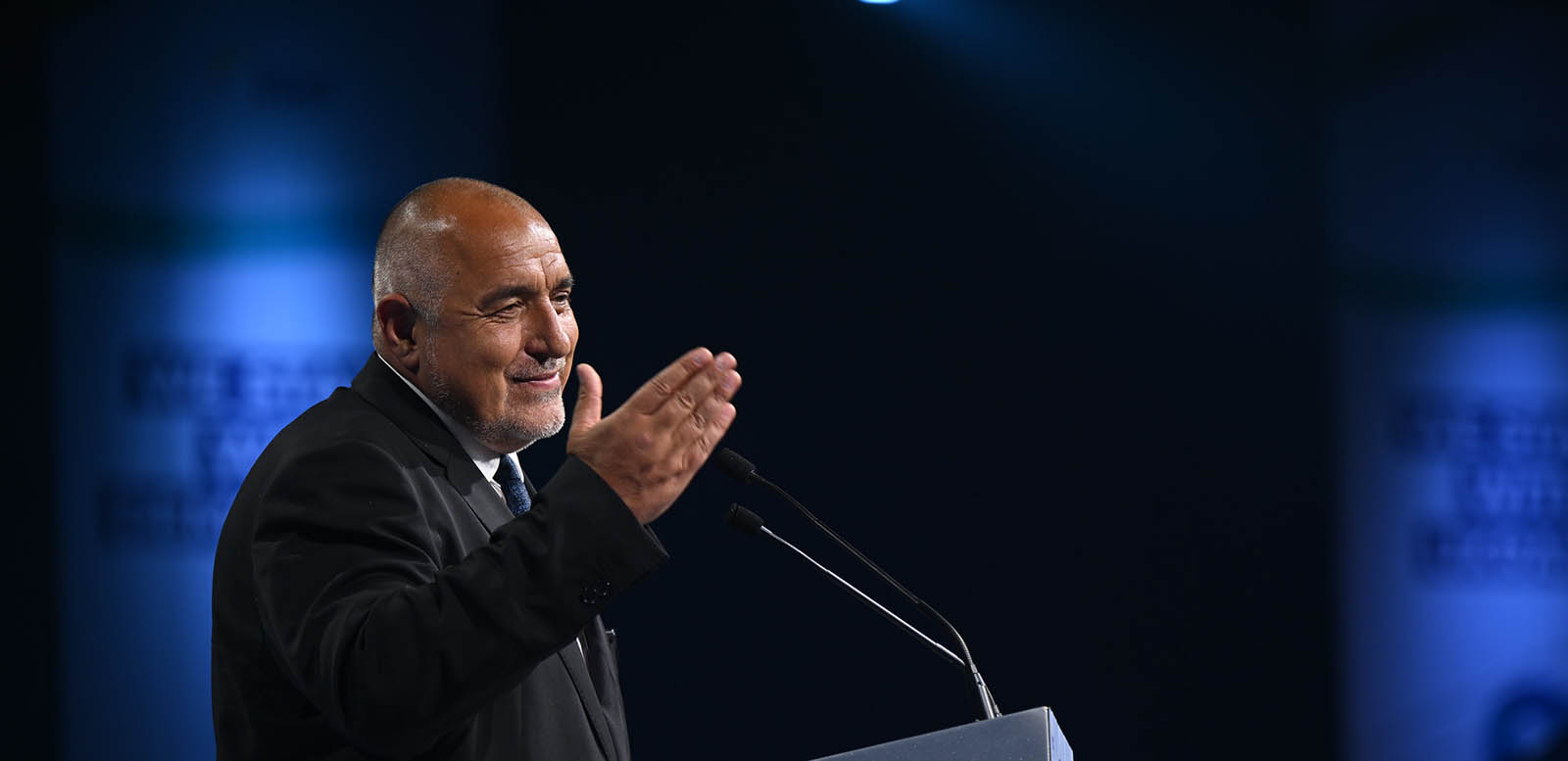
In Bulgaria, the fifth parliamentary elections in the last two years were held on 2 April. These snap elections, just like their predecessors, juxtaposed parties of the status quo with reformists. This time, however, writes Dragomir Stoyanov, the status quo prevailed Read more
Rafael Labanino
Illiberal governments in Central and Eastern Europe are following a conscious strategy of hollowing out interest representation and stifling or co-opting civil society organisations. Rafael Labanino explains how the authoritarian playbook works – and how interest groups adapt or fight back Read more
Iren Marinova
The European Union is facing a multidimensional crisis that could exacerbate exiting intra-EU divisions and power asymmetries. The looming energy supply crunch, impending recession, and rising inflation could have a serious negative impact on the EU as it struggles to adapt to a changing world and region, writes Iren Marinova Read more
Cindy Regnier
Renewed tensions between Russia and the West amid war in Ukraine have focused attention on the ‘Suwałki gap’. According to Cindy Regnier, this corridor along the Lithuanian-Polish border has been increasingly securitised. Still, any attempt to seize control over it would gain the Russians little Read more
Dragomir Stoyanov
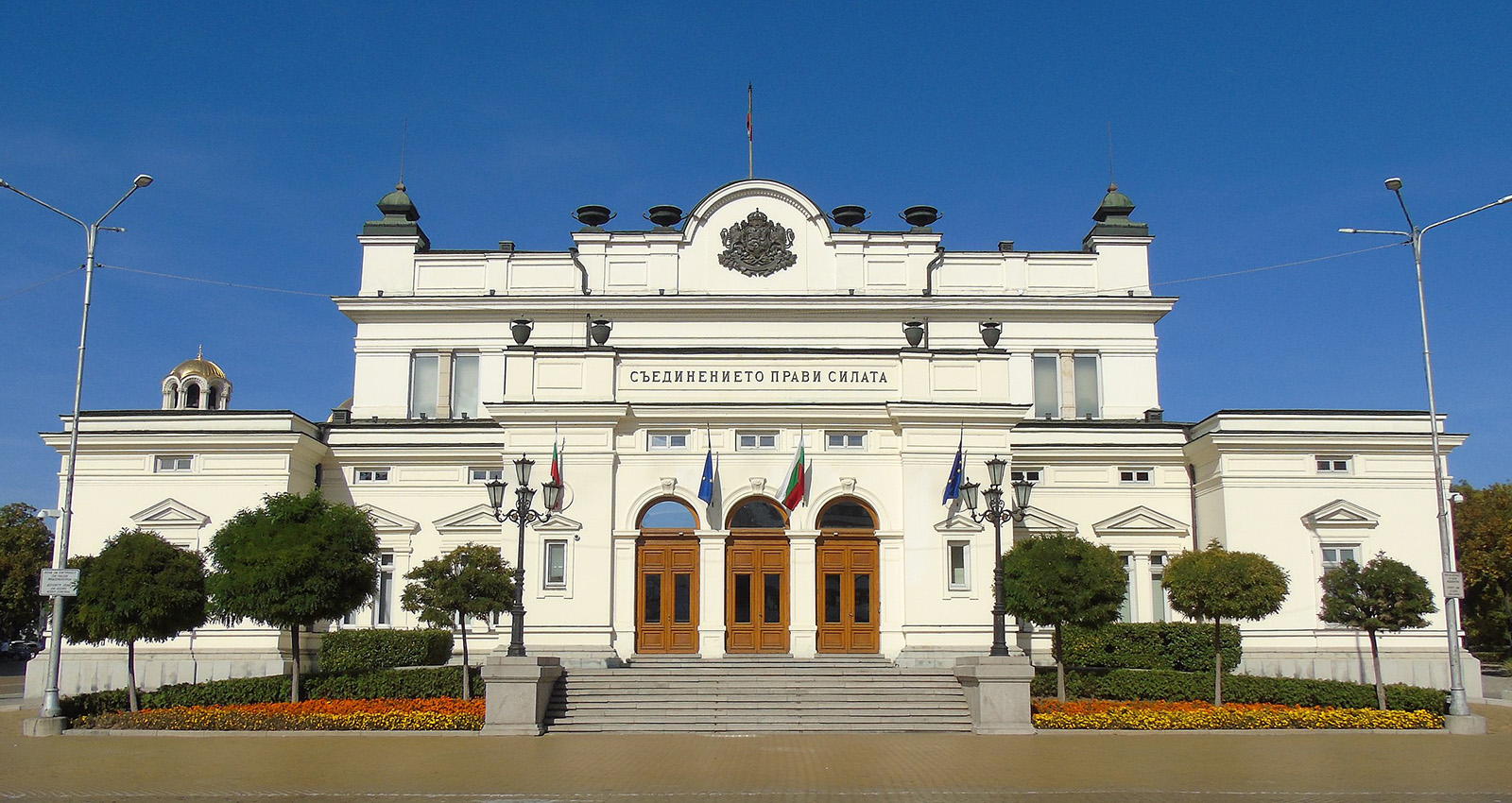
The snap Bulgarian general election of 2 October has failed to resolve the ongoing political stalemate in the country caused by polarisation between two opposing political camps. Dragomir Stoyanov writes that the new government will be characterised by instability, with the prospect of further snap elections next year Read more
Gubad Ibadoghlu
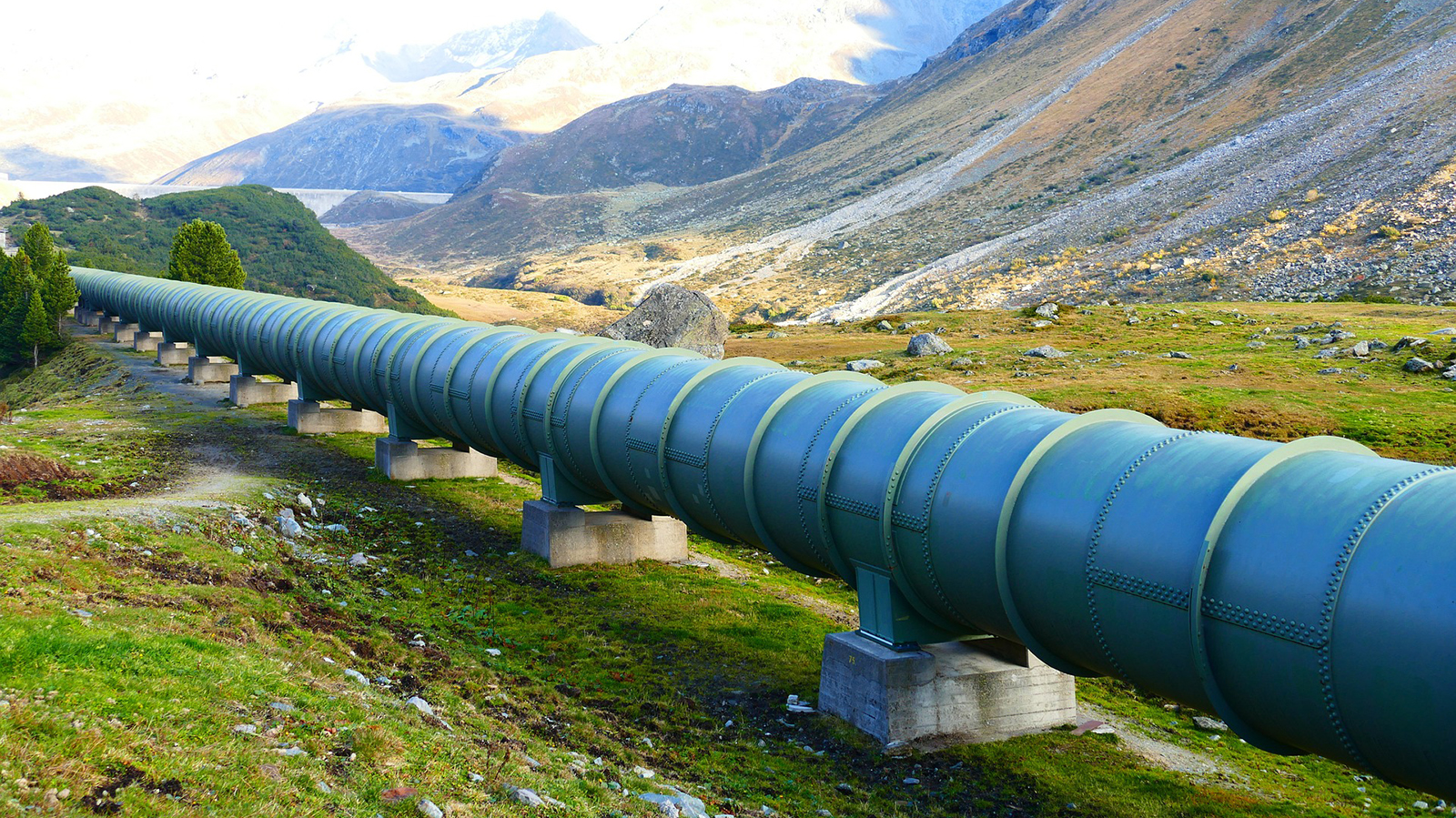
Russia's war in Ukraine poses a threat to Europe’s energy security, prompting the EU to search for new gas suppliers. One of these is Azerbaijan. Gubad Ibadoglu explores the capacity of the country’s gas transport and production and assesses the potential for Azerbaijan to become a reliable gas supplier for Europe Read more
Marco Giani
Studying long-run patterns of public opinion in Europe shows that reintroducing compulsory national service would not counter the worrisome trend of declining trust in institutions among young generations. In fact, warns Marco Giani, the effect could be quite the opposite Read more
Aleksandra Samonek
EU candidate status eludes Bosnia and Herzegovina as anti-corruption and judicial reforms have failed to take root, writes Aleksandra Samonek. The European Commission points the finger at a lack of political commitment from Bosnian political leaders. They, meanwhile, are calling on the Commission to do more to facilitate accession Read more
We use necessary cookies to make our site work. We'd also like to set analytics cookies that help us make improvements by measuring how you use the site. These will be set only if you accept.
▼
Strictly Necessary Cookies
Necessary cookies enable core functionality such as security, network management, and accessibility. You may disable these by changing your browser settings, but this may affect how the website functions.
▼
Analytics Cookies
Google Analytics
We'd like to set Google Analytics cookies to help us improve our website by collecting and reporting information on how you use it. The cookies collect information in a way that does not directly identify anyone. For more information on how these cookies work please see our Privacy Notice.