Akudo McGee
All regimes have courts but through so-called ‘autocratic legalism’, autocrats leverage them to consolidate regimes without initially raising red flags. Akudo McGee argues that autocratic legalism easily flies under the radar because early warning signs of autocratisation are subtle. Indicators of autocratisation, therefore, need better taxonomies of authoritarianism to work Read more
Aida Halilovic
Aida Halilovic argues that Putin’s (flawed) narrative of his invasion of Ukraine is best understood through a historical lens. She highlights the substantial minorities who now live in non-kin states in Europe, and their place in the security landscape of Europe To understand Russia’s rhetoric, it is important to grasp the role that minorities have […] Read more
Zarina Burkadze
Promoting democracy without challenging external autocratisers and checking local democratic elites may be counterproductive, argues Zarina Burkadze. Great power competition has always had an impact on the domestic politics of small nations, and this is apparent in the conflicts and international politics of today Read more
Kiran Auerbach
What explains democratic skepticism in Central and Eastern Europe? Kiran Auerbach and Bilyana Petrova show that post-communist citizens’ low support for democracy is linked to dissatisfaction with the way democracy is practiced in their countries Read more
Paul Whiteley
Paul Whiteley, assessing Russia's difficulties and Putin's potential next steps in the offensive against Ukraine, wonders whether it is time for NATO to issue a nuclear guarantee to Ukraine in order to prevent a further escalation of the conflict Read more
Kinga Korányi
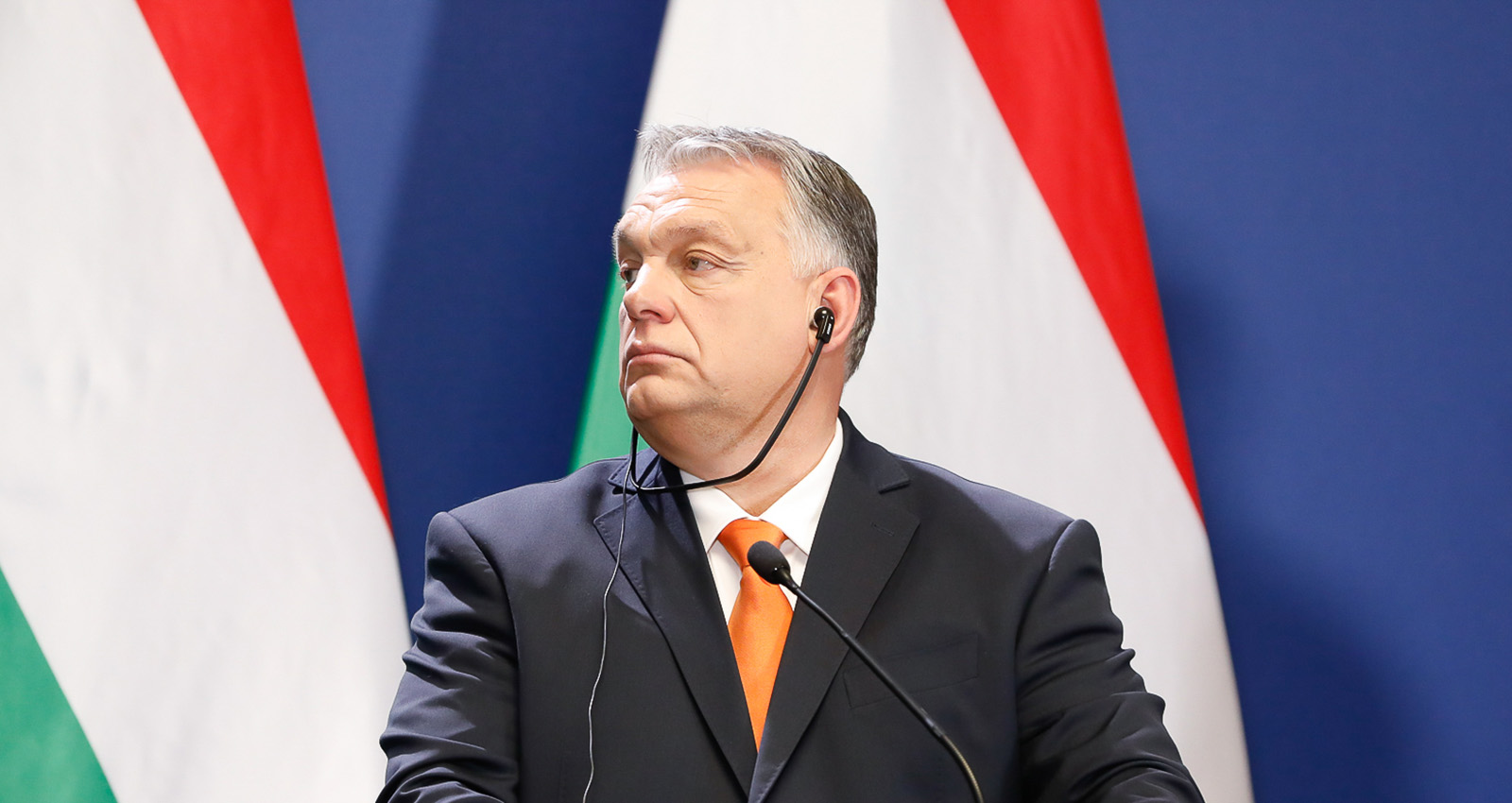
Viktor Orbán’s condemned speech at Băile Tușnad marks a dangerous turn towards fascist rhetoric. But it also reveals a larger narrative overlooked by international observers. Orbán’s party could be undergoing programmatic realignment to attract support from far-right voters in a time when his party faces great insecurity, writes Kinga Koranyi Read more
Roland Benedikter
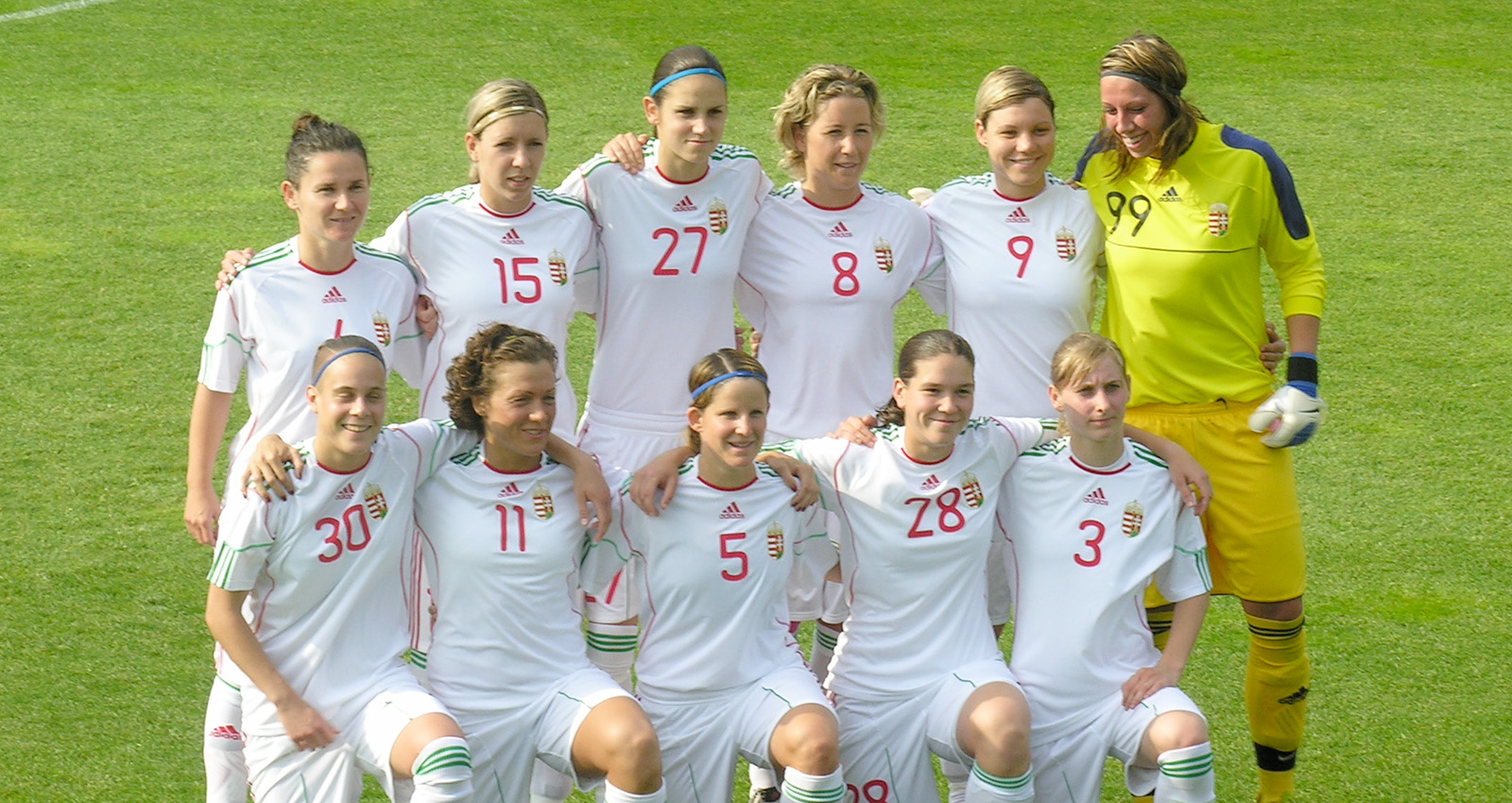
In women’s international football, teams from Western Europe dominate, while Central and Eastern European countries are absent. Roland Benedikter and Dariusz Wojtaszyn explore why women’s football apparently enjoys more success in Western than in Eastern Europe, and whether there is an appetite for change Read more
Veronica Anghel
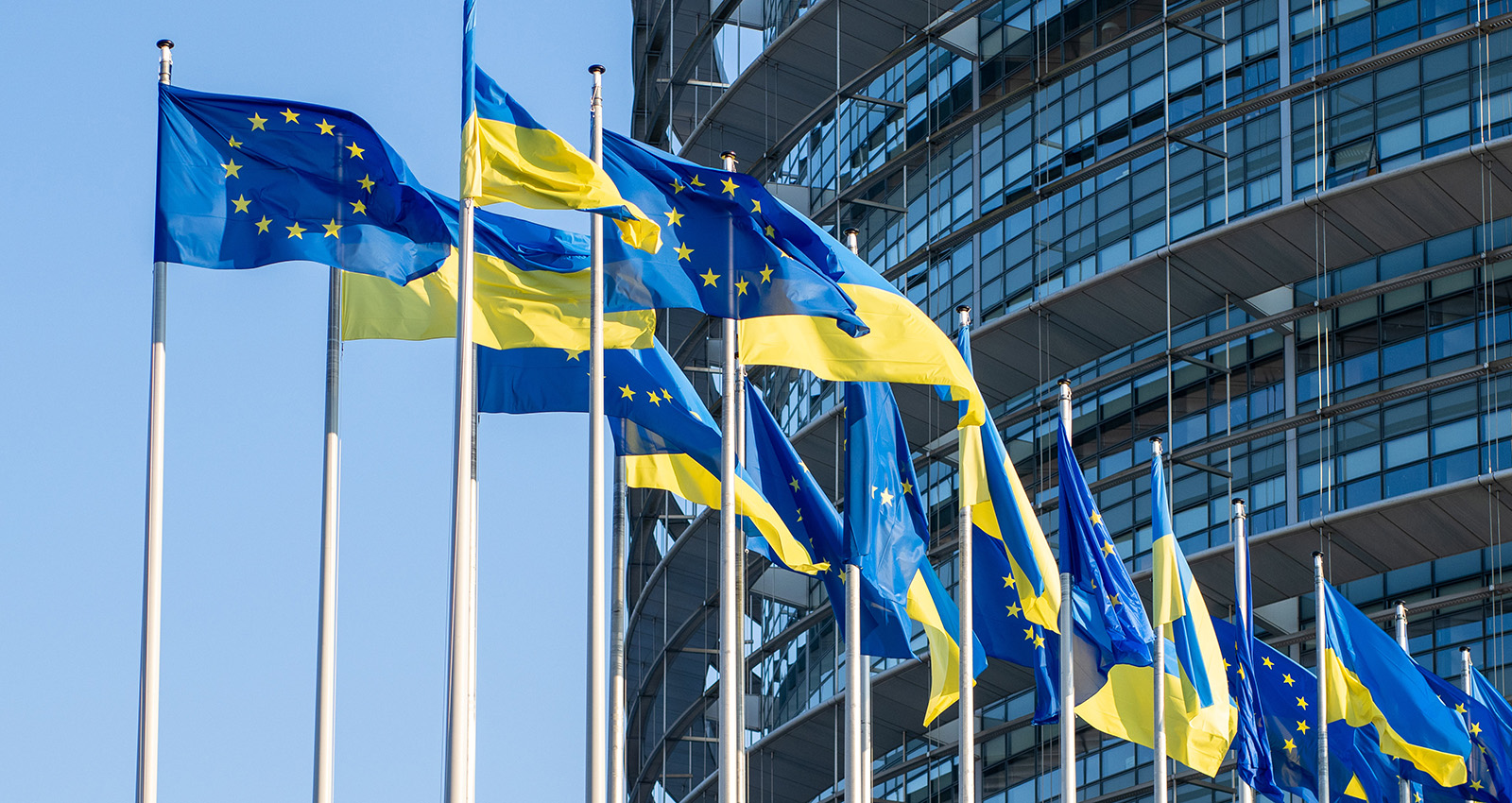
The credibility of EU membership for Ukraine and Moldova depends on how flexible member states are with the criteria for entry and the notion of full membership. Veronica Anghel and Erik Jones, drawing on analysis of previous enlargements, show that the flexibility can be considerable Read more
We use necessary cookies to make our site work. We'd also like to set analytics cookies that help us make improvements by measuring how you use the site. These will be set only if you accept.
▼
Strictly Necessary Cookies
Necessary cookies enable core functionality such as security, network management, and accessibility. You may disable these by changing your browser settings, but this may affect how the website functions.
▼
Analytics Cookies
Google Analytics
We'd like to set Google Analytics cookies to help us improve our website by collecting and reporting information on how you use it. The cookies collect information in a way that does not directly identify anyone. For more information on how these cookies work please see our Privacy Notice.