Ryan Salzman
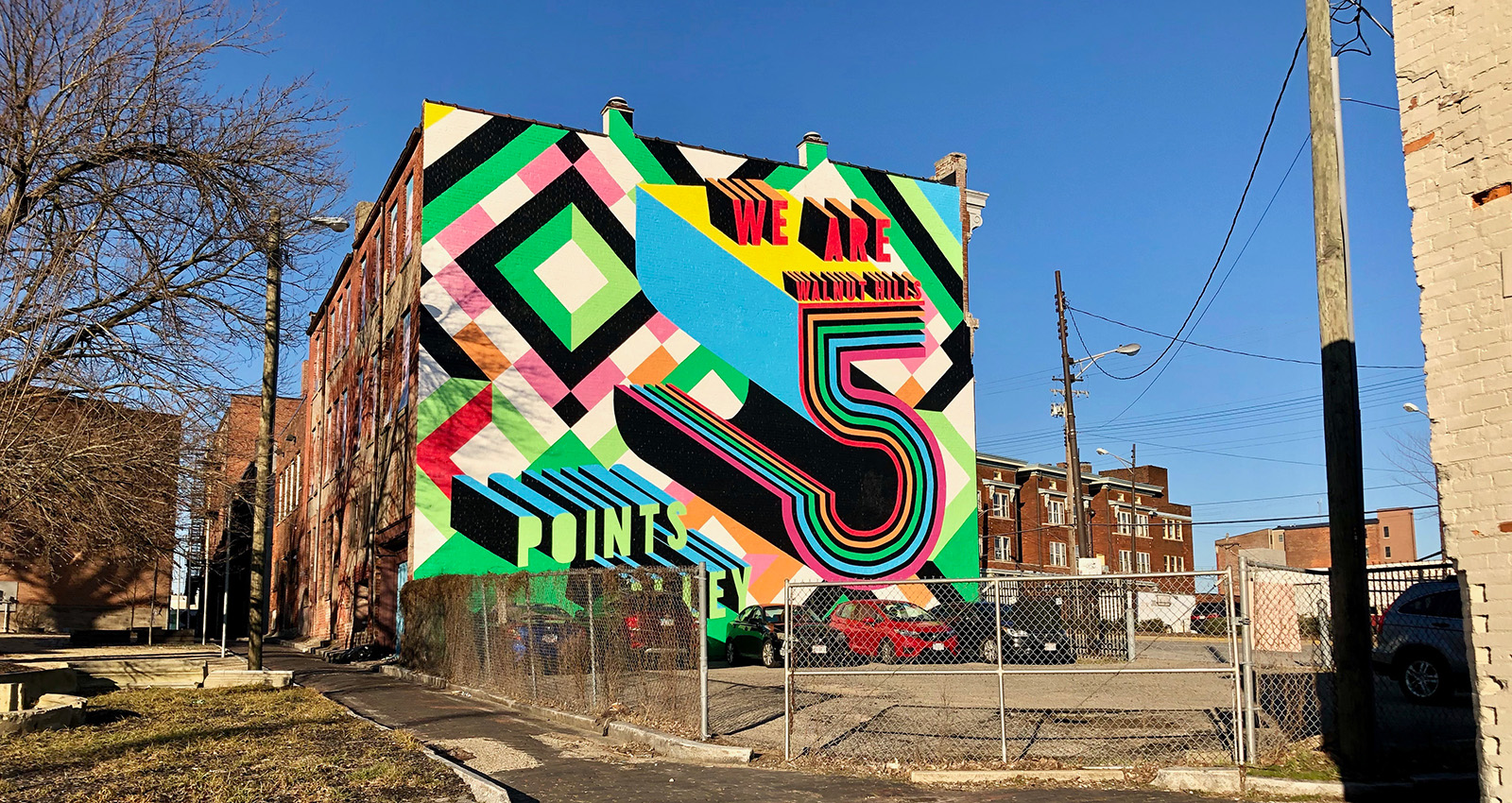
For Ryan Salzman, placemaking is a viable form of political participation that has the potential to meet or exceed some forms of traditional participation in democratic effectiveness. It is time we recognised these contemporary alternatives to traditional political participation so that we can truly understand twenty-first century democracy Read more
Nitesh Anchan
Russia justified its invasion of Ukraine mainly on political grounds, but also claimed a cultural reason: the construction of a Eurasian civilisation. To Nitesh Anchan and Priya Vijaykumar Poojary, the Russia-Ukraine war signifies that global politics in the 21st century will be dominated by the rhetoric of the civilisation state Read more
Edward Goldring
Hager Ali launched this series by pointing out that 'we lack the terminology to do anything beyond counting non-democracies'. Yet Edward Goldring argues that we sometimes struggle to accurately do that. This raises troubling questions for analyses of non-democracies – and emphasises the importance of studying history Read more
Erik Liam Severson
Defining ‘democracy’ has proven to be an arduous task, but Erik Liam Severson asks whether we need a definitive definition. He finds that the work of Ludwig Wittgenstein can offer support for the project, but indicates the value of having an open, rather than total, texture and definition of democracy Read more
Anna Drake
How should we approach a database of democracy’s words when many of these collected democracies fail to respect people’s moral and political equality? According to Anna Drake, if we want meaningful narratives to emerge, then we must confront foundational challenges to democracy and centre these in our analysis. Read more
James Wong
While Jean-Paul Gagnon’s data mountain project aims to rescue an abandoned science, others reject the study as not genuinely scientific. James Wong advocates a pluralist view of the epistemic commitments of (political) science and argues that Gagnon’s project can be grounded in scientific anti-realism and constructivism Read more
Lucy J Parry
Lucy J Parry recognises the value of a database of democracy but is concerned about its utility in the real world. If this data mountain is to bolster democratic innovation, we need to step away from detached order and engage with the messy reality of democratic innovations in practice Read more
Matthijs Bogaards
Can we see autocracy more clearly if we see it as the opposite of democracy? Or do we need to look at autocracy as a category in its own right? Matthijs Bogaards provides an answer through a critical examination of the concept of defective autocracy, the mirror of defective democracy. Read more
We use necessary cookies to make our site work. We'd also like to set analytics cookies that help us make improvements by measuring how you use the site. These will be set only if you accept.
▼
Strictly Necessary Cookies
Necessary cookies enable core functionality such as security, network management, and accessibility. You may disable these by changing your browser settings, but this may affect how the website functions.
▼
Analytics Cookies
Google Analytics
We'd like to set Google Analytics cookies to help us improve our website by collecting and reporting information on how you use it. The cookies collect information in a way that does not directly identify anyone. For more information on how these cookies work please see our Privacy Notice.