Stefan Wallaschek
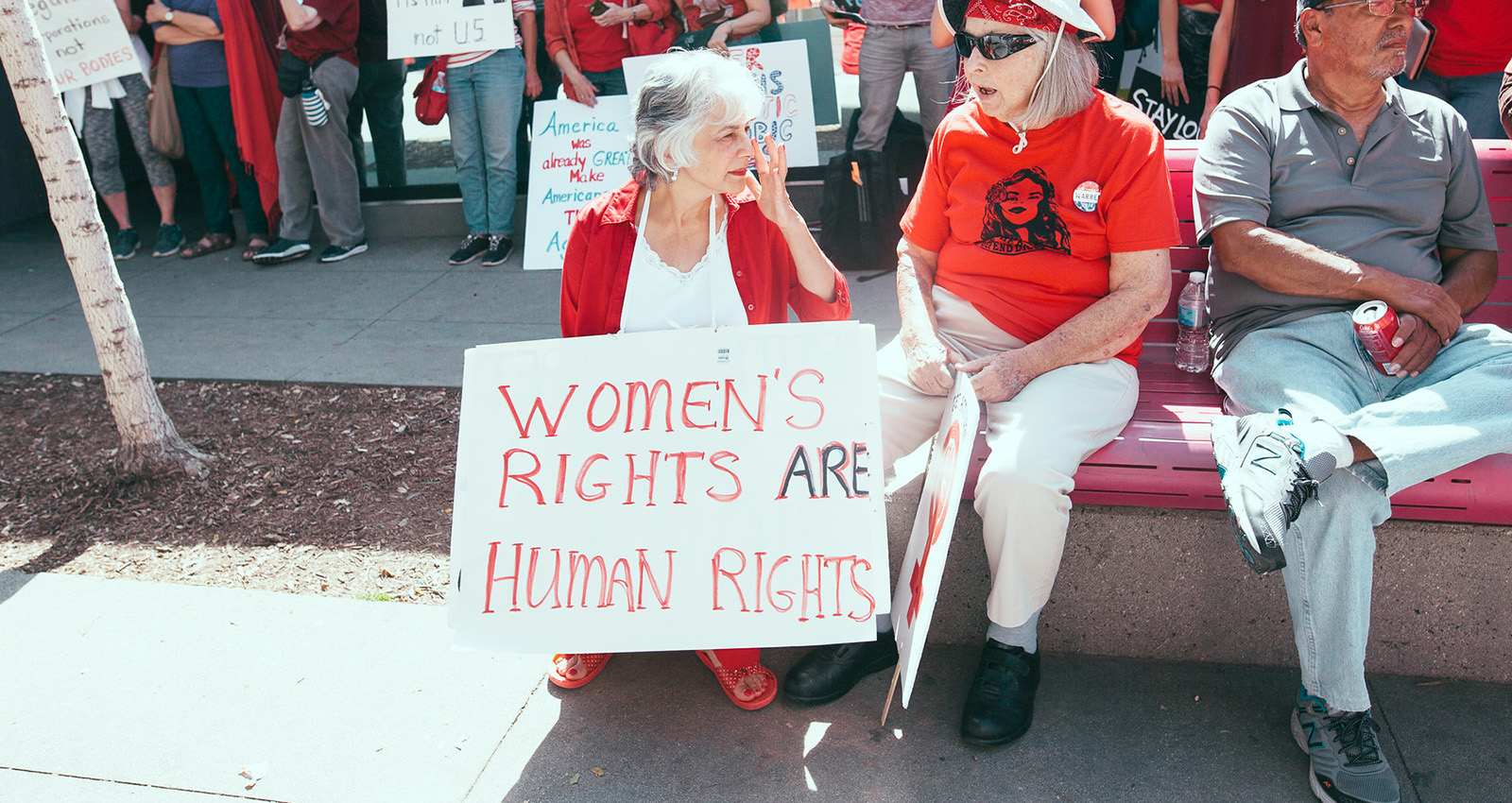
Stefan Wallaschek, Kavyanjali Kaushik, Monika Verbalytė and Aleksandra Sojka highlight how gender equality campaigns, especially around International Women's Day, are only effective by adapting their messages to the national contexts. These campaigns must incorporate initiatives that allow more citizens to mobilise and take action Across Europe, progress towards gender equality has met with resistance from […] Read more
Katrina Lee-Koo
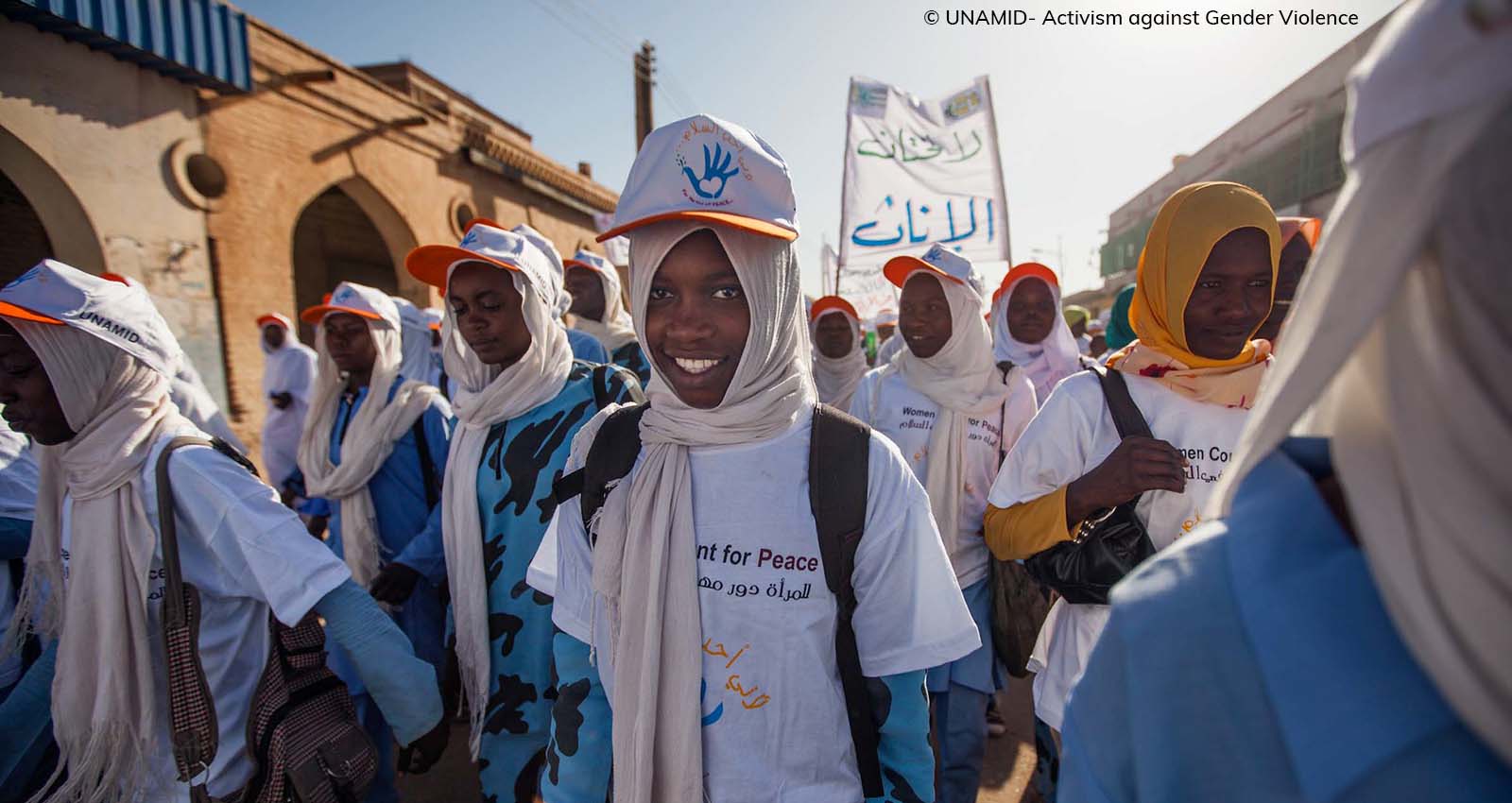
Despite the prevalence of security threats facing adolescent girls in conflict and crisis contexts, write Katrina Lee-Koo and Eleanor Gordon, they are rarely engaged in efforts to identify or address these threats. This enables the continuation of high levels of violence against them and compromises peace-building efforts Read more
Ramin Jahanbegloo
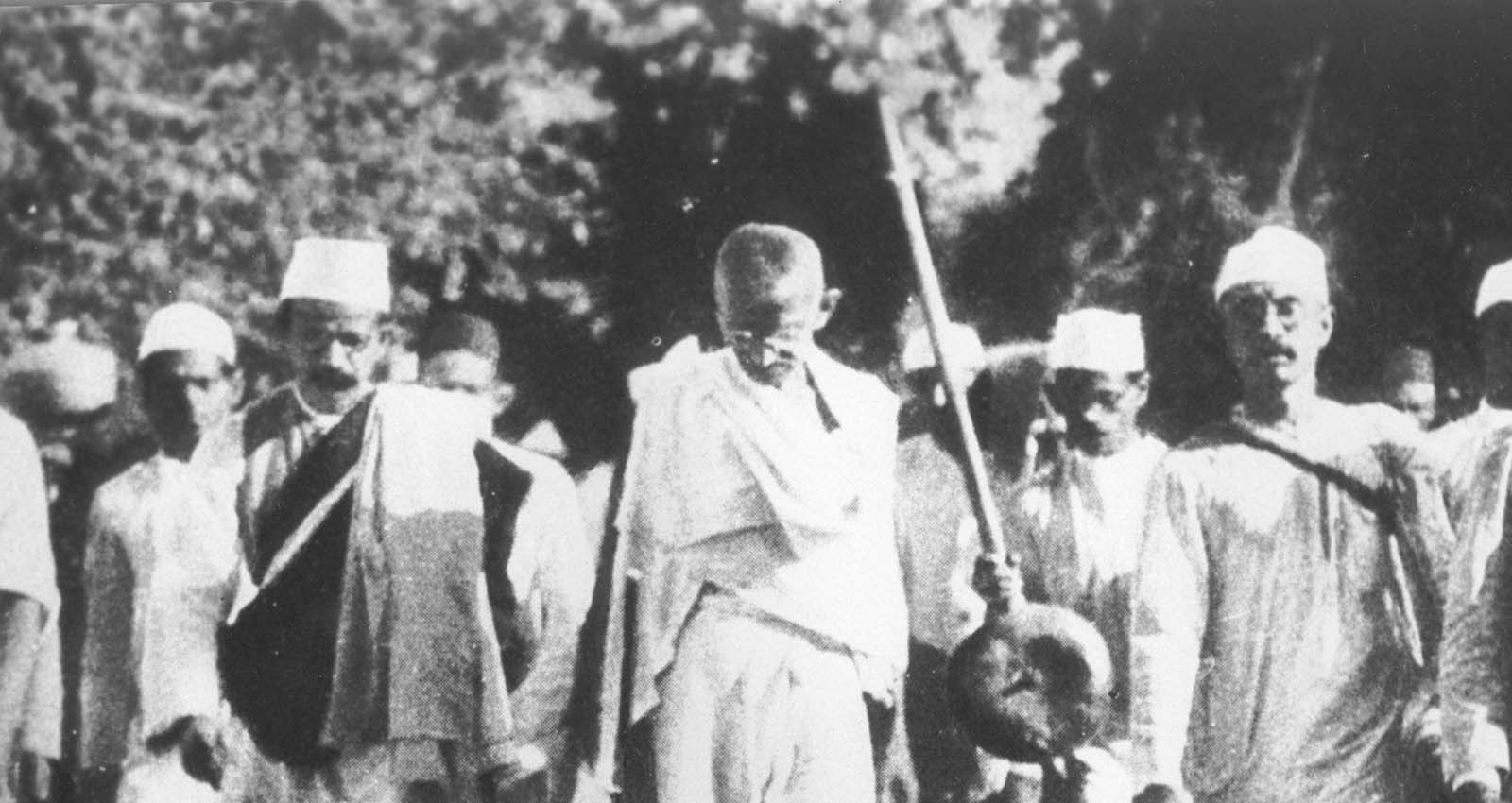
Ramin Jahanbegloo explores how Mahatma Gandhi’s non-western democratic theory prescribes empathetic emancipation through nonviolent action. Gandhi sought to bring about a truly democratic transformation of society, thereby securing an ethical social order Read more
Colm Walsh
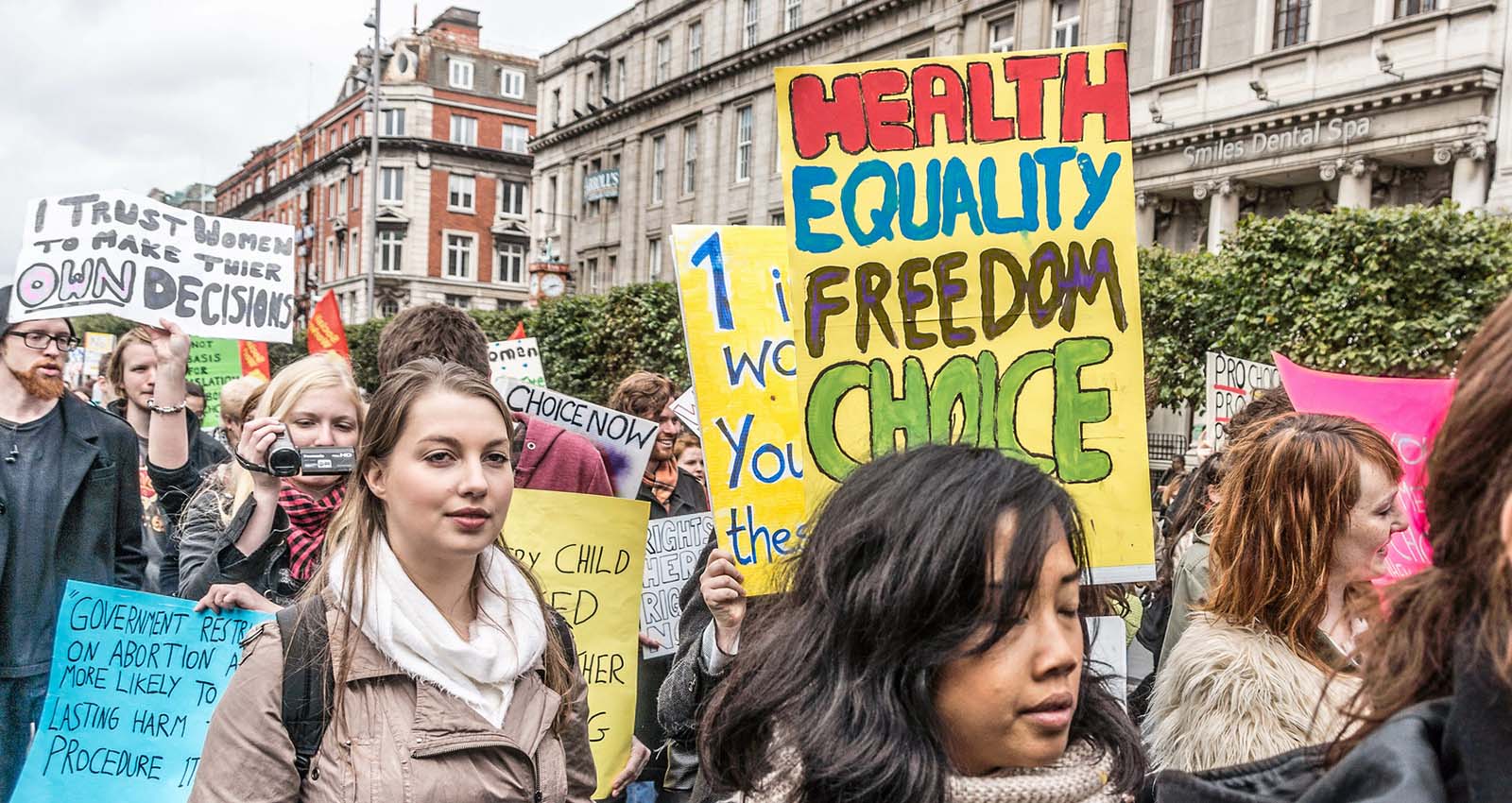
Experimentation with citizens' assemblies is flourishing throughout the world. Using Ireland as a case study, Colm D. Walsh finds that, while these assemblies offer democracy great promise and have strong citizen support, ensuring equal participation in them remains a challenge Read more
Costas Panayotakis
Costas Panayotakis analyses the popular claim that 'every vote counts' in a democracy. He finds it is based on false assumptions and a misunderstanding of statistical probability. Voting and democratic participation, he concludes, are not based on individualistic self-interest but on some degree of idealism and solidarity Read more
Franziska Maier
Citizenship is a contested and multifaceted concept. Yet despite their differences, all German citizens see citizenship as something more than just a legal status. Franziska Maier finds that common to all German citizens is a desire for connectivity Read more
Carolina Plescia
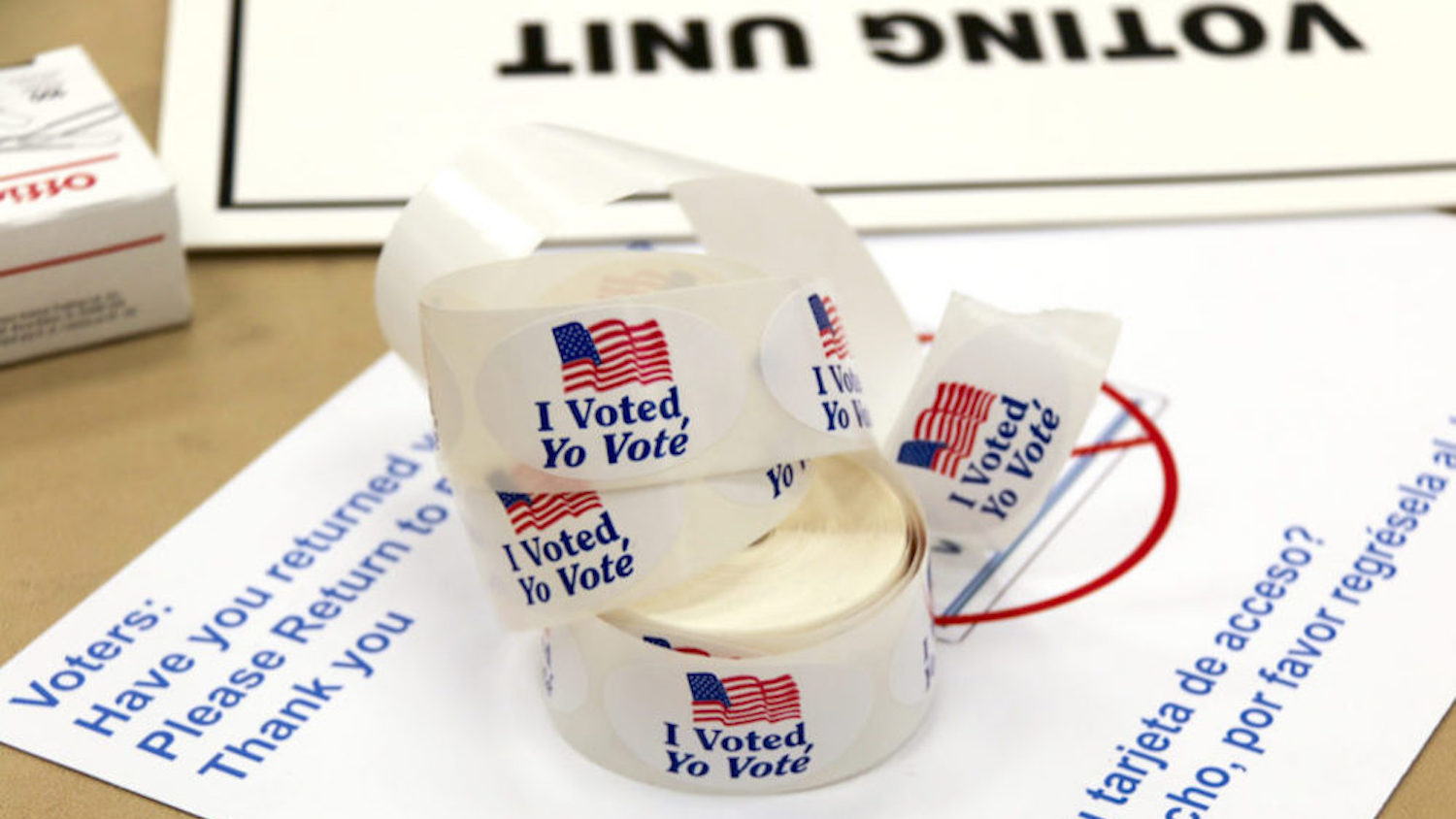
Interest in postal voting has increased during the pandemic as a means to avoid in-person contact. But exactly who is choosing to vote by mail? Carolina Plescia, Semra Sevi and André Blais find that the biggest cleavage in US citizen preferences about how to vote is generational, not ideological Read more
Martín Portos
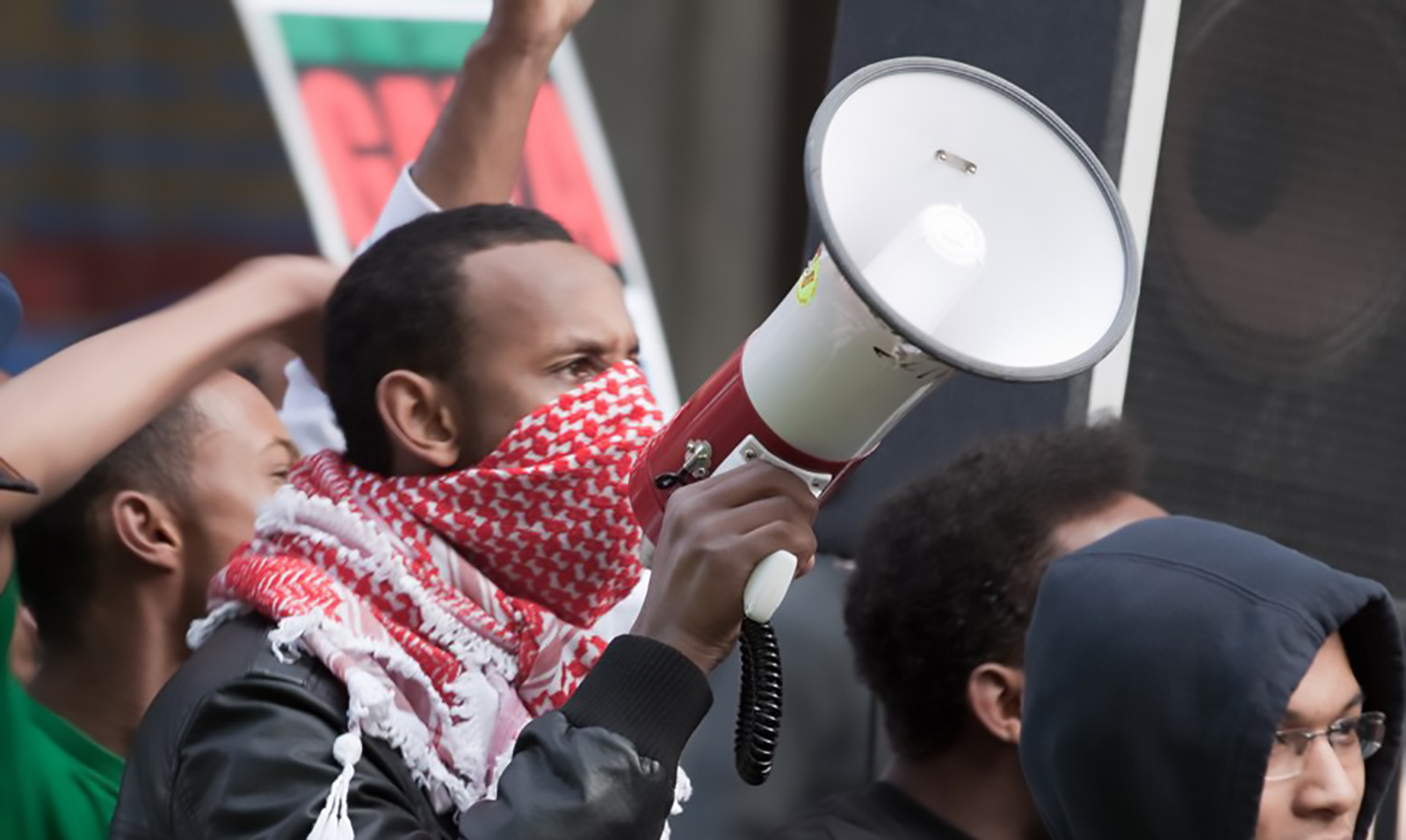
The fight against corruption has been at the heart of recent mass protests across the world. But does corruption drive political participation, and if so, who is it mobilising? Research by Raffaele Bazurli and Martín Portos suggests – counterintuitively – that people with less education are the most likely to rise up Read more
We use necessary cookies to make our site work. We'd also like to set analytics cookies that help us make improvements by measuring how you use the site. These will be set only if you accept.
▼
Strictly Necessary Cookies
Necessary cookies enable core functionality such as security, network management, and accessibility. You may disable these by changing your browser settings, but this may affect how the website functions.
▼
Analytics Cookies
Google Analytics
We'd like to set Google Analytics cookies to help us improve our website by collecting and reporting information on how you use it. The cookies collect information in a way that does not directly identify anyone. For more information on how these cookies work please see our Privacy Notice.