Matt Polacko
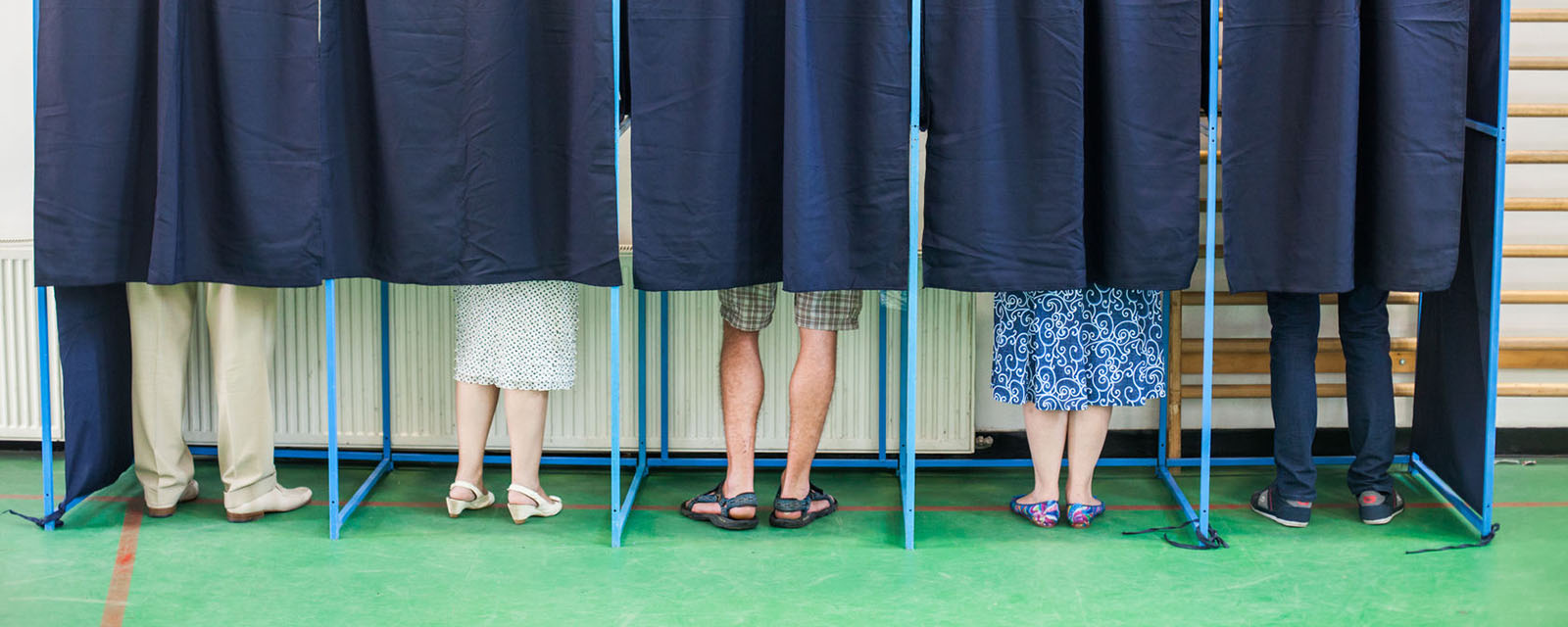
The rich are more likely to vote than the poor. This, along with income inequality, are increasing phenomena across the West. Matt Polacko introduces supply-side logic to reveal that higher levels of income inequality are indeed associated with reduced voting rates, and a wider income gap in turnout. However, it is possible to mitigate both […] Read more
Markus Patberg
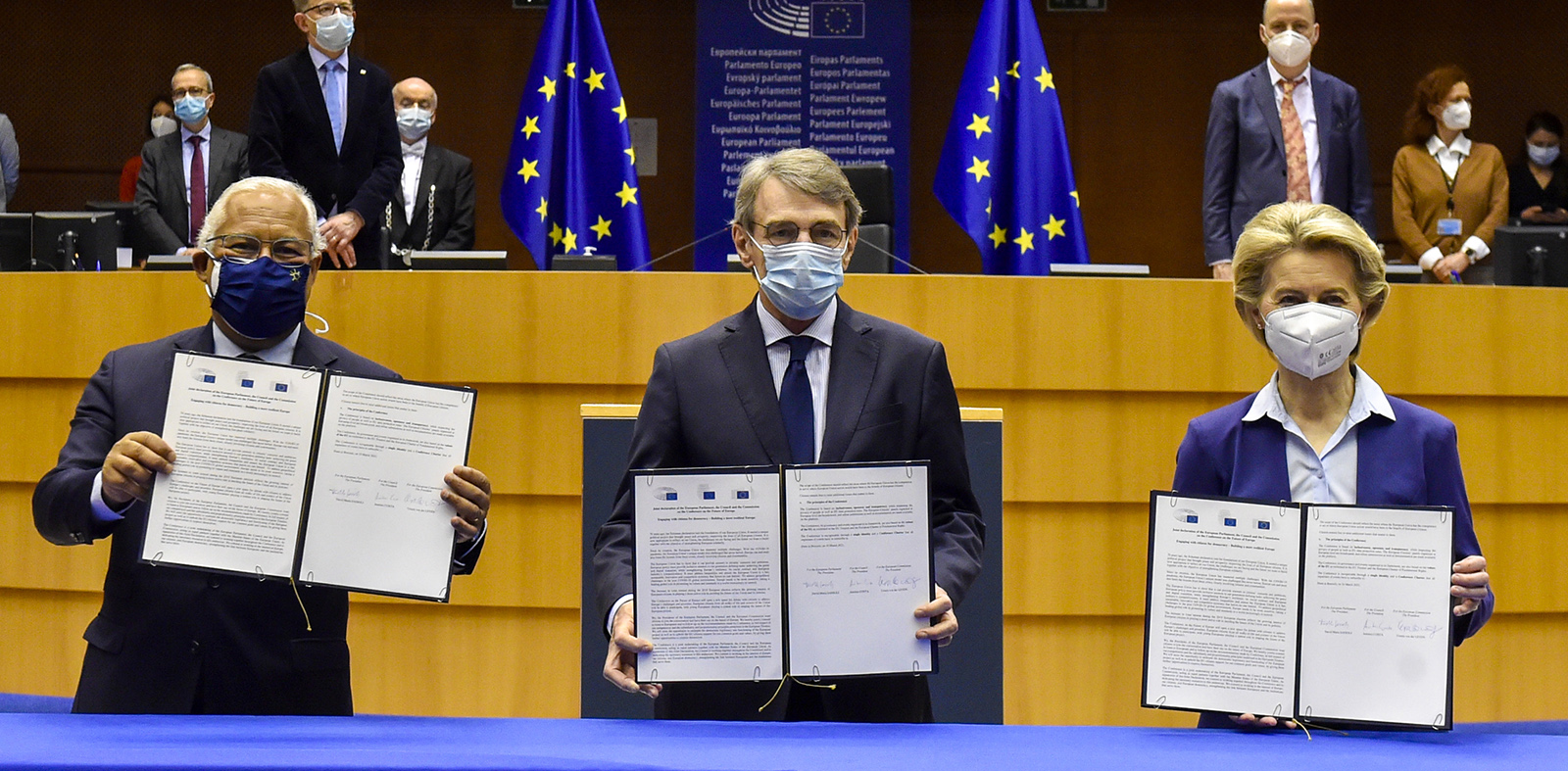
The Conference on the Future of Europe aims to produce proposals for EU ureform in a participatory manner. Yet, writes Markus Patberg, its setup suggests top-down steering, and lacks a clear conception of democratic authorisation. The envisaged forms of broad but unsystematic inclusion might even be counterproductive to the declared goal of empowering citizens Read more
Benjamin Leruth
A new European party, Volt, debuted in the Tweede Kamer following last week's Dutch elections. The party faces challenges, but it could play a role in domestic political landscapes throughout Europe, writes Benjamin Leruth Read more
Stefanie Reher
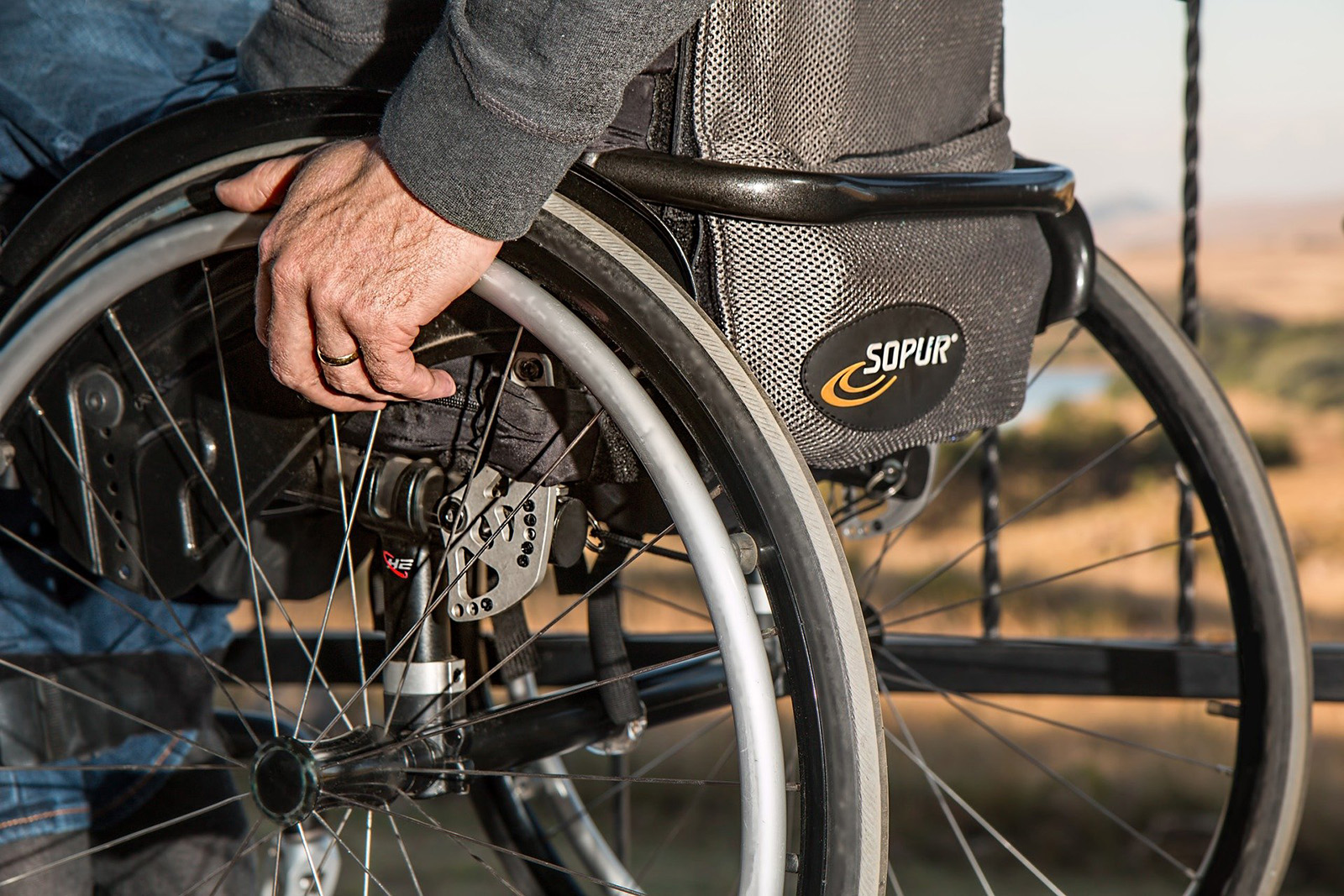
Disabled people are underrepresented in elected office, so it's unlikely that public policy will reflect the interests of the 15% of the population living with disability. Stefanie Reher argues that we need to better understand the causes, and consequences, of such low representation Read more
Julia Schulte-Cloos
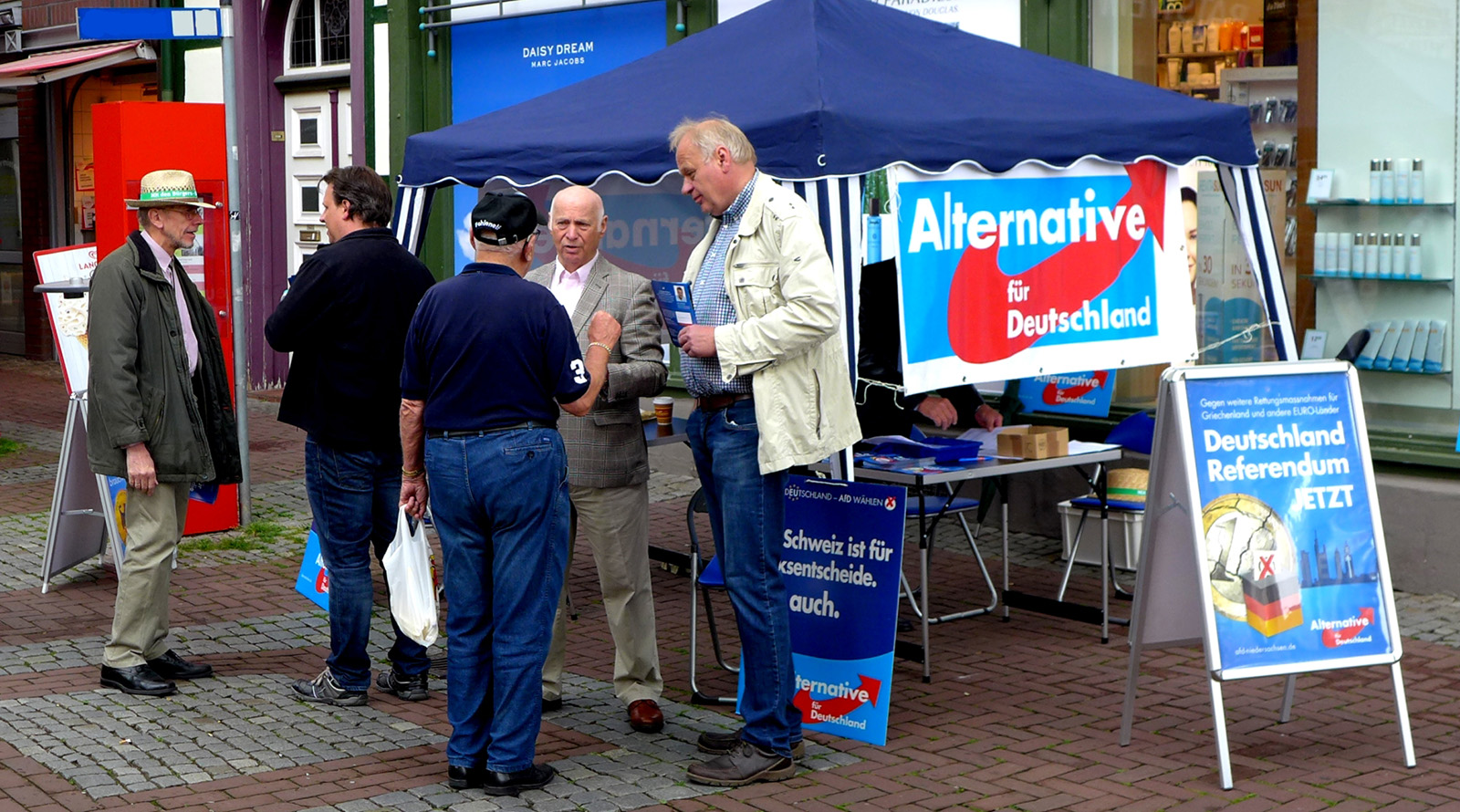
To understand support for right-wing populist parties, we need to analyse not just voters who disengage from established parties, but also those who never voted in the first place, writes Julia Schulte-Cloos Read more
Maria Gloria Polimeno
The EU has failed to support democracy and political change in the Middle East and North Africa. Maria Gloria Polimeno argues for a more inclusivist social approach, along with radically revised foreign policy Read more
Luca Bernardi
Luca Bernardi and Robert Johns explore whether clinical depression may have contributed to Brexit. The striking evidence of depression influencing political attitudes suggests that connections between the two should be more thoroughly explored, especially as they show the potential to breed political alienation Read more
Ruairidh Brown
The pandemic has revealed the importance of civic solidarity and public trust, writes Ruairidh Brown. But they function best in a context of ‘friendship', a concept which needs to be recognised as central to political thinking in a post-Covid world Read more
We use necessary cookies to make our site work. We'd also like to set analytics cookies that help us make improvements by measuring how you use the site. These will be set only if you accept.
▼
Strictly Necessary Cookies
Necessary cookies enable core functionality such as security, network management, and accessibility. You may disable these by changing your browser settings, but this may affect how the website functions.
▼
Analytics Cookies
Google Analytics
We'd like to set Google Analytics cookies to help us improve our website by collecting and reporting information on how you use it. The cookies collect information in a way that does not directly identify anyone. For more information on how these cookies work please see our Privacy Notice.