Brigitte Geißel
Most people agree that citizens are the sovereign in a democracy, but this principle is amazingly neglected when it comes to the design of democracy. Brigitte Geißel advocates for a new approach. Democracy means self-governing, so citizens should decide how to govern themselves Read more
Peter Gardner
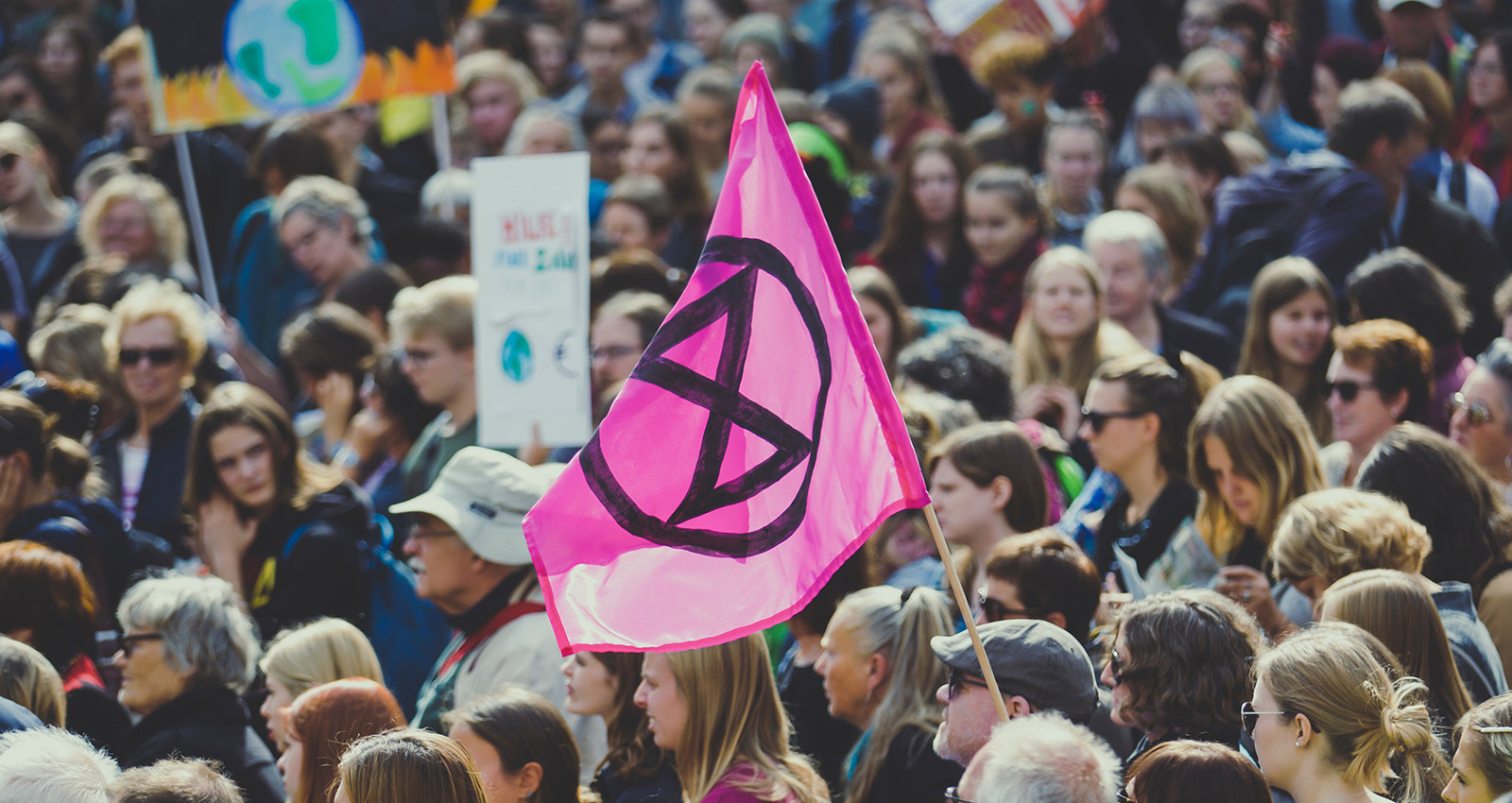
Extinction Rebellion was created in 2018 by a small band of activists in Bristol, UK. By summer 2021, it was active in 79 countries across all continents bar Antarctica. Pete Gardner, Tiago Carvalho and Maria Valenstain argue that mass protest was key to the movement’s spread around the globe Read more
Anna Drake
How should we approach a database of democracy’s words when many of these collected democracies fail to respect people’s moral and political equality? According to Anna Drake, if we want meaningful narratives to emerge, then we must confront foundational challenges to democracy and centre these in our analysis. Read more
Lucy J Parry
Lucy J Parry recognises the value of a database of democracy but is concerned about its utility in the real world. If this data mountain is to bolster democratic innovation, we need to step away from detached order and engage with the messy reality of democratic innovations in practice Read more
Christoph Arndt
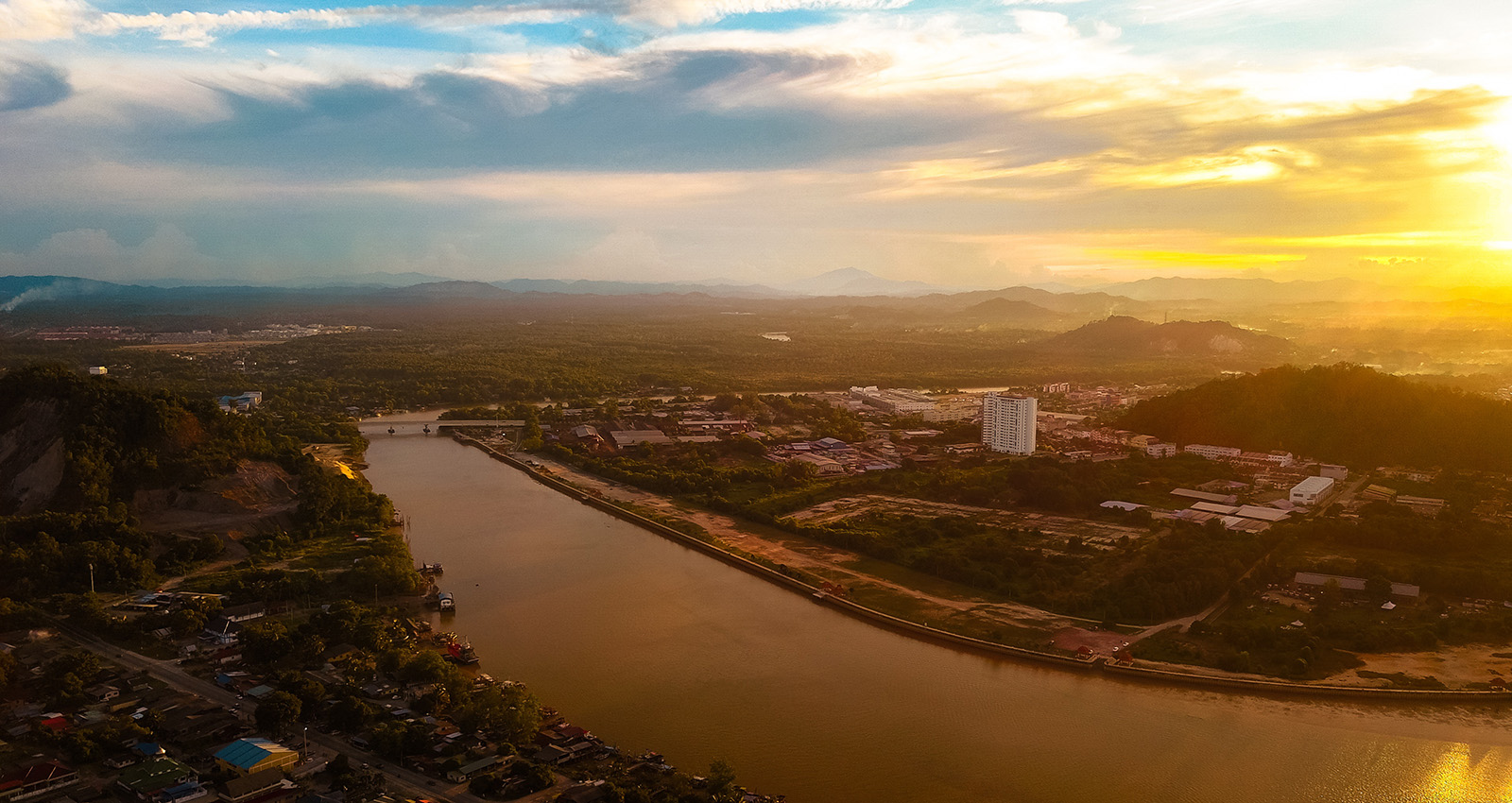
Recent European elections have revealed that voters are increasingly polarised on environmental protectionism. Christoph Arndt, Daphne Halikiopoulou and Christos Vrakopoulos contend that local opposition to climate change measures is reinforcing a centre-periphery cleavage in Western Europe Read more
Marco Bitschnau
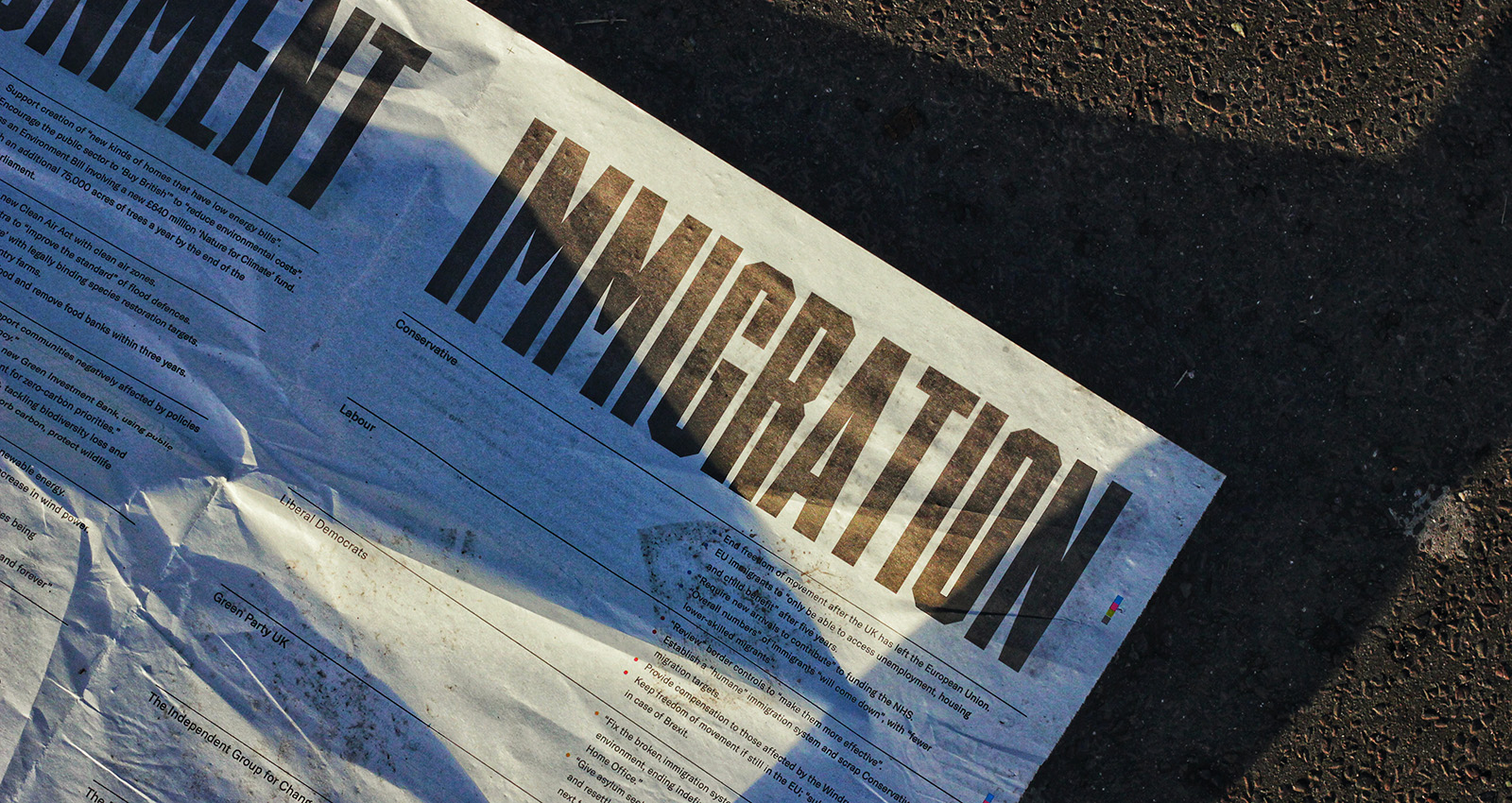
Most people hold deep-seated misperceptions about immigration, painting its nature, effects, and governance in excessively dark colours. This reflects concerns about out-group threat and tends to be resistant to correction efforts. It is also, argue Marco Bitschnau and Philipp Lutz, highly problematic for democracies Read more
Erica Dorn
Democracy today is a colonial artefact tied to violent borders. Moreover, it produces an increasing number of non-citizens, unable to participate in democracy where they live. Erica Dorn and Federico Vaz argue that Gagnon's courageous enquiry into defining the historical landscape of democracy can bring more equity to its current – unjust – paradigm Read more
Mihnea Tănăsescu
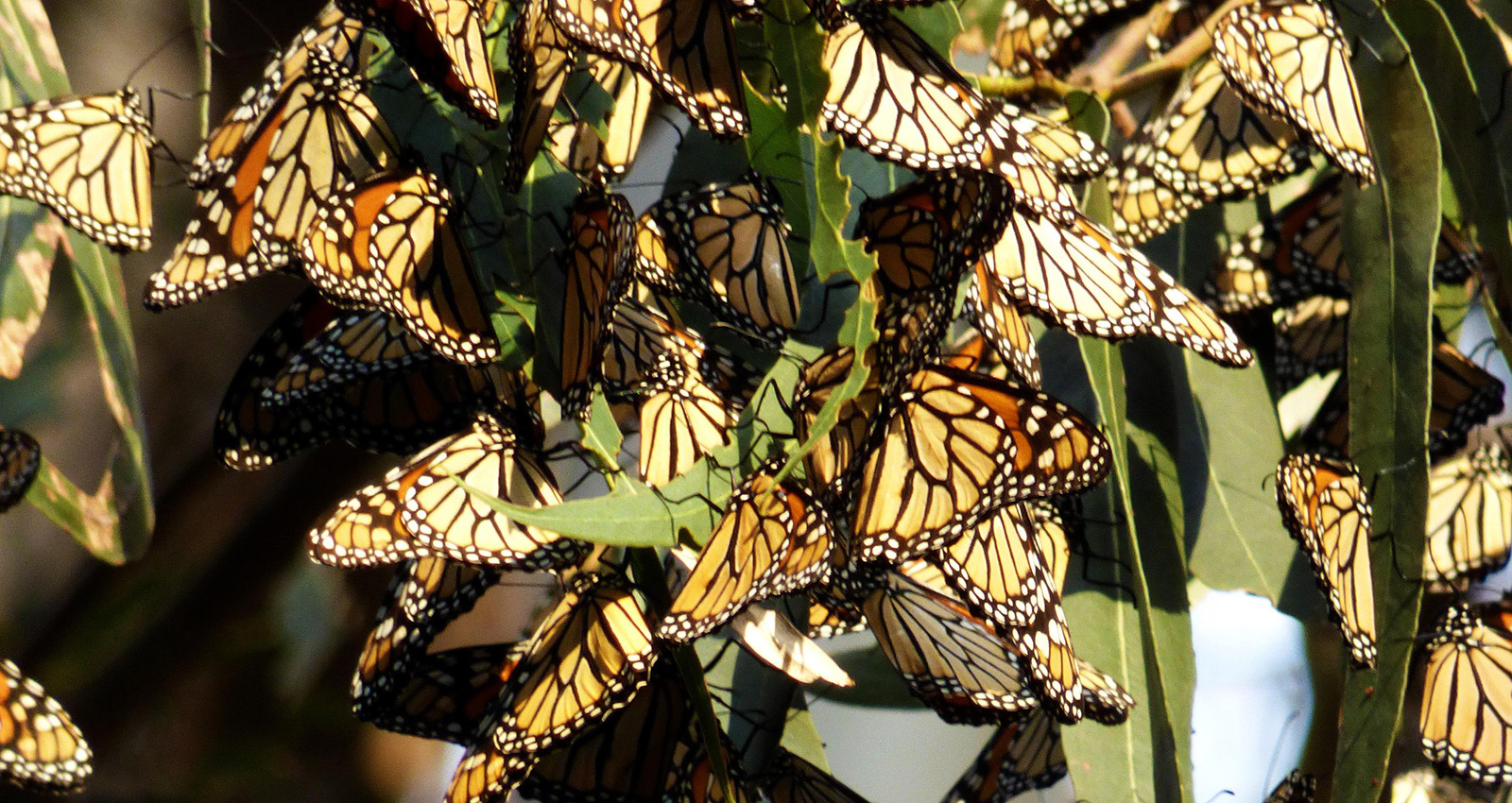
ntal loss does not announce the age of humans, but that of ecology. Mihnea Tănăsescu argues we have entered the Ecocene, the time when ecological processes reign supreme in terms of political ideas and ways of living with disruptive change Read more
We use necessary cookies to make our site work. We'd also like to set analytics cookies that help us make improvements by measuring how you use the site. These will be set only if you accept.
▼
Strictly Necessary Cookies
Necessary cookies enable core functionality such as security, network management, and accessibility. You may disable these by changing your browser settings, but this may affect how the website functions.
▼
Analytics Cookies
Google Analytics
We'd like to set Google Analytics cookies to help us improve our website by collecting and reporting information on how you use it. The cookies collect information in a way that does not directly identify anyone. For more information on how these cookies work please see our Privacy Notice.