Alexander Dukalskis
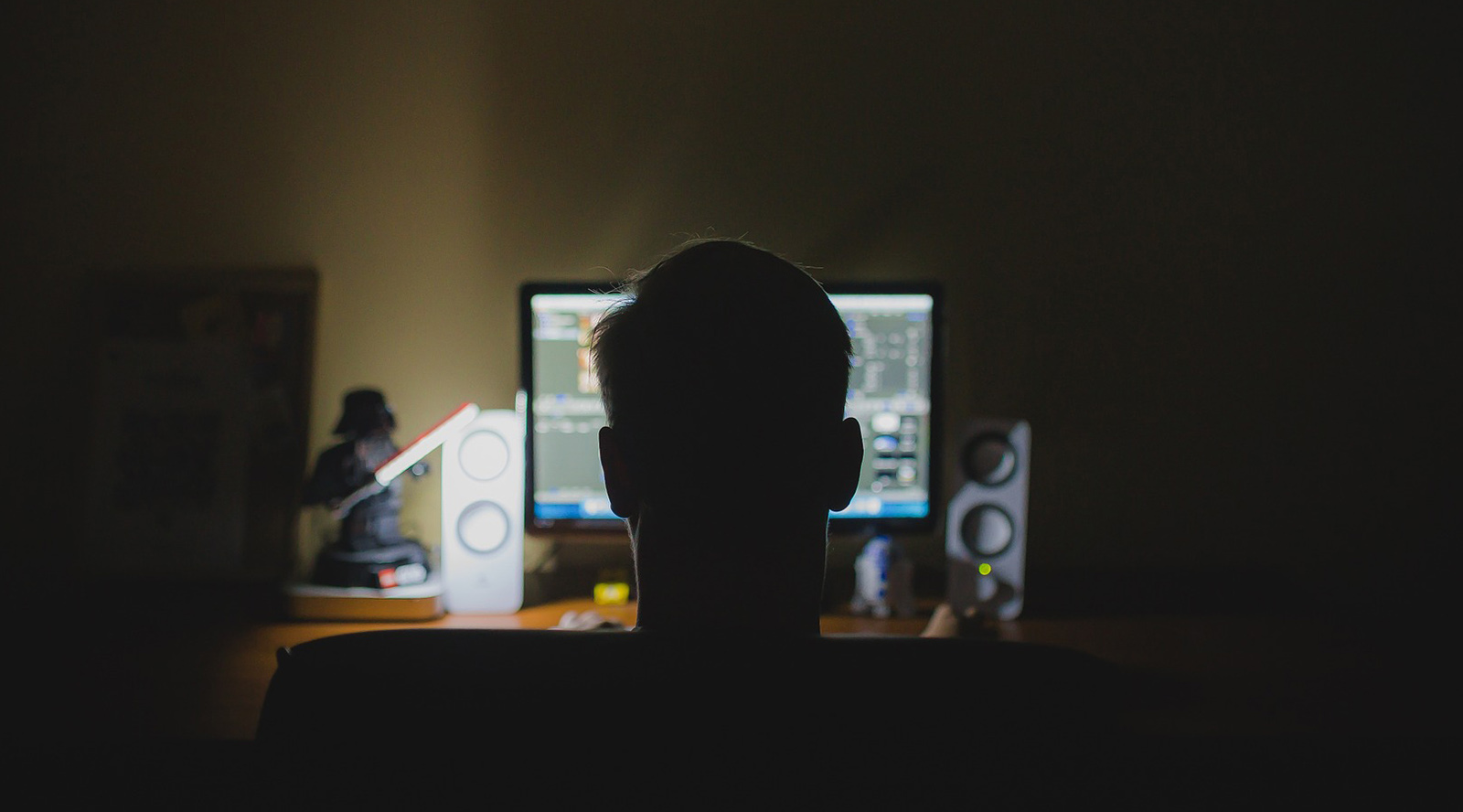
Authoritarian states deliberately use a number of tools to manage their image internationally, writes Alexander Dukalskis. Creating positive news, distracting and silencing critique, and shaping elite opinion help make the world safer for dictatorships Read more
Ruairidh Brown
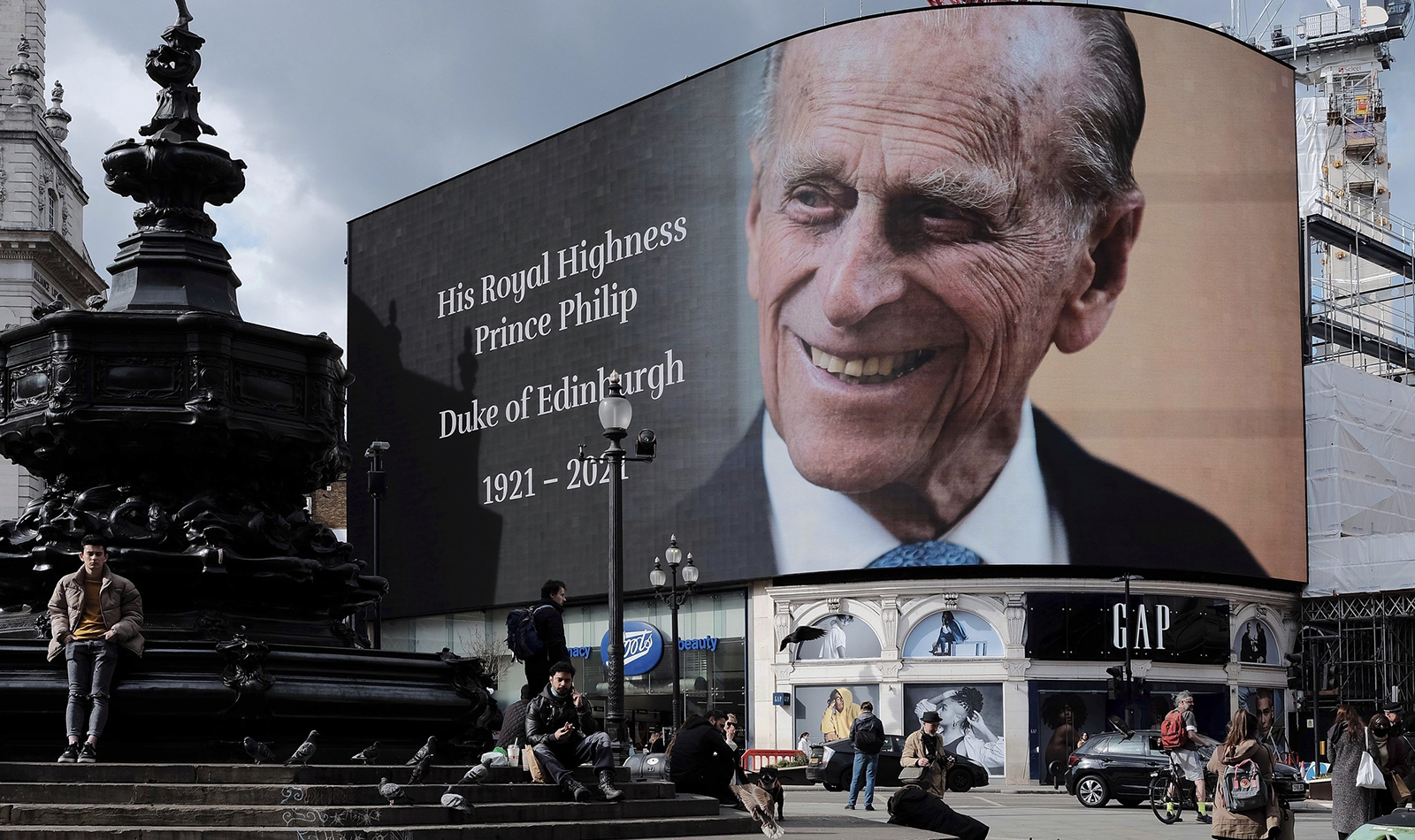
As coverage of Prince Phillip's death becomes the most complained about event in British television history, Ruairidh Brown argues that, despite its role as the UK’s national public broadcaster, the BBC must avoid normative attempts to dictate public sentiment Read more
Ruairidh Brown
Too close an association between the BBC and the Union flag will damage the former’s claims to objectivity, writes Ruairidh Brown. It comes at a time when the impartiality of the service is increasingly challenged – at home and abroad Read more
Vicente Valentim
Do radical-right parties render political debate more negative?Recent studies indicate they might. But Tobias Widmann and Vicente Valentim show this is not true in Germany, where political discourse among mainstream parties becomes more positive when confronted with rhetoric from radical-right challengers Read more
Annemarie Walter
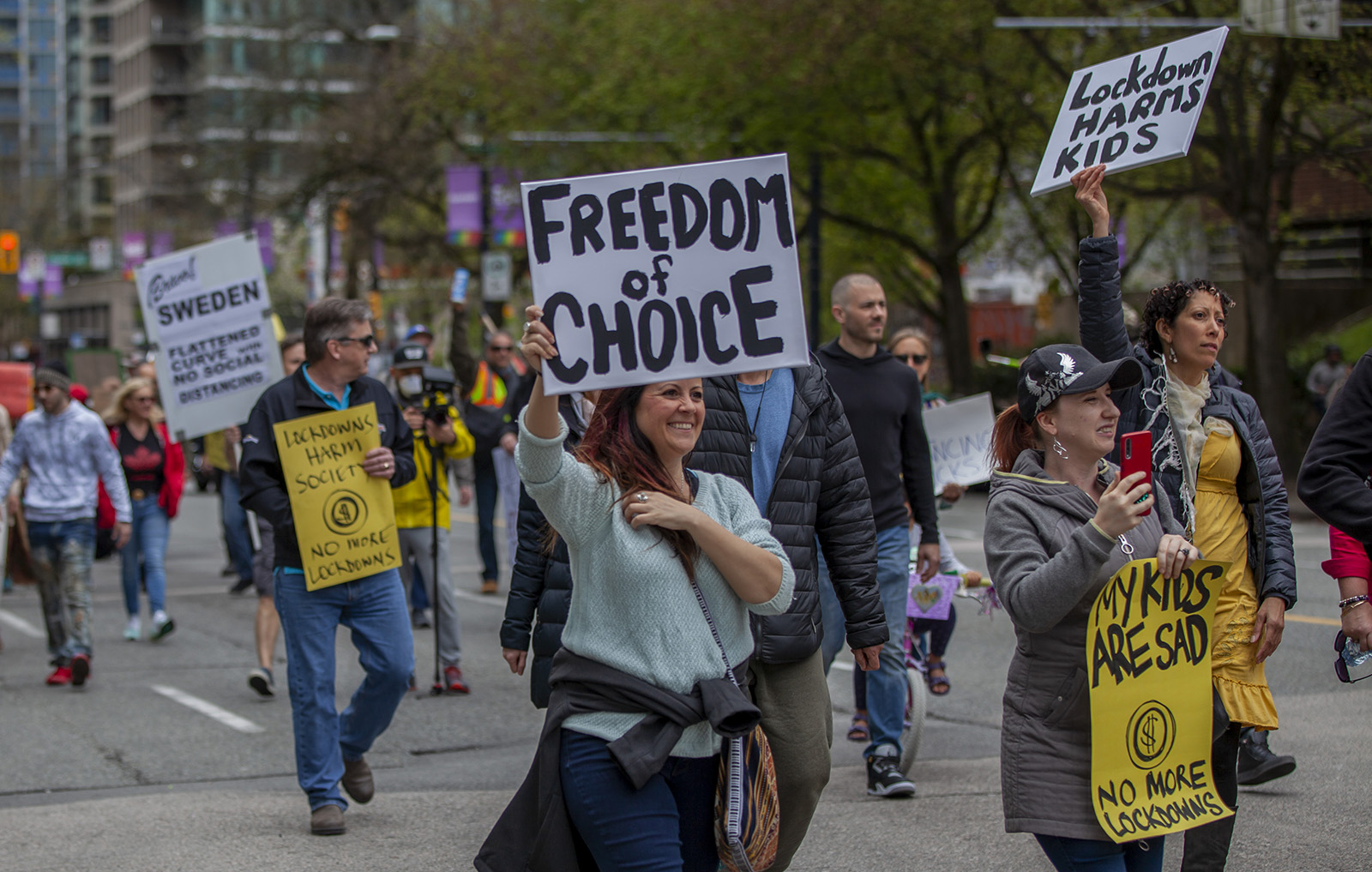
During the coronacrisis, conspiracy theories have proliferated, and politicians who use them for political gain are – at least partly – to blame. Let the January attack on the US Capitol be a warning to Europe, write Annemarie Walter and Hugo Drochon Read more
Kiryl Kascian
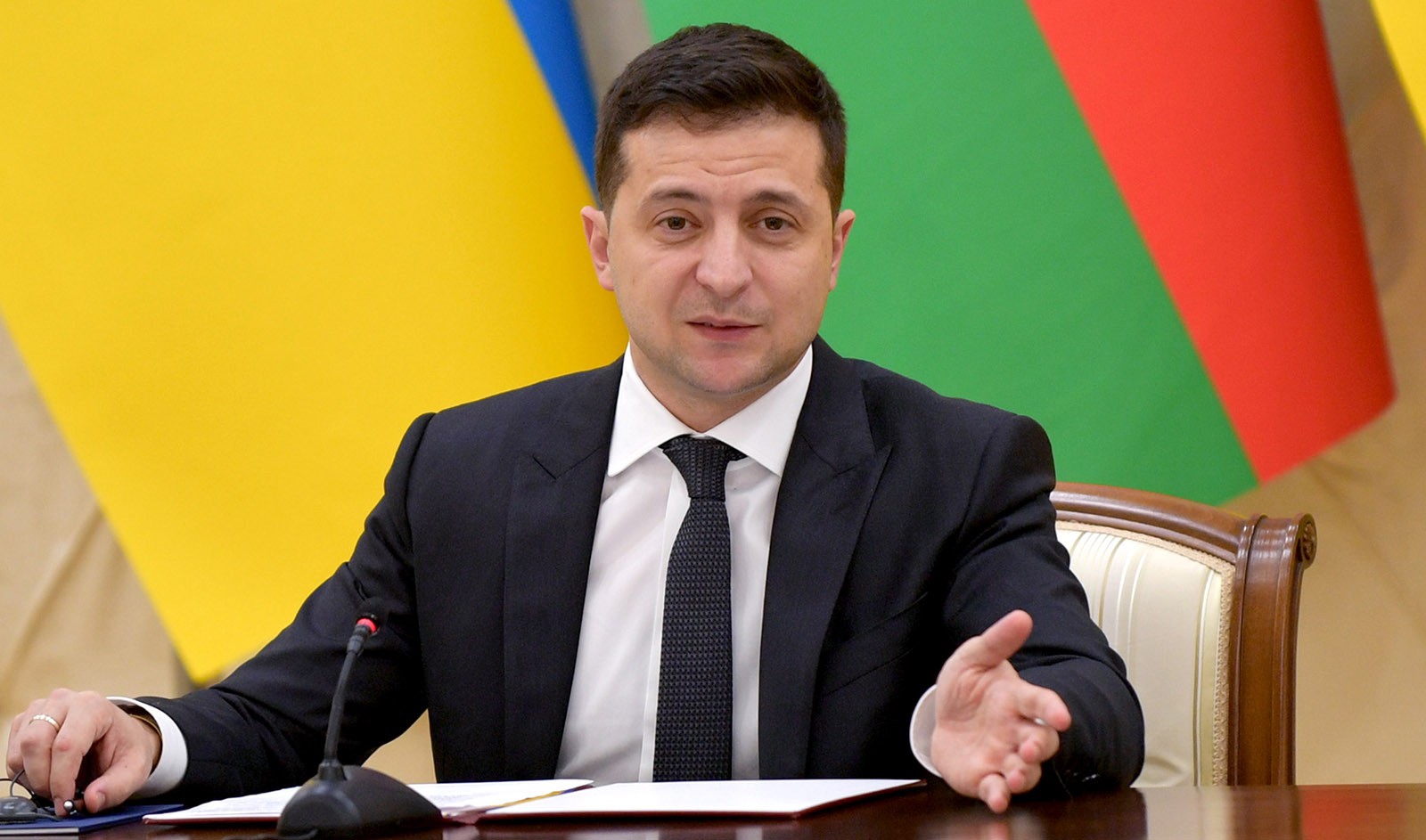
In February 2021, Ukraine president Volodymyr Zelensky banned three TV channels branded pro-Russian propaganda. Sanctions and criminal charges against politicians and public figures followed. But these measures, argues Kiryl Kascian, cannot help Ukraine's counter-Russian strategy Read more
Daniel Braby
Identifying the different positions of MPs inside the same political parties is a longstanding problem for political science. Daniel Braby and Marius Sältzer argue that applying automated content analysis to MPs' Twitter timelines offers a robust impression of sub-party positions Read more
Mirko Heinzel
The pandemic has led to an increase in experts' authority – yet substantial contestation of their expertise, write Mirko Heinzel and Andrea Liese. This polarisation poses a risk for proper public deliberation and the fight against Covid Read more
We use cookies to ensure that we give you the best experience on our website. If you continue to use this site we will assume that you are happy with it.