Stefano Braghiroli
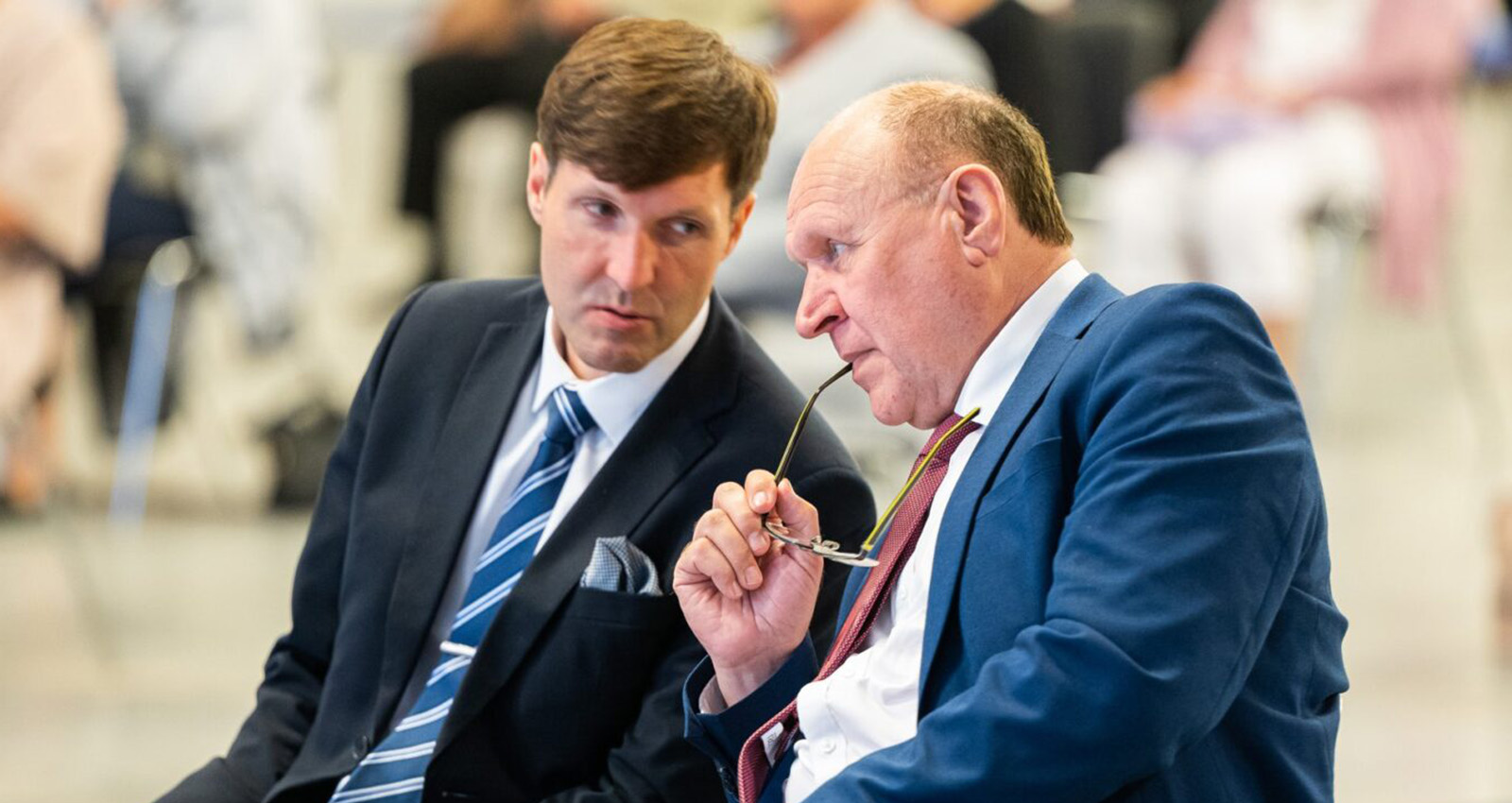
Stefano Braghiroli and Andrey Makarychev chart a change in the Estonian National Conservative Party (EKRE). Lately, it has appealed for the first time to Russian-speaking minorities – an attempt at a similar process to the League’s transformation into a national party in Italy. Unlike the Lega, though, they face the obstacle of the Russian invasion of Ukraine Read more
Christoph Deppe
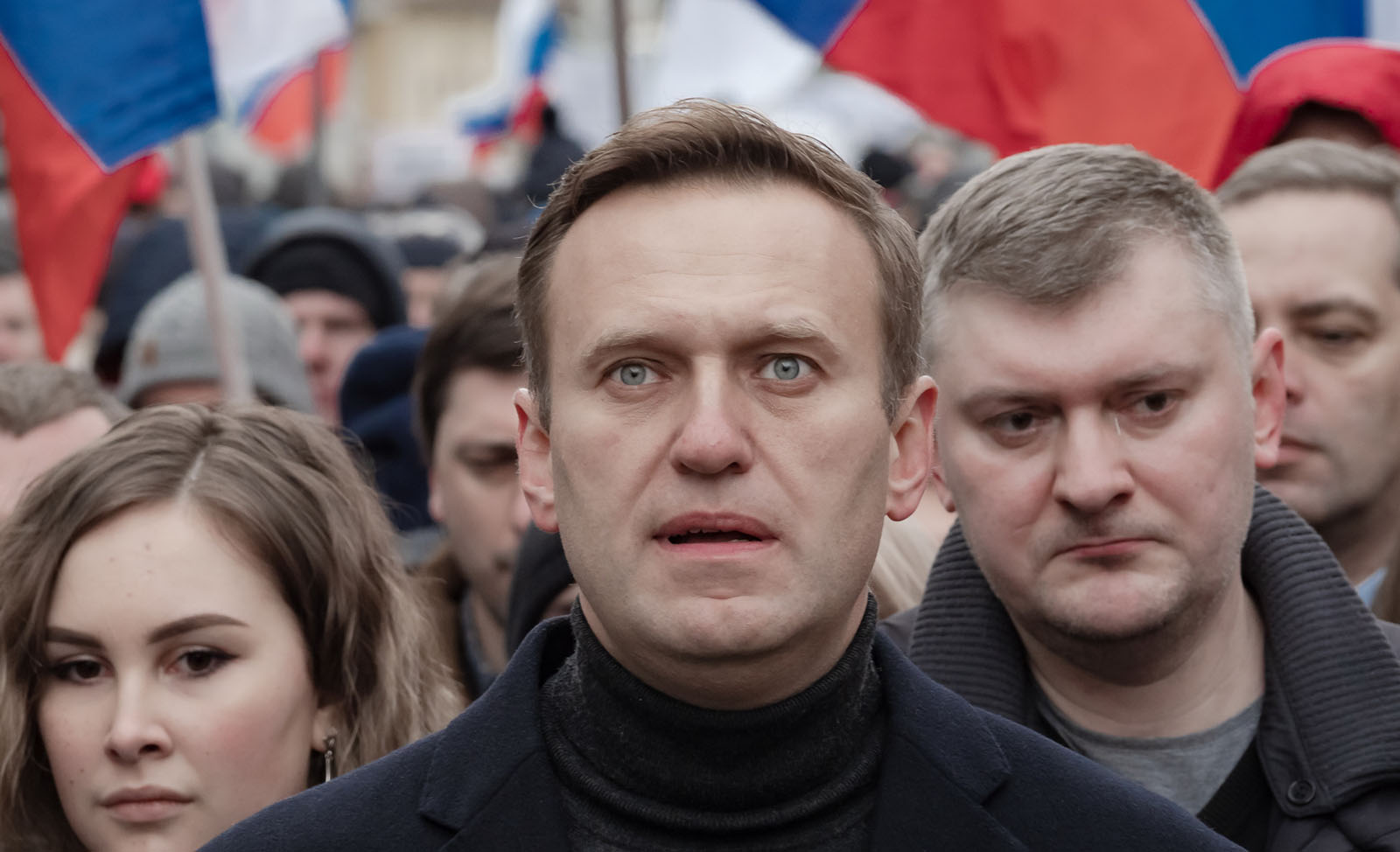
Disinformation affects democratic systems and lowers the deliberative quality of our society. Analysing press coverage of the poisoning of Alexei Navalny, Christoph Deppe and Gary S. Schaal reveal that Russia Today journalists instrumentalise democratic institutions – including German government press conferences – in their favour Read more
Andreas Avgousti
Andreas Avgousti asserts that collecting democracy’s words gives us a window into the democratic imagination. He reads Jean-Paul Gagnon’s expanding database as an illustration of democratic virtues Read more
Felipe Arocena
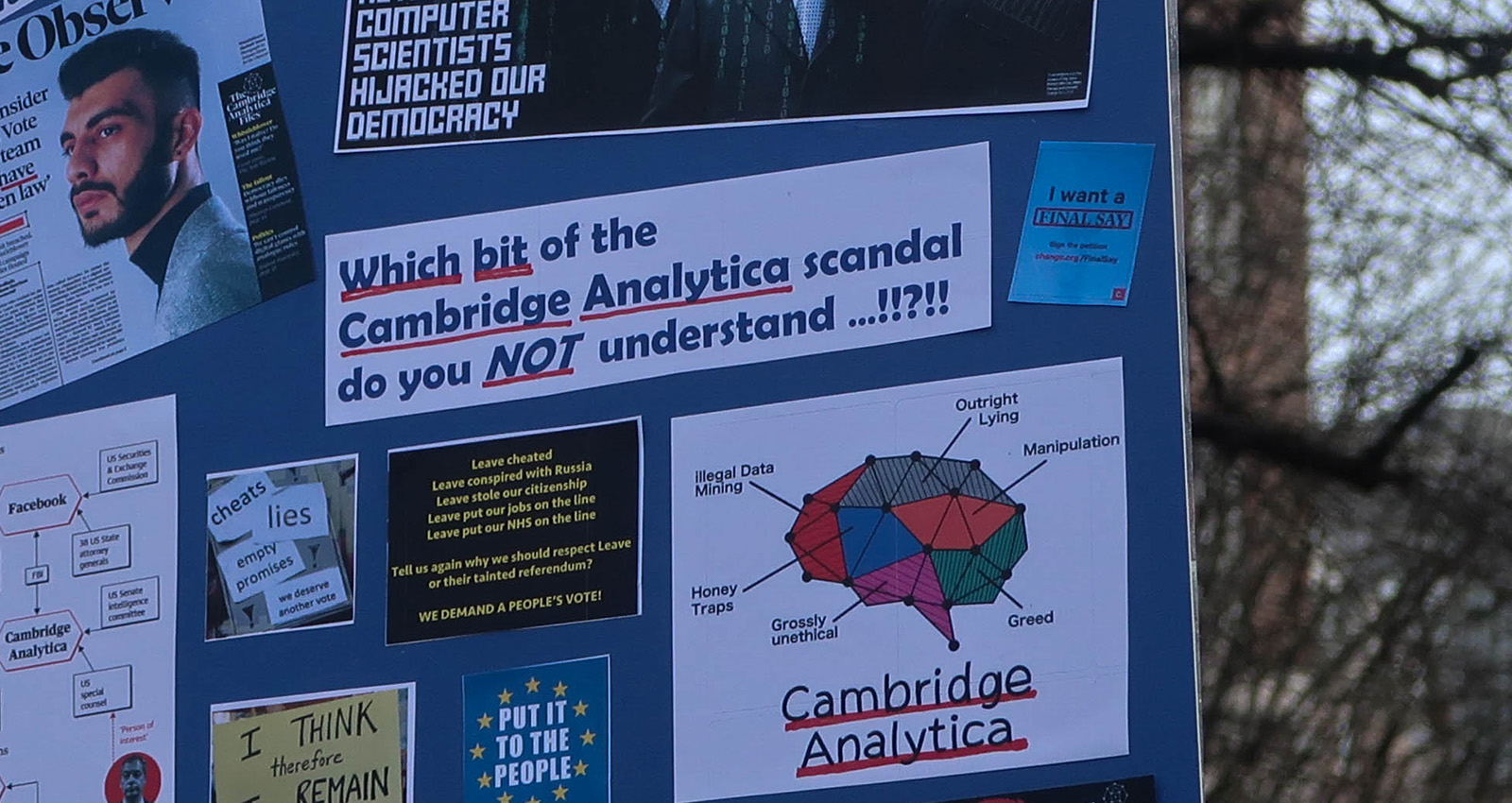
The internet has not, as many hoped, delivered positive change for democracy. But according to Felipe Arocena, there is still a meaningful way to confront the authoritarian advances of new technological powers and reinforce democracy – rebellion Read more
Leonardo Fiorespino
Leonardo Fiorespino finds Jean-Paul Gagnon’s proposed lexicon of democracy wanting in its base assumptions around knowledge and arbitrariness. Moreover, he wonders, can we really trust 'democracy's words'? Read more
Ben Seyd
Can policymakers expect people to comply with official health restrictions out of fear rather than because they trust the government? Ben Seyd suggests the answer is no. Governments still need trust to motivate citizens to comply with important collective rules. Read more
Friedel Marquardt
Jean-Paul Gagnon’s endeavour has great potential for bringing unknown or ignored definitions to the fore. However, Friedel Marquardt argues, we hinder understanding and cut its empowering potential short if the communities these definitions are about do not get a chance to speak about their democracies Read more
Andrea Ceron
Andrea Ceron and Elisa Volpi argue that rather than sweeping the damage under the carpet, parties can best restore their image by emphasising competence, clarity and their ability to handle the core issues Read more
We use necessary cookies to make our site work. We'd also like to set analytics cookies that help us make improvements by measuring how you use the site. These will be set only if you accept.
▼
Strictly Necessary Cookies
Necessary cookies enable core functionality such as security, network management, and accessibility. You may disable these by changing your browser settings, but this may affect how the website functions.
▼
Analytics Cookies
Google Analytics
We'd like to set Google Analytics cookies to help us improve our website by collecting and reporting information on how you use it. The cookies collect information in a way that does not directly identify anyone. For more information on how these cookies work please see our Privacy Notice.