Katjana Gattermann
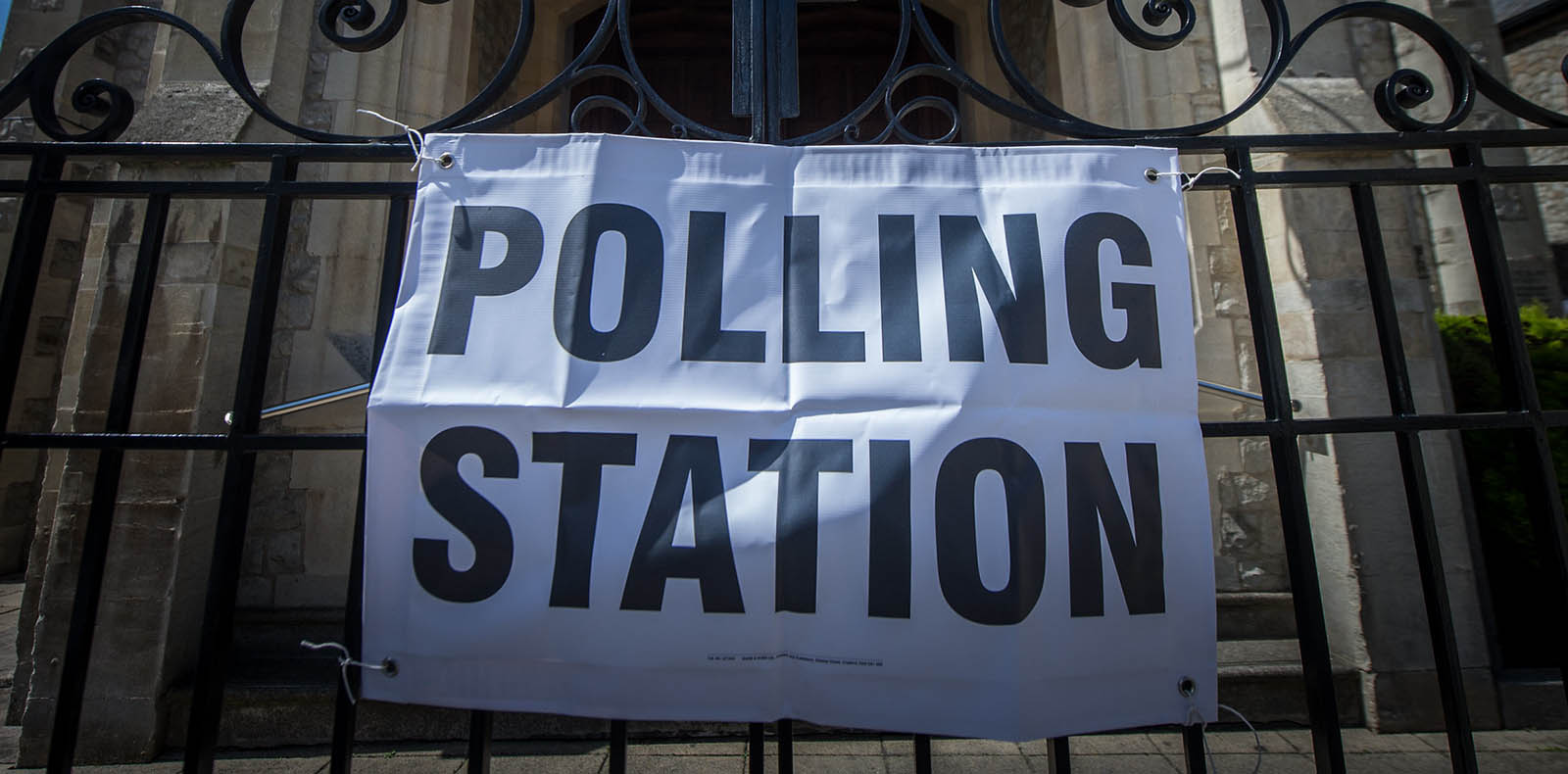
Media reports on elections often refer to the 'winners' and 'losers'. Yet, especially in multi-party systems, there is often more than one way to interpret election results. How the media frames election results does not depend only on parties’ objective performance, write Katjana Gattermann, Thomas M. Meyer and Katharina Wurzer. It also depends on also on party ideology Read more
Andrea Pritoni
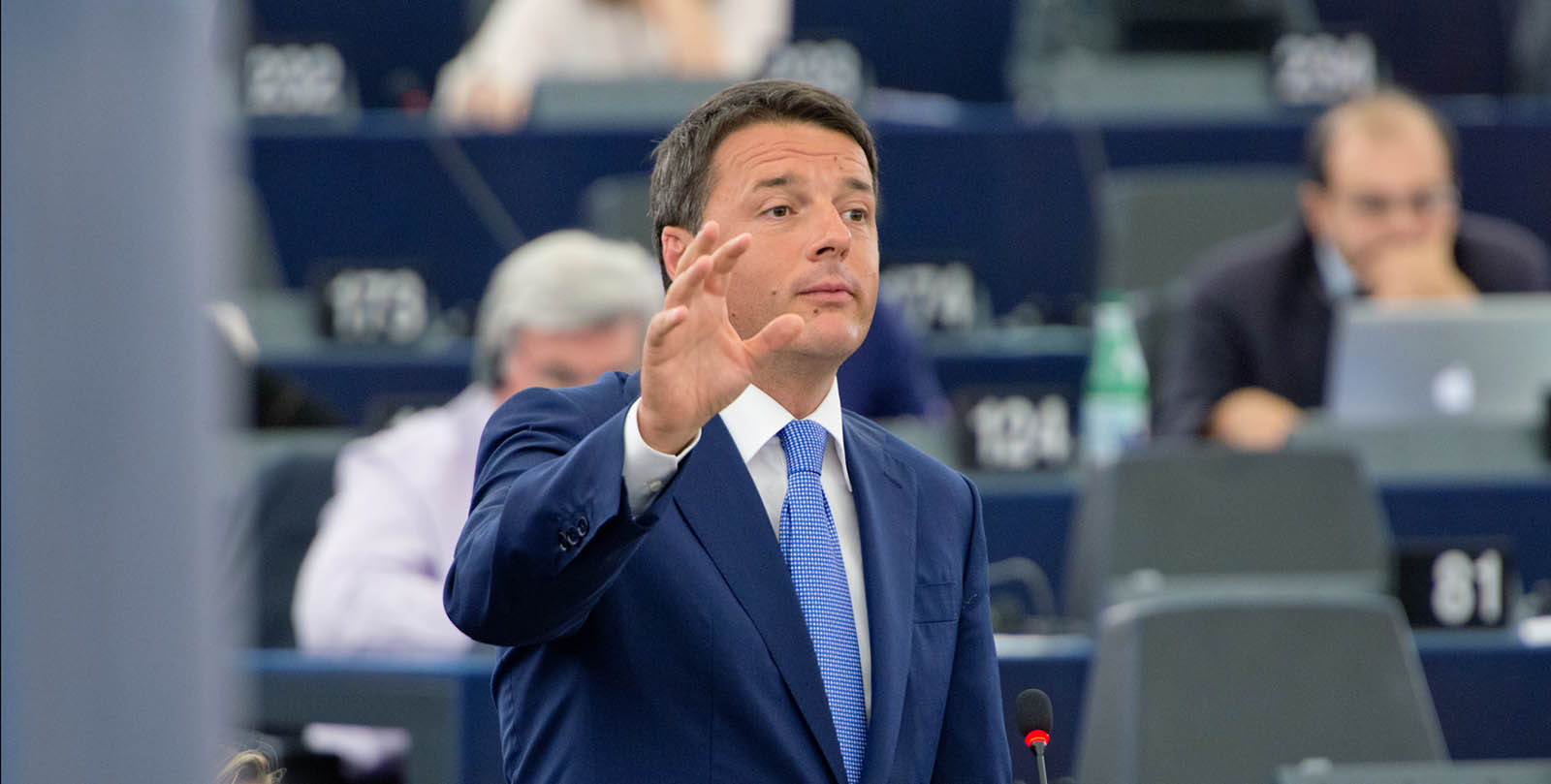
Political scientists are typically accused of remaining in their ivory towers. YePolitical scientists are often accused of hiding away in ivory towers, yet their participation could significantly enhance public debate. Andrea Pritoni and Giulia Vicentini analyse one such case, in Italy. In so doing, they discover a missed opportunity to increase the social relevance of the disciplinet their participation could enhance public debate and increase the social relevance of the discipline. Andrea Pritoni and Giulia Vicentini analyse one such case, in Italian public debate, and discover a missed opportunity Read more
Stuart Wilks-Heeg
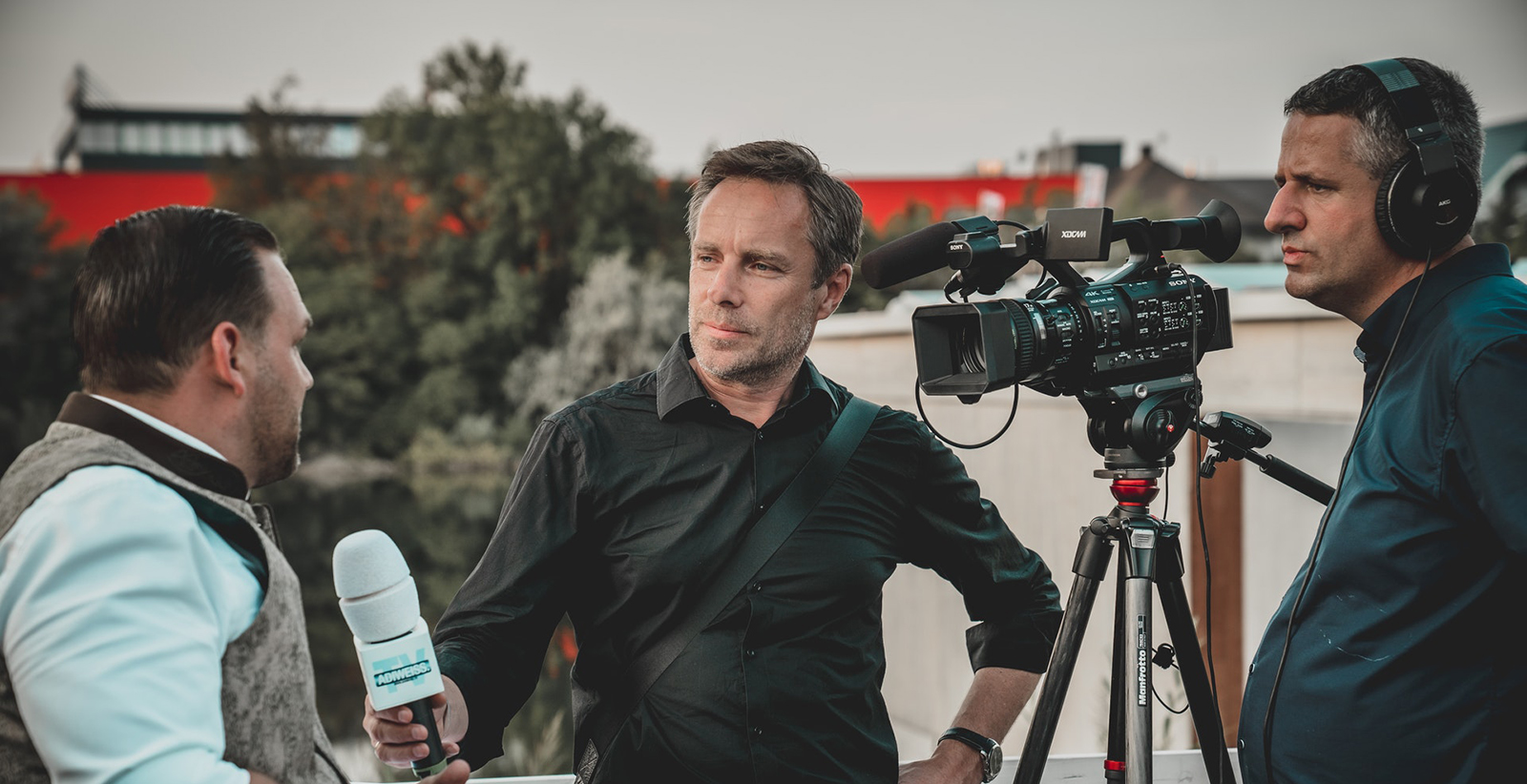
BBC general election night programmes since the 1950s have become increasingly frontloaded with discussion of projected results. Stuart Wilks-Heeg and Peter Andersen explain how this shift has developed in tandem with exit polling, and consider the implications for how the politics of election night unfolds Read more
Samuel Brazys
China seeks to control the international narrative on its role in the pandemic. But while Beijing cannot always deflect criticism, its mask diplomacy efforts and external propaganda streams do affect China’s image, write Samuel Brazys, Alexander Dukalskis and Stefan Müller Read more
Fabian Habersack
Populist radical right parties have been remarkably successful in recent decades, yet strategies to contain them regularly fail. Can non-radical parties do anything to counter them? Fabian Habersack suggests mainstream parties could signal ‘responsiveness’ while remaining committed to their policy goals Read more
Alexander Dukalskis
Authoritarian states deliberately use a number of tools to manage their image internationally, writes Alexander Dukalskis. Creating positive news, distracting and silencing critique, and shaping elite opinion help make the world safer for dictatorships Read more
Ruairidh Brown
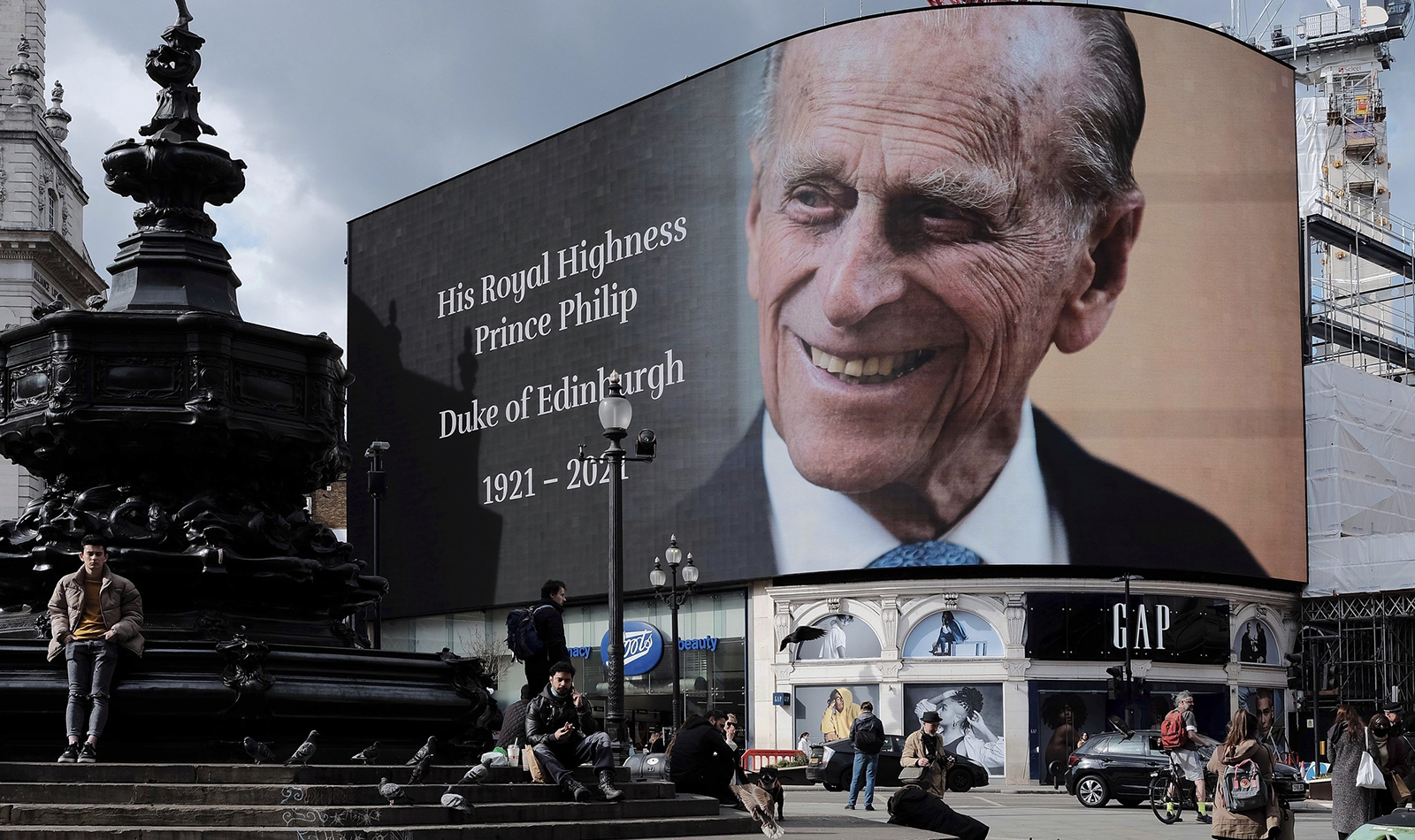
As coverage of Prince Phillip's death becomes the most complained about event in British television history, Ruairidh Brown argues that, despite its role as the UK’s national public broadcaster, the BBC must avoid normative attempts to dictate public sentiment Read more
Ruairidh Brown
Too close an association between the BBC and the Union flag will damage the former’s claims to objectivity, writes Ruairidh Brown. It comes at a time when the impartiality of the service is increasingly challenged – at home and abroad Read more
We use necessary cookies to make our site work. We'd also like to set analytics cookies that help us make improvements by measuring how you use the site. These will be set only if you accept.
▼
Strictly Necessary Cookies
Necessary cookies enable core functionality such as security, network management, and accessibility. You may disable these by changing your browser settings, but this may affect how the website functions.
▼
Analytics Cookies
Google Analytics
We'd like to set Google Analytics cookies to help us improve our website by collecting and reporting information on how you use it. The cookies collect information in a way that does not directly identify anyone. For more information on how these cookies work please see our Privacy Notice.