Vicente Valentim
Do radical-right parties render political debate more negative?Recent studies indicate they might. But Tobias Widmann and Vicente Valentim show this is not true in Germany, where political discourse among mainstream parties becomes more positive when confronted with rhetoric from radical-right challengers Read more
Annemarie Walter
During the coronacrisis, conspiracy theories have proliferated, and politicians who use them for political gain are – at least partly – to blame. Let the January attack on the US Capitol be a warning to Europe, write Annemarie Walter and Hugo Drochon Read more
Kiryl Kascian
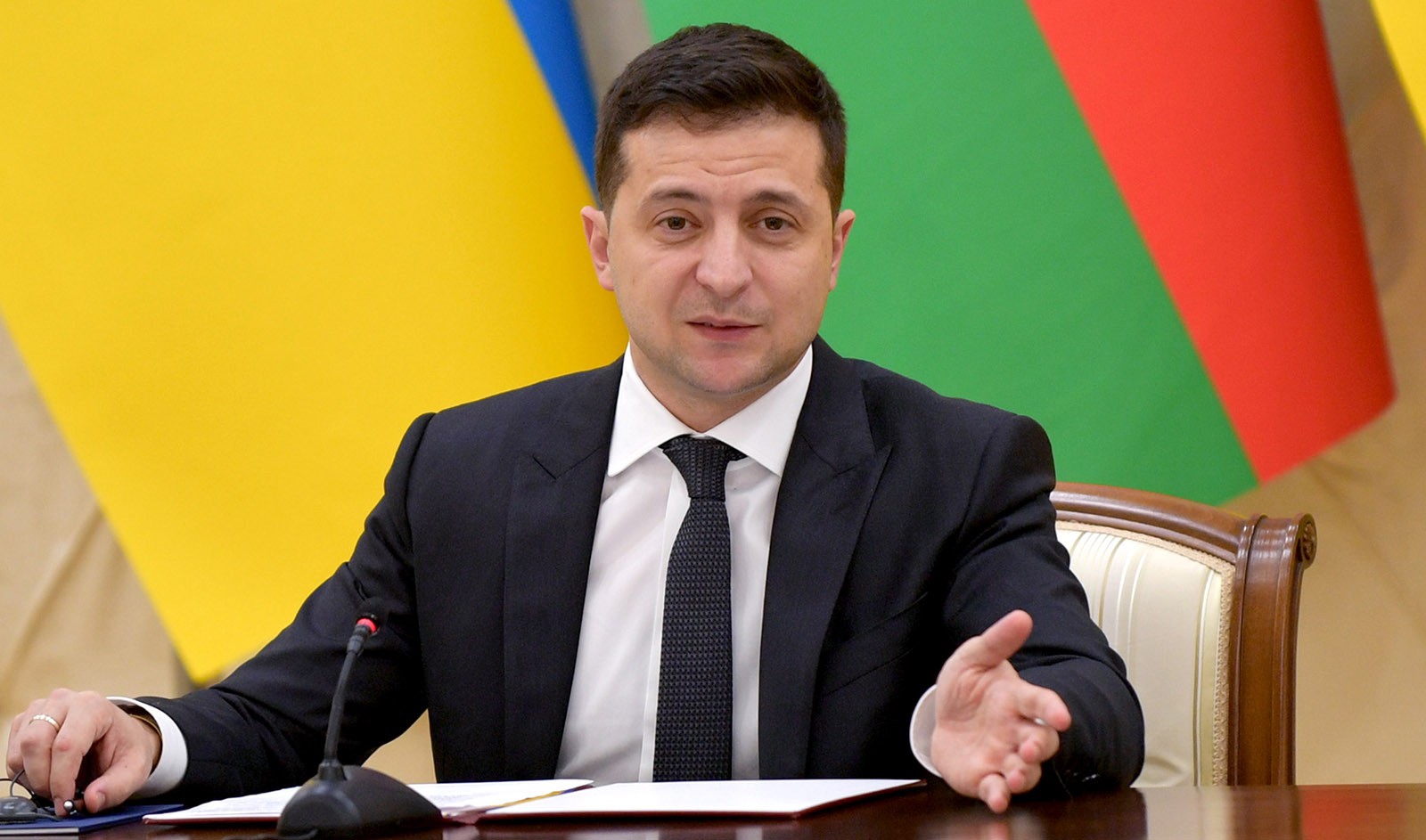
In February 2021, Ukraine president Volodymyr Zelensky banned three TV channels branded pro-Russian propaganda. Sanctions and criminal charges against politicians and public figures followed. But these measures, argues Kiryl Kascian, cannot help Ukraine's counter-Russian strategy Read more
Daniel Braby
Identifying the different positions of MPs inside the same political parties is a longstanding problem for political science. Daniel Braby and Marius Sältzer argue that applying automated content analysis to MPs' Twitter timelines offers a robust impression of sub-party positions Read more
Mirko Heinzel
The pandemic has led to an increase in experts' authority – yet substantial contestation of their expertise, write Mirko Heinzel and Andrea Liese. This polarisation poses a risk for proper public deliberation and the fight against Covid Read more
Francesco Saverio Montesano
An increasing number of scholars want to campaign for positive change outside the academic echo chamber, but overlook their own evidence when they refuse to engage with any view not exclusively based on science. Francesco S. Montesano argues that this will only deepen the gap between ‘experts’ and the rest of society Read more
Oscar Larsson
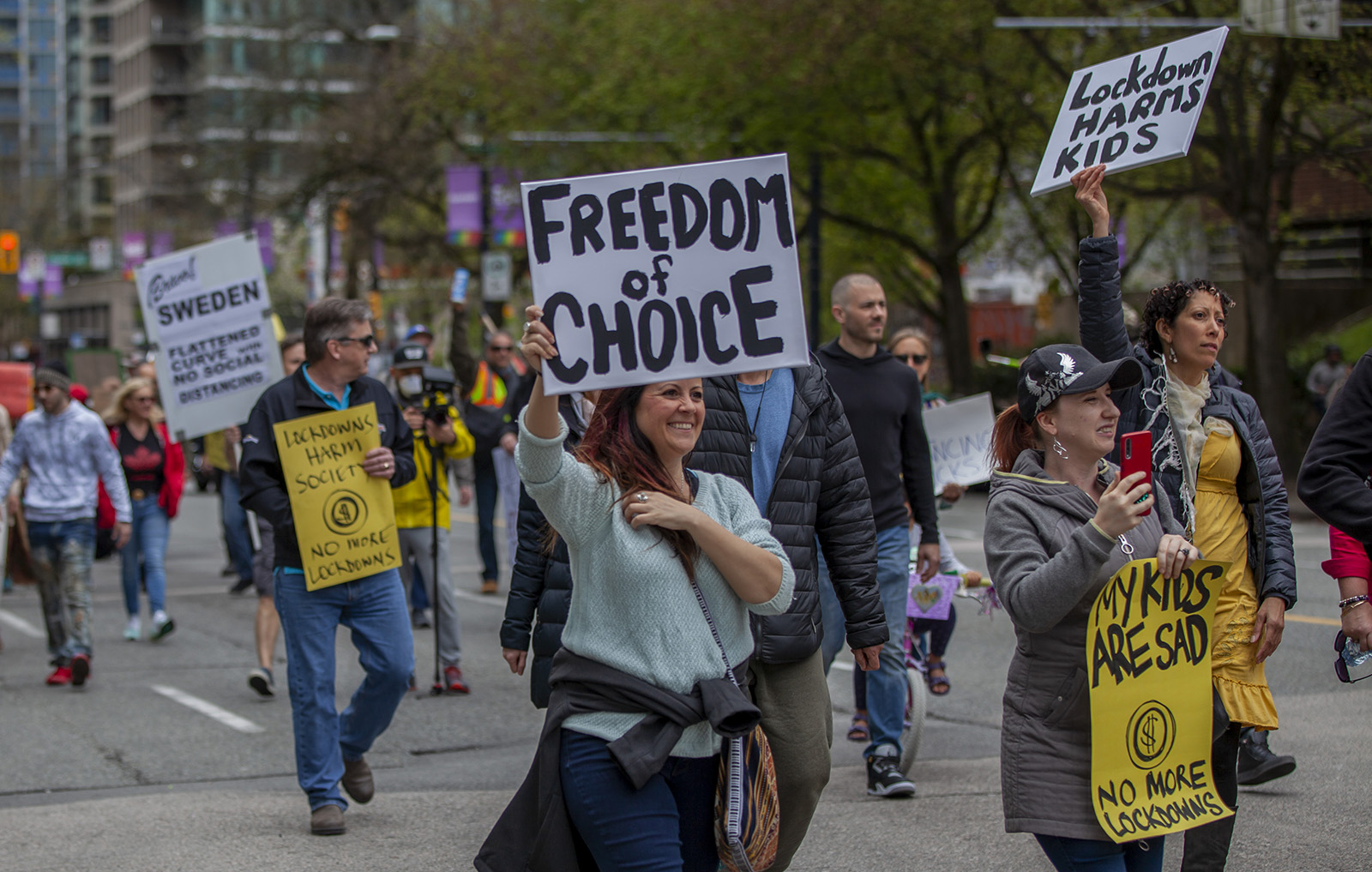
Unlike most other countries, Sweden adopted a ‘soft’ approach to managing the Coronavirus pandemic, flying in the face of ‘securitisation theory’. Oscar Larsson considers whether its approach will succeed Read more
Angelo Vito Panaro
The American presidential elections, and the refusal of President Trump to recognise the result on the basis of unsubstantiated claims of electoral fraud have resulted in the social media platforms, Twitter and Facebook, taking unprecedented initiatives against misinformation and false accusations, thus helping to safeguard American democracy, writes Angelo Vito Panaro Read more
We use necessary cookies to make our site work. We'd also like to set analytics cookies that help us make improvements by measuring how you use the site. These will be set only if you accept.
▼
Strictly Necessary Cookies
Necessary cookies enable core functionality such as security, network management, and accessibility. You may disable these by changing your browser settings, but this may affect how the website functions.
▼
Analytics Cookies
Google Analytics
We'd like to set Google Analytics cookies to help us improve our website by collecting and reporting information on how you use it. The cookies collect information in a way that does not directly identify anyone. For more information on how these cookies work please see our Privacy Notice.