Lucas Schramm
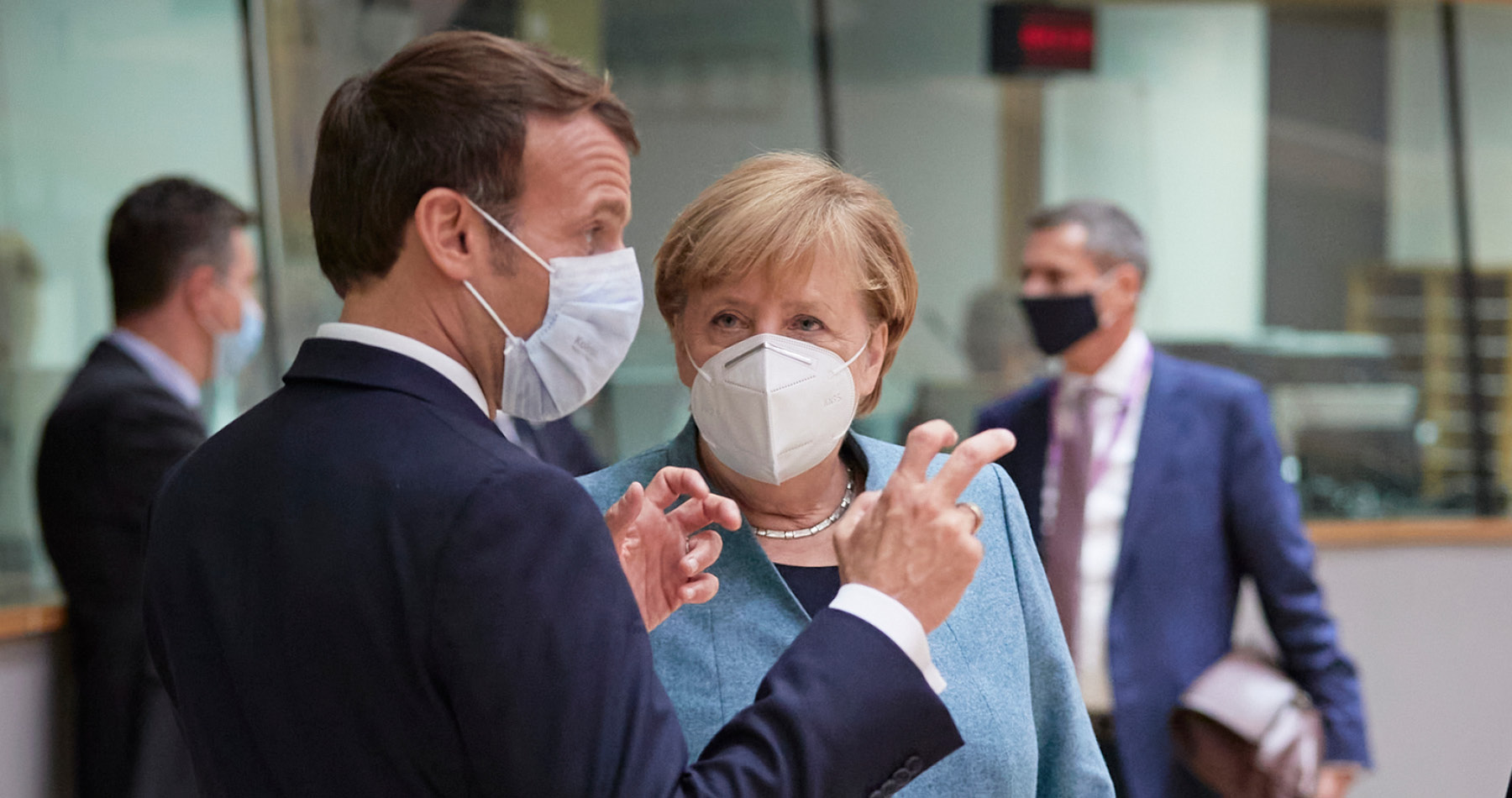
In 2020 Germany promoted a bold European response to the corona crisis, involving common EU debt. This contrasts starkly with its position a decade before, when it favoured austerity over fiscal stimulus and debt pooling. Lucas Schramm and Amandine Crespy argue that the specific nature of the corona crisis reconfigured Germany’s national interests in Europe Read more
Julian Garritzmann
Public opinion affects policy-making when the topic is salient and when most people share the same opinion, write Julian Garritzmann, Marius Busemeyer and Erik Niemanns. Yet when the public disagrees on what they want – or when many people don’t care – the influence of public opinion is significantly reduced Read more
Luca Doll
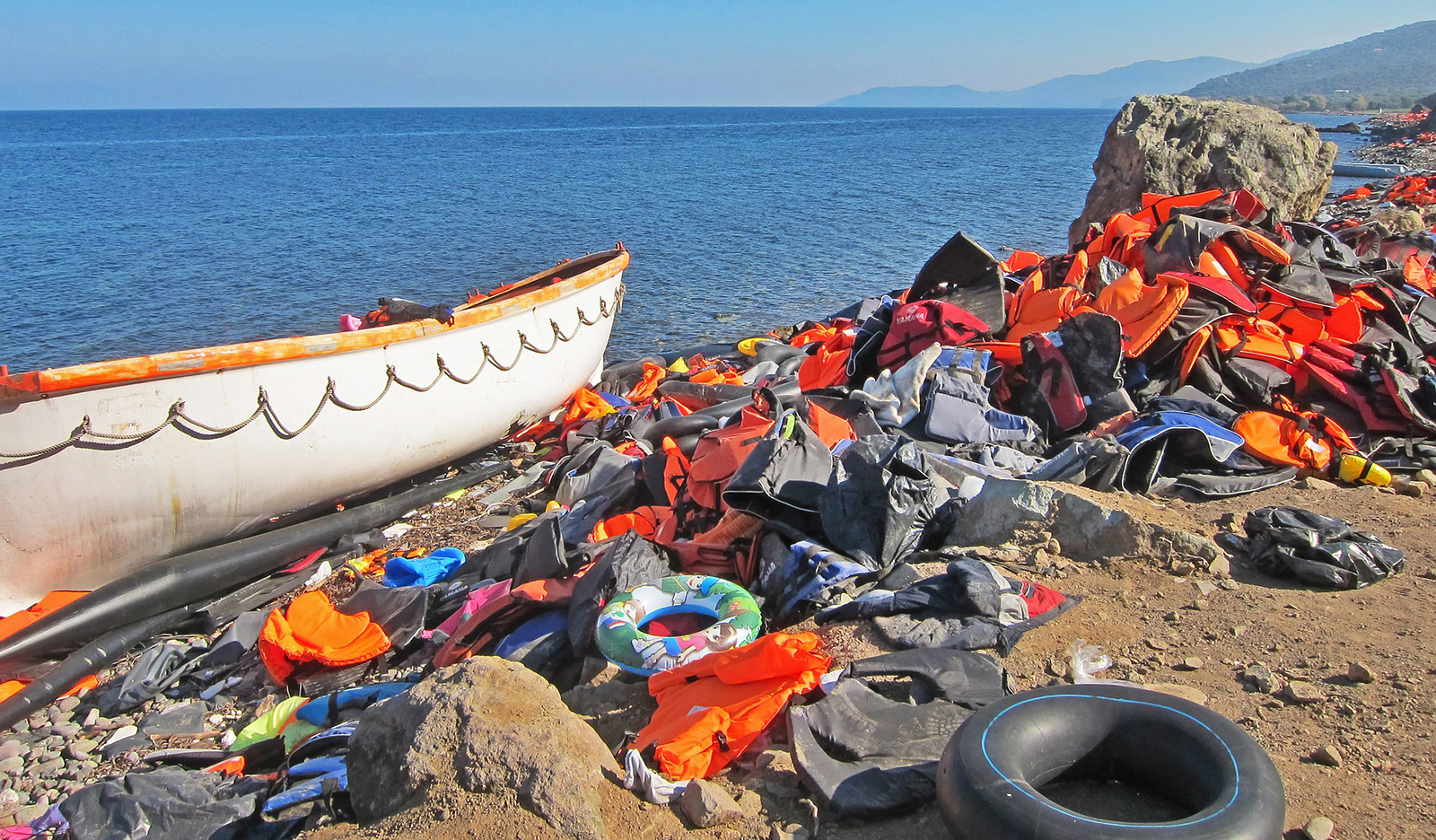
The European Union has disengaged from search and rescue in the Mediterranean, outsourcing its border management to a third state and effectively criminalising NGOs that step into the gap. This, writes Luca Doll, is a policy that needs urgent review Read more
Mirko Heinzel
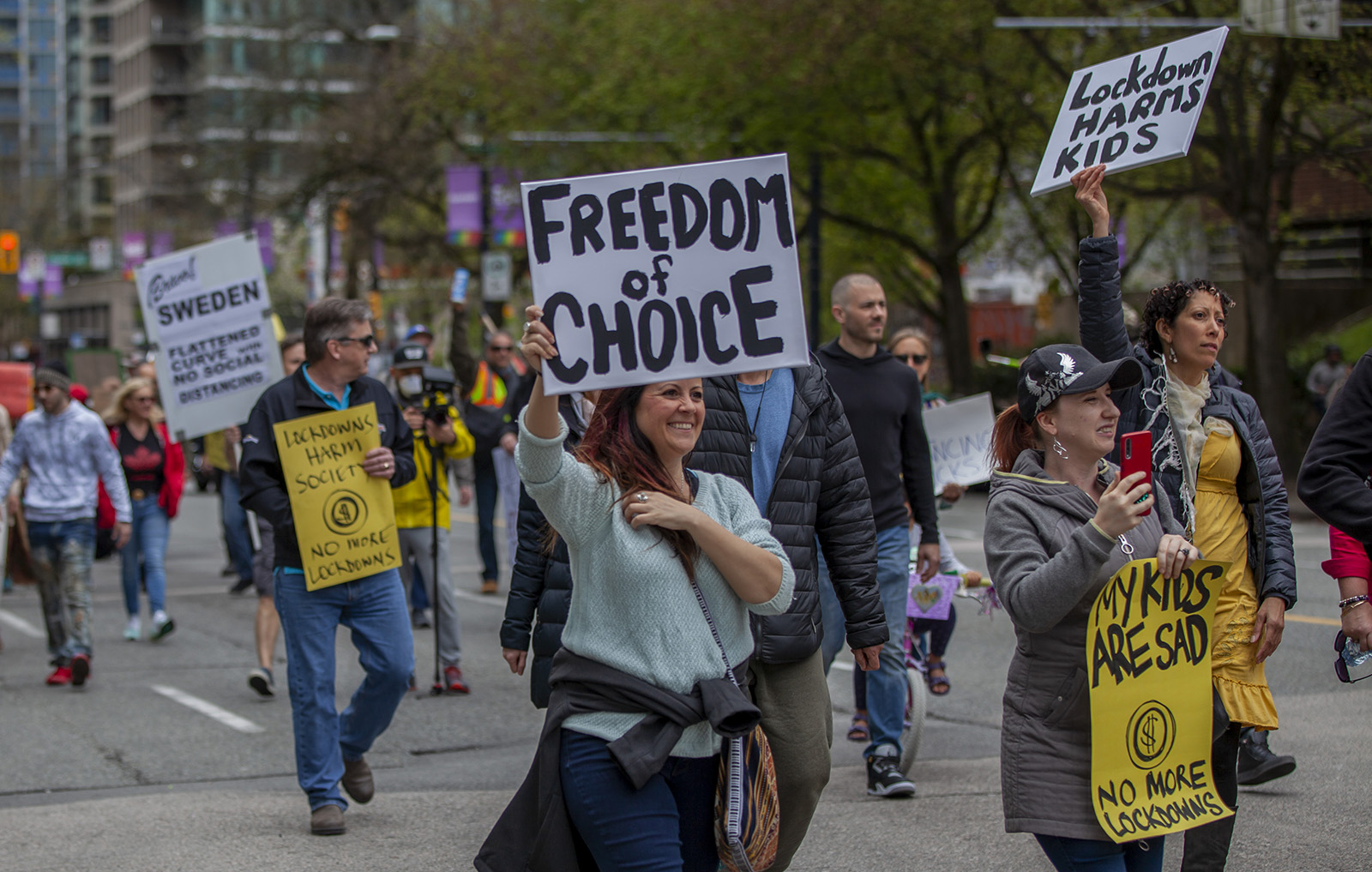
The pandemic has led to an increase in experts' authority – yet substantial contestation of their expertise, write Mirko Heinzel and Andrea Liese. This polarisation poses a risk for proper public deliberation and the fight against Covid Read more
Angie Gago
From 2014, ECJ decisions on welfare access have departed significantly from previous case law. Angie Gago and Francesco Maiani analyse two Court dialogues, one with the EU legislator, the other with national authorities Read more
Jonathan Polk
Political parties are the mainstay of our democracy – but do they adapt to changes in public opinion? In new research, Raimondas Ibenskas and Jonathan Polk reassure us that they do Read more
Stefanie Reher
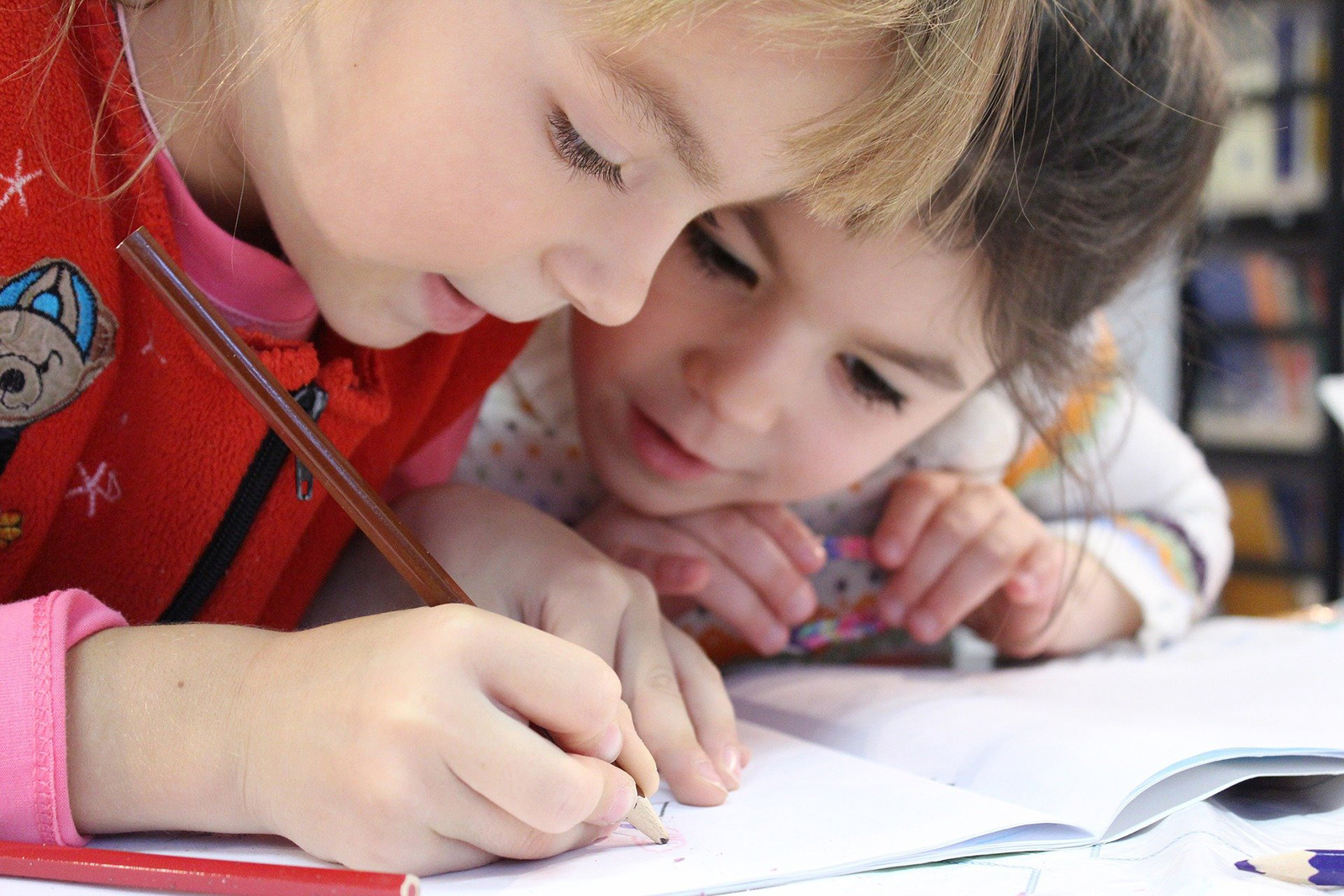
Disabled people are underrepresented in elected office, so it's unlikely that public policy will reflect the interests of the 15% of the population living with disability. Stefanie Reher argues that we need to better understand the causes, and consequences, of such low representation Read more
Alistair Cole
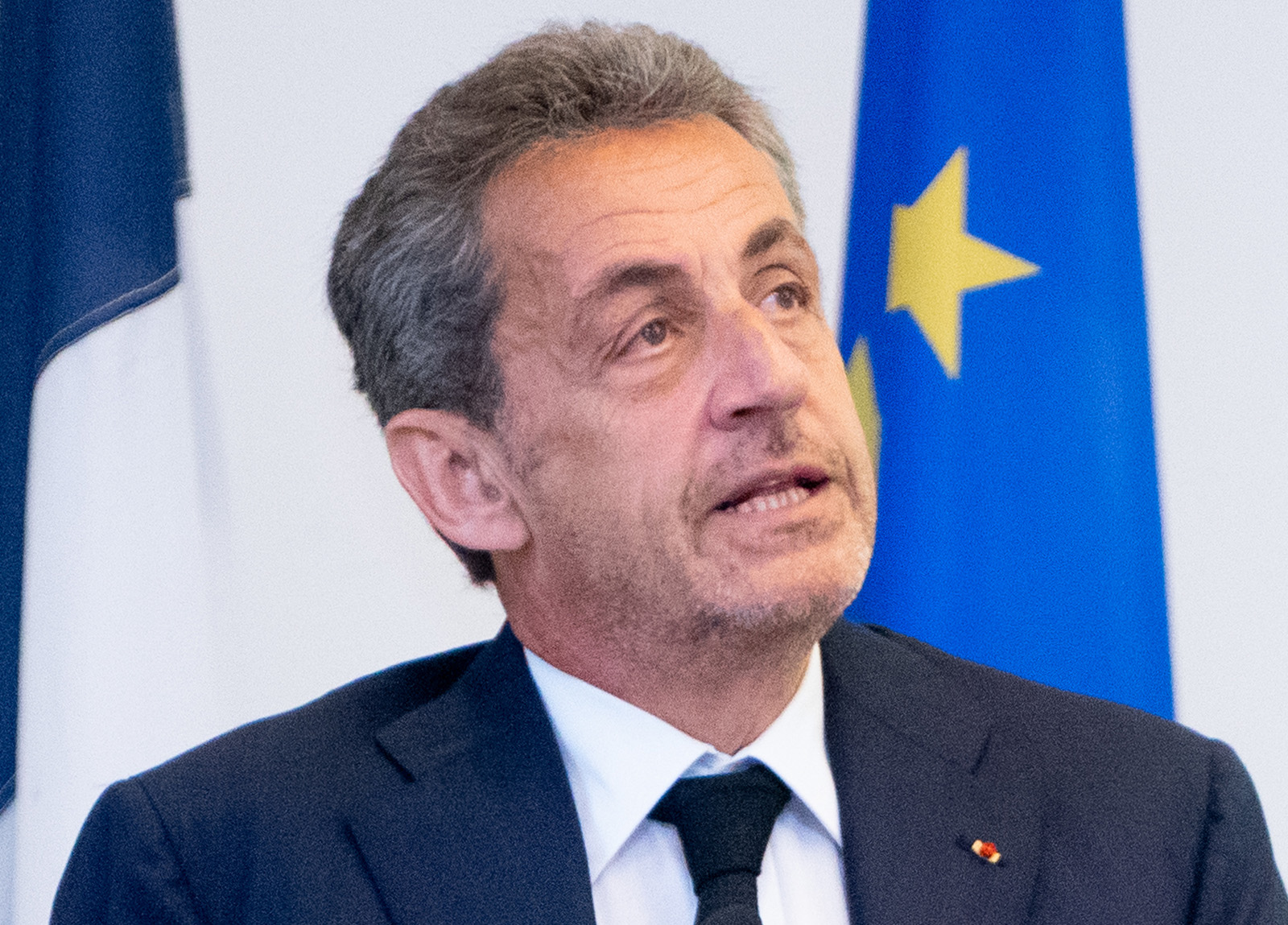
Former French President Nicolas Sarkozy has been found guilty of corruption and misuse of influence. Alistair Cole traces Sarkozy’s misfortunes in part to his personal political style, but also, more profoundly, to a broader move towards transparency that has pitted judges against politicians Read more
We use necessary cookies to make our site work. We'd also like to set analytics cookies that help us make improvements by measuring how you use the site. These will be set only if you accept.
▼
Strictly Necessary Cookies
Necessary cookies enable core functionality such as security, network management, and accessibility. You may disable these by changing your browser settings, but this may affect how the website functions.
▼
Analytics Cookies
Google Analytics
We'd like to set Google Analytics cookies to help us improve our website by collecting and reporting information on how you use it. The cookies collect information in a way that does not directly identify anyone. For more information on how these cookies work please see our Privacy Notice.