Annemarie Walter
During the coronacrisis, conspiracy theories have proliferated, and politicians who use them for political gain are – at least partly – to blame. Let the January attack on the US Capitol be a warning to Europe, write Annemarie Walter and Hugo Drochon Read more
Noe Hinck
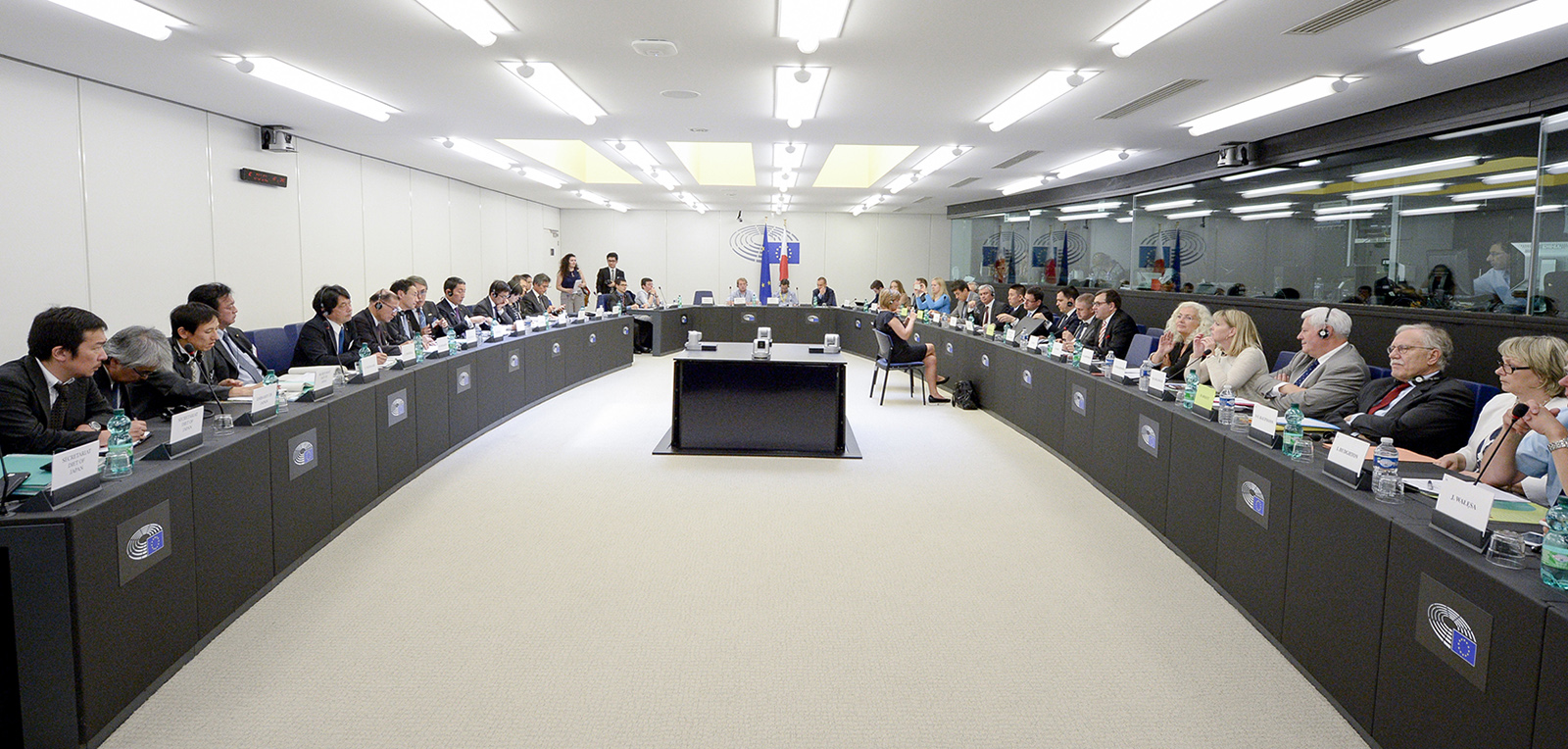
The European Union has faced a long struggle performing alongside its member states on the international stage. States seek other states to deliberate over global issues. Noe Hinck argues that the newly concluded EU-Japan Economic Partnership Agreement may be the key to changing this status quo Read more
Eduardo Burkle
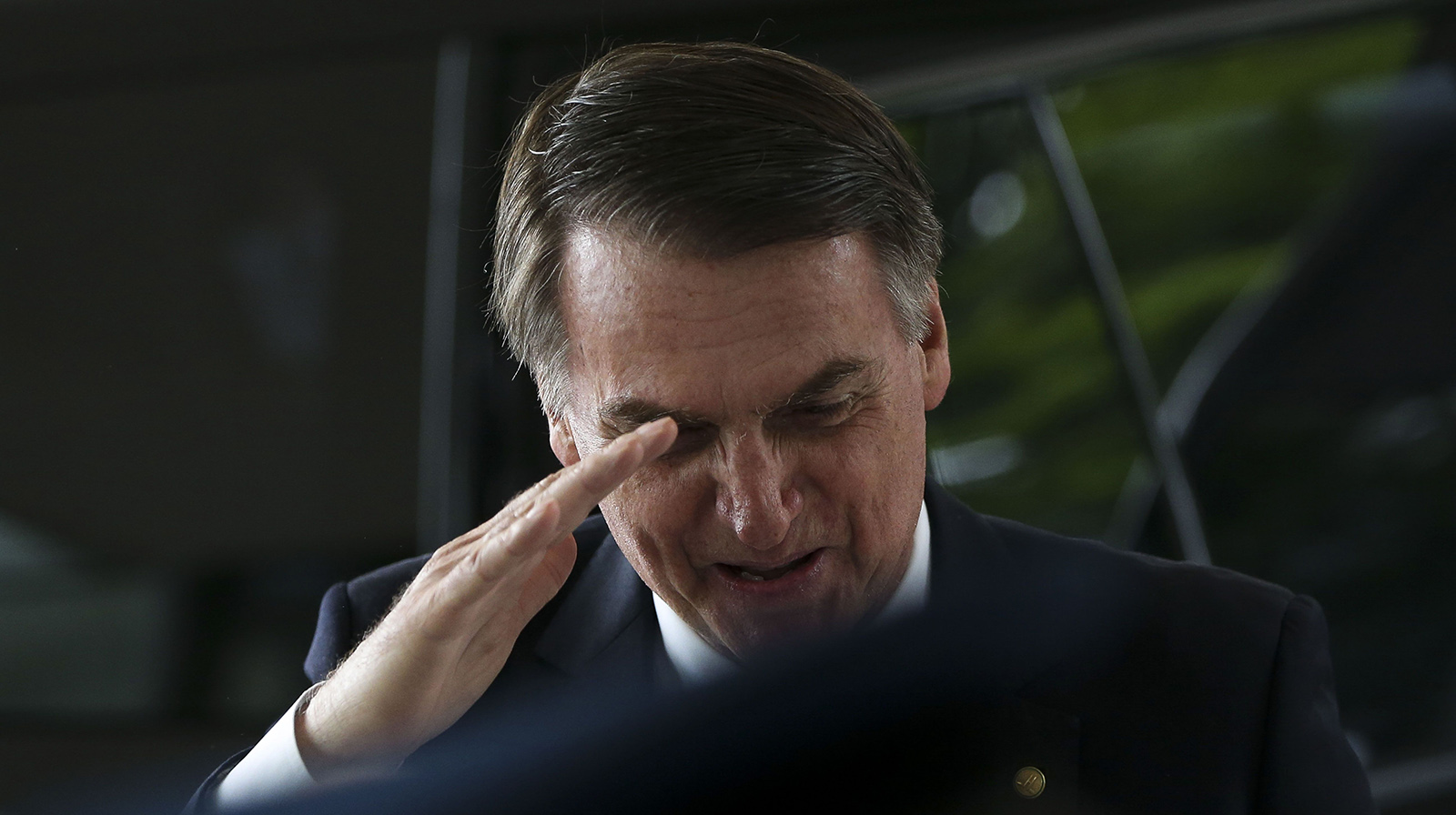
President Jair Bolsonaro faces criticism from the media and civil society for his disastrous response to the pandemic. Reviving National Security Law to intimidate critics is more than a nod to Brazil's authoritarian past, writes Eduardo Burkle Read more
Christine Hackenesch
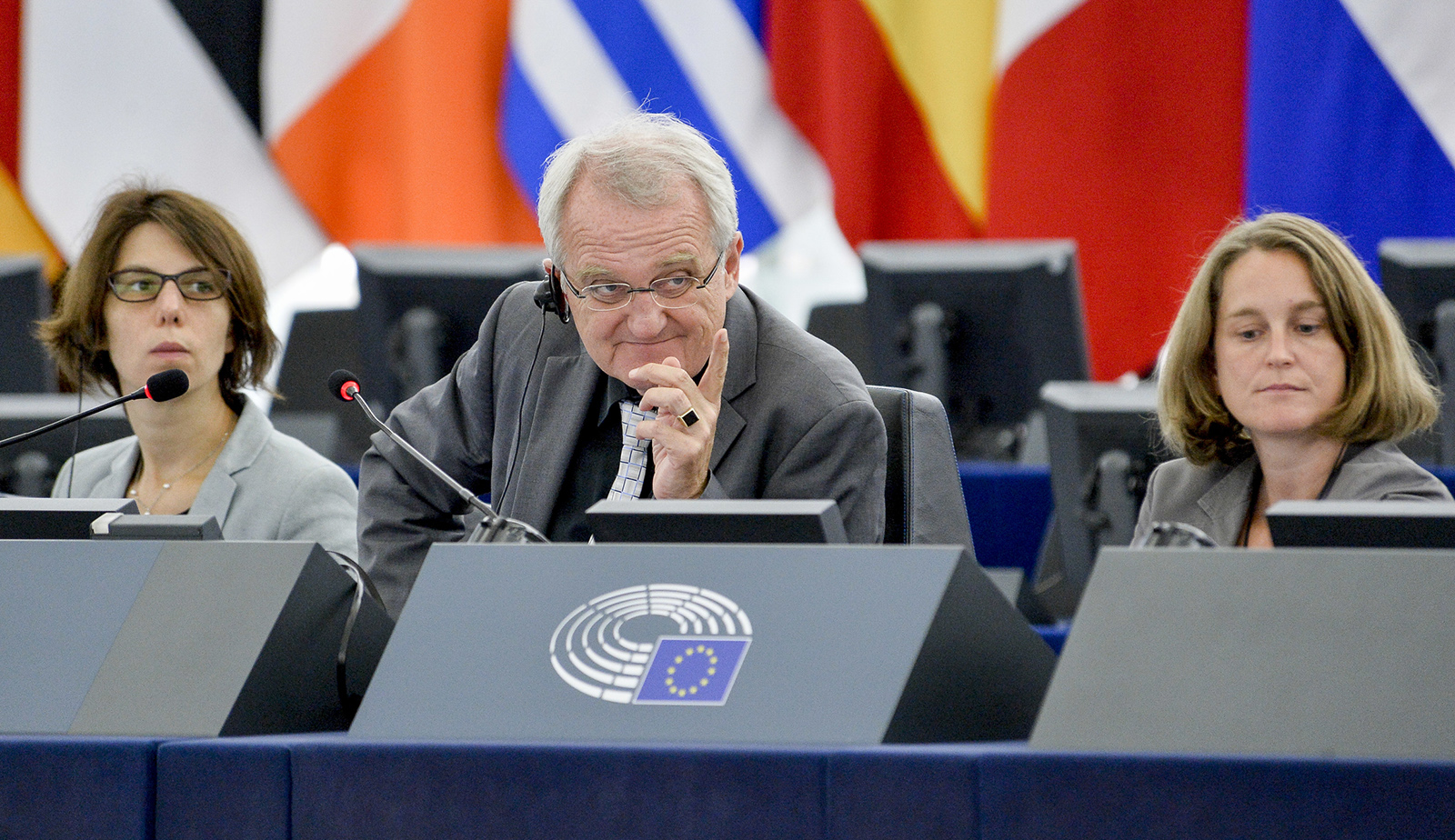
Once seen as a low salience policy that member states and citizens supported without much debate, EU development policy is now politicised – inside and outside the Union. Christine Hackenesch, Julian Bergmann and Jan Orbie argue that this trend may hamper EU collective action Read more
Maciej Górecki
Researchers now have tools to assess the influence of gender quotas on electoral systems. But, write Maciej Górecki and Michał Pierzgalski, the impact of such quotas reveals limited improvement in women’s political representation Read more
Joop Van Holsteyn
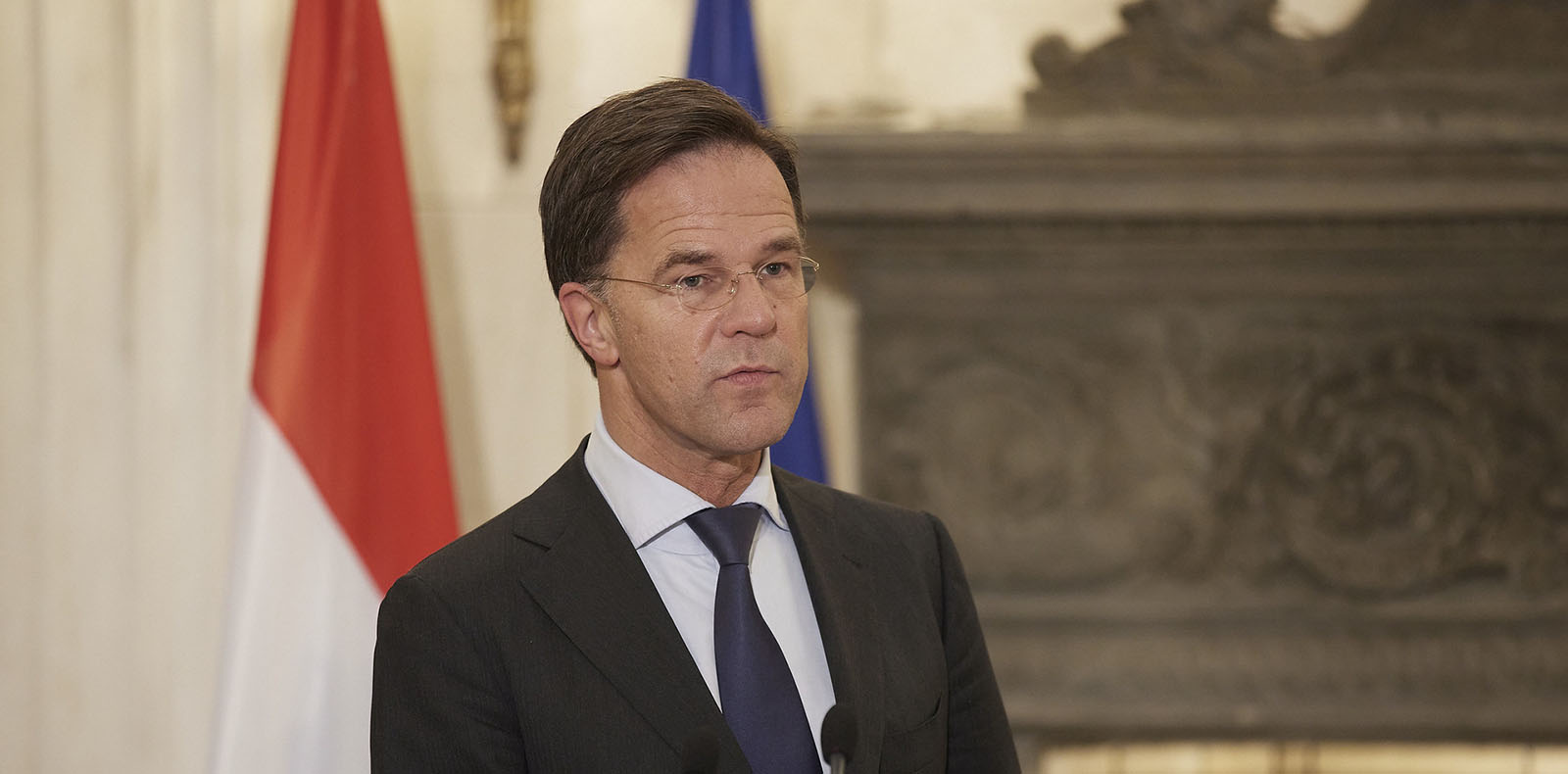
Coronavirus dominated the Dutch elections to the virtual exclusion of all else. The outcome, write Joop van Holsteyn and Galen Irwin, is a parliament with a record number of parties. Although the current coalition has sufficient seats to return to power, this may not happen. The Liberal Party again has the biggest share, and it is likely Mark Rutte will return as Minister-President Read more
Markus Patberg
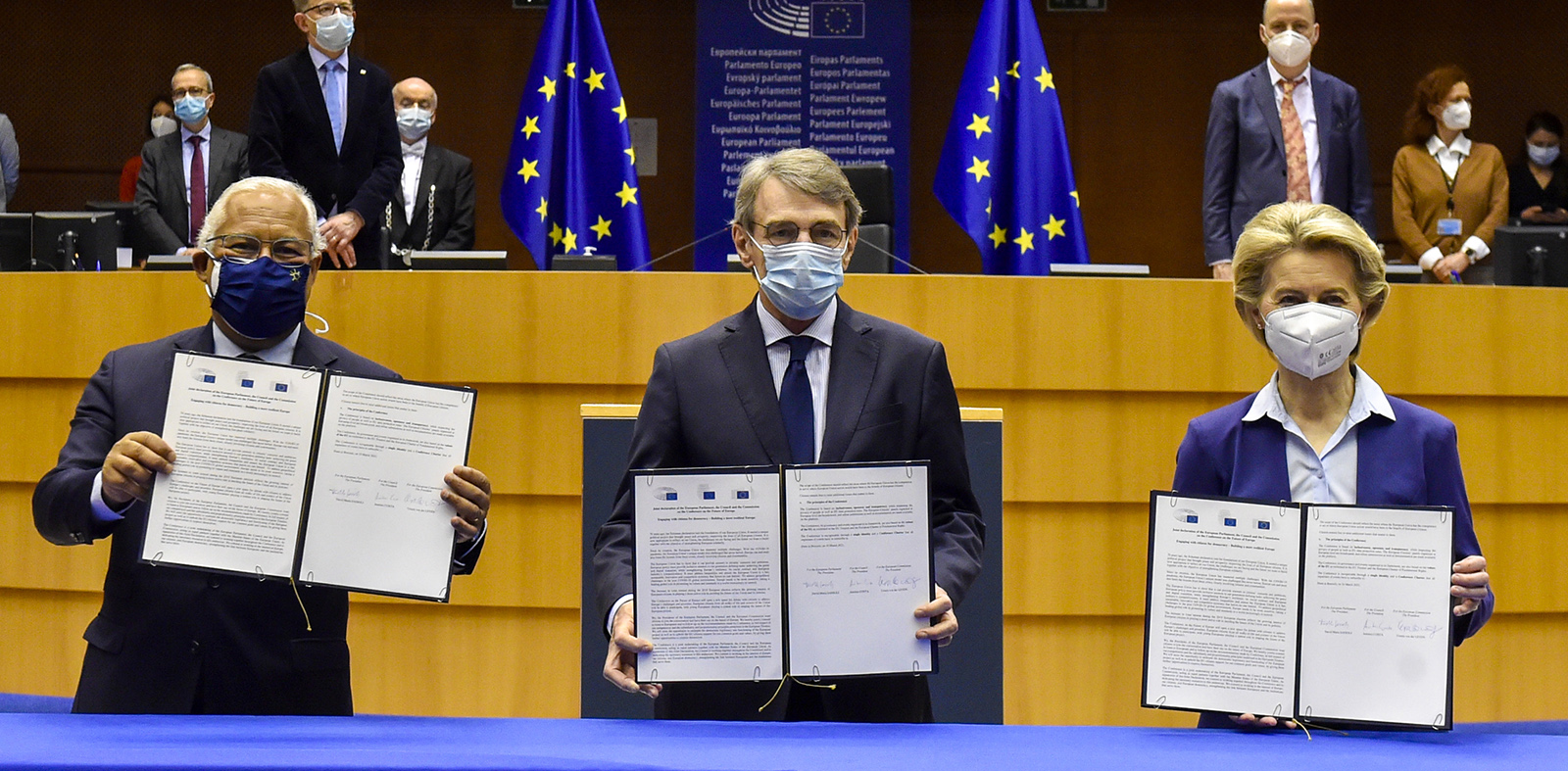
The Conference on the Future of Europe aims to produce proposals for EU ureform in a participatory manner. Yet, writes Markus Patberg, its setup suggests top-down steering, and lacks a clear conception of democratic authorisation. The envisaged forms of broad but unsystematic inclusion might even be counterproductive to the declared goal of empowering citizens Read more
Benjamin Leruth
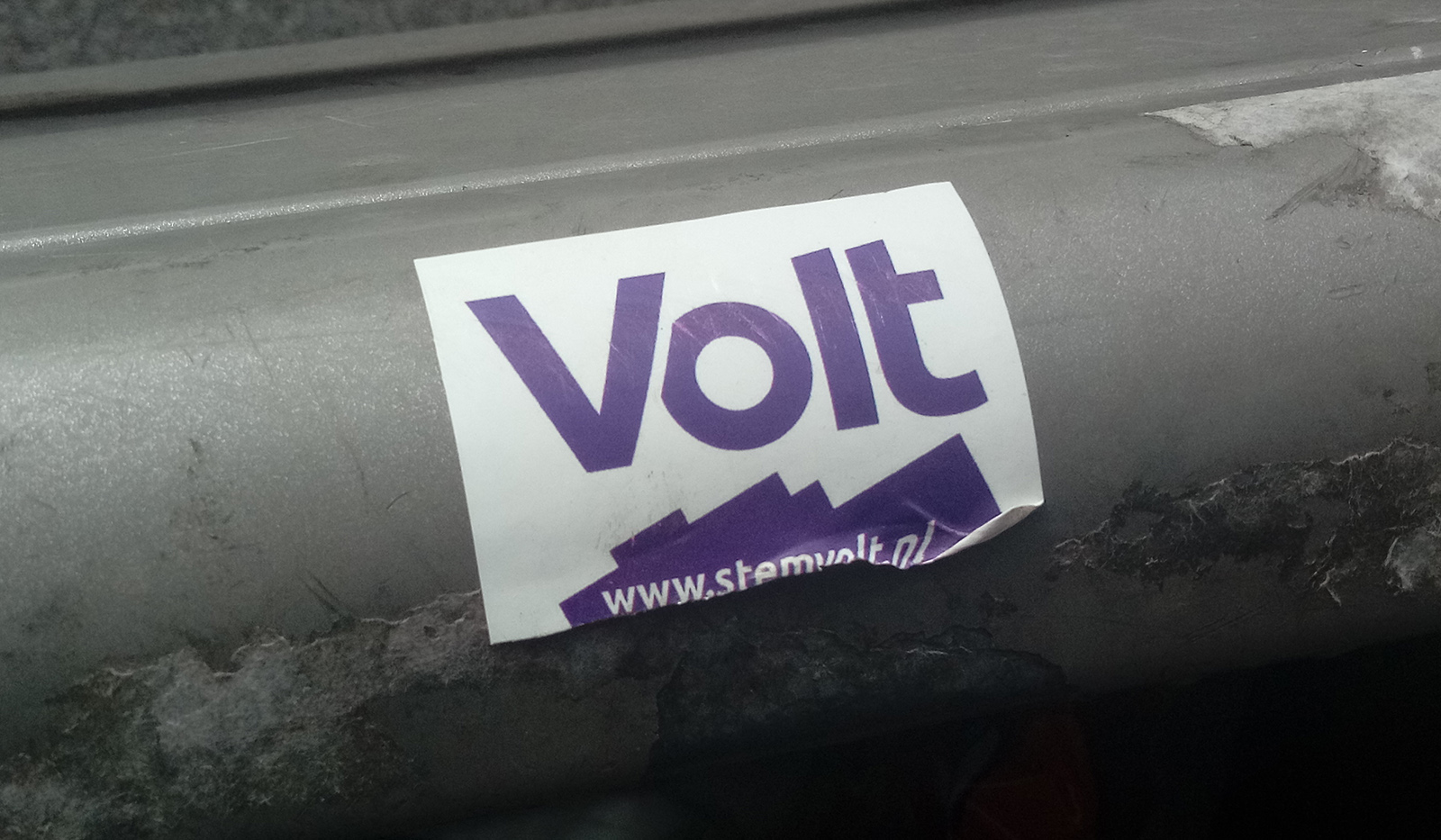
A new European party, Volt, debuted in the Tweede Kamer following last week's Dutch elections. The party faces challenges, but it could play a role in domestic political landscapes throughout Europe, writes Benjamin Leruth Read more
We use necessary cookies to make our site work. We'd also like to set analytics cookies that help us make improvements by measuring how you use the site. These will be set only if you accept.
▼
Strictly Necessary Cookies
Necessary cookies enable core functionality such as security, network management, and accessibility. You may disable these by changing your browser settings, but this may affect how the website functions.
▼
Analytics Cookies
Google Analytics
We'd like to set Google Analytics cookies to help us improve our website by collecting and reporting information on how you use it. The cookies collect information in a way that does not directly identify anyone. For more information on how these cookies work please see our Privacy Notice.