Ekaterina Rashkova
Millions of people no longer live in their countries of birth, and this can distort political representation, argues Ekaterina Rashkova-Gerbrands. If expats had been eligible to vote in recent Dutch parliamentary elections, we would have seen more support for innovative parties such as the D66 and Groen Links Read more
Jack Newman
Levelling up has become the centrepiece of the UK government’s vision for a post-Brexit and post-Covid Britain. It promises greater equality without anybody losing out, and it appeals to all parts of the political spectrum. But these big promises create major challenges that could be the government’s undoing, argues Jack Newman Read more
Ruairidh Brown
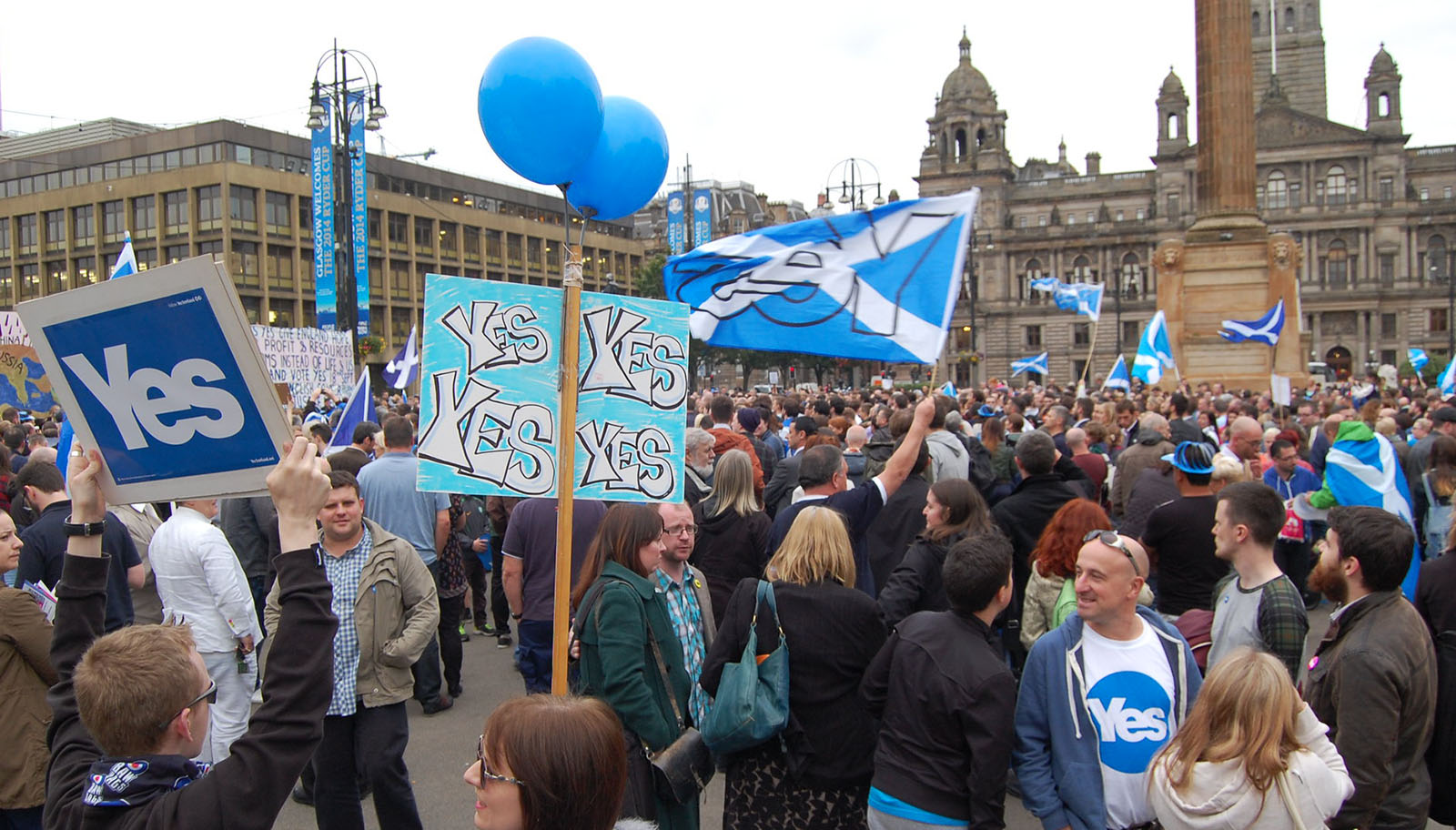
The Kenmure Street protest in Glasgow raises crucial issues concerning political obligation in Scotland, writes Ruairidh Brown. This should serve as a warning to Westminster about the potential dangers of denying a second independence referendum Read more
Lisa Van Dijk
In representative democracies, many citizens feel disconnected from those who make political decisions on their behalf. In extreme cases, they may even refuse to accept democratic decisions and contemplate alternative forms of government. Lisa van Dijk, James Pow and Sofie Marien test the effectiveness of ‘minipublics’ to offset these problems Read more
Julieta Suárez-Cao
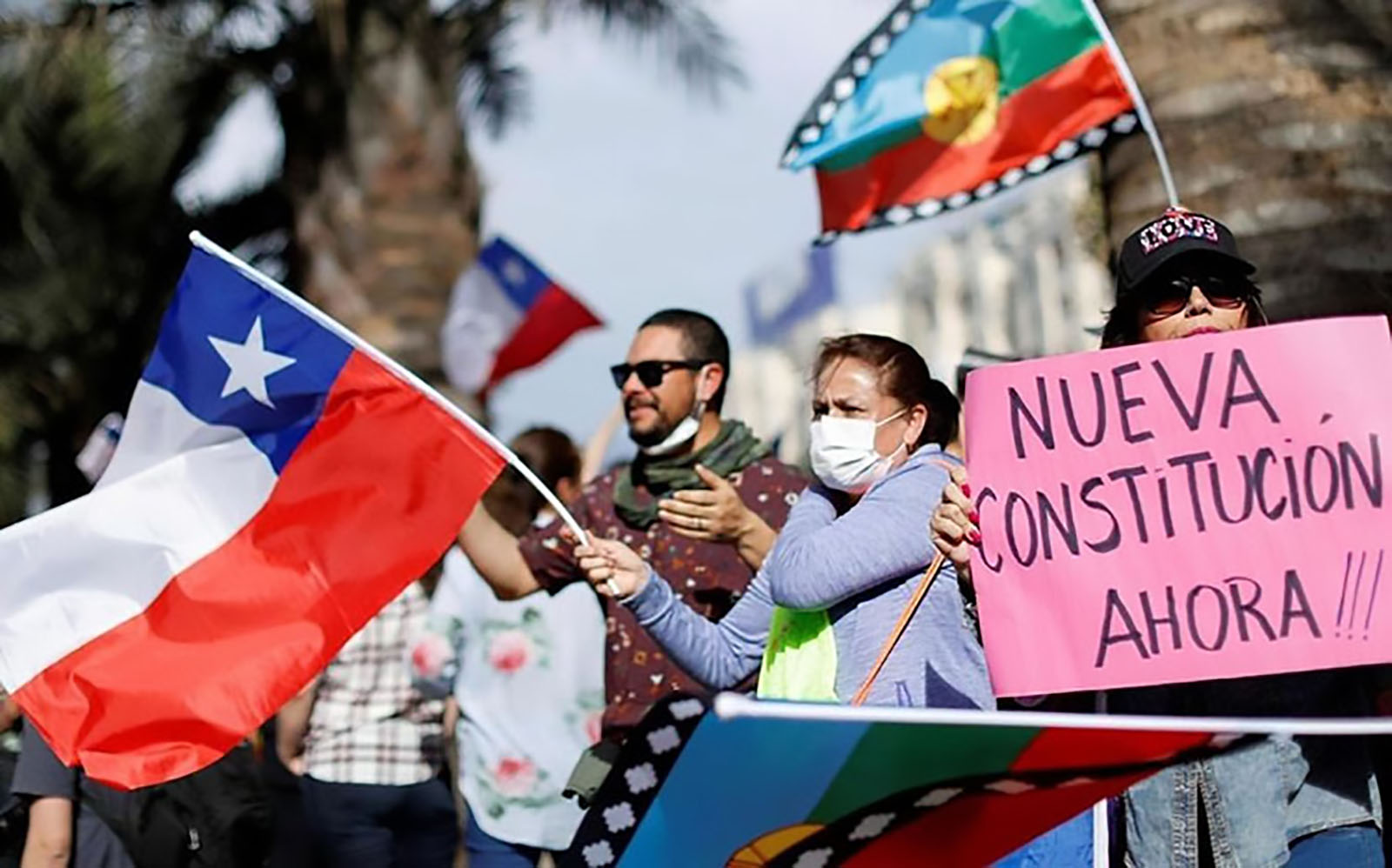
Chile’s constitutional reform started after massive social protests in 2019. With gender parity, reserved seats for indigenous people, and a significant number of seats for independent delegates, Julieta Suarez-Cao argues that the country's assembly is on track to rebuild democratic legitimacy in the years to come Read more
Fabian Habersack
Populist radical right parties have been remarkably successful in recent decades, yet strategies to contain them regularly fail. Can non-radical parties do anything to counter them? Fabian Habersack suggests mainstream parties could signal ‘responsiveness’ while remaining committed to their policy goals Read more
Laura Dean
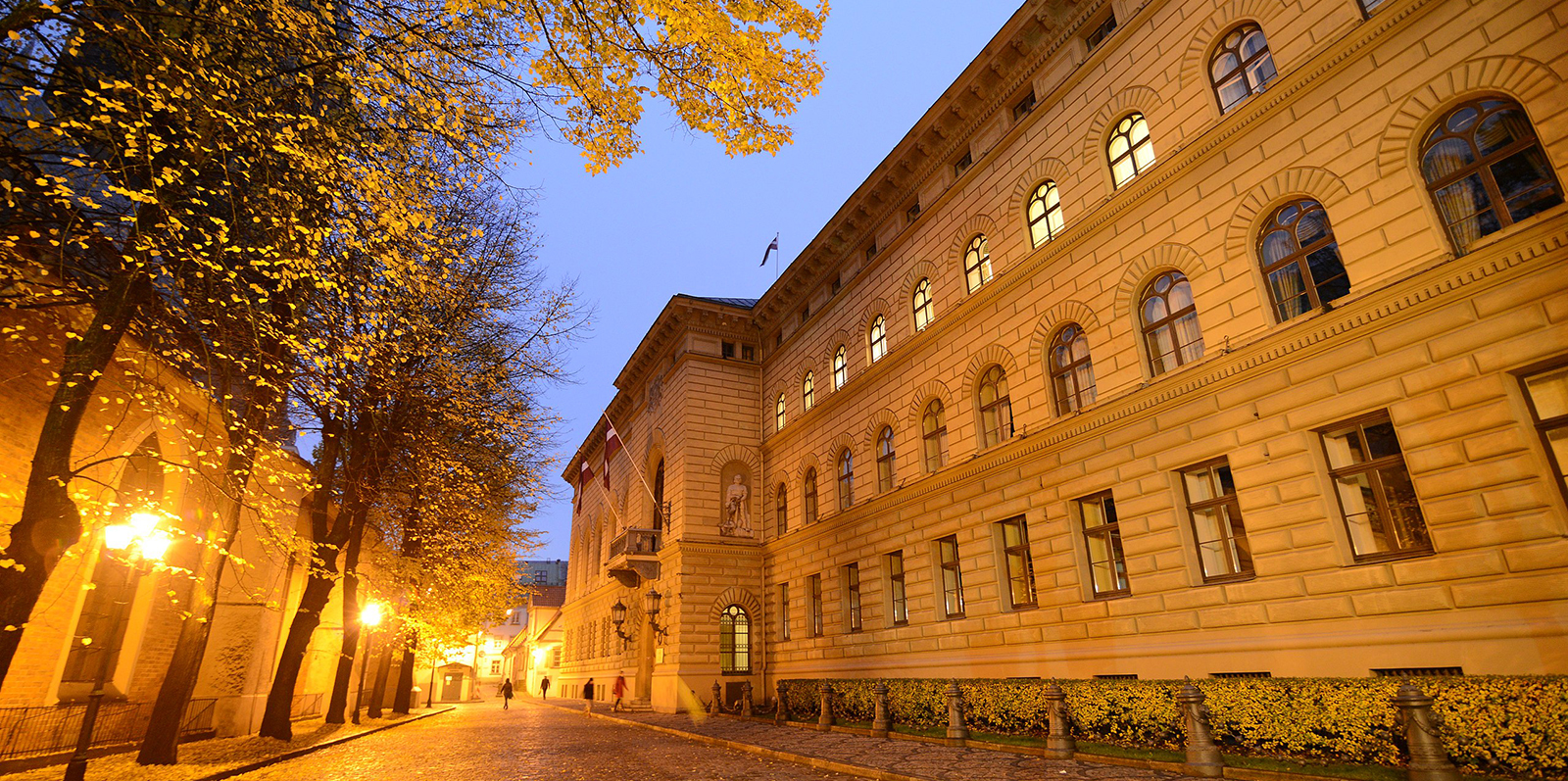
Candidate lists in Latvia contain only 38.6% women. Latvia is unlikely to improve women’s representation in its municipal elections unless Latvian voters adopt preference voting, and 'plus' their women candidates, writes Laura Dean Read more
Martín Portos
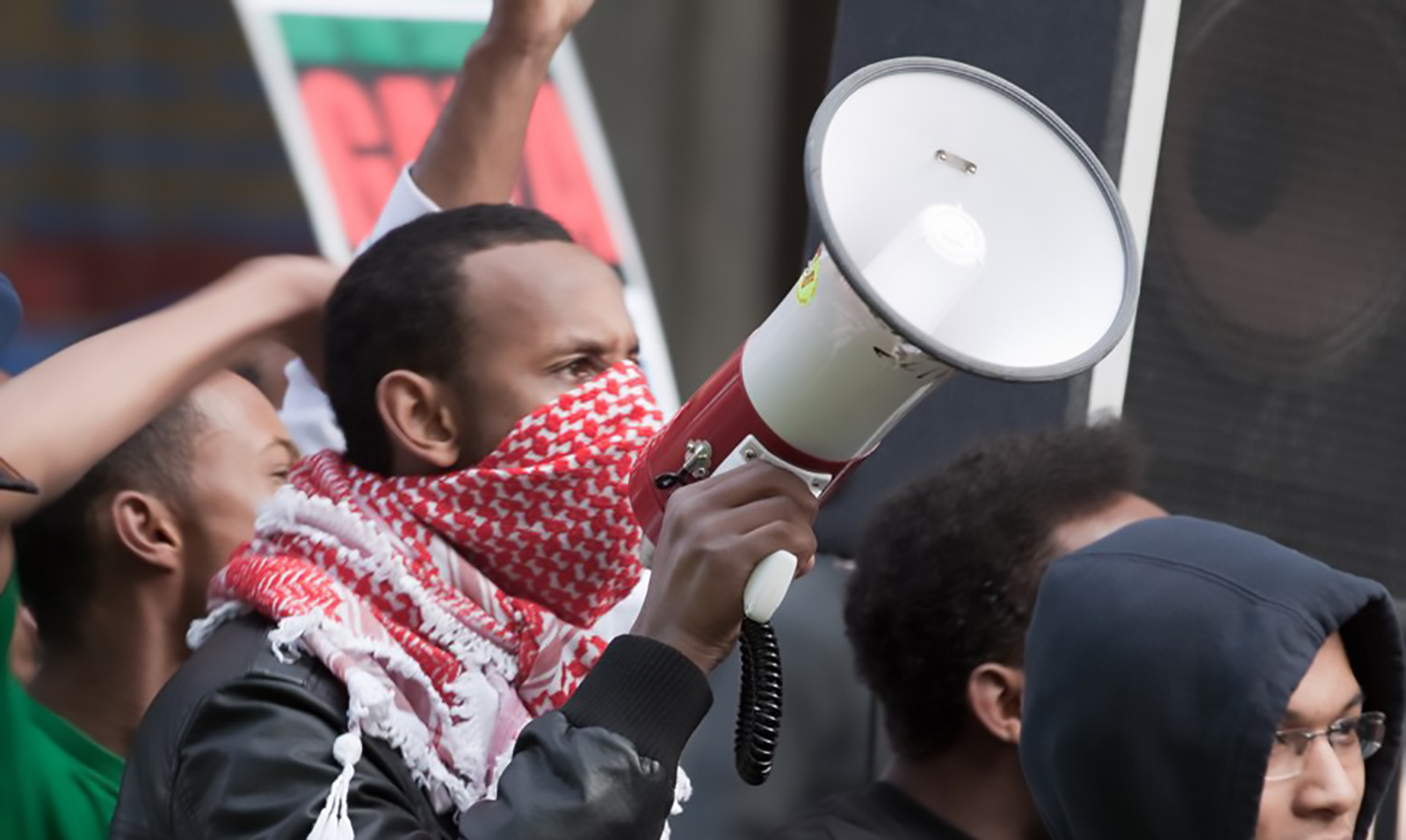
The fight against corruption has been at the heart of recent mass protests across the world. But does corruption drive political participation, and if so, who is it mobilising? Research by Raffaele Bazurli and Martín Portos suggests – counterintuitively – that people with less education are the most likely to rise up Read more
We use necessary cookies to make our site work. We'd also like to set analytics cookies that help us make improvements by measuring how you use the site. These will be set only if you accept.
▼
Strictly Necessary Cookies
Necessary cookies enable core functionality such as security, network management, and accessibility. You may disable these by changing your browser settings, but this may affect how the website functions.
▼
Analytics Cookies
Google Analytics
We'd like to set Google Analytics cookies to help us improve our website by collecting and reporting information on how you use it. The cookies collect information in a way that does not directly identify anyone. For more information on how these cookies work please see our Privacy Notice.