Matthew Flinders
Launching this series, Jean-Paul Gagnon made the case for ‘a database of democracy’ to grasp the conceptual complexity that other theorists have, he suggests, generally skirted around. Matthew Flinders disputes whether a taxonomical approach really is the answer to the question ‘What is democracy?’ Read more
Zsolt Enyedi
Over time, European party systems develop ‘closure’. Zsolt Enyedi and Fernando Casal Bértoa analyse how this happens, and what impact it has on European democracy Read more
Hager Ali
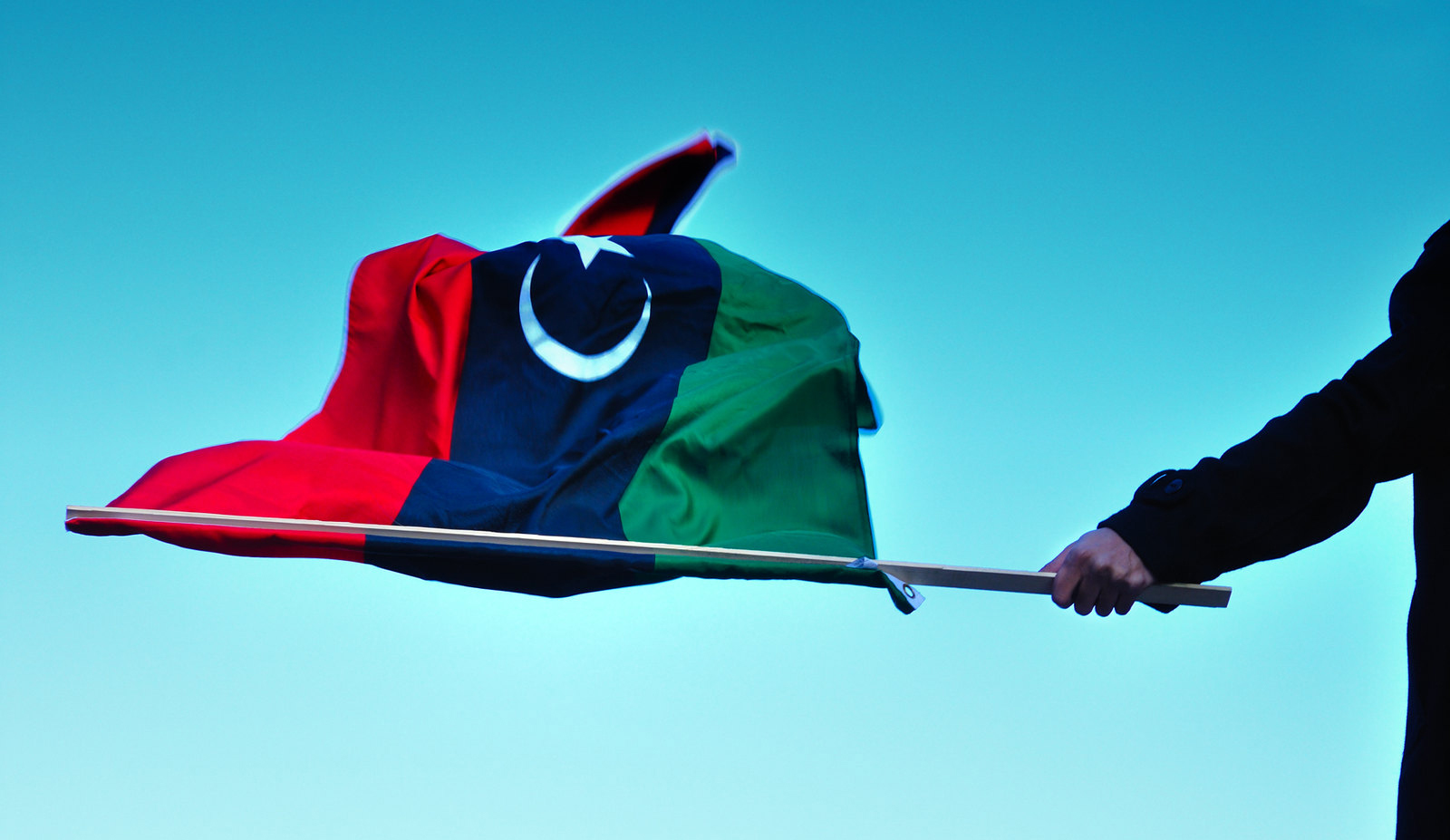
Only a few months remain before elections in Libya. But Western policymakers are focusing on election preparations and the withdrawal of foreign mercenaries, to the neglect of other pressing matters. Hager Ali argues that unless Libya tackles its political and military problems, elections may prove little more than a sticking plaster on a bullet wound Read more
Damian Raess
Surprisingly, left governments adopted more conservative fiscal policies than right governments in recent economic crises. Governments did not choose these policies freely; rather, the financial markets imposed them. Nonetheless, argues Damian Raess, they appear to have dire electoral consequences: left-leaning voters are increasingly voting with their feet Read more
Luca Manucci
Luca Manucci, in a panoramic survey of the rise of illiberalism in our times, argues that this trend is feeding on authoritarian historical legacies and memories which are being rewritten before our eyes. It is an exercise all democrats should challenge, and resist Read more
Laurence Whitehead
Democracy may have different meanings in different cultures. Yet, writes Laurence Whitehead, the concept of democracy also operates at a universal level where users can communicate with each other across time and space Read more
Sergio Ricardo Quiroga
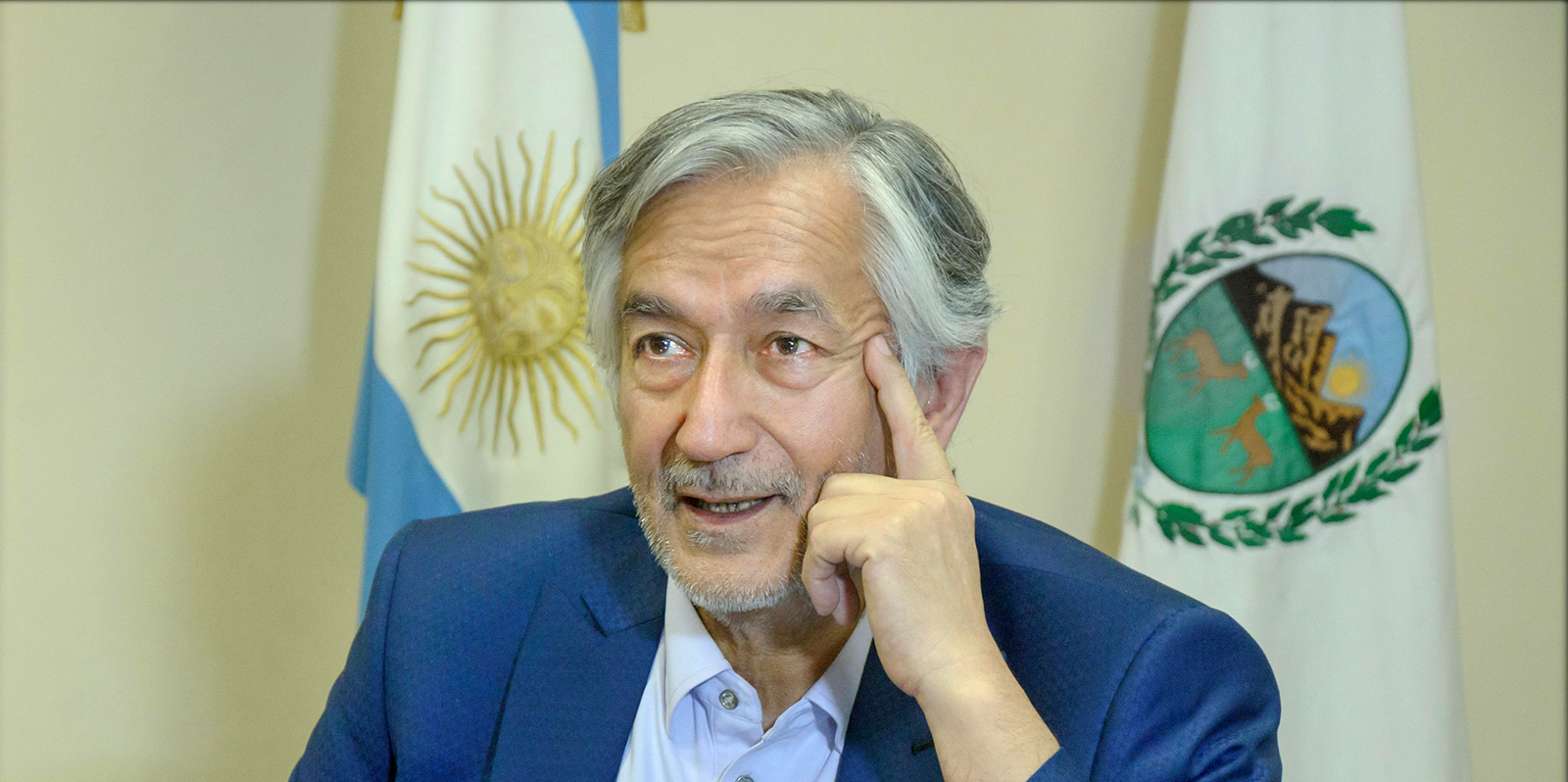
As Argentina heads for primary and then legislative elections in September, Sergio Ricardo Quiroga assesses the state of Argentinian politics through election build-up in a single province, San Luis. He finds that Argentina’s socioeconomic crisis cannot be resolved without first confronting its crisis of democracy Read more
Michael Keating
The United Kingdom has left the European Union in order to restore its national sovereignty. Yet the cost may be the break up of the UK itself, writes Michael Keating Read more
We use cookies to ensure that we give you the best experience on our website. If you continue to use this site we will assume that you are happy with it.