Andrea Ceron
Andrea Ceron and Elisa Volpi argue that rather than sweeping the damage under the carpet, parties can best restore their image by emphasising competence, clarity and their ability to handle the core issues Read more
Jasper T. Kauth
Not all illiberalisms are the same, argues Jasper T. Kauth. While anti-democratic, disruptive illiberalism and anti-liberal, ideological illiberalism may act simultaneously, analysing them individually will help us identify drivers of this phenomenon. Read more
Ana Tereza Duarte Lima de Barros
Political terms such as communist, fascist, and populist have become so elastic that they end up losing their analytical precision and meaning, write Ana Tereza Duarte Lima de Barros and Jorge Henrique Oliveira Gomes. It is our responsibility to use them with accuracy Read more
Viktor Orri Valgarðsson
Citizens across the world appear to be losing faith in politics and governments’ ability to solve society’s problems, but can their faith be reclaimed? Viktor Orri Valgarðsson suggests that what may be needed is a new trust settlement – one of critical trust, which must be earned Read more
Andrew Richard Ryder
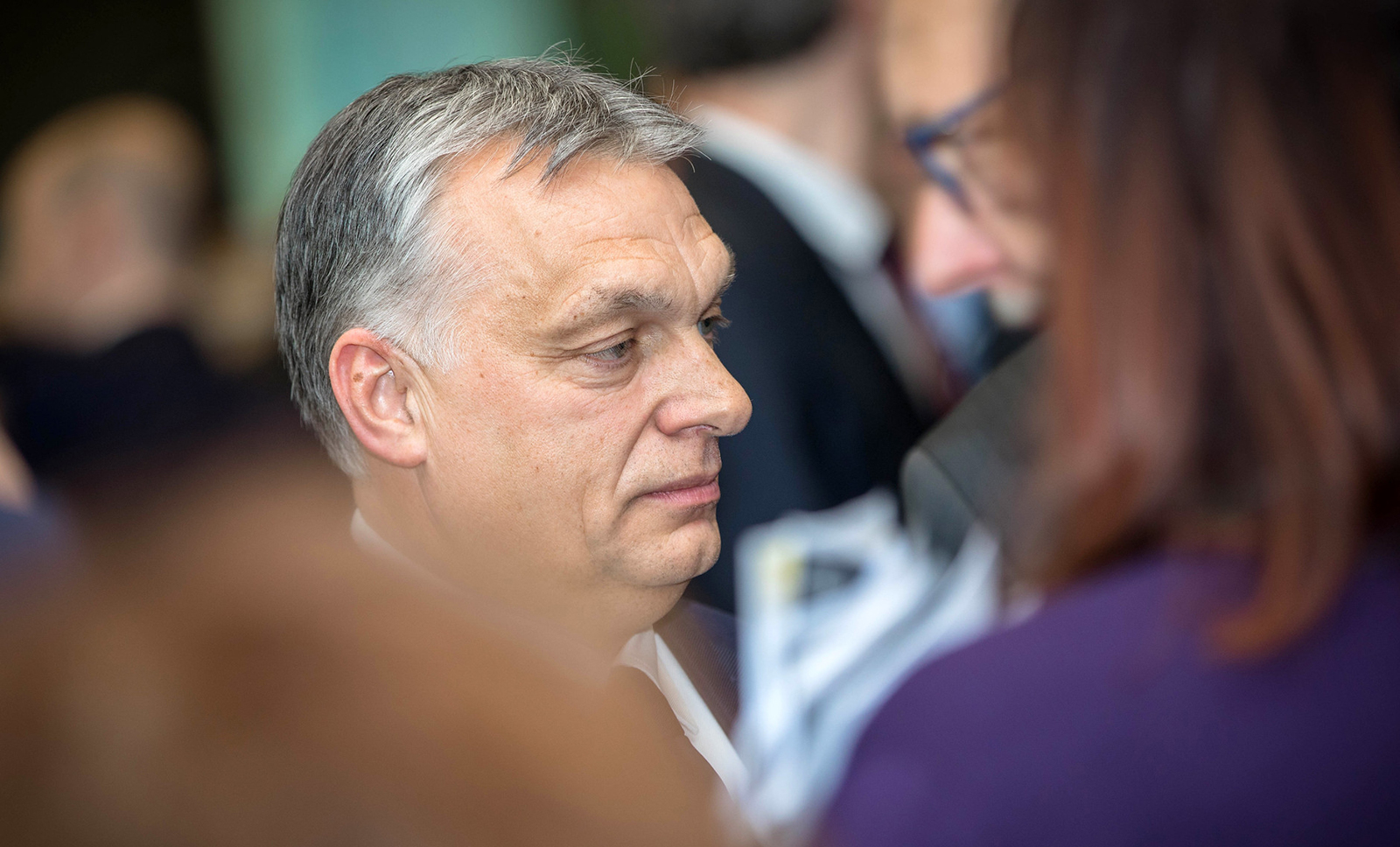
Since 2010, Hungarian Prime Minister Viktor Orbán has carried through measures that have undermined the rule of law, with no prospect for changing this trajectory. However, argues Andrew Richard Ryder, current events present opportunities for a return to democratic values in Hungary Read more
Rafael Khachaturian
According to Rafael Khachaturian, Jean-Paul Gagnon’s 'lexical approach' misses the interpretive dimension of democracy. Instead, we need a self-reflexive theory of concept creation that treats democracy as an unfulfilled political project Read more
Niva Golan-Nadir
Niva Golan-Nadir examines the diverse strategies state institutions use to manage unpopular policies while keeping the core of those policies intact. In Israel, citizens are only partially content with government measures to meet their demands. Crucially, however, Israelis are satisfied enough to prevent civil pressure on state institutions Citizens in modern democratic states enjoy civil […] Read more
Simone Chambers
This is not the time for collecting butterflies, writes Simone Chambers in response to Jean-Paul Gagnon. The threats to democracy we face today call for innovation and engagement, not typologies and definitions Read more
We use necessary cookies to make our site work. We'd also like to set analytics cookies that help us make improvements by measuring how you use the site. These will be set only if you accept.
▼
Strictly Necessary Cookies
Necessary cookies enable core functionality such as security, network management, and accessibility. You may disable these by changing your browser settings, but this may affect how the website functions.
▼
Analytics Cookies
Google Analytics
We'd like to set Google Analytics cookies to help us improve our website by collecting and reporting information on how you use it. The cookies collect information in a way that does not directly identify anyone. For more information on how these cookies work please see our Privacy Notice.