Andreas Avgousti
Andreas Avgousti asserts that collecting democracy’s words gives us a window into the democratic imagination. He reads Jean-Paul Gagnon’s expanding database as an illustration of democratic virtues Read more
Phi Hong Su
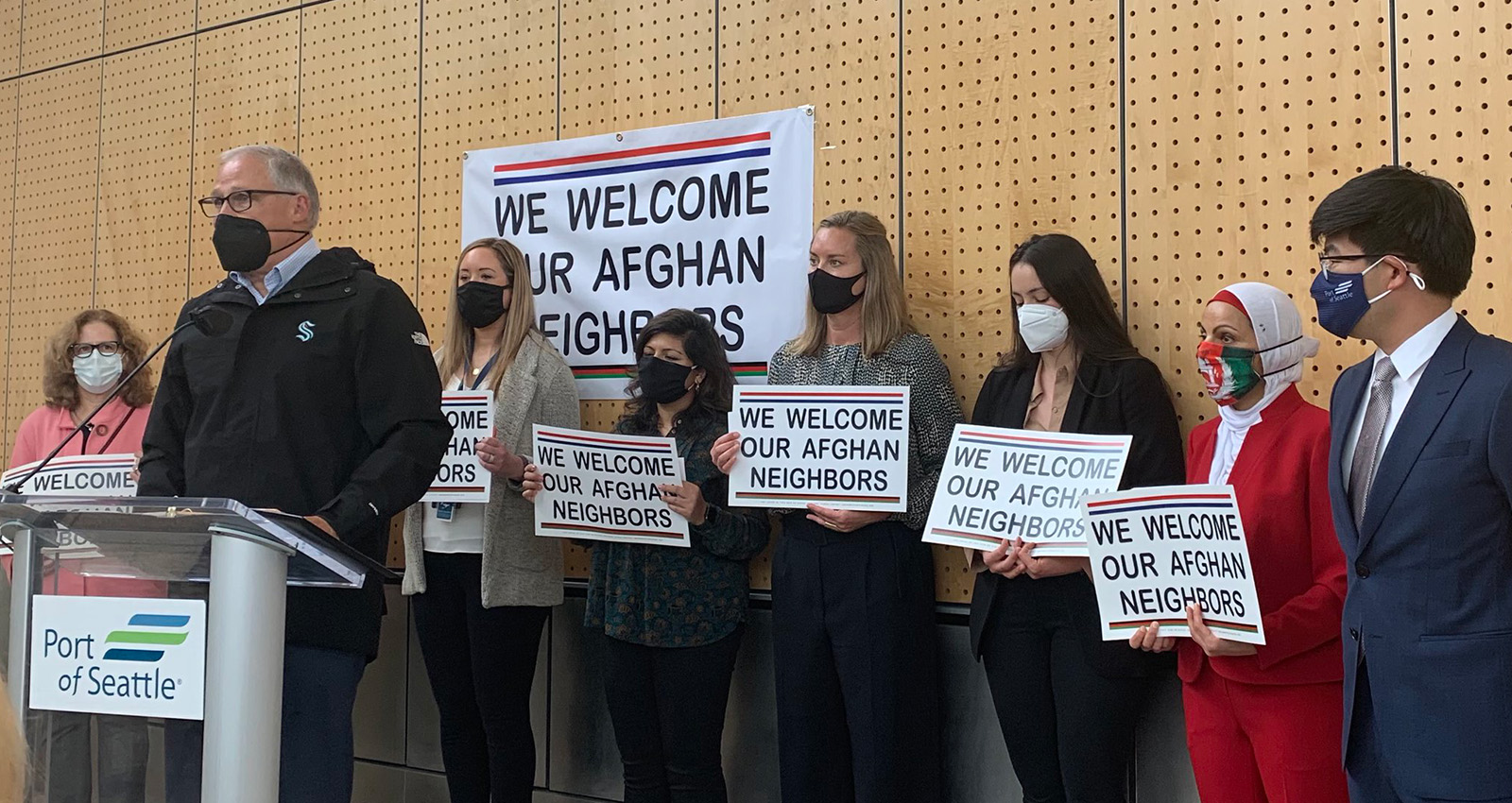
What does it take to welcome evacuees as they rebuild their lives? Phi Hong Su reflects on how governance, labour markets, and ethnic communities can ease new arrivals’ resettlement in the United States —and how gaps in these contexts of reception worsen precarity Read more
Felipe Arocena
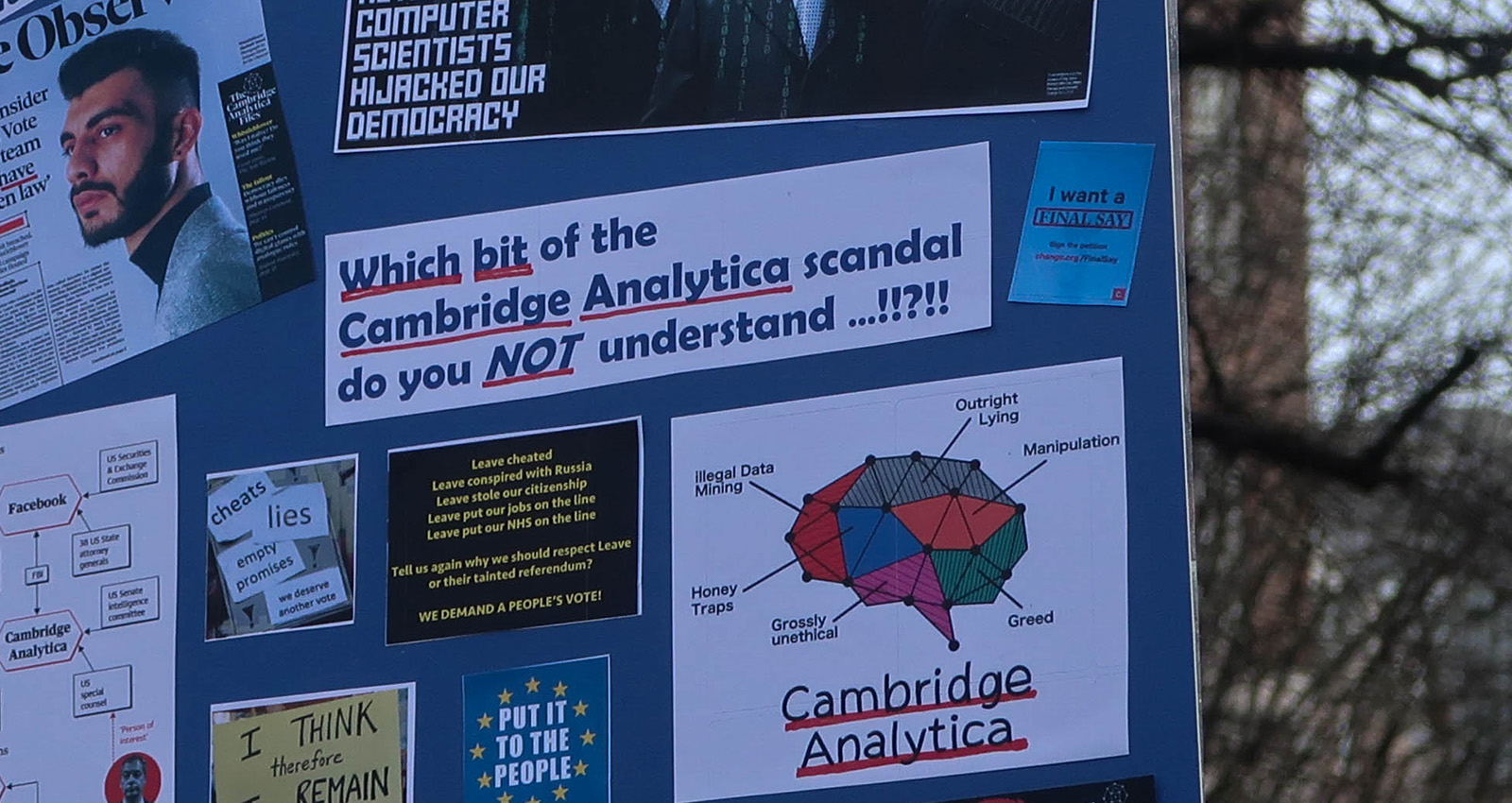
The internet has not, as many hoped, delivered positive change for democracy. But according to Felipe Arocena, there is still a meaningful way to confront the authoritarian advances of new technological powers and reinforce democracy – rebellion Read more
Antonin Lacelle-Webster
Jean-Paul Gagnon’s ambitious project expands our democratic imaginaries. While inspiring, Antonin Lacelle-Webster argues that making sense of democracy requires more than a lexicon. Resisting the prevailing sense of disrepair in today’s democratic politics asks us to pay more attention to democracy's appropriation, design, and normative value Read more
Ruairidh Brown
In our contemporary world, dangers frequently come not from external enemies but from our own behaviour. To provide moral guidance on these dangers and help overcome the externalisation of threat, Ruairidh Brown looks back through time to St Augustine Read more
Salah Ben Hammou
Researchers of authoritarian politics and civil-military relations have long examined military rule. However, our understanding of civilian participation in military regimes remains limited and requires greater analytical attention, argues Salah Ben Hammou. Amid last year’s coup resurgence, researchers must move to appreciate the subtle but salient differences among military dictatorships Read more
Martino Comelli
Christian democracy is the political culture that has been the driving force behind European integration. Yet, according to Martino Comelli, it has also facilitated the democratic backsliding of some countries of central and east Europe by providing an illiberal political toolbox of narratives and policies Read more
Frowin Rausis
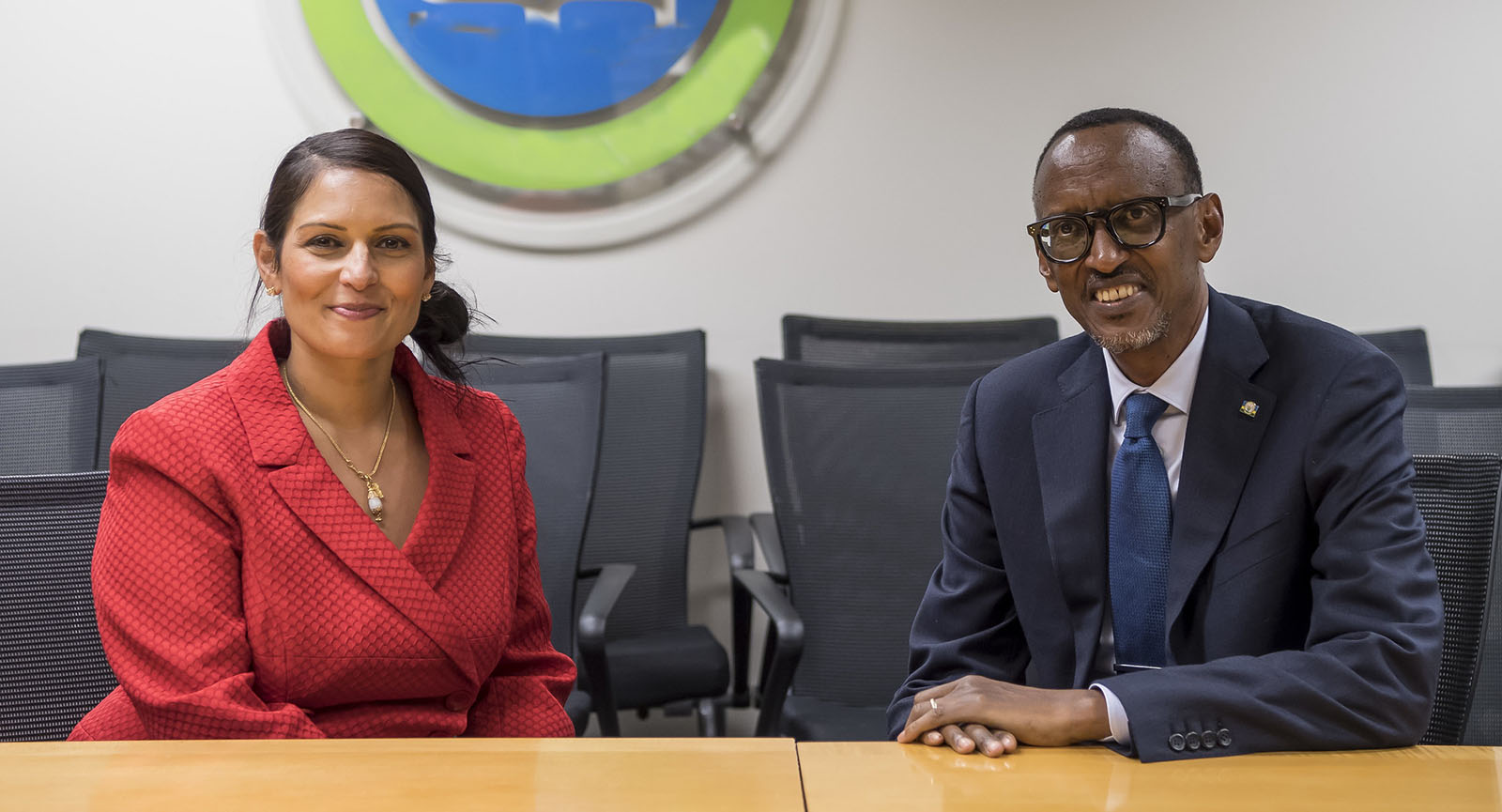
The UK’s ‘New Plan for Immigration’ allows the government to send asylum seekers to Rwanda, reflecting the latest aspiration to externalise refugee protection. Frowin Rausis and Konstantin Kreibich show that the idea is not new. Different countries have toyed with it for years – and failed consistently Read more
We use necessary cookies to make our site work. We'd also like to set analytics cookies that help us make improvements by measuring how you use the site. These will be set only if you accept.
▼
Strictly Necessary Cookies
Necessary cookies enable core functionality such as security, network management, and accessibility. You may disable these by changing your browser settings, but this may affect how the website functions.
▼
Analytics Cookies
Google Analytics
We'd like to set Google Analytics cookies to help us improve our website by collecting and reporting information on how you use it. The cookies collect information in a way that does not directly identify anyone. For more information on how these cookies work please see our Privacy Notice.