Christoph Deppe
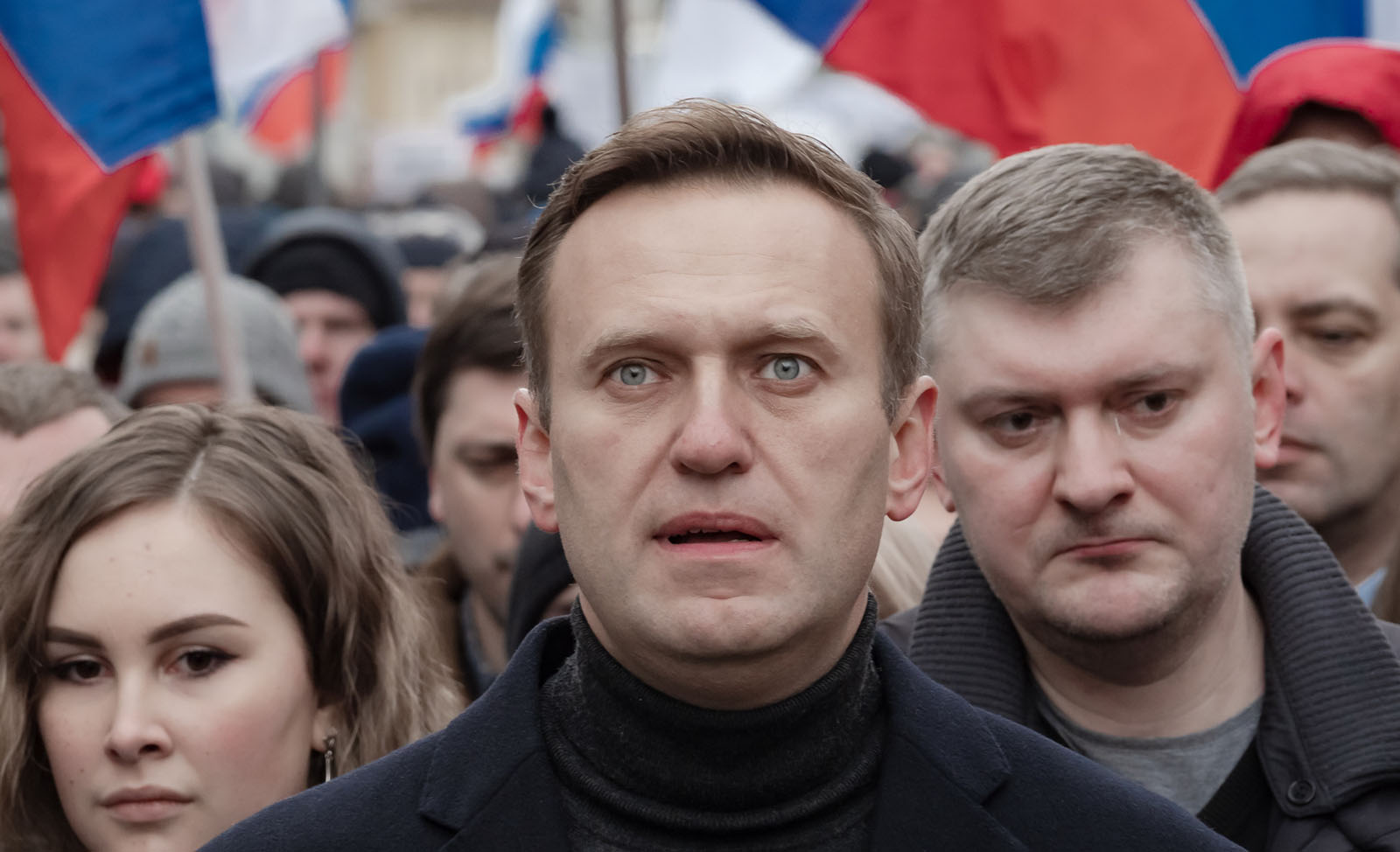
Disinformation affects democratic systems and lowers the deliberative quality of our society. Analysing press coverage of the poisoning of Alexei Navalny, Christoph Deppe and Gary S. Schaal reveal that Russia Today journalists instrumentalise democratic institutions – including German government press conferences – in their favour Read more
Nikolaos Lampas
The alliance can reverse Turkey’s opposition to Sweden and Finland joining NATO. Turkey's behaviour rests on three needs: to secure economic concessions for its struggling economy, to acquire F-16 and F-35 fighter aircraft, and to reassert itself as a NATO powerbroker, writes Nikolaos Lampas Turkey’s objection to Sweden and Finland joining NATO Sweden and Finland's […] Read more
Catherine Owen
Catherine Owen argues that understanding how regime type influences public sector performance can illuminate varieties of ‘authoritarian public policy’ and the resilience of authoritarian states. To do so, she calls on the fields of public administration and comparative politics to work together Read more
Marlene Laruelle
Using the lens of illiberalism, writes Marlene Laruelle, we can explore the emergence of a new rightist resistance to the current social and moral order. Illiberalism interacts on a permanent basis with liberalism, and is a byproduct of neoliberal ideologies Read more
Marta Wojciechowska
Jean-Paul Gagnon’s project involves the collection, labelling, and organisation of published words on democracy. He intends it to help democratic scientists to counter authoritarianism. But, argues Marta Wojciechowska, the project’s method may overlook issues of power involved in creating and publishing meanings of democracy Read more
Maria Gloria Polimeno
EU independence from Russia's fossil fuels is predicated on a defence of democratic principles. Yet, argues Maria Gloria Polimeno, a moral contradiction in policy is emerging as EU member states seeks other suppliers. This highlights the need for a sustainable green transition in EU energy supplies Read more
Fizza Batool
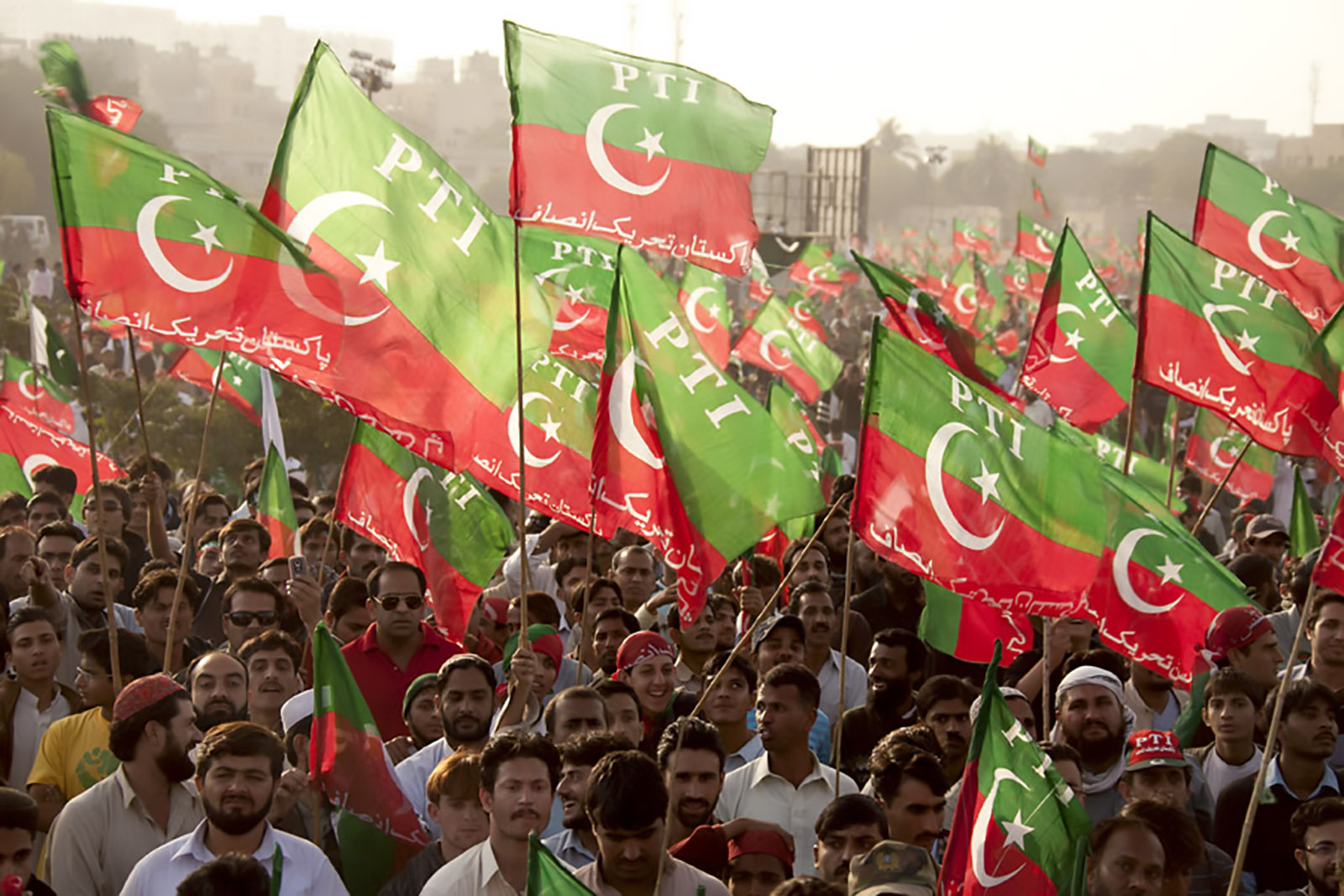
With another Prime Minister ousted before completing his five-year term, many blame Pakistan's instability on competition for power among political parties. But Fizza Batool argues that illiberalism, not democracy, is to blame Read more
Albrecht Rothacher
Albrecht Rothacher argues that the Russian experience of invading Ukraine has caused China to rethink its militaristic intentions regarding Taiwan. What once might have been perceived as a ‘solution’ to the Taiwanese problem now looks unfeasible in the light of Ukraine’s and the West’s response to Russian aggression Read more
We use necessary cookies to make our site work. We'd also like to set analytics cookies that help us make improvements by measuring how you use the site. These will be set only if you accept.
▼
Strictly Necessary Cookies
Necessary cookies enable core functionality such as security, network management, and accessibility. You may disable these by changing your browser settings, but this may affect how the website functions.
▼
Analytics Cookies
Google Analytics
We'd like to set Google Analytics cookies to help us improve our website by collecting and reporting information on how you use it. The cookies collect information in a way that does not directly identify anyone. For more information on how these cookies work please see our Privacy Notice.