Jun Koga Sudduth
Does the creation of nominally democratic institutions help dictators stay in power by reducing the risk of coups d’etat? Jun Koga Sudduth analyses and categorises different types of coup, and their effects. In so doing, she confounds the conventional wisdom that democratic institutions reduce the likelihood of dictators being overthrown Read more
Maja Gergorić
Planning for forthcoming Pride months, LGBTI activists are aware of growing opposition to their cause. Yet, writes Maja Gergorić, anti-LGBTI rhetoric and policy meet with a strong and united LGBTI movement in Eastern European countries Read more
Lisa Van Dijk
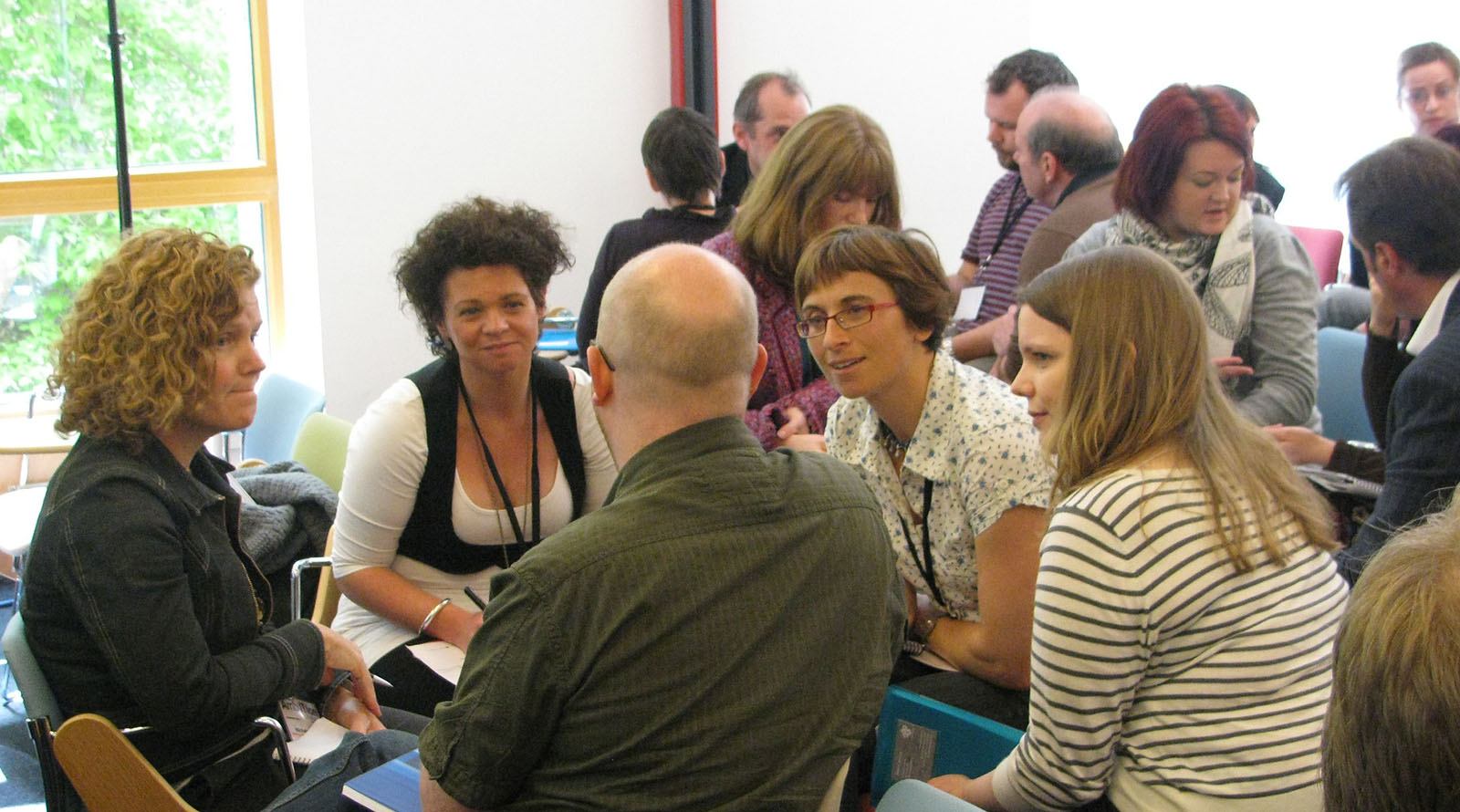
In representative democracies, many citizens feel disconnected from those who make political decisions on their behalf. In extreme cases, they may even refuse to accept democratic decisions and contemplate alternative forms of government. Lisa van Dijk, James Pow and Sofie Marien test the effectiveness of ‘minipublics’ to offset these problems Read more
Julieta Suárez-Cao
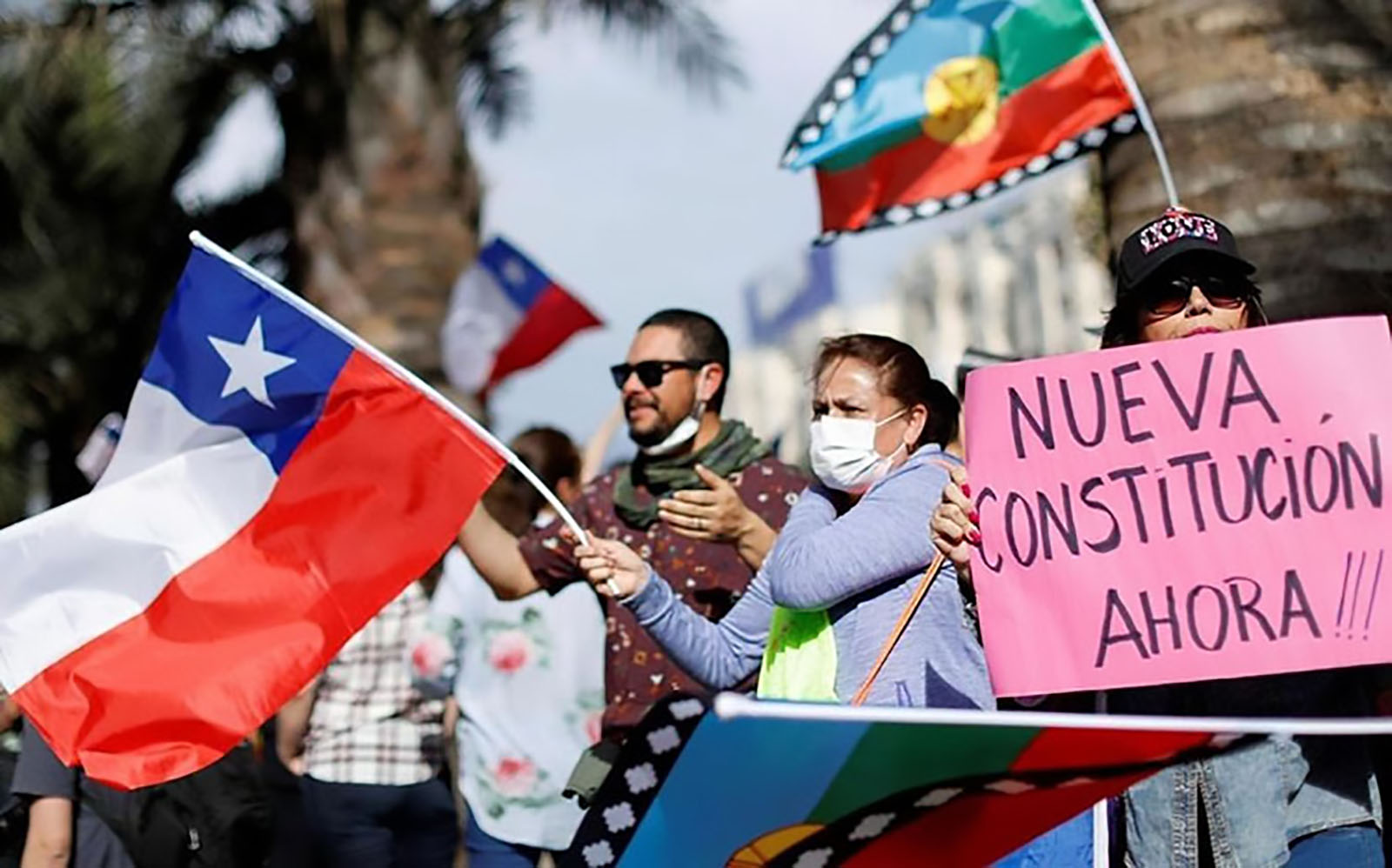
Chile’s constitutional reform started after massive social protests in 2019. With gender parity, reserved seats for indigenous people, and a significant number of seats for independent delegates, Julieta Suarez-Cao argues that the country's assembly is on track to rebuild democratic legitimacy in the years to come Read more
Alexander Dukalskis
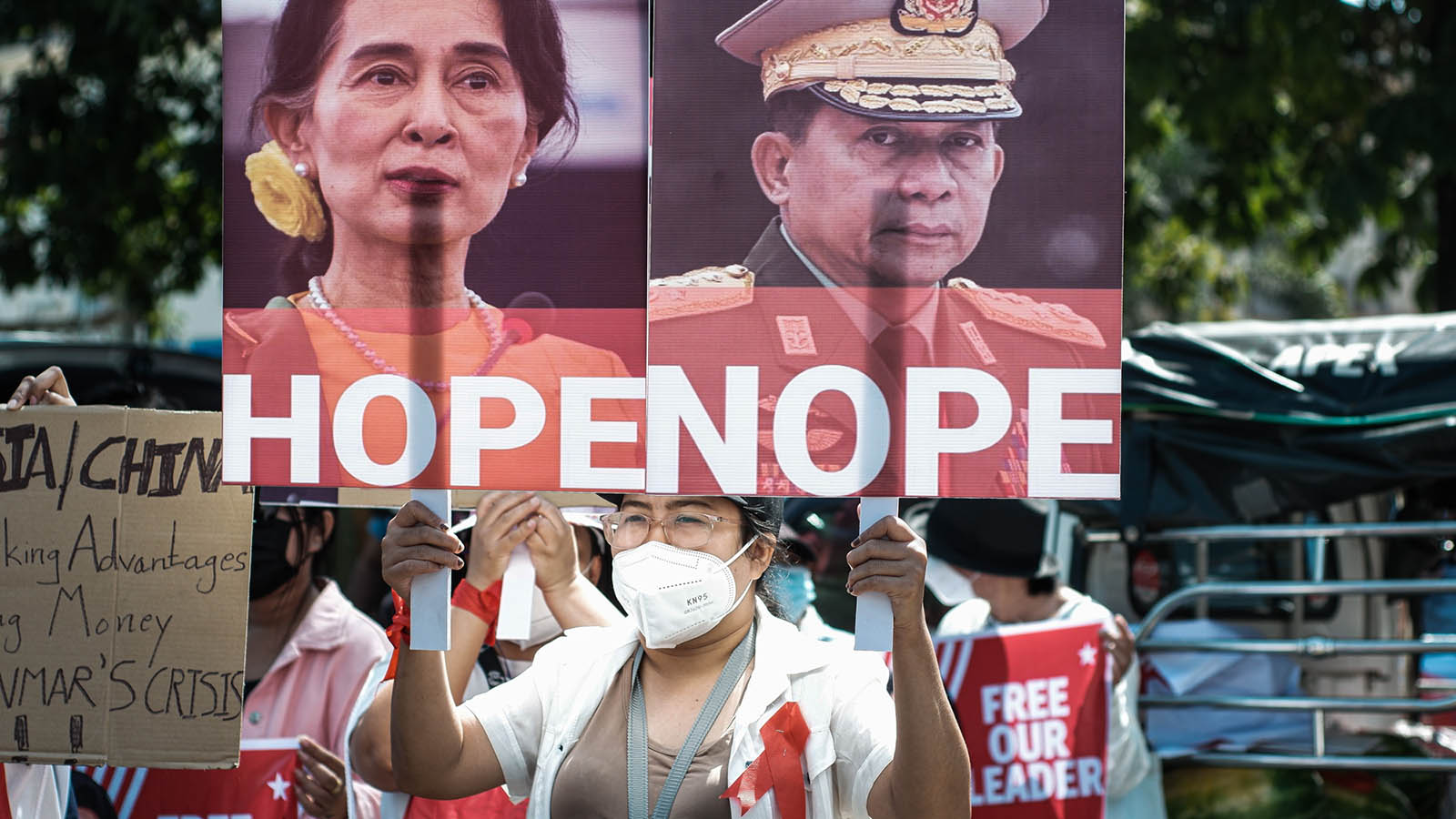
Authoritarian states deliberately use a number of tools to manage their image internationally, writes Alexander Dukalskis. Creating positive news, distracting and silencing critique, and shaping elite opinion help make the world safer for dictatorships Read more
Aliaksei Kazharski
Following the end of the Cold War, the Visegrád 4 of Hungary, Poland, Czechia and Slovakia embarked on a 'return to the West'. These countries, writes Aliaksei Kazharski, are hardly beacons of democracy. But could they anchor Europeanisation and democratic change in East-Central Europe? Read more
Alberto Parmigiani
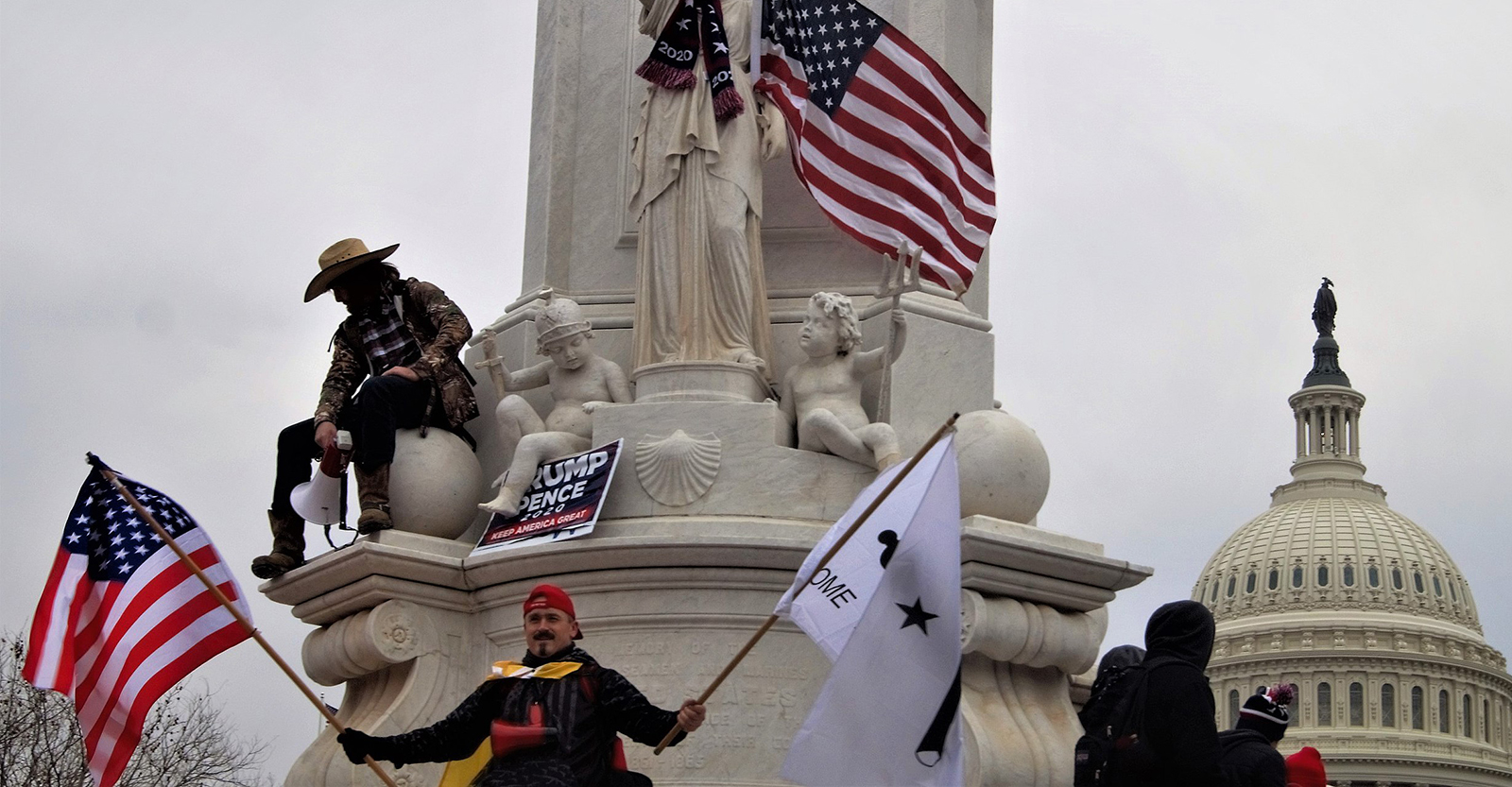
To understand the storming of the US Capitol, we must consider its possible roots in economic inequality. This, along with economic elites' ability to transform material wealth into political clout, have contributed to record political polarisation in the US today, writes Alberto Parmigiani Read more
Lars Pelke
It is a common assumption that autocrats have no incentive to redistribute income and wealth. Not so, says Lars Pelke. Uncertainty about the outcomes of autocratic elections can incentivise dictators to redistribute wealth, especially when the incumbents’ ruling coalition is inclusive Read more
We use cookies to ensure that we give you the best experience on our website. If you continue to use this site we will assume that you are happy with it.