Phi Hong Su
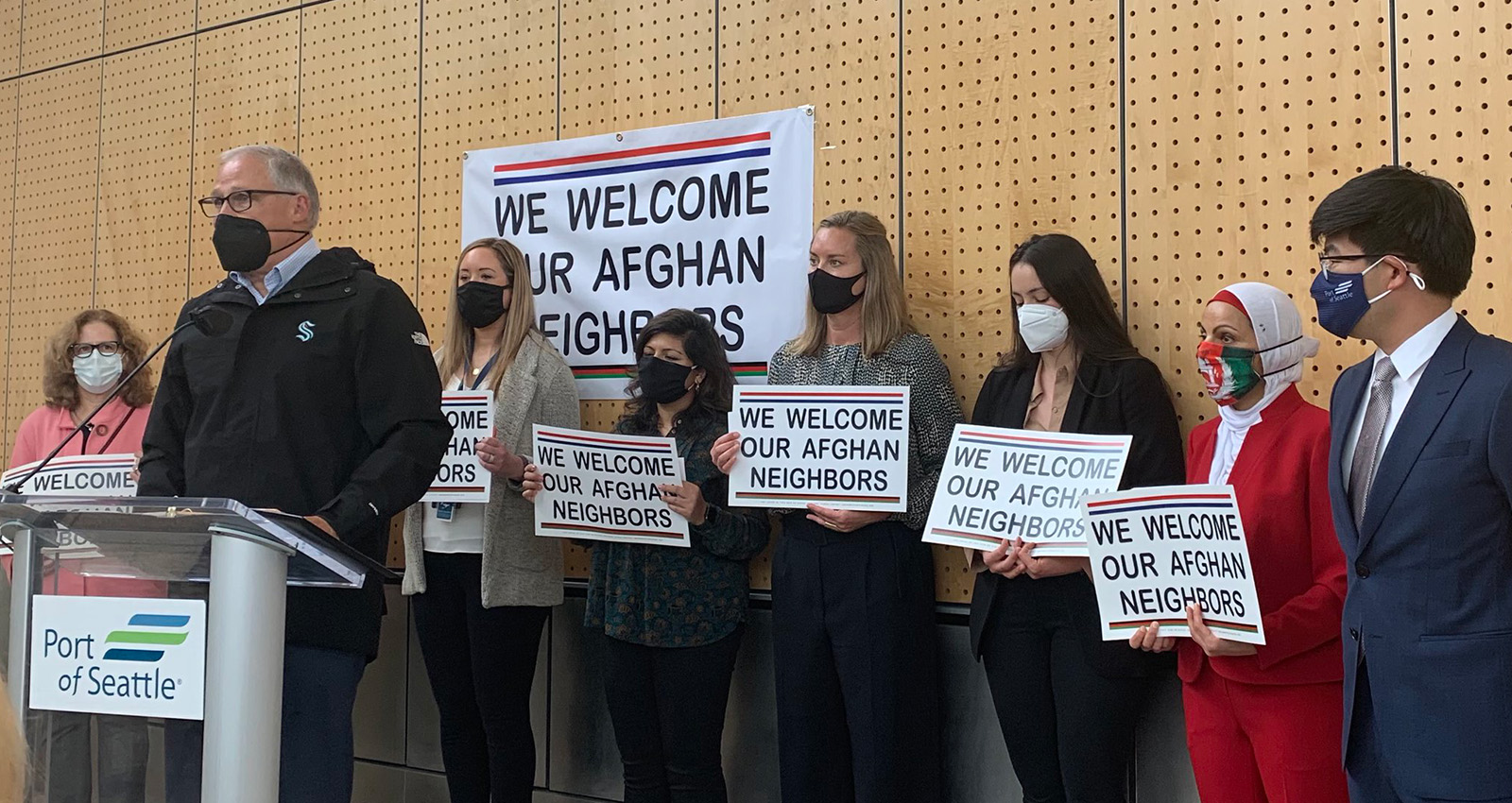
What does it take to welcome evacuees as they rebuild their lives? Phi Hong Su reflects on how governance, labour markets, and ethnic communities can ease new arrivals’ resettlement in the United States —and how gaps in these contexts of reception worsen precarity Read more
Frowin Rausis
The UK’s ‘New Plan for Immigration’ allows the government to send asylum seekers to Rwanda, reflecting the latest aspiration to externalise refugee protection. Frowin Rausis and Konstantin Kreibich show that the idea is not new. Different countries have toyed with it for years – and failed consistently Read more
Hannah Muzee
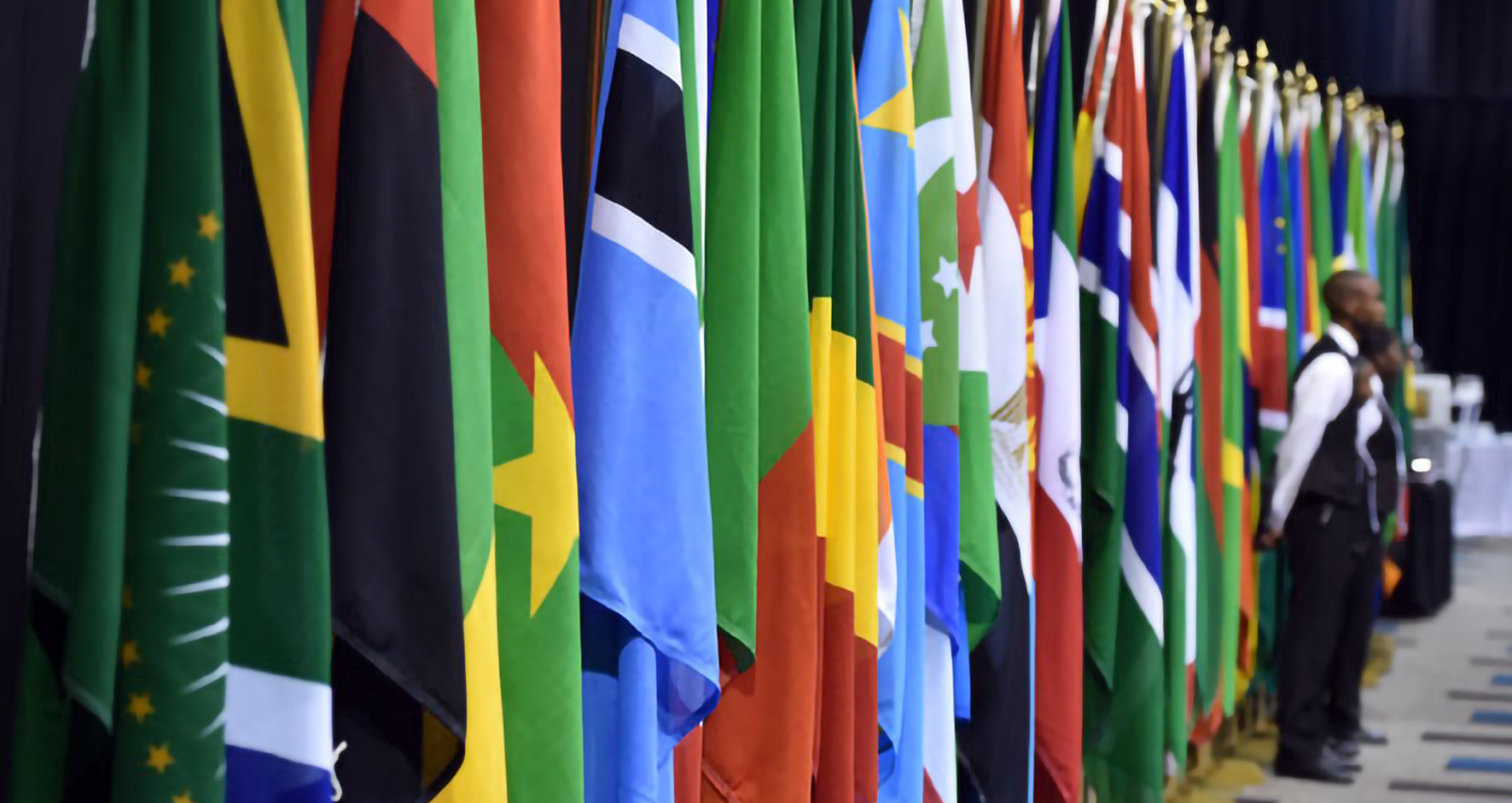
The British government's Rwanda-UK asylum deal exposes the detrimental effects of an absolute state sovereignty principle in the African Union. This principle, argues Hannah Muzee, is a major stumbling block to Africa’s desired unification objectives Read more
Kinga Korányi
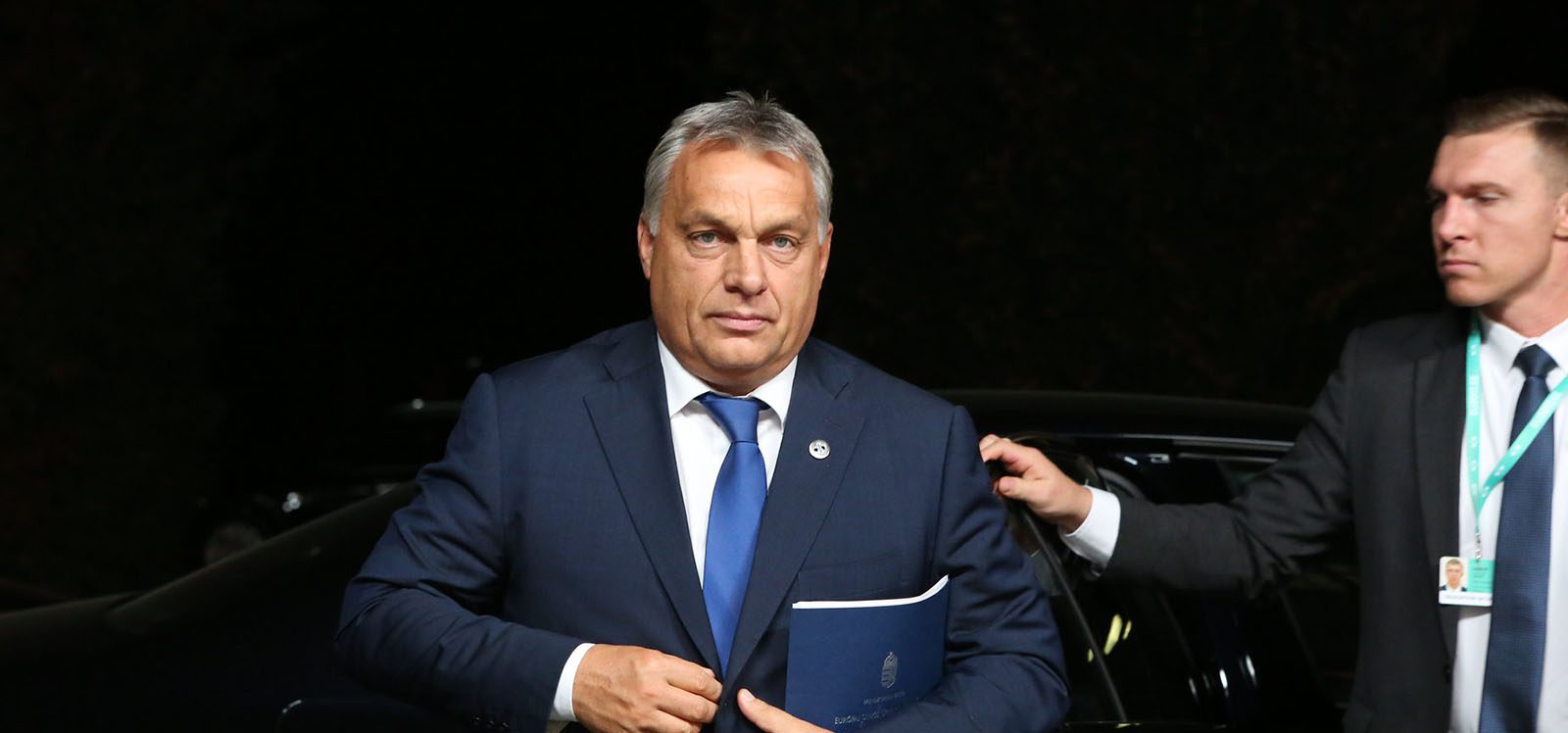
Viktor Orbán has just emerged victorious in the Hungarian national election of 3 April, despite his pro-Russian stance and friendship with Vladimir Putin, which had been expected to tarnish his party Fidesz’s popularity. Kinga Koranyi argues that Fidesz managed to turn its response to the war in Ukraine into a successful campaign tool Read more
Irene Landini
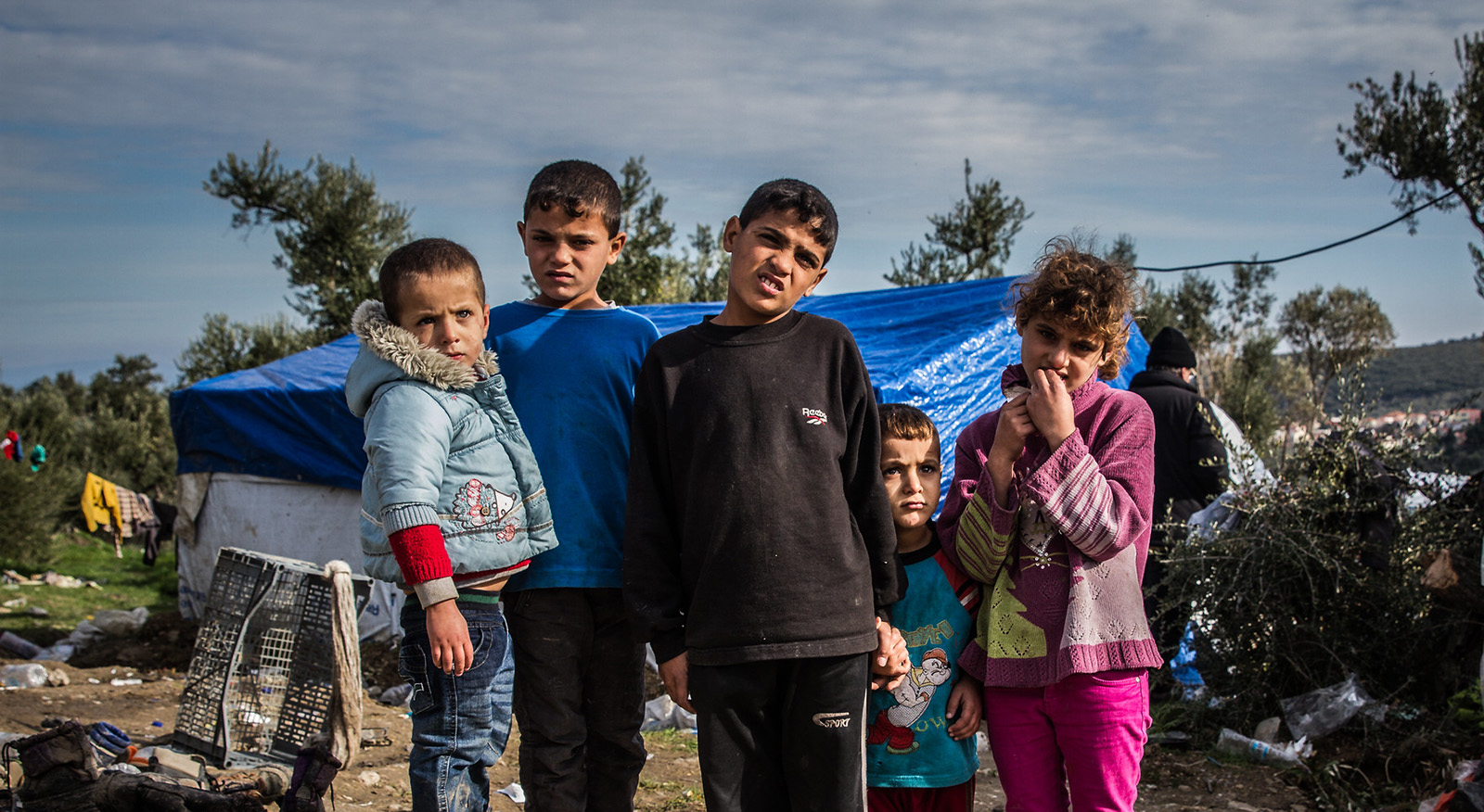
Eastern European governments show a high degree of solidarity towards Ukrainian asylum seekers fleeing the conflict provoked by the Russian invasion. At the same time, these governments continue to resist asylum seekers from the Middle East. Irene Landini explains the geographical, cultural and political factors behind this contradiction. Read more
Fred Paxton
Italian populists’ focus on ‘the will of the people’ has frequently contradicted their ideological priorities towards migration, Fred Paxton and Andrea Pettrachin find. The perception of local attitudes to immigration and issue salience are the determining factors in how populists in local government make their decisions Read more
Philipp Lutz
Western countries repeatedly point to resettlement – the organised transfer of refugees to a safe third country – as a solution to persistent humanitarian crises. Yet, Philipp Lutz and Lea Portmann show how such resettlement can, paradoxically, be a way for states to legitimise limiting access to humanitarian protection Read more
Natalie Welfens
Safe and legal pathways to protection in Europe are scarce. Officially, states should admit only ‘the most vulnerable’ refugees. Yet, writes Natalie Welfens, humanitarian considerations are increasingly bound up with concerns about refugees' social and cultural fit with the admission state Read more
We use necessary cookies to make our site work. We'd also like to set analytics cookies that help us make improvements by measuring how you use the site. These will be set only if you accept.
▼
Strictly Necessary Cookies
Necessary cookies enable core functionality such as security, network management, and accessibility. You may disable these by changing your browser settings, but this may affect how the website functions.
▼
Analytics Cookies
Google Analytics
We'd like to set Google Analytics cookies to help us improve our website by collecting and reporting information on how you use it. The cookies collect information in a way that does not directly identify anyone. For more information on how these cookies work please see our Privacy Notice.