Emilija Tudzarovska
The EU economic crisis revealed a clash between the EU and national authorities. This clash is, however, only one part of the story. Events in Greece, Italy, Bulgaria and Slovenia, writes Emilija Tudzarovska, also revealed a crisis of party politics. This crisis has triggered appeals to populism and technocracy – technopopulism – which weakens yet further the institutionalisation of politics Read more
Laia Balcells
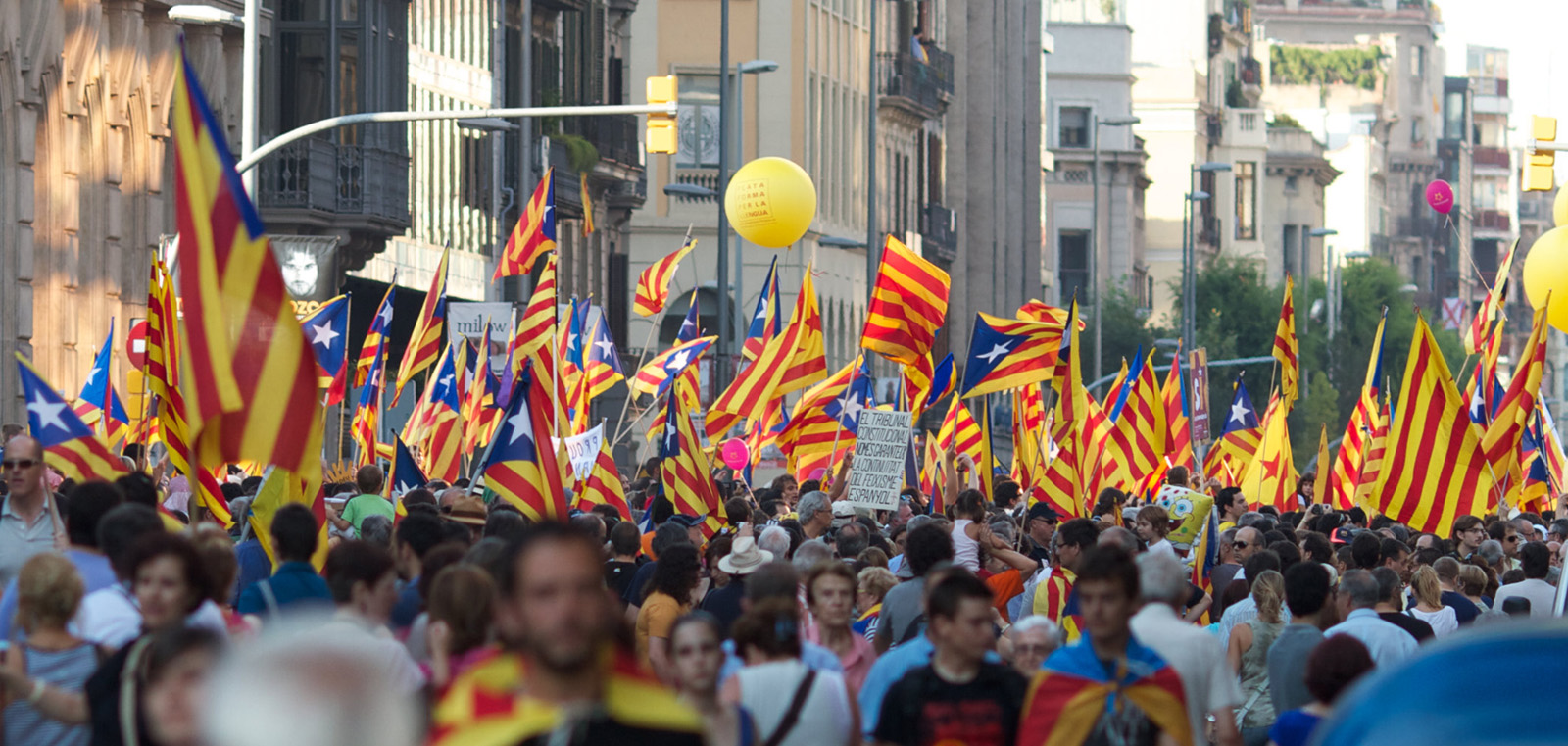
Laia Balcells, Lesley-Ann Daniels, and Alexander Kuo highlight the role of contentious territorial issues in shaping societal divisions. They study three European regions —Scotland, Catalonia, and Northern Ireland — that have salient territorial claims but very different histories. All three, however, exhibit striking similarities in levels of social polarisation Read more
Matthew E Bergman
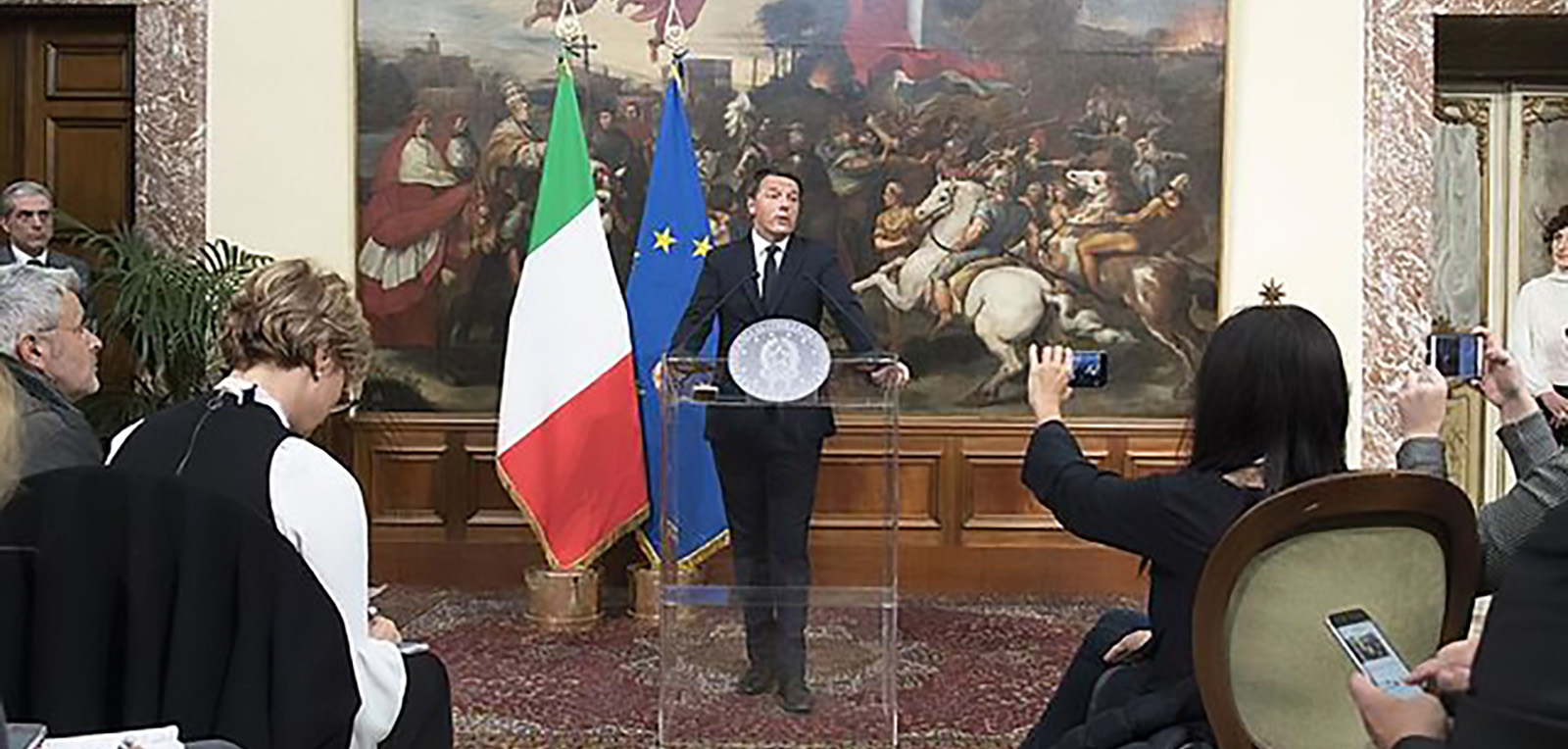
What motivates people in referendum voting? Advocates argue that they allow voters to express their sincere preferences on issues. Matthew Bergman and Gianluca Passarelli look at the Italian case. They argue that voting in referenda can be just as party-focused as other forms of elections Read more
Rongxin Li
An orthodoxy in conventional democratic theory says that voting is all that really matters. Rongxin Li challenges the prominence of electoralism and majoritarianism in representative democratic practice. He argues that consultative democracy confers far more legitimacy on a decision than voting ever can or will Read more
Łukasz Wordliczek
Democratic malaise, deconsolidation, backsliding, illiberalism, decline, erosion, rupture, decay, or simply: crisis. This 'conceptual bazaar' shows that democracy does not necessarily keep up with today’s challenges. Łukasz Wordliczek suggests three possible remedies Read more
Julieta Suárez-Cao
The draft of a new Magna Carta in Chile proves that a constitution of and for women is possible, writes Julieta Suárez-Cao. But uncertainty lies ahead: polls regarding the constitutional vote on September 4th indicate it could be rejected Read more
Ruairidh Brown
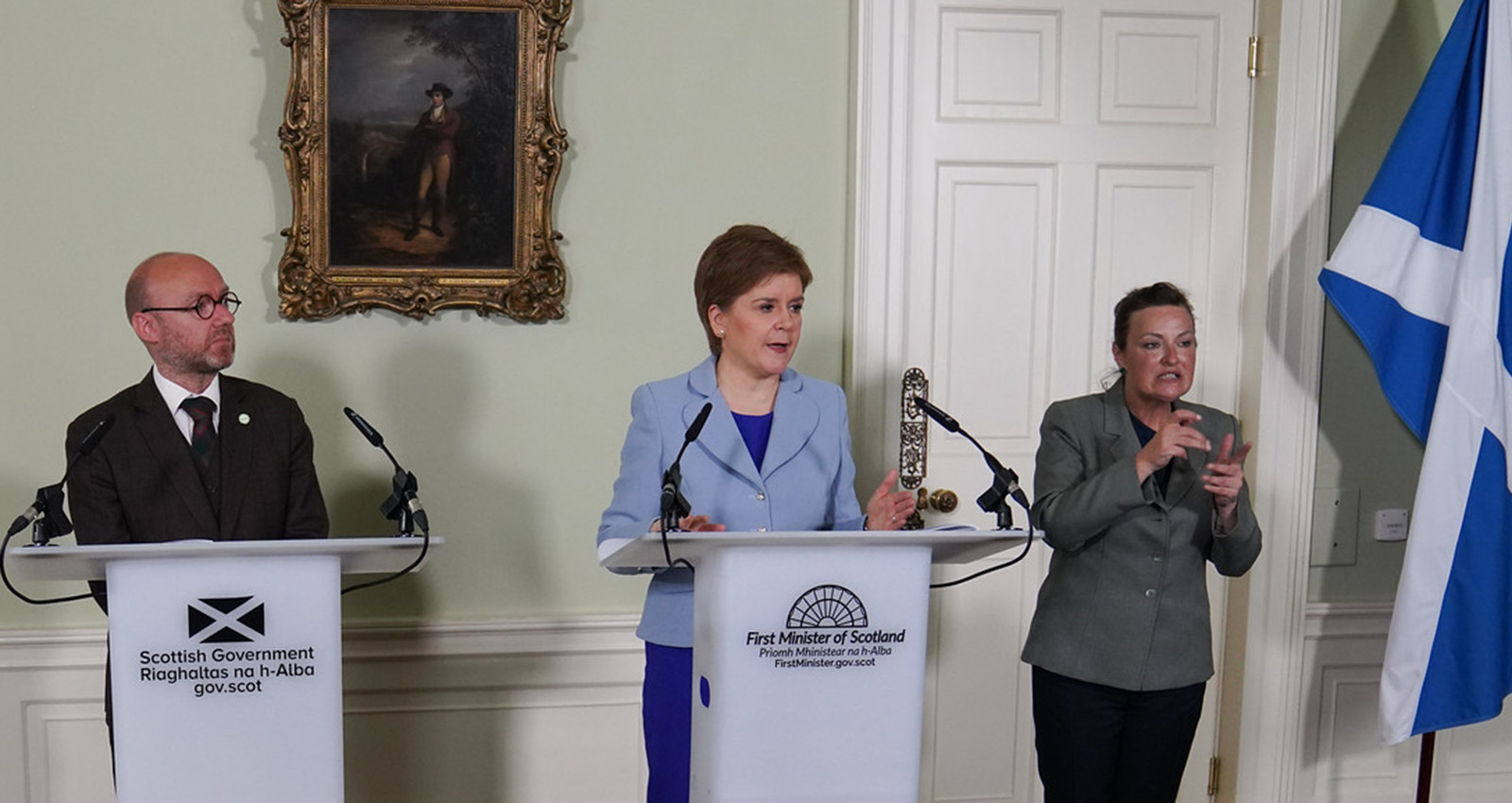
The first obstacle in holding an Independence Referendum is assuring its legitimacy. To do so, says Ruairidh Brown, the SNP-Green alliance have implied the UK Government has no moral authority to deny Scots a choice on their future Read more
Kai Oppermann
Post-Brexit, support for EU referendums persists in the party systems of most EU member states. Kai Oppermann finds that this support mainly comes from Eurosceptic opposition parties, often on the populist far-right, and that the Brexit effect on party positions has been relatively weak and uneven Read more
We use necessary cookies to make our site work. We'd also like to set analytics cookies that help us make improvements by measuring how you use the site. These will be set only if you accept.
▼
Strictly Necessary Cookies
Necessary cookies enable core functionality such as security, network management, and accessibility. You may disable these by changing your browser settings, but this may affect how the website functions.
▼
Analytics Cookies
Google Analytics
We'd like to set Google Analytics cookies to help us improve our website by collecting and reporting information on how you use it. The cookies collect information in a way that does not directly identify anyone. For more information on how these cookies work please see our Privacy Notice.