Veronica Anghel
Icelanders have voted against reopening accession talks with the European Union. Veronica Anghel and Erik Jones claim that the result prevents Iceland from seeking a formal decision-making role for now, but changes nothing about how deeply Iceland already participates in the European project Read more
Aikerim Bektemirova
Aikerim Bektemirova analysed 120 posts on the social media platform ‘Threads’, focusing on Kazakhstan’s March referendum. Her findings reveal that critical narratives spread further than supportive ones. Here, she argues that digital platforms amplify emotional and confrontational content, creating unbalanced online political debate Read more
Ruben Van Severen
Ruben Van Severen shows why politically cynical citizens often praise the idea of referendums, but are not necessarily enthusiastic when they take place. Drawing on research in Flanders, he shows how poor topic choice can turn a tool meant to reconnect disillusioned citizens into one that risks widening the gap Read more
Marc Sanjaume-Calvet
Marc Sanjaume-Calvet challenges the widespread belief that independence referendums are definitive acts of self-determination. Drawing on cases from Western Sahara to Bougainville, he argues that these votes often serve merely symbolic or strategic functions. Here, he reveals the persistent gap between democratic aspirations and the real politics of statehood Read more
Lisa Strömbom
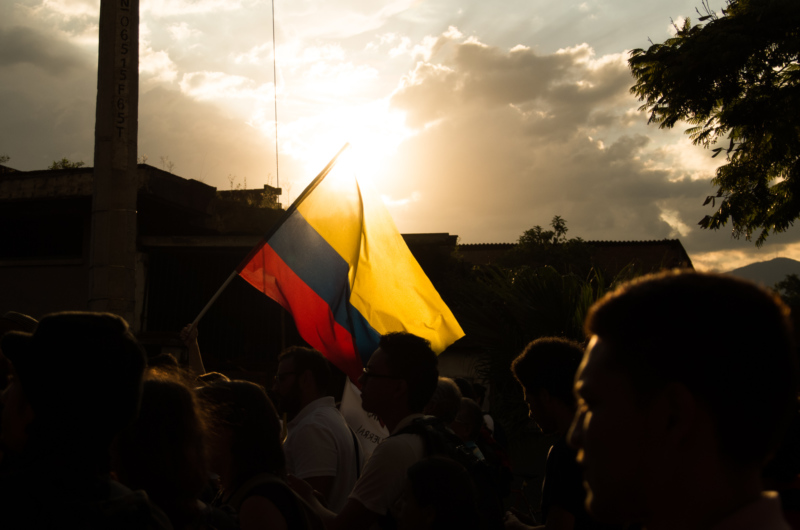
Lisa Strömbom and Gustav Agneman study the reintegration of former combatants in Colombia. Their research highlights the challenges of delivering apologies and achieving sustained peace in post-conflict contexts. Here, the authors reveal how people from different sides of Colombia's peace agreement divide react to public apologies, highlighting the challenge of achieving lasting peace. Read more
Marie-Isabel Theuwis
Populist attitudes are responsive to perceived improvements in the democratic system. Marie-Isabel Theuwis and Rosa Kindt argue that this makes them a useful means to measure democratic quality Read more
Dóra Oprics
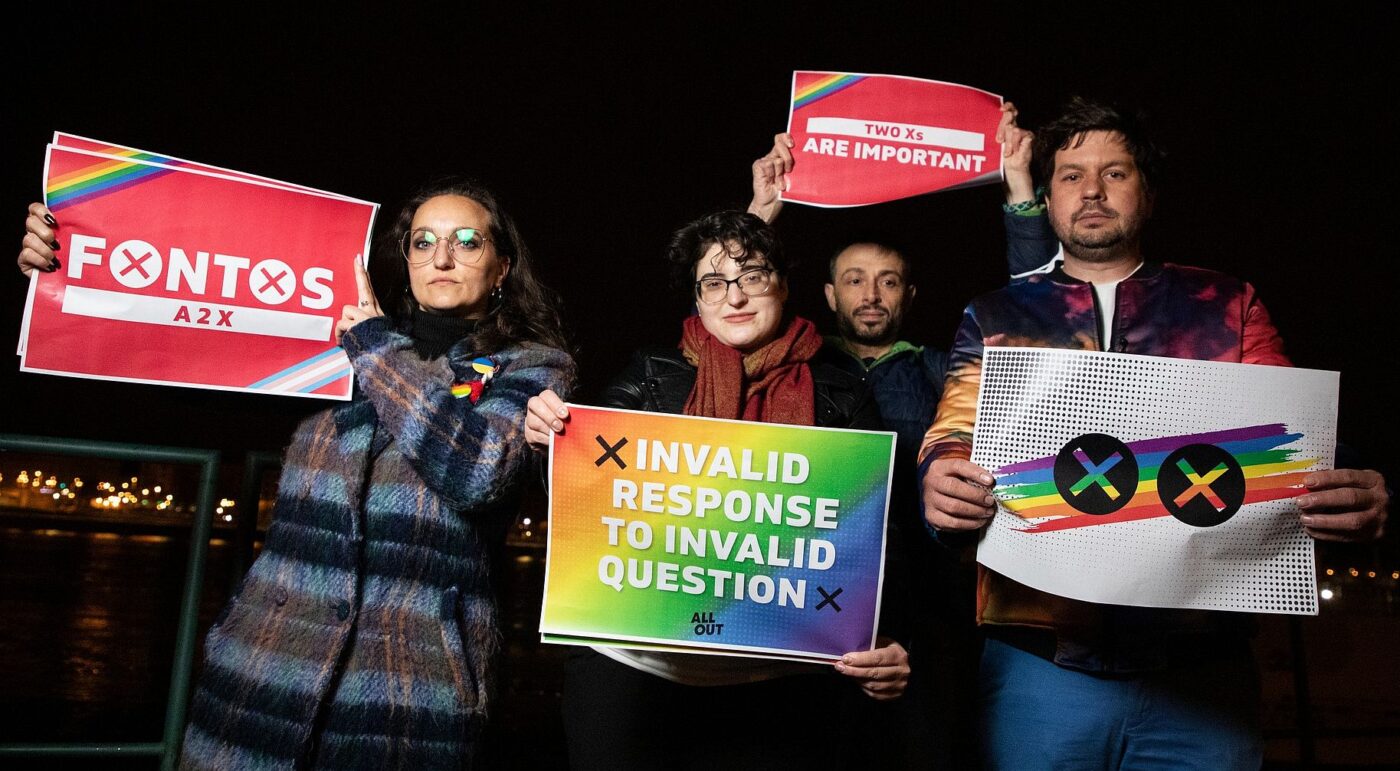
Dóra Oprics explores the 2X civil society campaign in Hungary in 2022, which resulted in 1.7 million Hungarians successfully invalidating an exclusionary child protection referendum. The outcome reveals insights into the mobilising powers of grassroots activism against attempts to demonise the LGBTQIA+ community Read more
Pedro Fierro
The people of Chile have rejected two constitutional proposals in little more than a year. Why? Pedro Fierro reveals that there are areas in Chile where residents reject politics entirely. This sentiment transcends ideological divides, and may have significantly influenced both constitutional processes Read more
We use necessary cookies to make our site work. We'd also like to set analytics cookies that help us make improvements by measuring how you use the site. These will be set only if you accept.
▼
Strictly Necessary Cookies
Necessary cookies enable core functionality such as security, network management, and accessibility. You may disable these by changing your browser settings, but this may affect how the website functions.
▼
Analytics Cookies
Google Analytics
We'd like to set Google Analytics cookies to help us improve our website by collecting and reporting information on how you use it. The cookies collect information in a way that does not directly identify anyone. For more information on how these cookies work please see our Privacy Notice.