Raza Rahman Khan Qazi
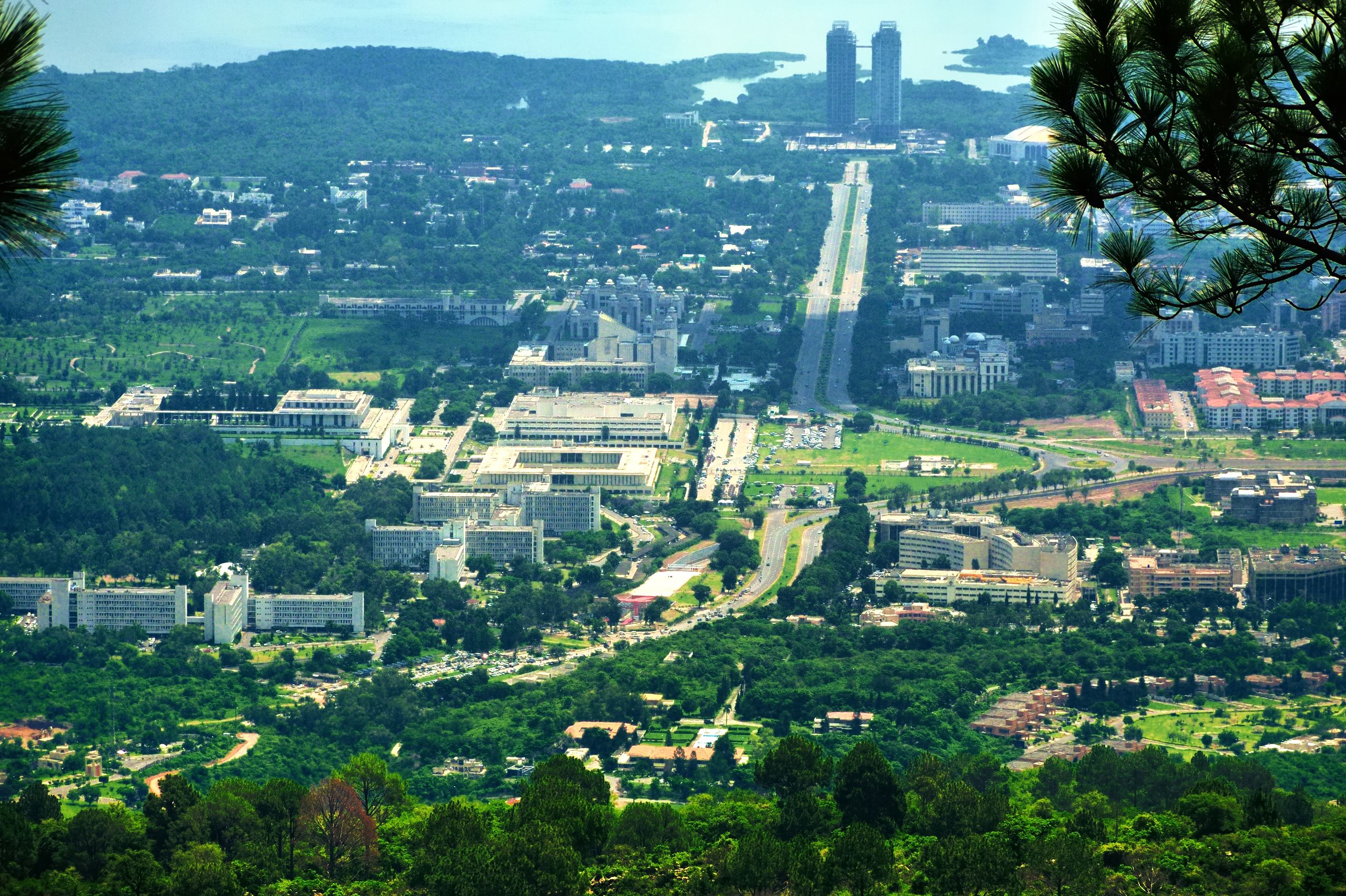
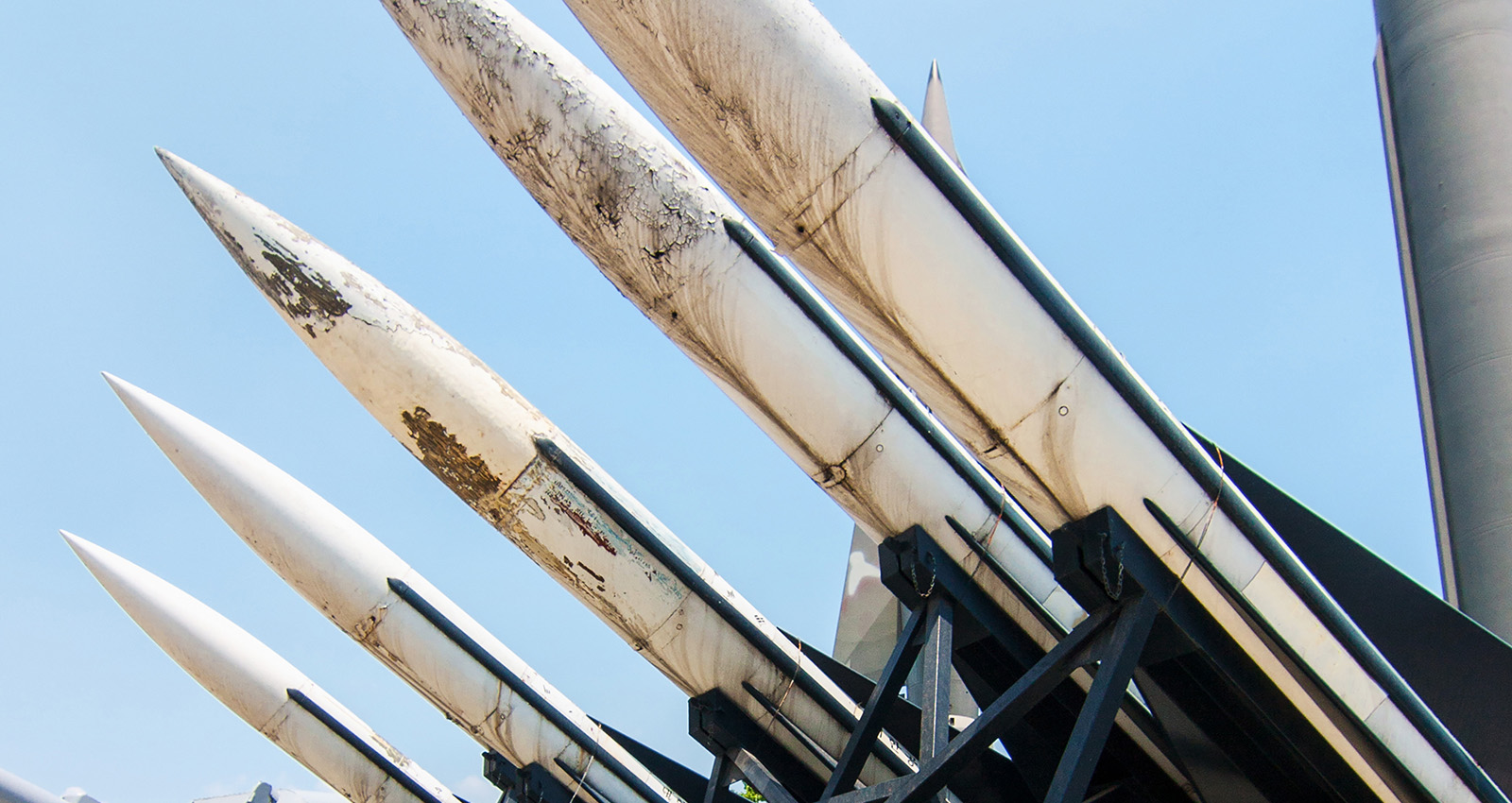
Pakistan’s foreign policy over the decades has proved disastrous for the country and has had a profound negative impact on the South Asian region, argues Raza R. Khan Qazi. Its policy has had a consistently conservative formulation based on purely realist objectives, with no place for liberal ideals and goals Read more
Albrecht Rothacher
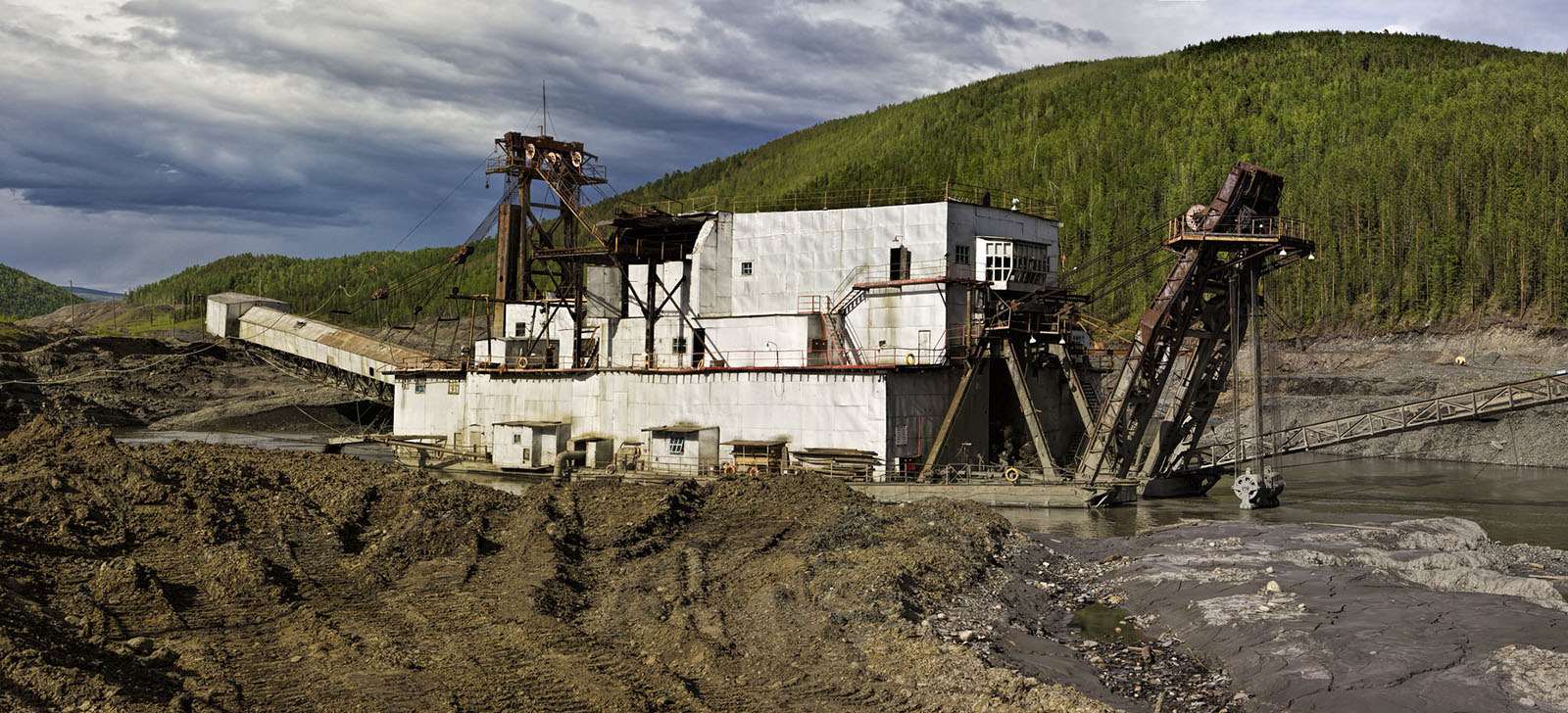
he Russian invasion of Ukraine has exposed Russia’s growing dependence on China, argues Albrecht Rothacher. China’s ambitions to displace the US as the main world power contrast vividly with Russia’s long-term stagnation and decline. It's a decline exacerbated by the latest Western economic sanctions Read more
Richard Sakwa
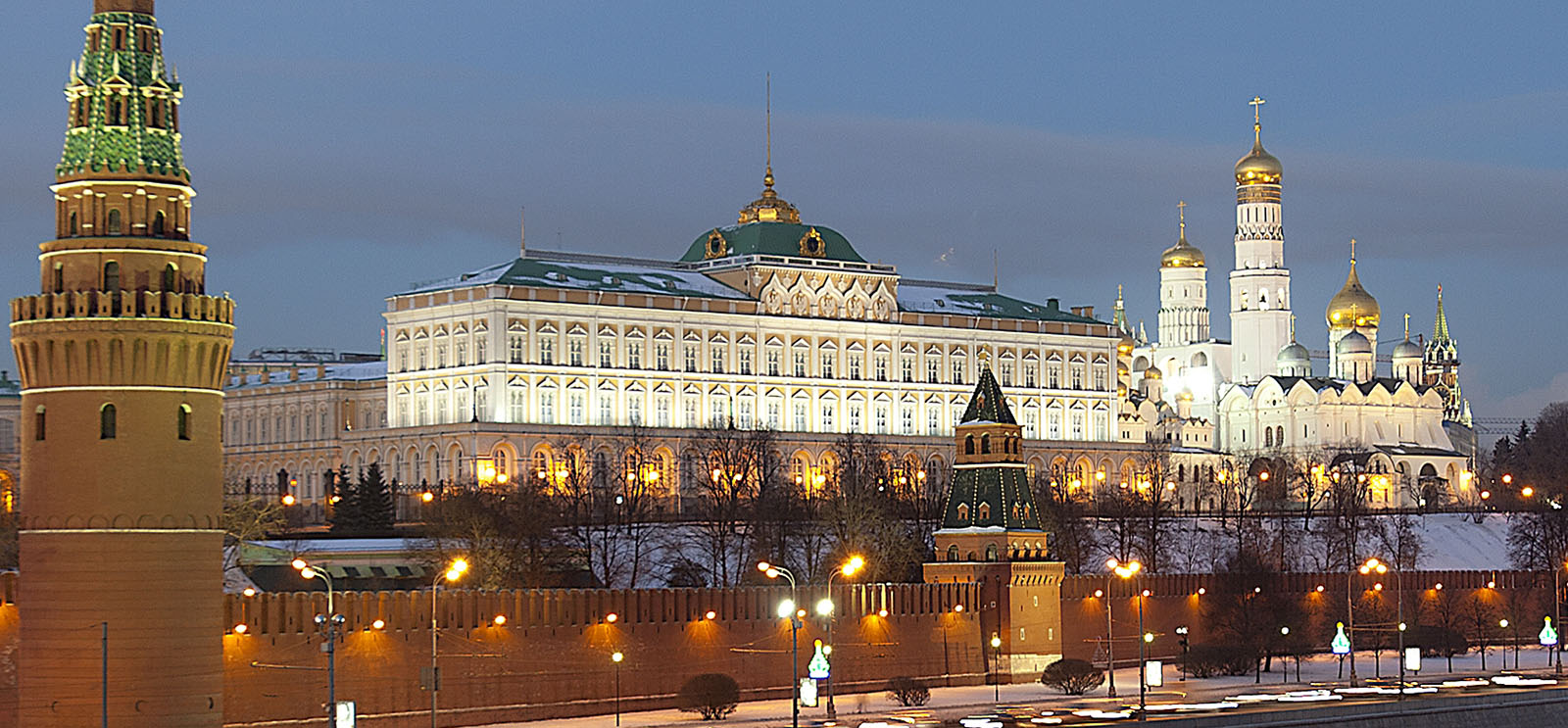
Richard Sakwa argues that the Russian invasion of Ukraine is the culmination of a long period of increasing tensions between Russia and the West. The portents were not only ignored by the West, but misunderstood, and security concerns became part of a broader cultural alienation Read more
Oliver P. Richmond
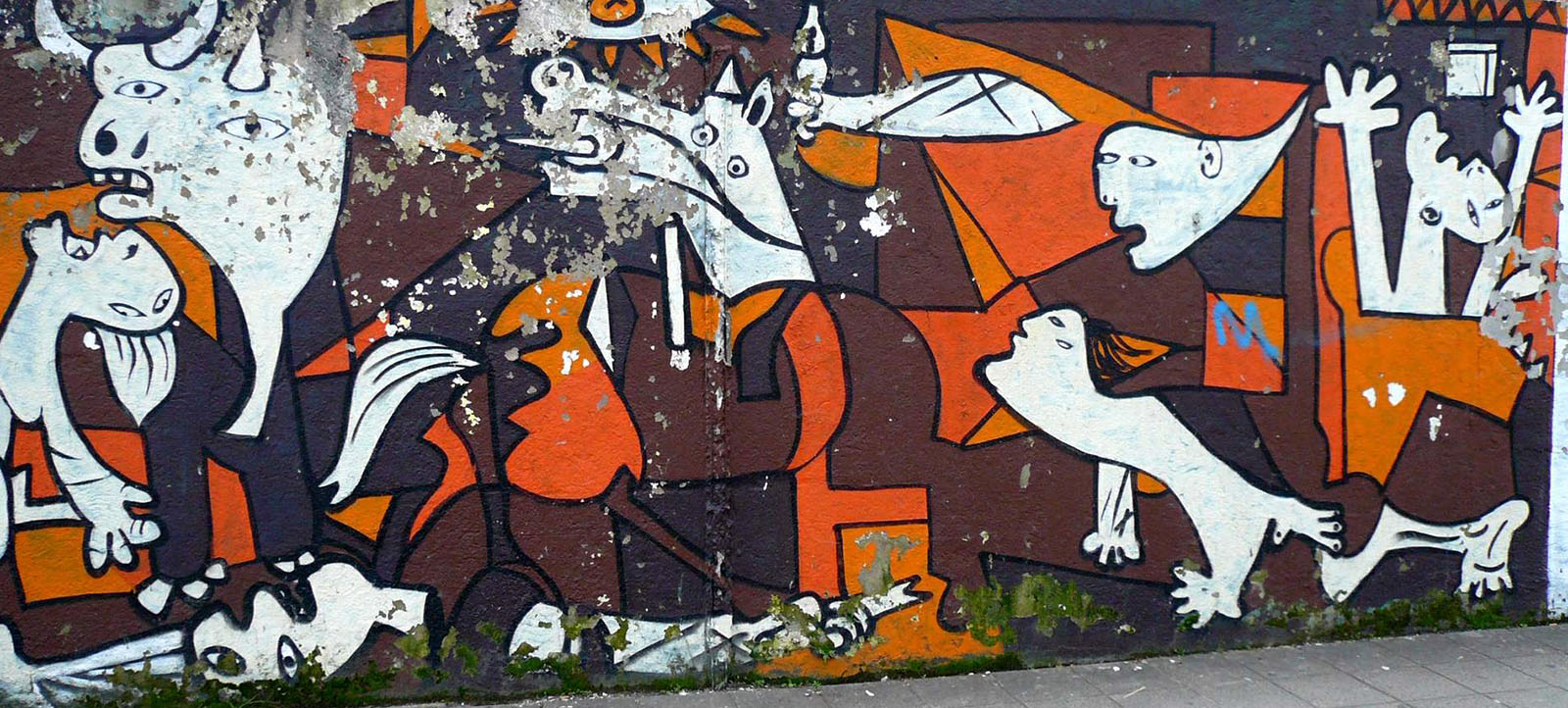
Global ideological struggle and counter-peace processes have had grave consequences for the international peace architecture. Oliver P. Richmond and Sandra Pogodda highlight the need for a knowledge-based, emancipatory renewal Read more
Grant Dawson
Grant Dawson and Nicholas Ross Smith argue that the West’s sweeping sanctions, isolation of Russia and passive-aggressive military support for Ukraine is fundamentally misguided. The problem with the US-led response is that it ignores – in fact, exacerbates – the deep-rooted ontological security concerns behind Russian President Vladimir Putin’s invasion Read more
Ziya Öniş
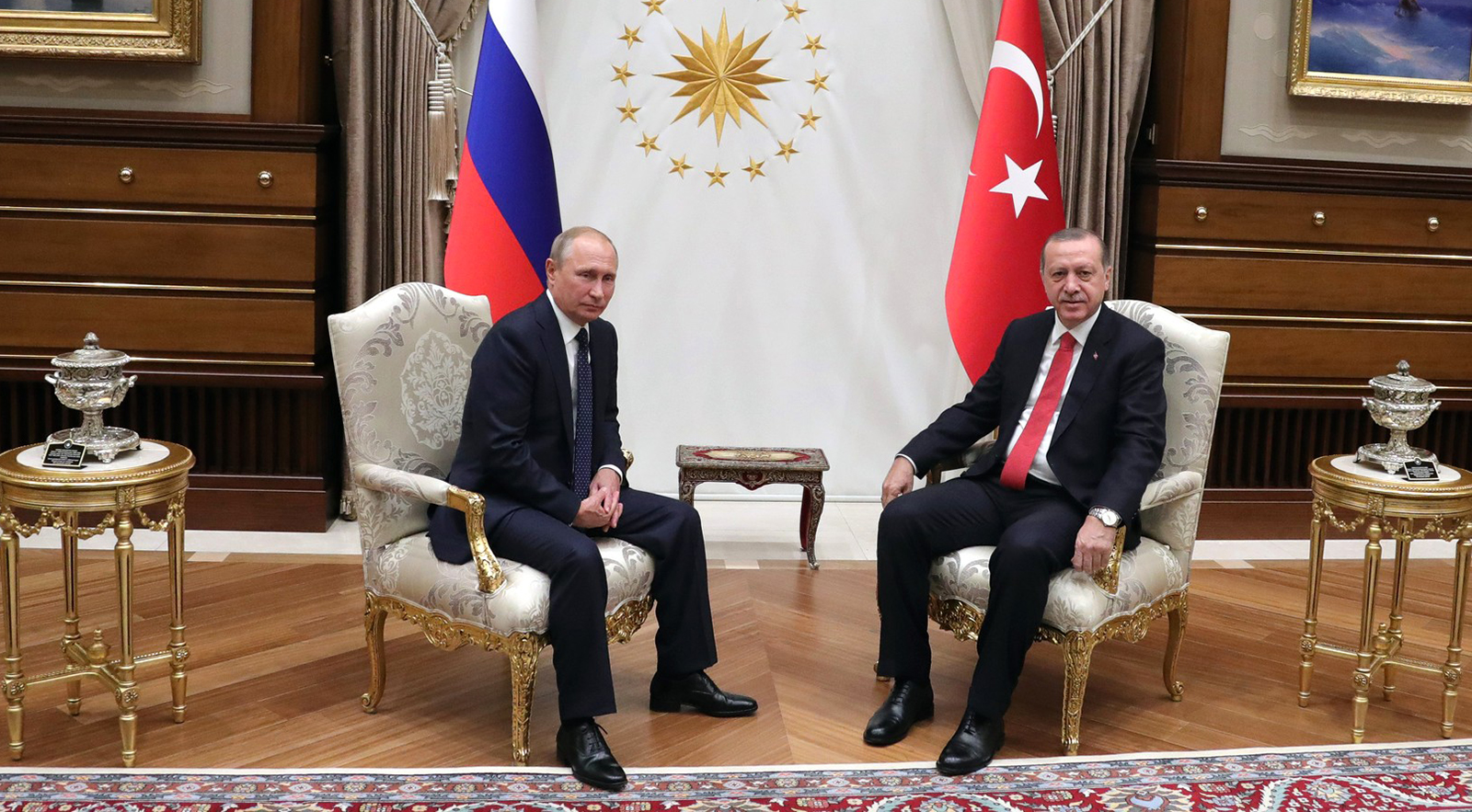
In recent years, Turkish foreign policy has oscillated between traditional alignments with the West, and a new Eastern orientation. Partnerships with Russia and China are becoming increasingly important, write Ziya Öniş and Mustafa Kutlay. Yet Turkey must be firmly anchored to the club of democratic states to regain its benign regional and global role Read more
Markus Thiel
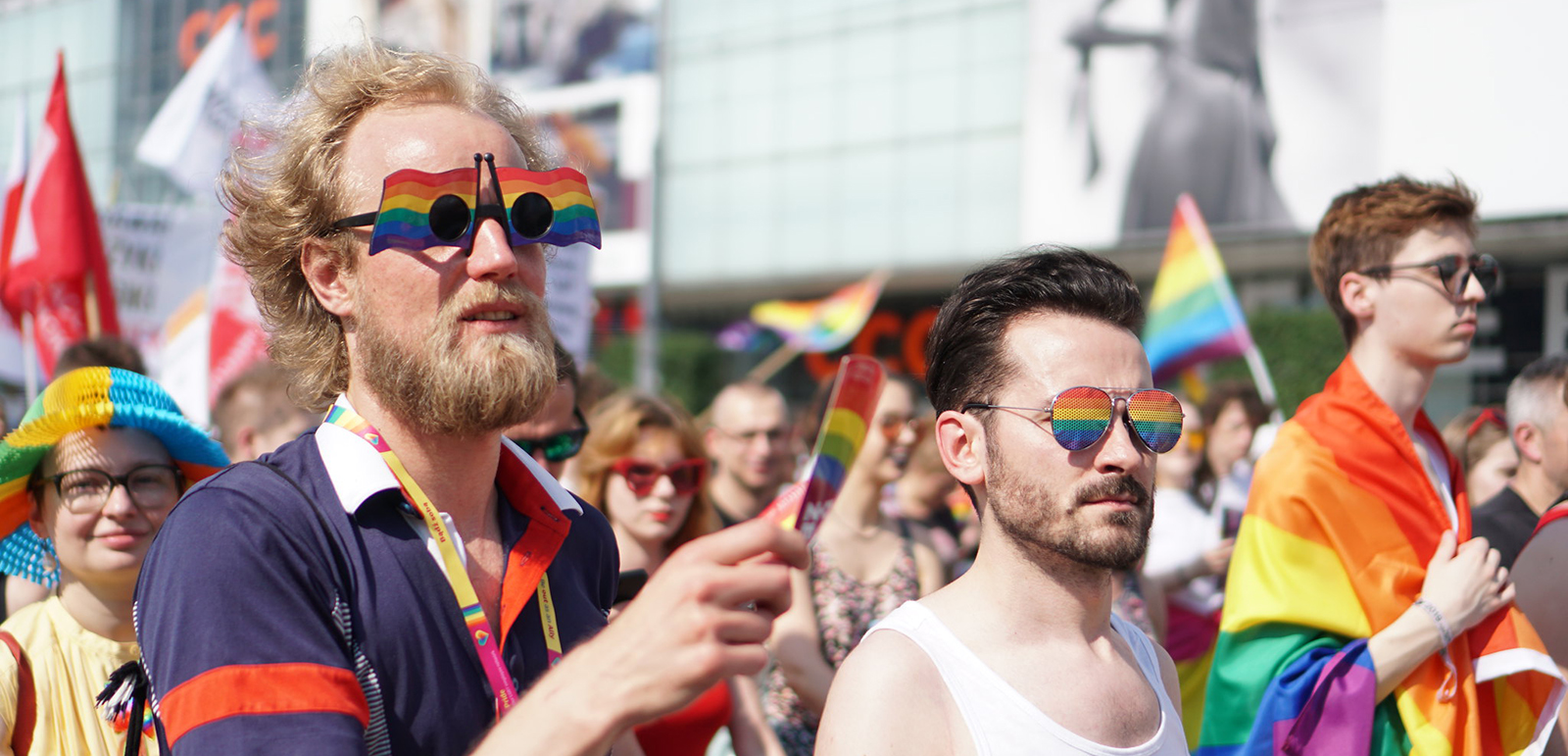
The EU’s promotion of LGBTI human rights has provoked disputes over these rights, and the way they are promoted. Focusing on civil pluralism and democratic consolidation would make the EU a more reflective and effective actor, argues Markus Thiel Read more
Vassilis Petsinis
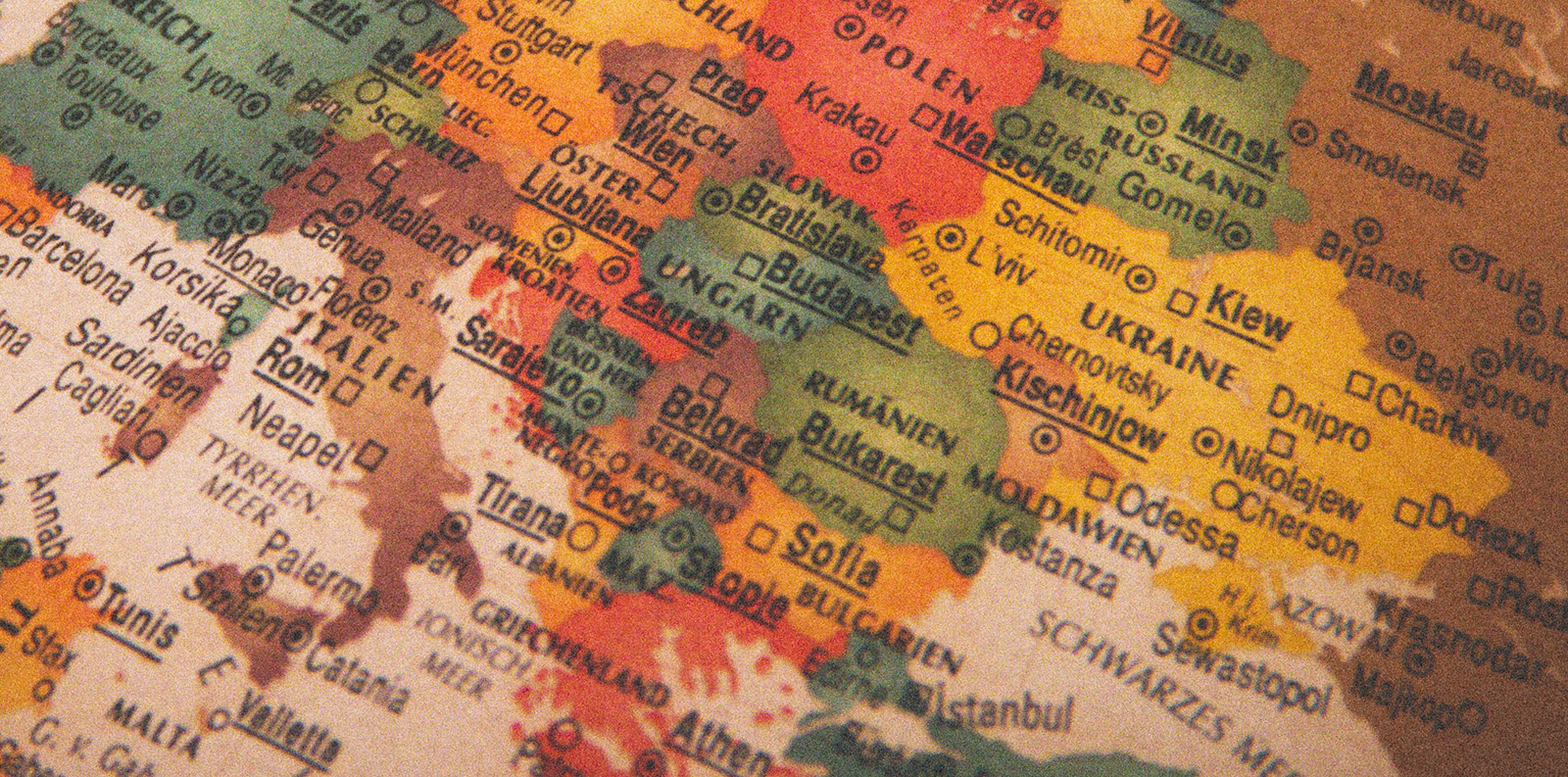
Euroscepticism manifests itself in different ways in the Balkans. Why? Vassilis Petsinis argues that grasping the differences between attitudes in different Balkan nations helps explain Serbia’s long and complex EU accession process Read more
We use necessary cookies to make our site work. We'd also like to set analytics cookies that help us make improvements by measuring how you use the site. These will be set only if you accept.
▼
Strictly Necessary Cookies
Necessary cookies enable core functionality such as security, network management, and accessibility. You may disable these by changing your browser settings, but this may affect how the website functions.
▼
Analytics Cookies
Google Analytics
We'd like to set Google Analytics cookies to help us improve our website by collecting and reporting information on how you use it. The cookies collect information in a way that does not directly identify anyone. For more information on how these cookies work please see our Privacy Notice.