Helene Sjursen
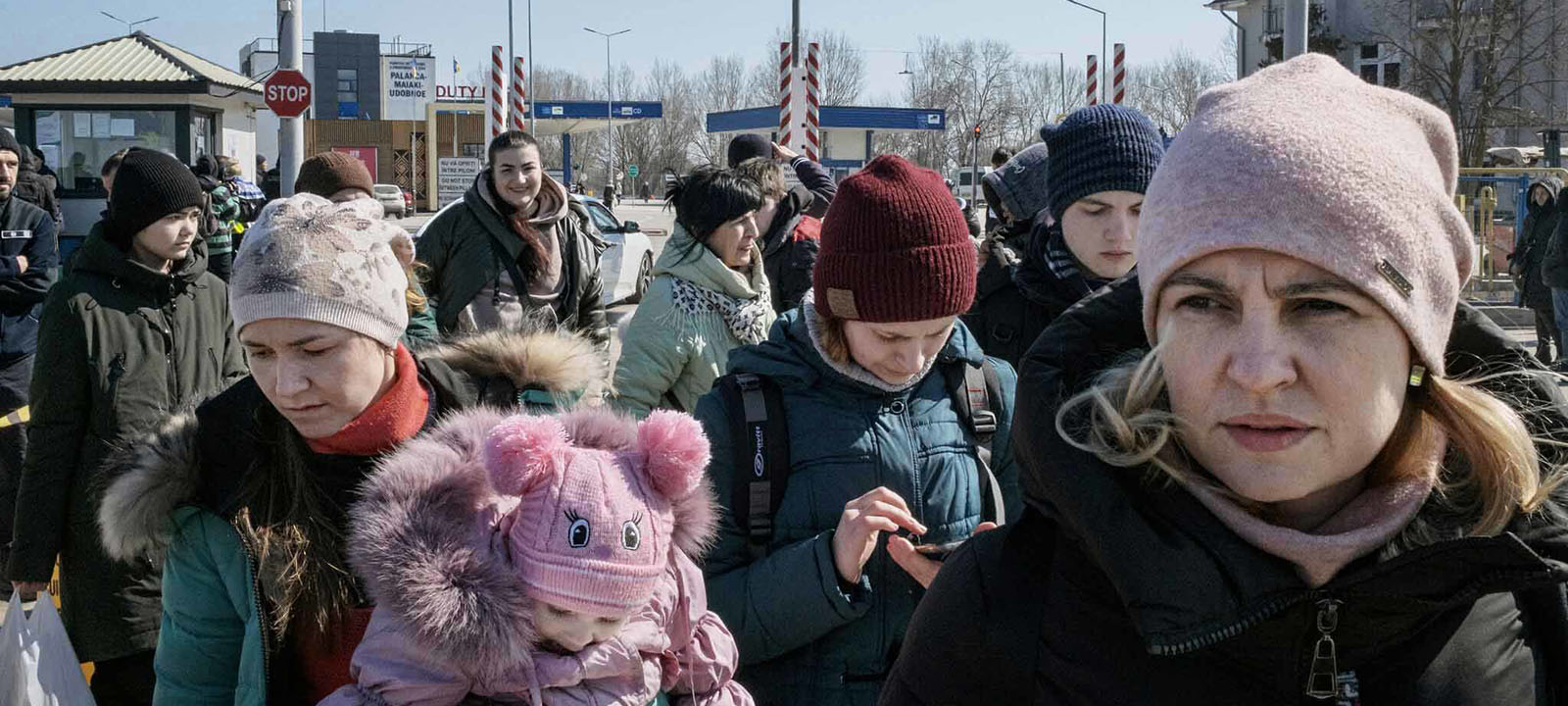
The EU stands at a critical juncture, requiring a consorted commitment to revitalising and reforming a liberal international order, write Helene Sjursen, Viacheslav Morozov, Michela Ceccorulli, Enrico Fassi, Sonia Lucarelli, Senem Aydın-Düzgit, Thomas Diez, Franziskus von Lucke, Pol Bargués, Jonathan Joseph, Ana Juncos Read more
Mahmoud Javadi
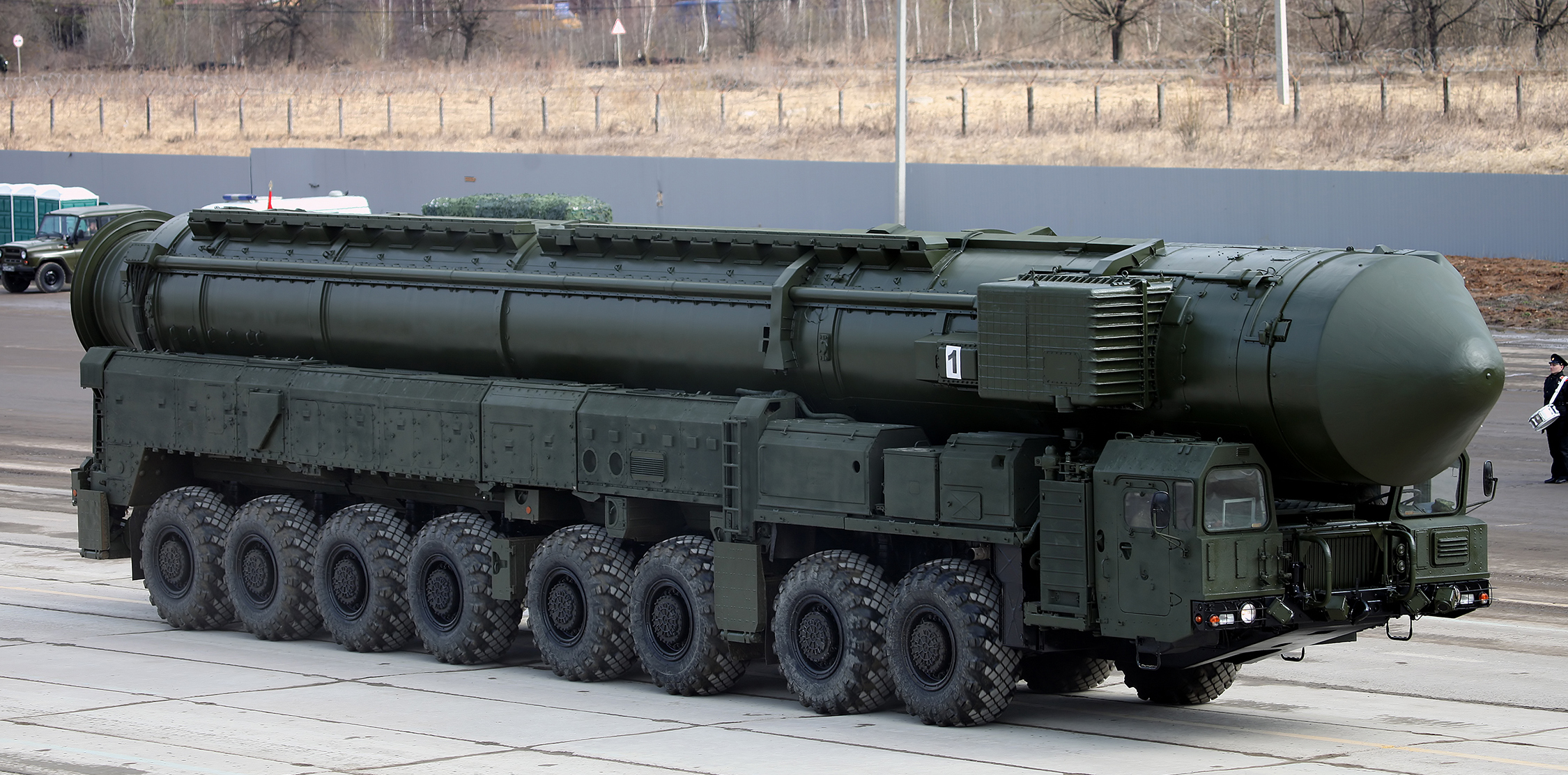
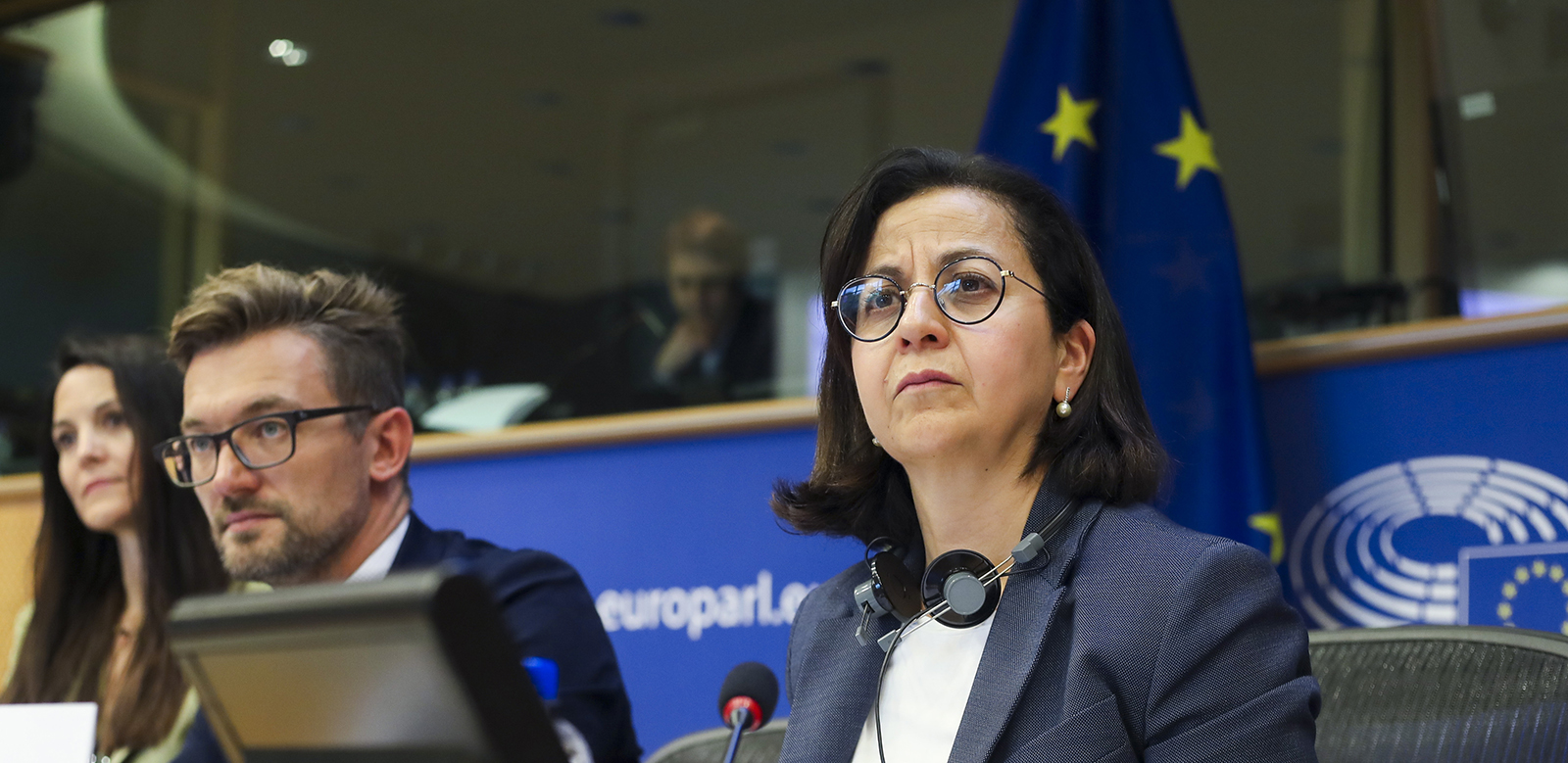
Countries of the Global South are the primary advocates of the Treaty on the Prohibition of Nuclear Weapons (TPNW). Mahmoud Javadi argues that the TPNW can help gauge the authenticity, sincerity, and seriousness of major Western and Eastern powers in their geopolitical engagement with these countries Read more
Aleksandra Spalińska
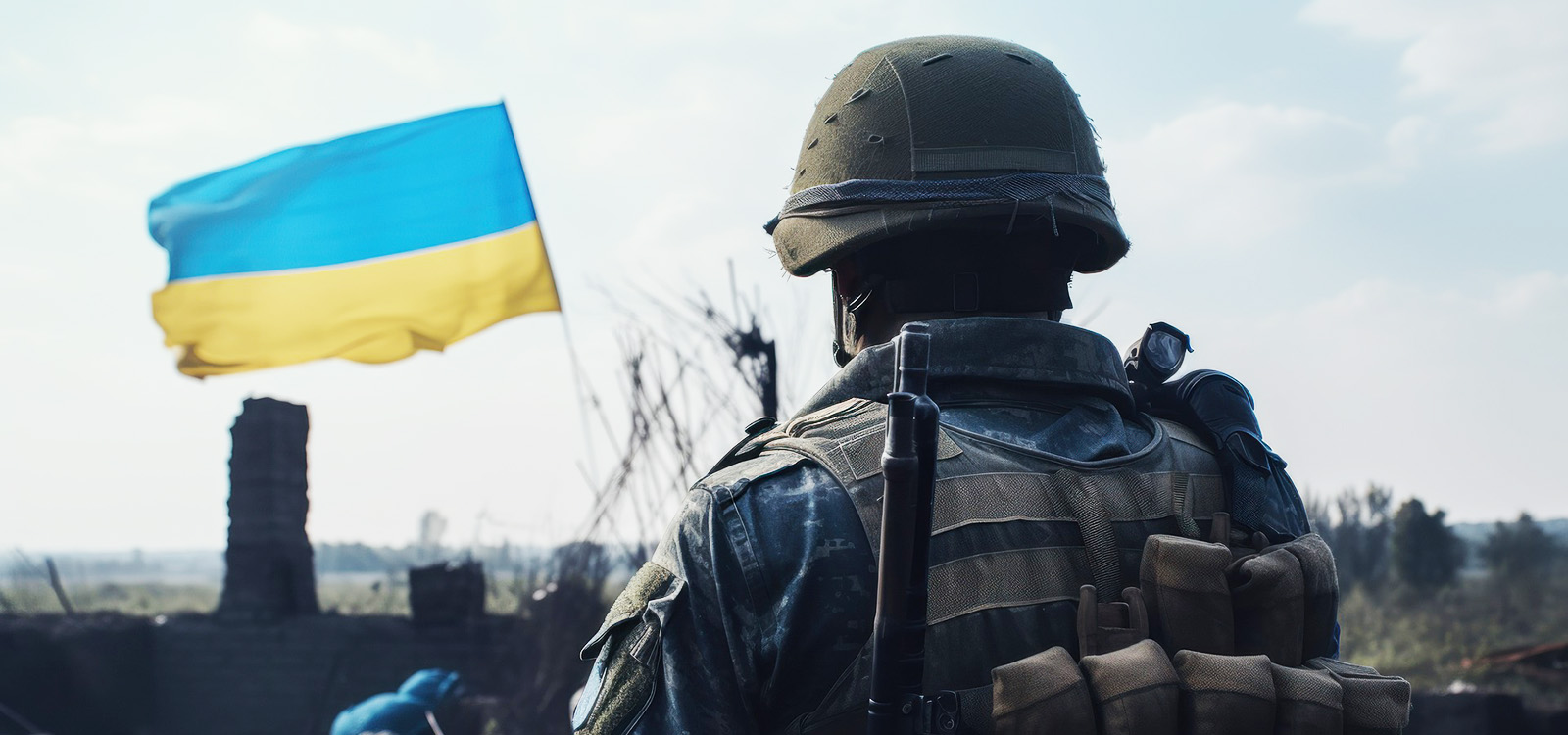
Many leftists have been reluctant to support Ukraine against the Russian invasion. They might take an ‘anti-imperialist’ position against the US; or they may have ties to Russia through political sponsorship. Aleksandra Spalińska believes the Marxist/leftist position has deeper roots. She argues that leftists' perspective on world politics is determined by a phenomenon she calls 'methodological externalism' Read more
Carlos José Cruz Infante
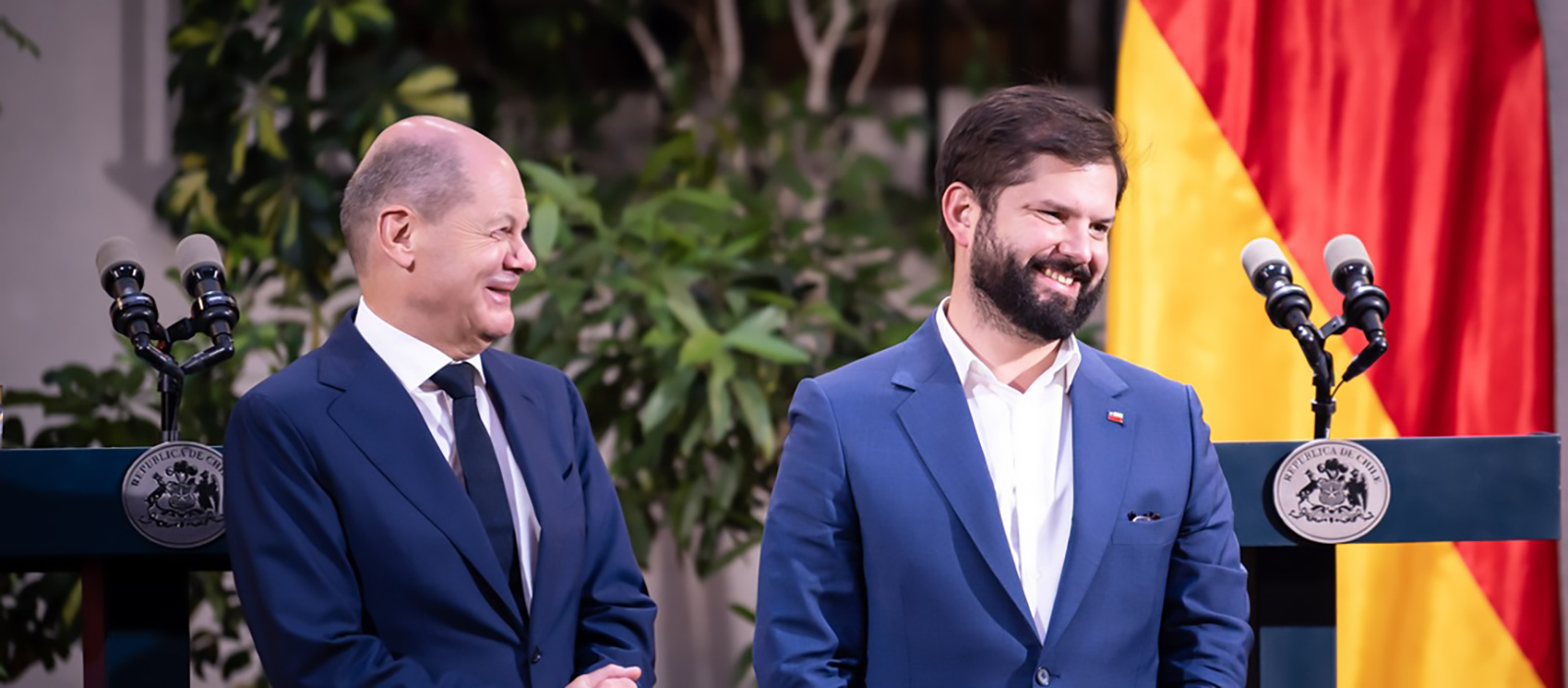
The EU could learn valuable lessons from German Chancellor Scholz’s recent official visit to South America, writes Carlos Cruz Infante. Scholz showed a diplomacy formula that could leverage the Union’s geopolitical influence in the region Read more
Laura Luciani
As the liberal norms promoted by the EU are fiercely contested, human rights groups in the South Caucasus face an insecure environment. Some propose alternatives to human rights promotion that challenge both the EU’s development paradigms and competing authoritarian agendas. Laura Luciani argues that we should take them seriously Read more
Abhishek Sharma
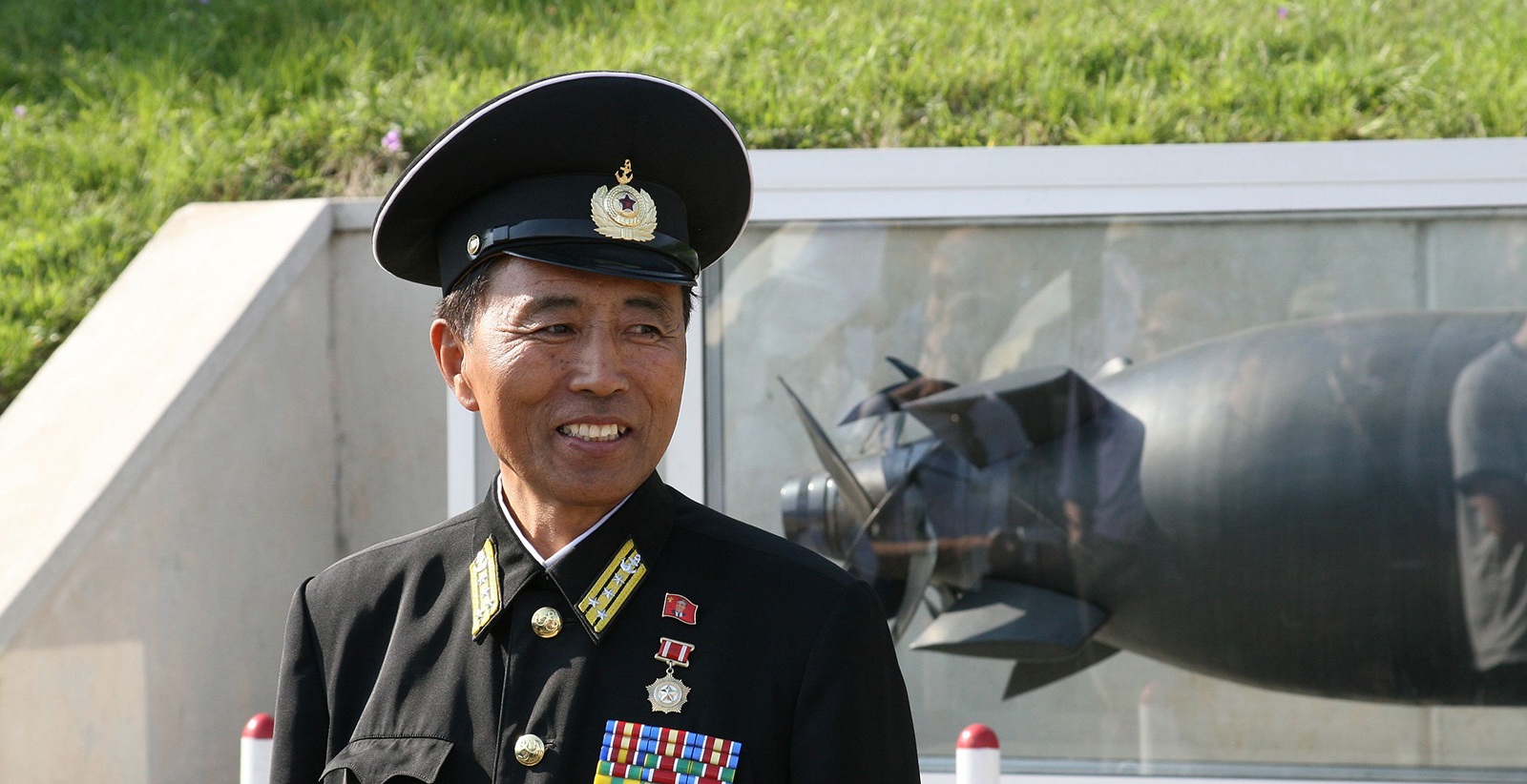
The concept of an ‘Indo-Pacific’ region is gaining traction. More countries in and beyond the Indo-Pacific region are building closer relations—in opposition to China. Abhishek Sharma argues that North Korea sees opportunity in the region's changing power dynamics to position itself as China's ally Read more
Carlos José Cruz Infante
One of the European Union's six priorities for 2019–2024 is to strengthen its voice on the world stage. Yet, writes Carlos Cruz Infante, the EU has not sufficiently explored its opportunities with the Latin American continent. Attractive opportunities remain if the bloc embraces them soon Read more
Marius Ghincea
As we enter a new period of great power competition, small powers across the world are presented with novel opportunities. However, small states also face crises that will test their resilience. Marius Ghincea argues that only those states which can build resilience and cross-group cohesion will reap the spoils of emerging power competition Read more
We use necessary cookies to make our site work. We'd also like to set analytics cookies that help us make improvements by measuring how you use the site. These will be set only if you accept.
▼
Strictly Necessary Cookies
Necessary cookies enable core functionality such as security, network management, and accessibility. You may disable these by changing your browser settings, but this may affect how the website functions.
▼
Analytics Cookies
Google Analytics
We'd like to set Google Analytics cookies to help us improve our website by collecting and reporting information on how you use it. The cookies collect information in a way that does not directly identify anyone. For more information on how these cookies work please see our Privacy Notice.