Elin Bjarnegård
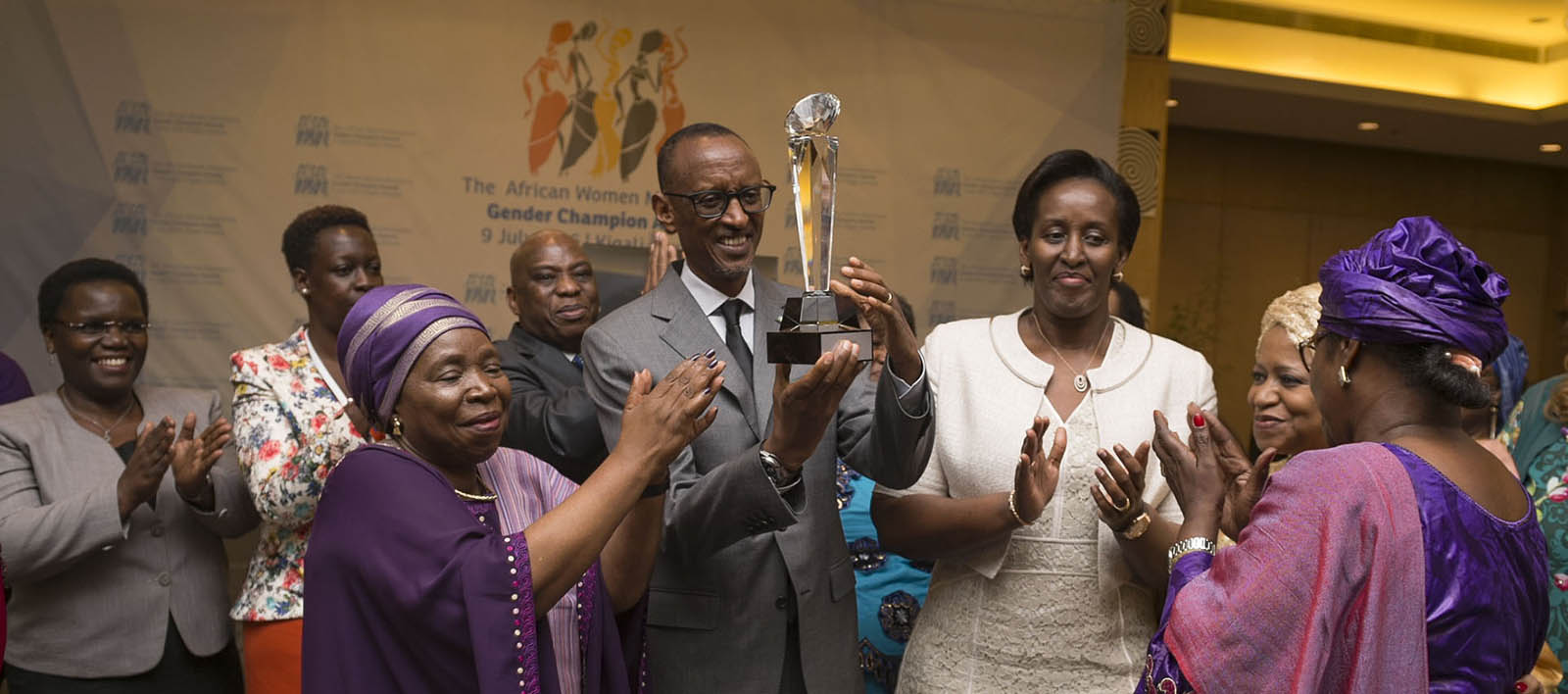
Gender and authoritarianism are interconnected – but in different and unexpected ways. Elin Bjarnegård and Pär Zetterberg think the relationship between them deserves more attention in political science. Here, they expose the relationship in terms of two autocrat strategies: genderwashing and genderbashing Read more
Marian Sawer
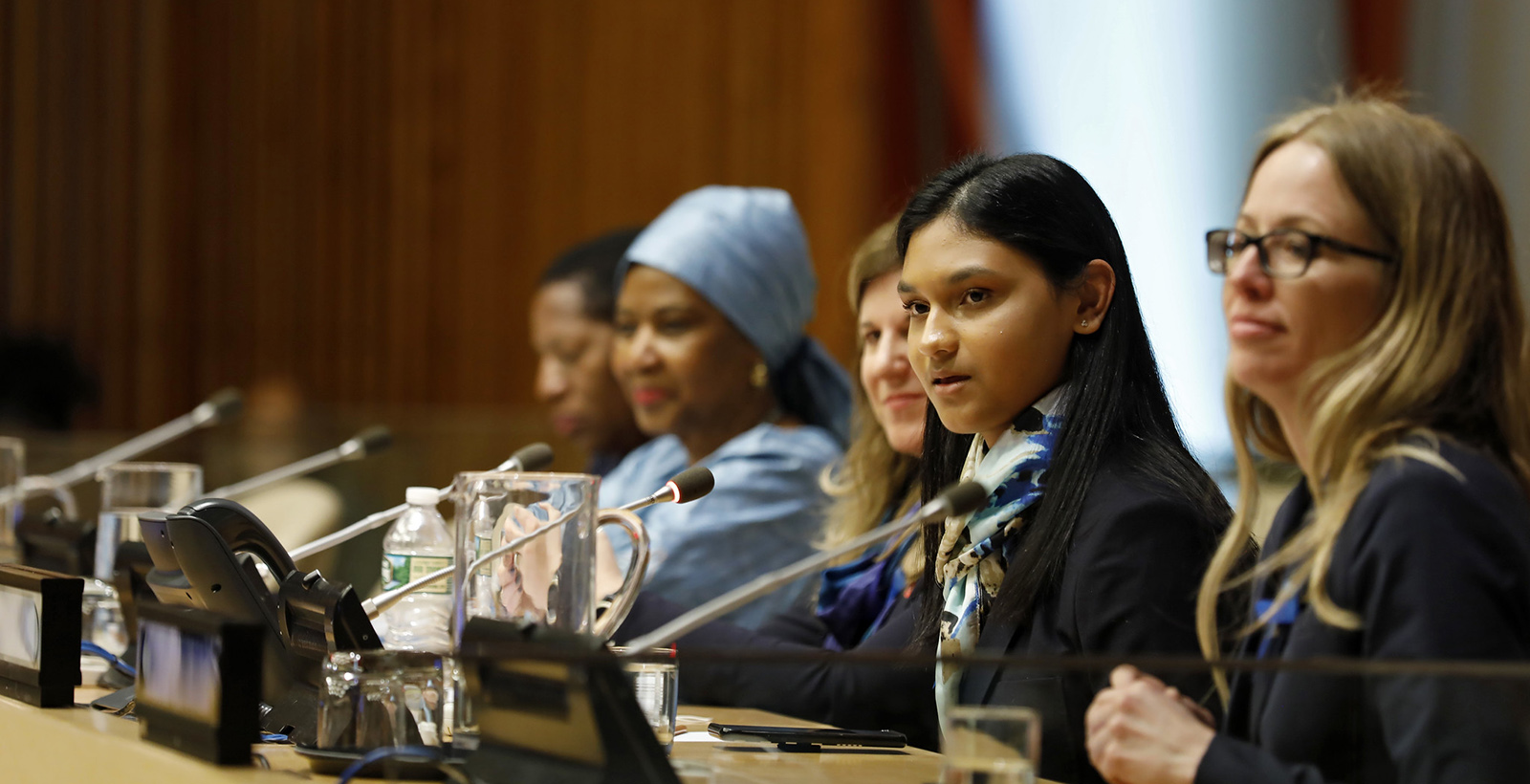
Since 1975, feminists have helped establish new international frameworks requiring national governments to promote gender equality. Success at this level, writes Marian Sawer, inadvertently sowed the seeds of populist campaigns against foreign interference with national values Read more
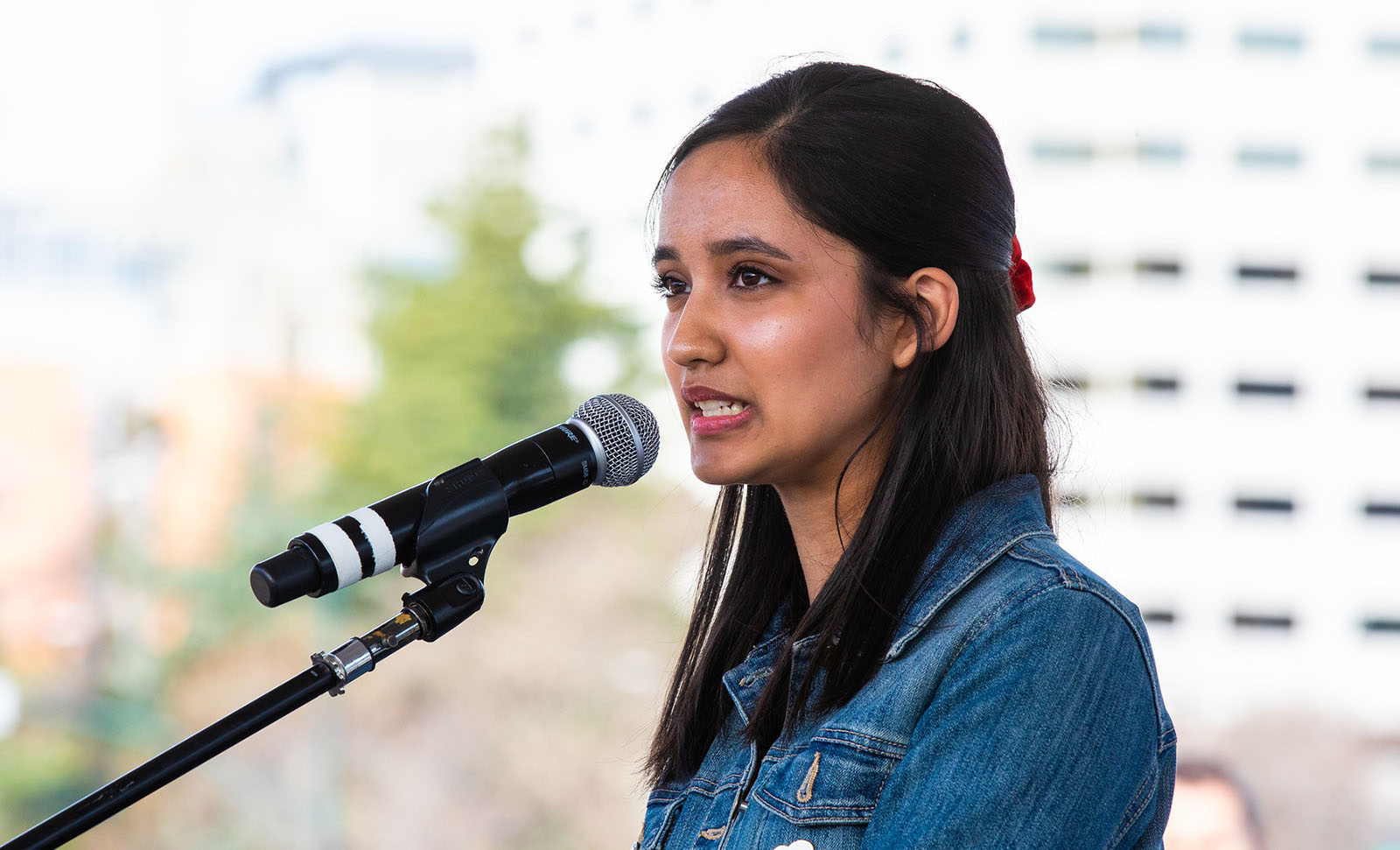
Julieta Suárez-Cao
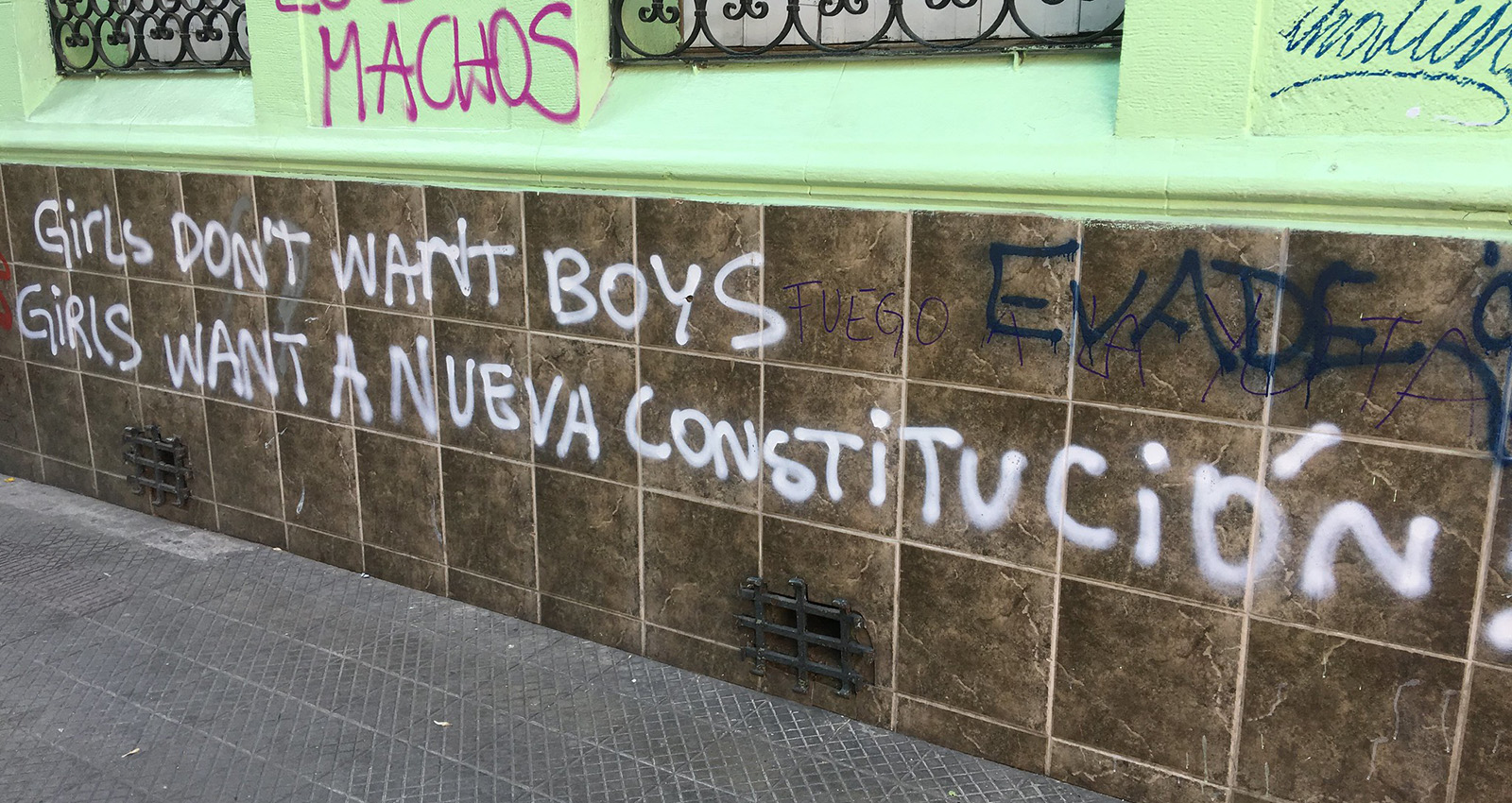
The draft of a new Magna Carta in Chile proves that a constitution of and for women is possible, writes Julieta Suárez-Cao. But uncertainty lies ahead: polls regarding the constitutional vote on September 4th indicate it could be rejected Read more
Dan Lomas
The new James Bond film, No Time to Die, is not so much a ‘woke’ Bond as a reflection of real world change in gender and diversity in the UK intelligence agencies, writes Dan Lomas, even if that change is frustratingly slow and unfinished Read more
Šárka Homfray
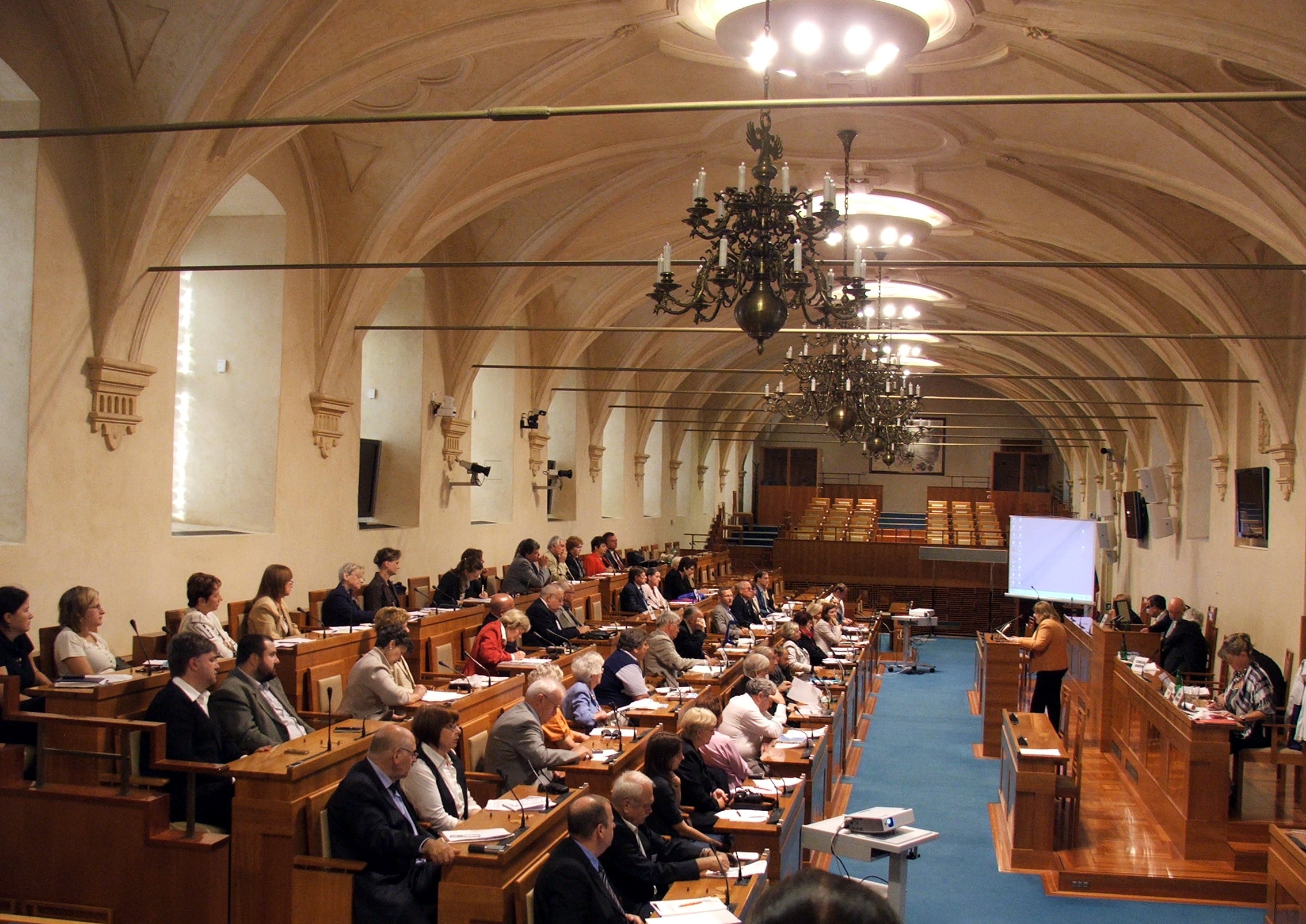
Gender equality experts and the general public have criticised the lack of female political representation in the Czech Republic. Despite these criticisms, Czech political parties still aren't presenting many female candidates in the forthcoming parliamentary election. Czech voters, argues Šárka Homfray, have few opportunities to achieve real change Read more
Rachel Bernhard
Why does the United States have such a persistently poor record on gender equality? Rachel Bernhard looks beyond the stereotypes at political outcomes within groups to understand when, where, and how inequality persists Read more
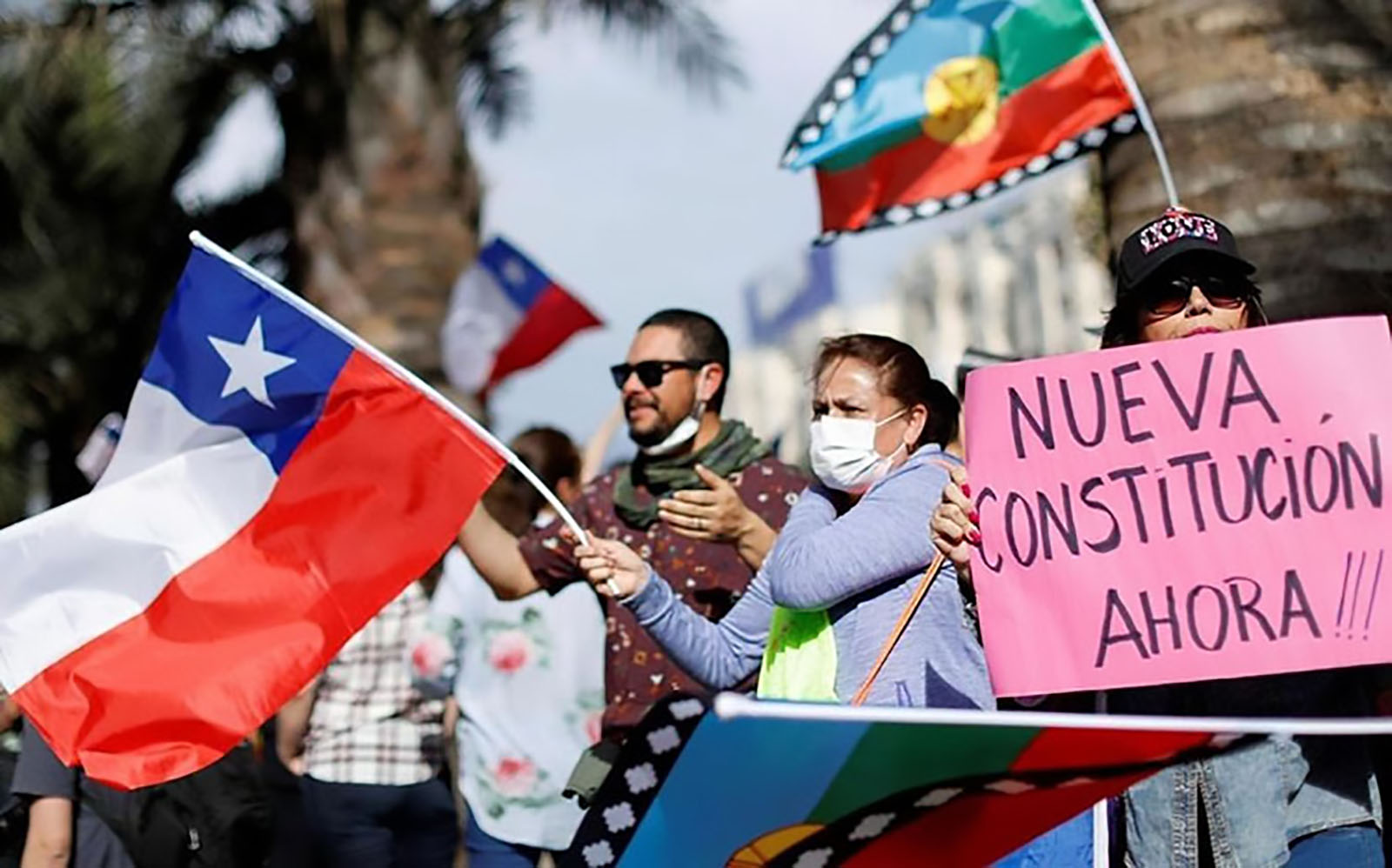
Julieta Suárez-Cao
Chile’s constitutional reform started after massive social protests in 2019. With gender parity, reserved seats for indigenous people, and a significant number of seats for independent delegates, Julieta Suarez-Cao argues that the country's assembly is on track to rebuild democratic legitimacy in the years to come Read more
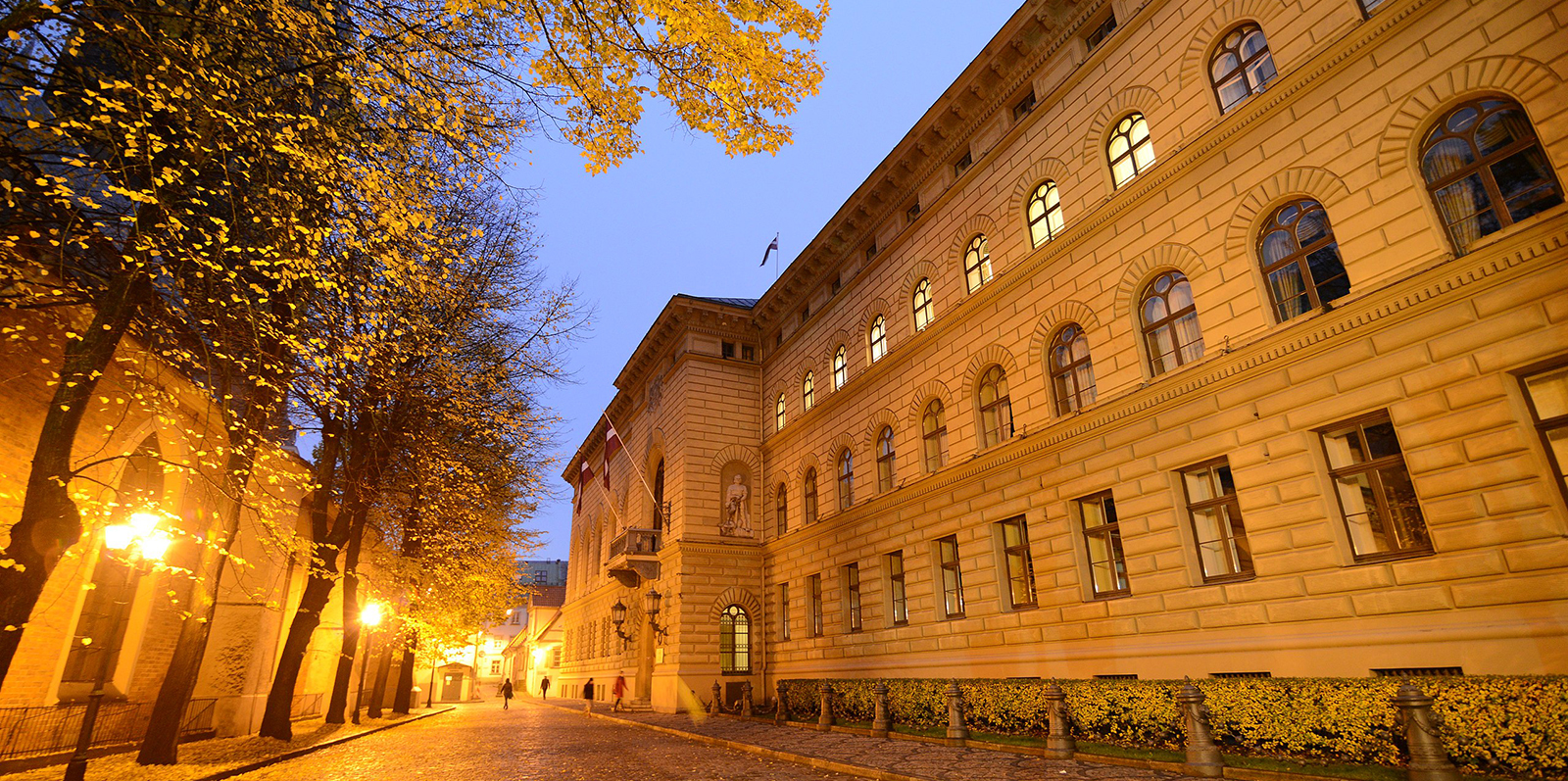
Laura Dean
Candidate lists in Latvia contain only 38.6% women. Latvia is unlikely to improve women’s representation in its municipal elections unless Latvian voters adopt preference voting, and 'plus' their women candidates, writes Laura Dean Read more
We use necessary cookies to make our site work. We'd also like to set analytics cookies that help us make improvements by measuring how you use the site. These will be set only if you accept.
▼
Strictly Necessary Cookies
Necessary cookies enable core functionality such as security, network management, and accessibility. You may disable these by changing your browser settings, but this may affect how the website functions.
▼
Analytics Cookies
Google Analytics
We'd like to set Google Analytics cookies to help us improve our website by collecting and reporting information on how you use it. The cookies collect information in a way that does not directly identify anyone. For more information on how these cookies work please see our Privacy Notice.