Anca Turcu
Populists thrive on being perceived as outsiders. This creates an incentive for mainstream governing populist parties to portray themselves as challengers to the establishment. Anca Turcu examines the tactics Hungary’s and Turkey’s governing populists employ to survive mainstreaming Read more
Jaap Hoeksma
The European Commission's intervention in the Polish crisis concerning the Lex Tusk is most welcome, writes Jaap Hoeksma. To be credible, however, the EU must also have its own house in order Read more
Susannah Verney
The Greek election of May 2023 produced an unexpected destabilisation of the party system, and triggered a repeat election to be held five weeks later. Susannah Verney argues that the poll was variously viewed by voters as a second order election and a ‘system-defining’ choice Read more
James F. Downes
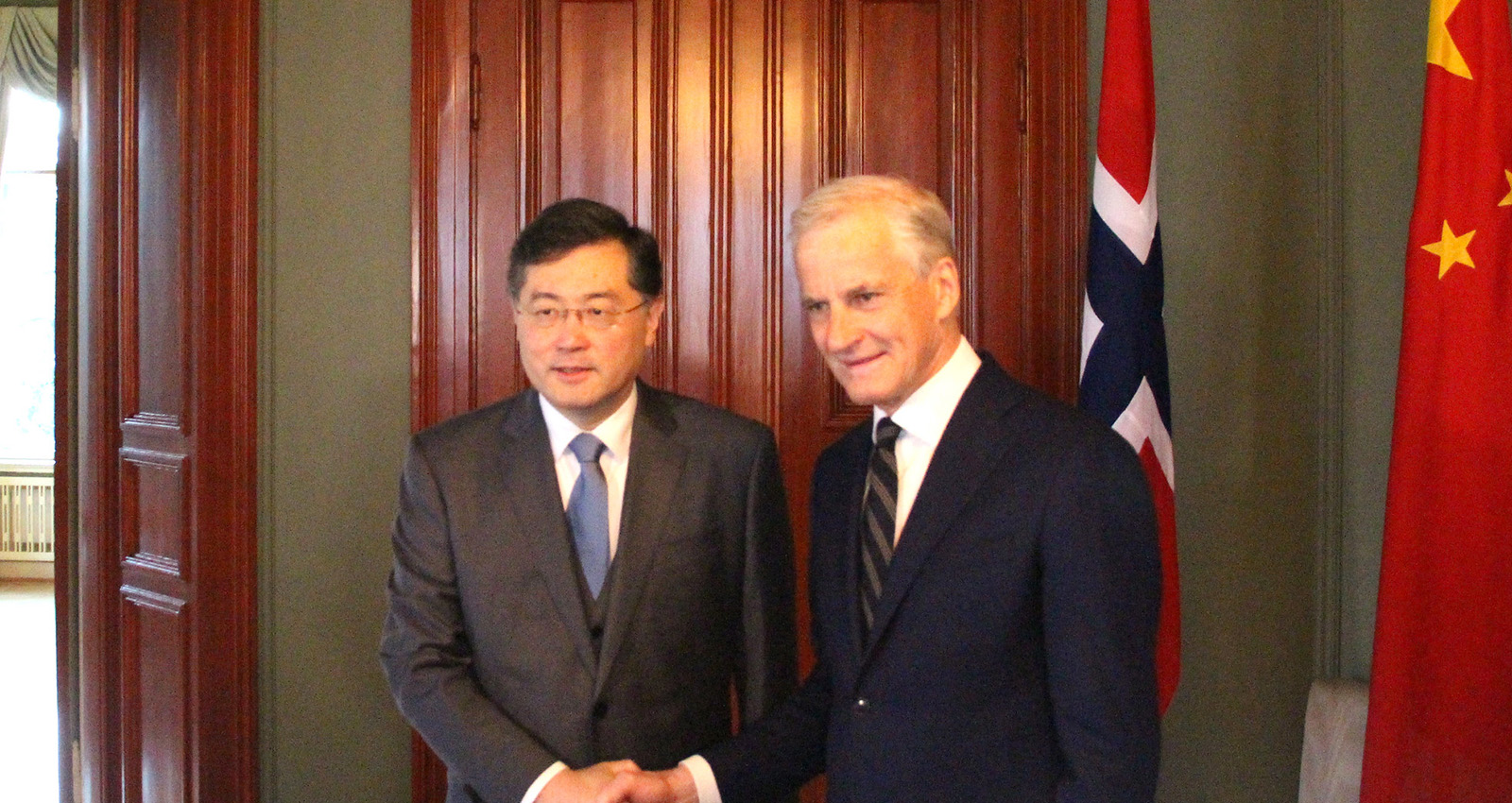
James F. Downes, Mathew Wong and Man Hoo So argue that the European Union-China relationship has evolved considerably over recent years into a growing global rivalry in 2023. The EU has become more interventionist towards China, but there exist large divisions within the core EU institutions and member states towards relations with China Read more
Jaap Hoeksma
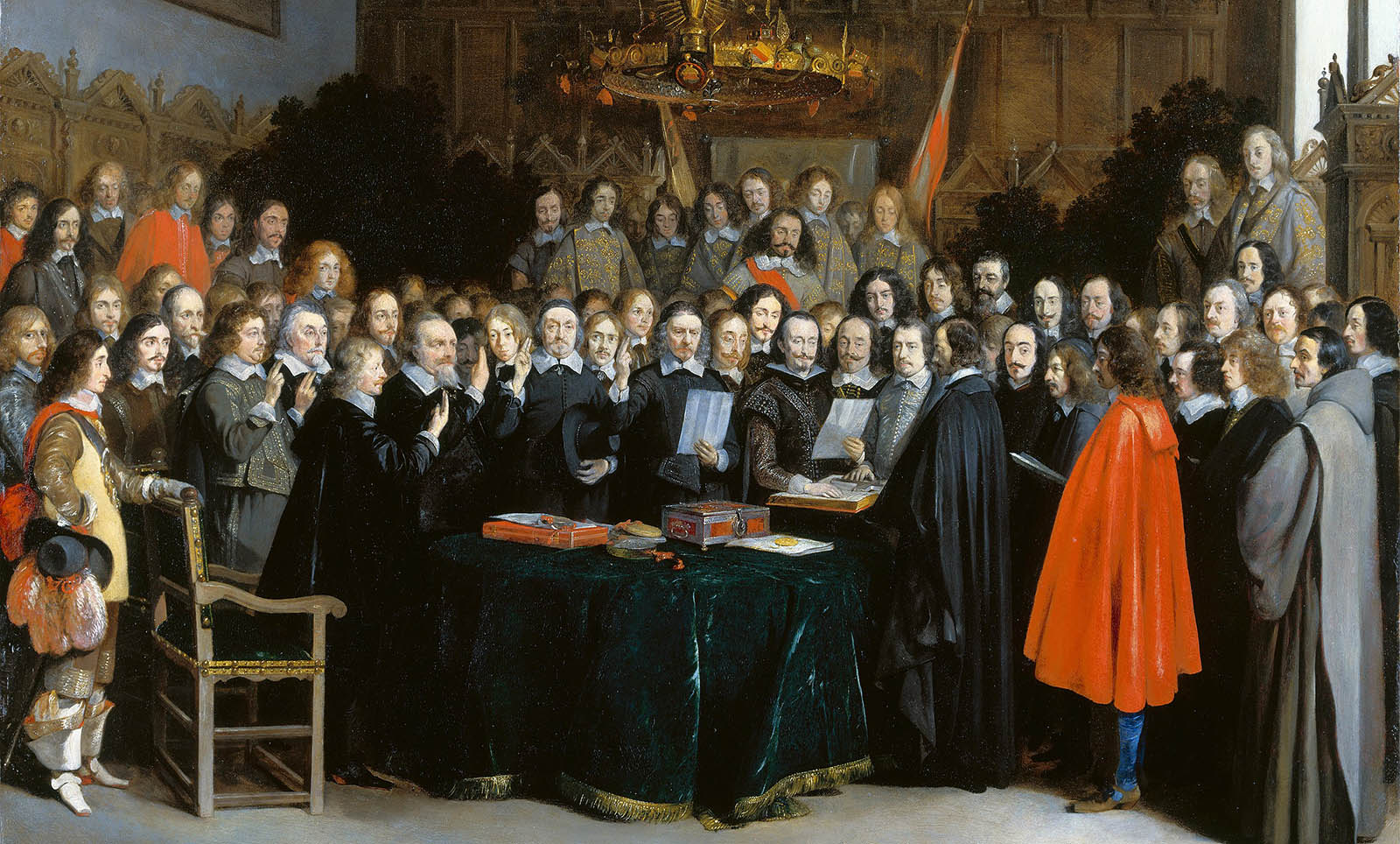
The EU has evolved from a union of democratic States into a European democracy. Jaap Hoeksma argues this sheds fresh light on the Kantian quest for perpetual peace. It demonstrates that the Westphalian system of international relations should give way to a model of democratic global governance Read more
Tamila Shvyryda
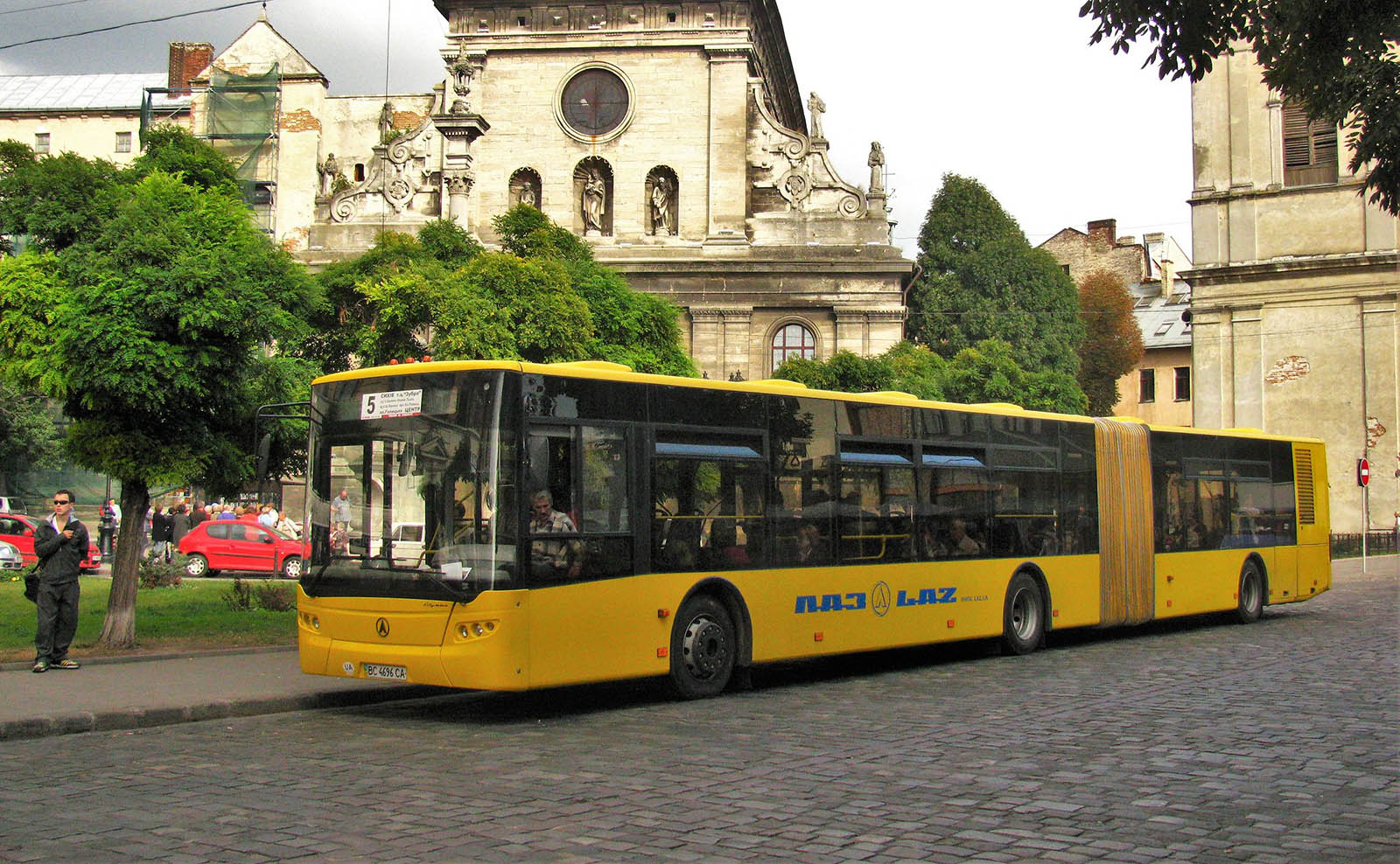
Decentralised governance can help withstand crises in times when rapid action and resource mobilisation are essential. The ongoing war in Ukraine shows how decentralisation can bolster national resilience under crisis conditions. Tamila Shvyryda says the EU can learn from this – and it should reconfigure its public administration policy accordingly Read more
Carlos José Cruz Infante
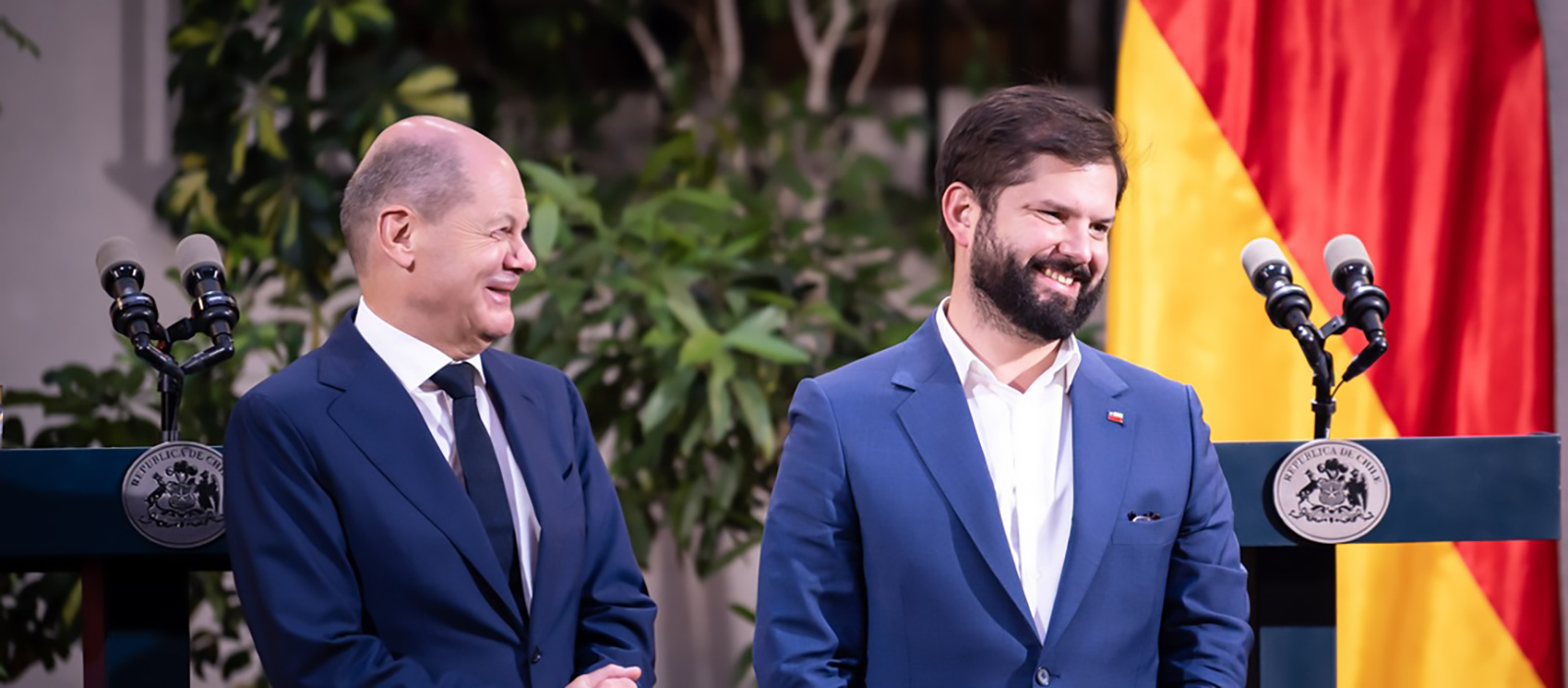
The EU could learn valuable lessons from German Chancellor Scholz’s recent official visit to South America, writes Carlos Cruz Infante. Scholz showed a diplomacy formula that could leverage the Union’s geopolitical influence in the region Read more
Veronica Anghel
It is three years since the World Health Organisation declared Covid-19 a pandemic, on 11 March 2020. Veronica Anghel conducts a retrospective analysis of the impact of the health crisis, from all social scientific perspectives. Did political science rise to the challenge? Read more
We use necessary cookies to make our site work. We'd also like to set analytics cookies that help us make improvements by measuring how you use the site. These will be set only if you accept.
▼
Strictly Necessary Cookies
Necessary cookies enable core functionality such as security, network management, and accessibility. You may disable these by changing your browser settings, but this may affect how the website functions.
▼
Analytics Cookies
Google Analytics
We'd like to set Google Analytics cookies to help us improve our website by collecting and reporting information on how you use it. The cookies collect information in a way that does not directly identify anyone. For more information on how these cookies work please see our Privacy Notice.