Jaap Hoeksma
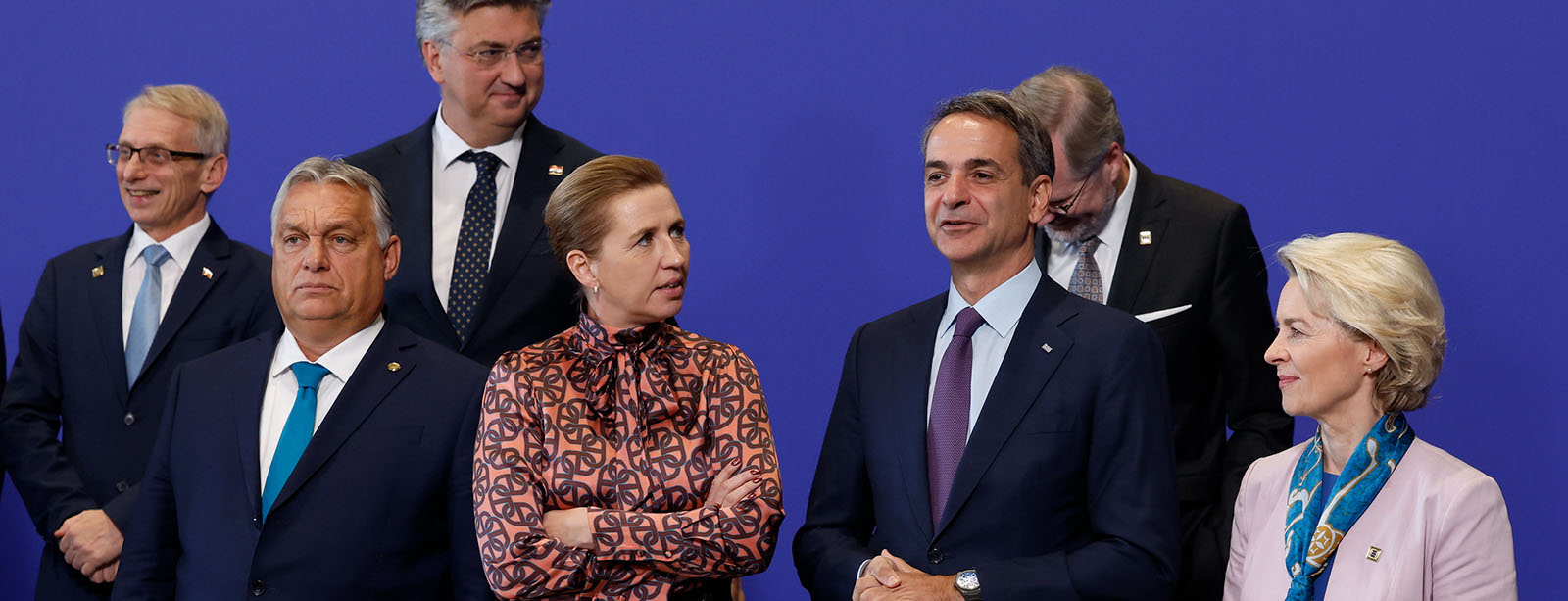
Hungarian Prime Minister Viktor Orbán is waging a longstanding battle with the EU. Jaap Hoeksma argues that this clash reflects a fundamental division over the EU's very identity – and Hungary’s forthcoming Presidency of the EU Council, from July–December 2024, will throw this into sharp focus Read more
Ludmila Quirós
Ludmila Quirós argues that the growing infiltration of Latin American criminal actors into EU territory is seriously undermining the bloc's security and radically changing organised crime in Europe Read more
Franziskus von Lucke
Scholars and the media often portray the ongoing polycrisis as undermining the EU’s self-understanding. This has led observers to describe the EU as an ‘anxious community’. But Franziskus von Lucke and Thomas Diez find that, on the contrary, EU actors remain surprisingly confident. While this may look like a positive finding, the authors argue that the EU needs more, not less, anxiety to deal successfully with current and future challenges Read more
Niruka Sanjeewani
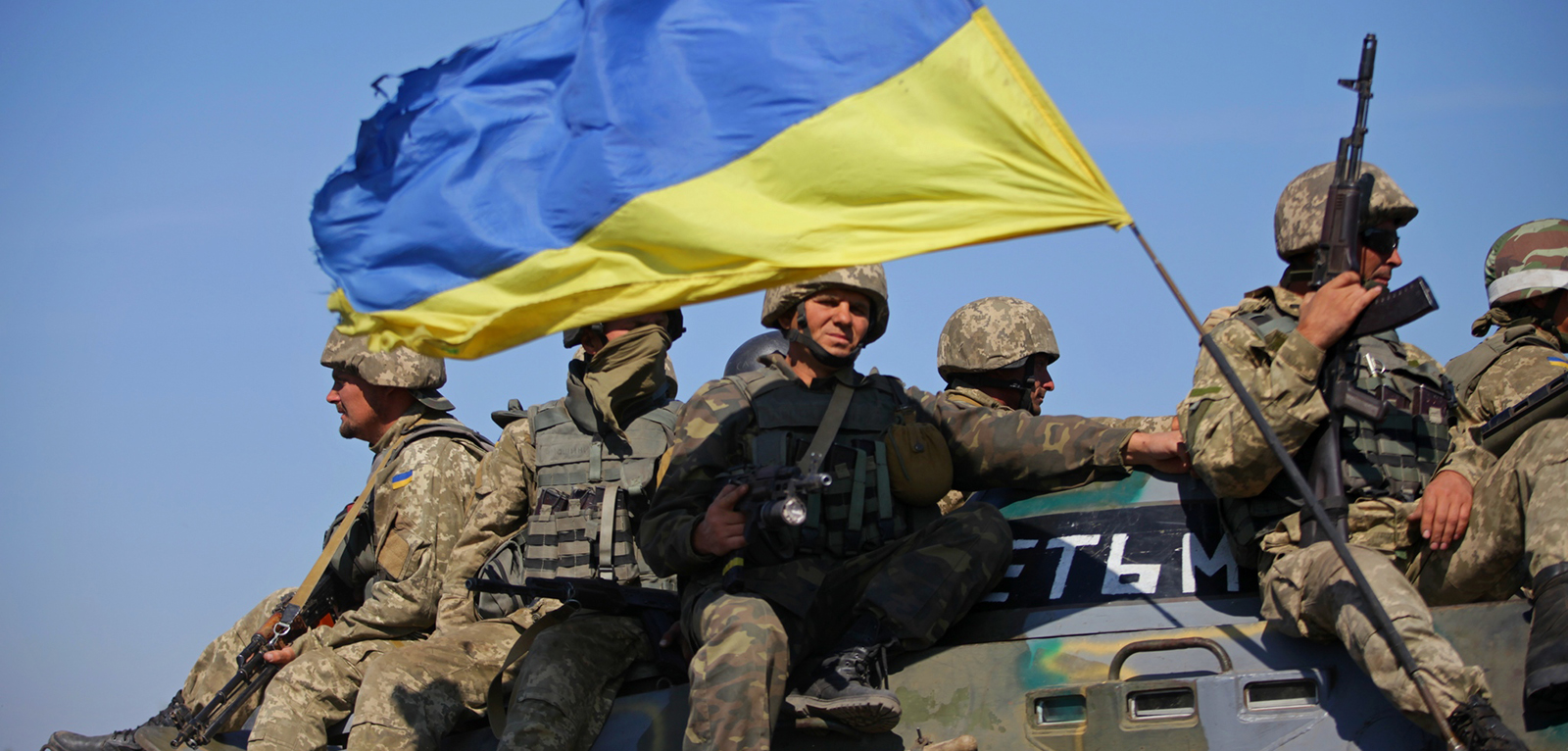
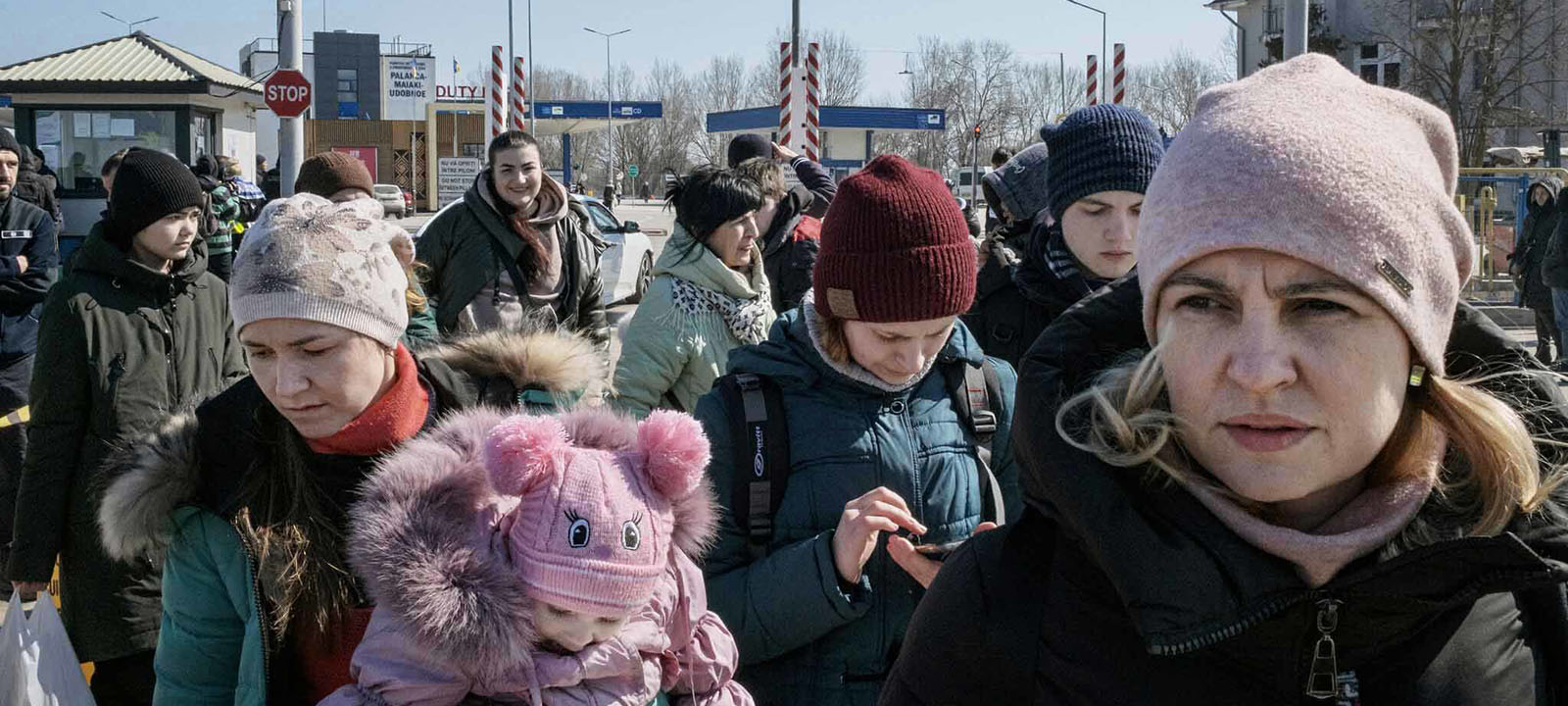
In March 2001, the EU agreed a directive providing temporary protection for non-EU nationals fleeing conflict. In 2022, it revived the directive to allow displaced communities in Ukraine to settle in the EU. Niruka Sanjeewani argues this undermines the EU’s human rights policies, and weakens its efforts to create more legitimate asylum mechanisms Read more
Helene Sjursen
The EU stands at a critical juncture, requiring a consorted commitment to revitalising and reforming a liberal international order, write Helene Sjursen, Viacheslav Morozov, Michela Ceccorulli, Enrico Fassi, Sonia Lucarelli, Senem Aydın-Düzgit, Thomas Diez, Franziskus von Lucke, Pol Bargués, Jonathan Joseph, Ana Juncos Read more
Ariadna Ripoll Servent
The presence of populist governments in European Union policy-making has been largely ignored. Ariadna Ripoll Servent and Natascha Zaun argue that we should pay attention to populists’ behaviour in the Council of the EU. Populist governments do not play by the normal rules of the game; rather, they use ‘unpolitics’. This destructive approach to policy-making was instrumental in blocking a reform of EU migration politics Read more
Francesco Spera
The European Union has built its normative concepts on Europe's postwar consensus, focusing in particular on Holocaust trauma. But Francesco Spera argues that through past and future enlargements, it is also adapting to Eastern European states' mnemonic paths as they move away from their communist histories Read more
Emilija Tudzarovska
The EU economic crisis revealed a clash between the EU and national authorities. This clash is, however, only one part of the story. Events in Greece, Italy, Bulgaria and Slovenia, writes Emilija Tudzarovska, also revealed a crisis of party politics. This crisis has triggered appeals to populism and technocracy – technopopulism – which weakens yet further the institutionalisation of politics Read more
We use necessary cookies to make our site work. We'd also like to set analytics cookies that help us make improvements by measuring how you use the site. These will be set only if you accept.
▼
Strictly Necessary Cookies
Necessary cookies enable core functionality such as security, network management, and accessibility. You may disable these by changing your browser settings, but this may affect how the website functions.
▼
Analytics Cookies
Google Analytics
We'd like to set Google Analytics cookies to help us improve our website by collecting and reporting information on how you use it. The cookies collect information in a way that does not directly identify anyone. For more information on how these cookies work please see our Privacy Notice.