Muireann O'Dwyer
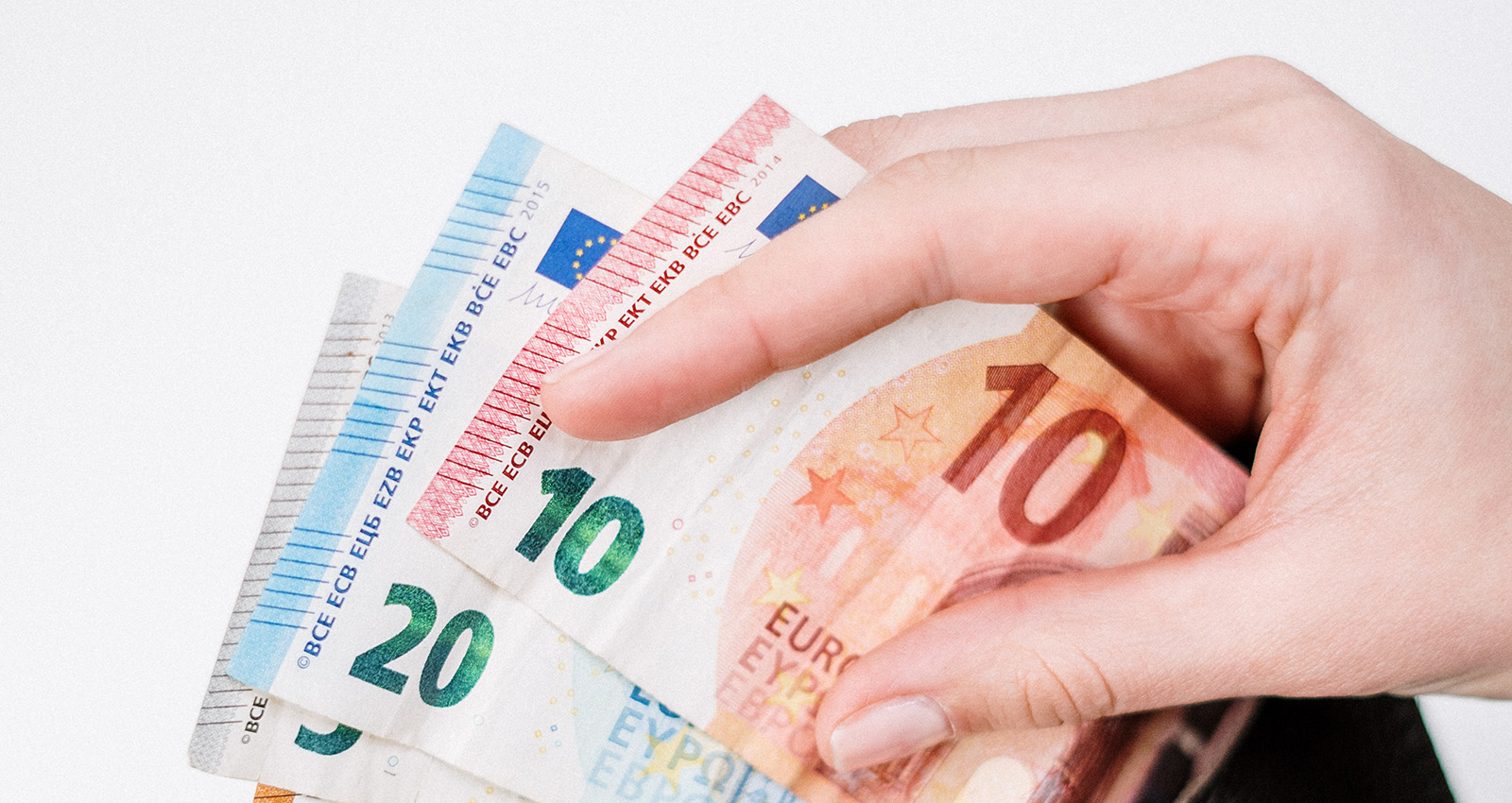
Muireann O’Dwyer argues that the economy's gendered nature means that all EU-developed economic policies are intrinsically gendered. Their consequences shape equality across the member states. Addressing this requires a greater democratisation of economic policy, and a renewed commitment to gender mainstreaming The gender of the economy Economic policy is always, at the same time, gender […] Read more
Irene Landini
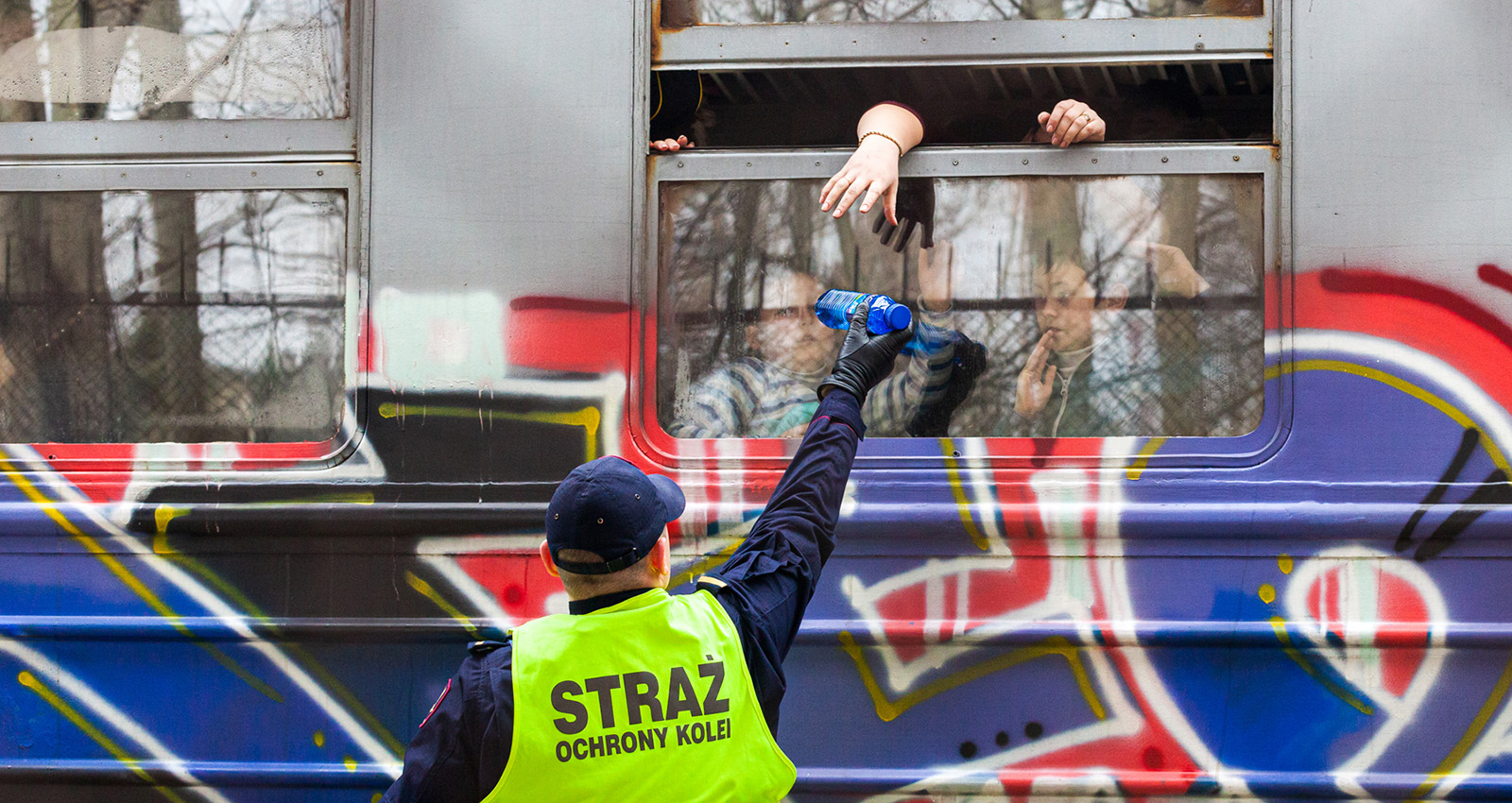
Eastern European governments show a high degree of solidarity towards Ukrainian asylum seekers fleeing the conflict provoked by the Russian invasion. At the same time, these governments continue to resist asylum seekers from the Middle East. Irene Landini explains the geographical, cultural and political factors behind this contradiction. Read more
Sandra Kröger
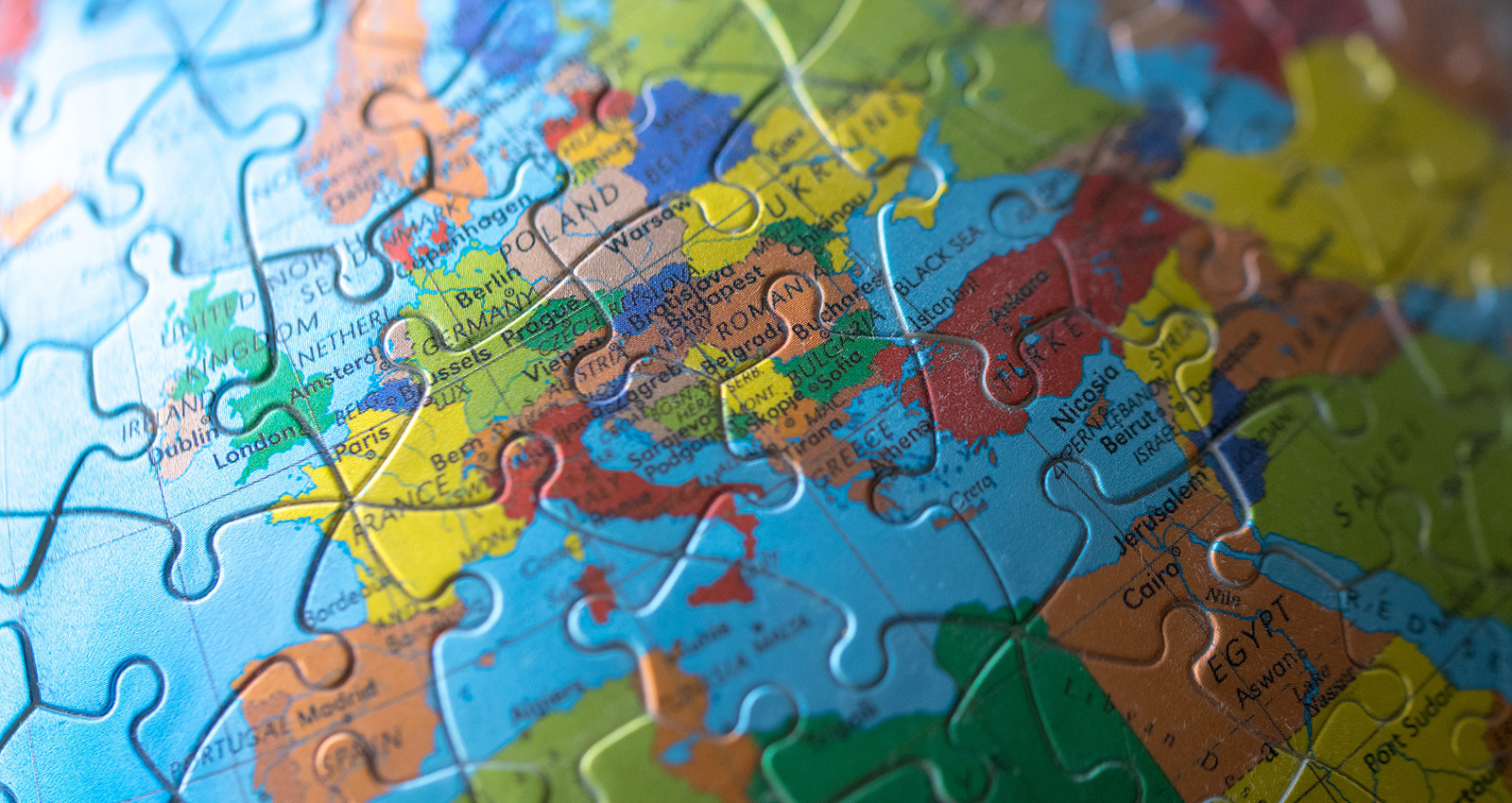
Using an expert survey, Sandra Kröger and Thomas Loughran assess the benefits and risks for the EU of ‘differentiated integration’ – where countries do not participate in specific policy areas or proceed at different speeds of integration. Their findings reveal mixed support for the process with some notable differences of opinion. Read more
Steven Langendonk
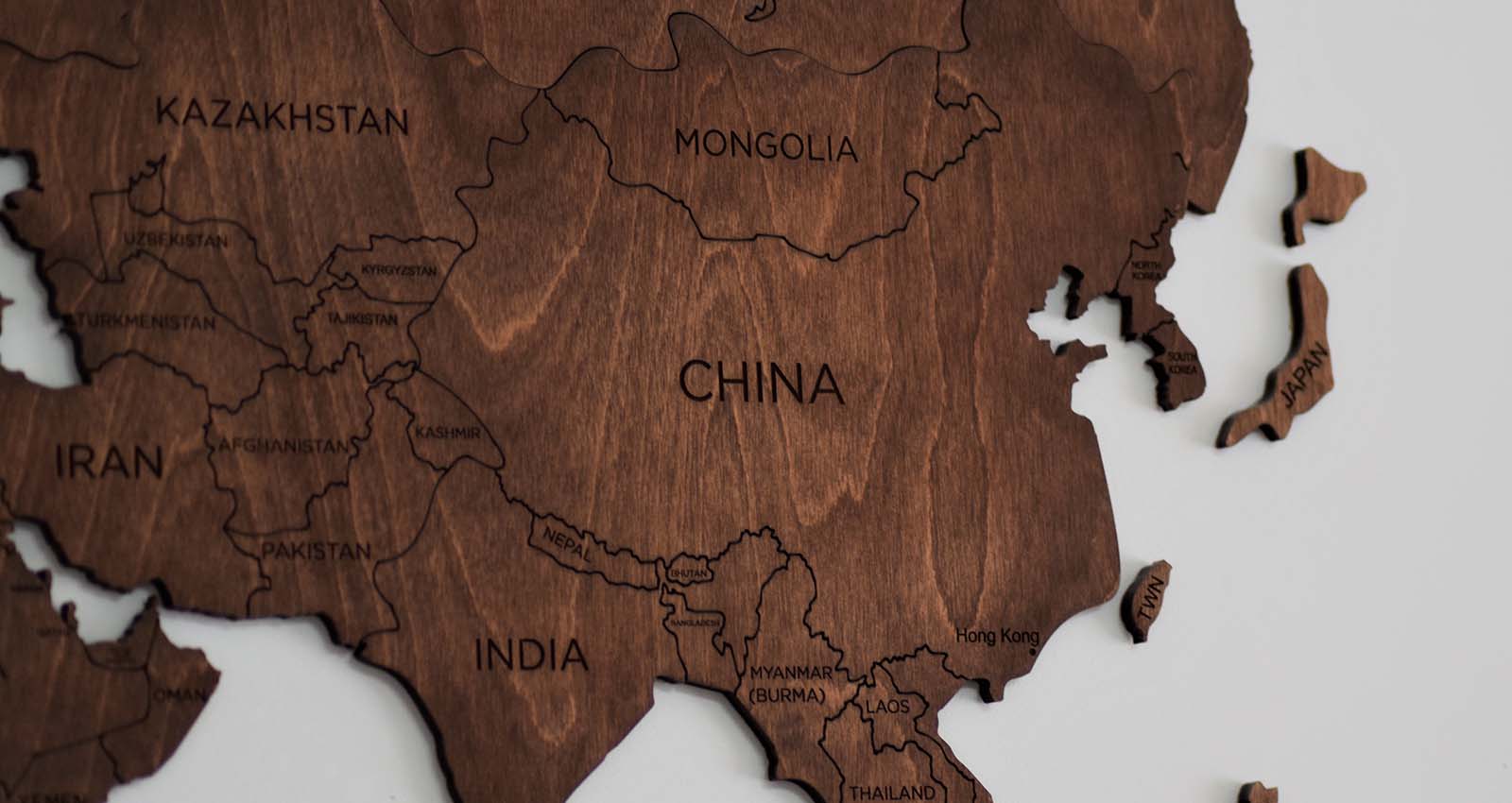
Steven Langendonk contests the idea that Brussels’ new China strategy is indicative of greater agency. Instead, he says, the EU-China relationship is firmly grounded in internal struggles. The pressure is on to manipulate member states' sentiments and to provide a new political narrative for a changing relationship. Read more
Trym Nohr Fjørtoft
Have we had enough of experts? Covid-19 revealed how expertise doesn't necessarily translate into public acceptance of the right to make decisions in the public interest. Trym Nohr Fjørtoft and Asimina Michailidou explore the conditions under which expert agencies secure public legitimacy. Their conclusion? It's about striking the right balance Read more
Ian Budge
The climate catastrophe has been forgotten, Ian Budge argues, as NATO extends itself up to the Russian border. Stopping Russia destroying its natural environment should be the real imperative for the West. Recognising this would soften both sides’ aggressive reactions and ease the way to an equable settlement over Ukraine. Read more
Martin Westlake
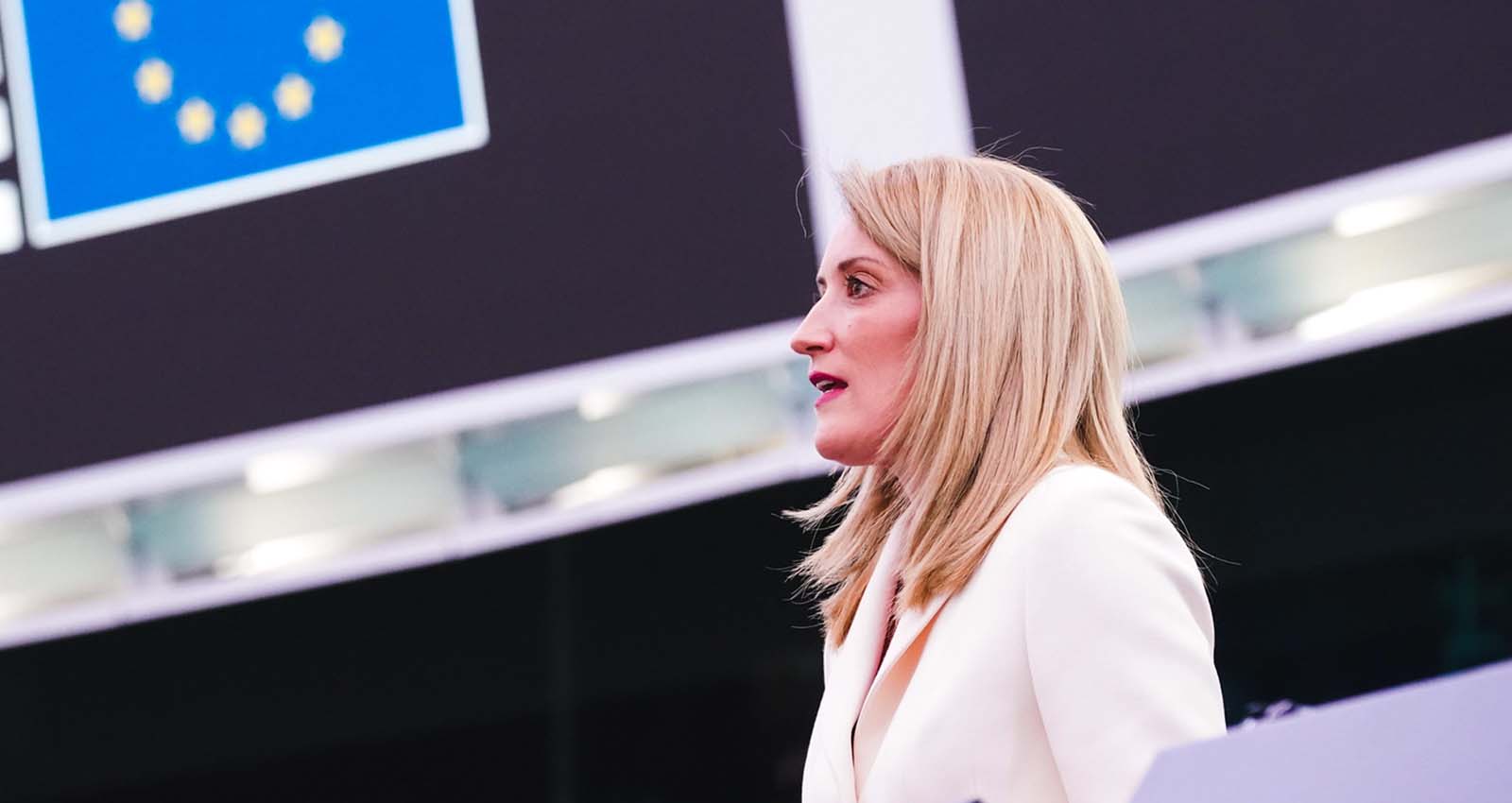
The new President of the European Parliament, Maltese Roberta Metsola, was elected as a continuity candidate of the centre-right. Yet, argues Martin Westlake, her election also marks a shift to the young, the left and the south, by a gifted politician who will surely leave her mark A breath of fresh air On 18 January […] Read more
Albrecht Rothacher
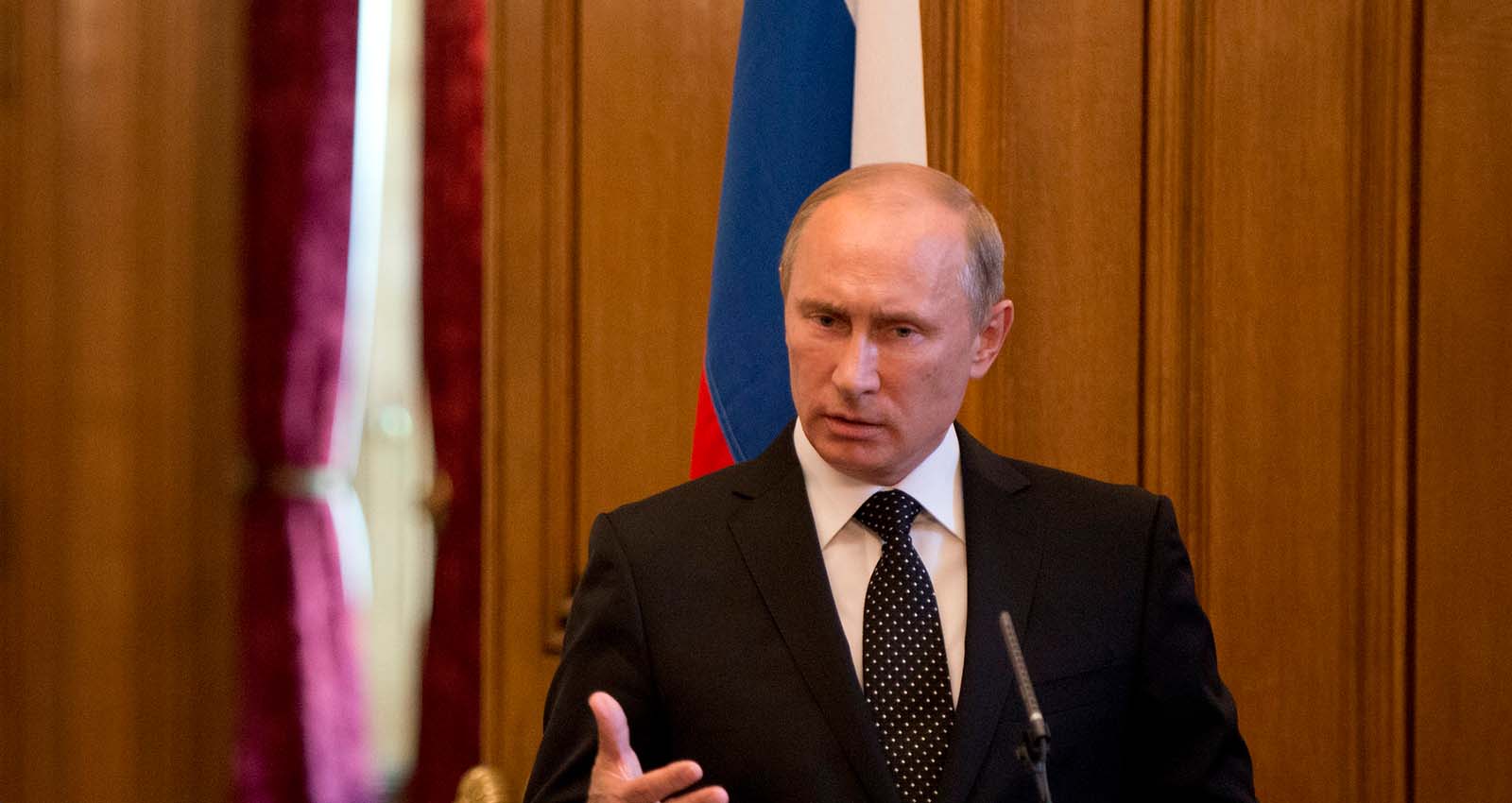
Albrecht Rothacher argues that Putin’s power play over Ukraine, while being driven by the West’s current weakness, serves neither Russia or the West. The two sides should, instead, lower tensions and address together several long-standing issues at the heart of current international instability Read more
We use necessary cookies to make our site work. We'd also like to set analytics cookies that help us make improvements by measuring how you use the site. These will be set only if you accept.
▼
Strictly Necessary Cookies
Necessary cookies enable core functionality such as security, network management, and accessibility. You may disable these by changing your browser settings, but this may affect how the website functions.
▼
Analytics Cookies
Google Analytics
We'd like to set Google Analytics cookies to help us improve our website by collecting and reporting information on how you use it. The cookies collect information in a way that does not directly identify anyone. For more information on how these cookies work please see our Privacy Notice.