Friedel Marquardt
Jean-Paul Gagnon’s endeavour has great potential for bringing unknown or ignored definitions to the fore. However, Friedel Marquardt argues, we hinder understanding and cut its empowering potential short if the communities these definitions are about do not get a chance to speak about their democracies Read more
Rongxin Li
Unlike Western nations, China is reintroducing restrictions to counter the latest wave of Covid-19. Rongxin Li explains China's pandemic policy and its apparent acceptance by the Chinese people in the context of authoritarian resilience Read more
Giovanni Capoccia
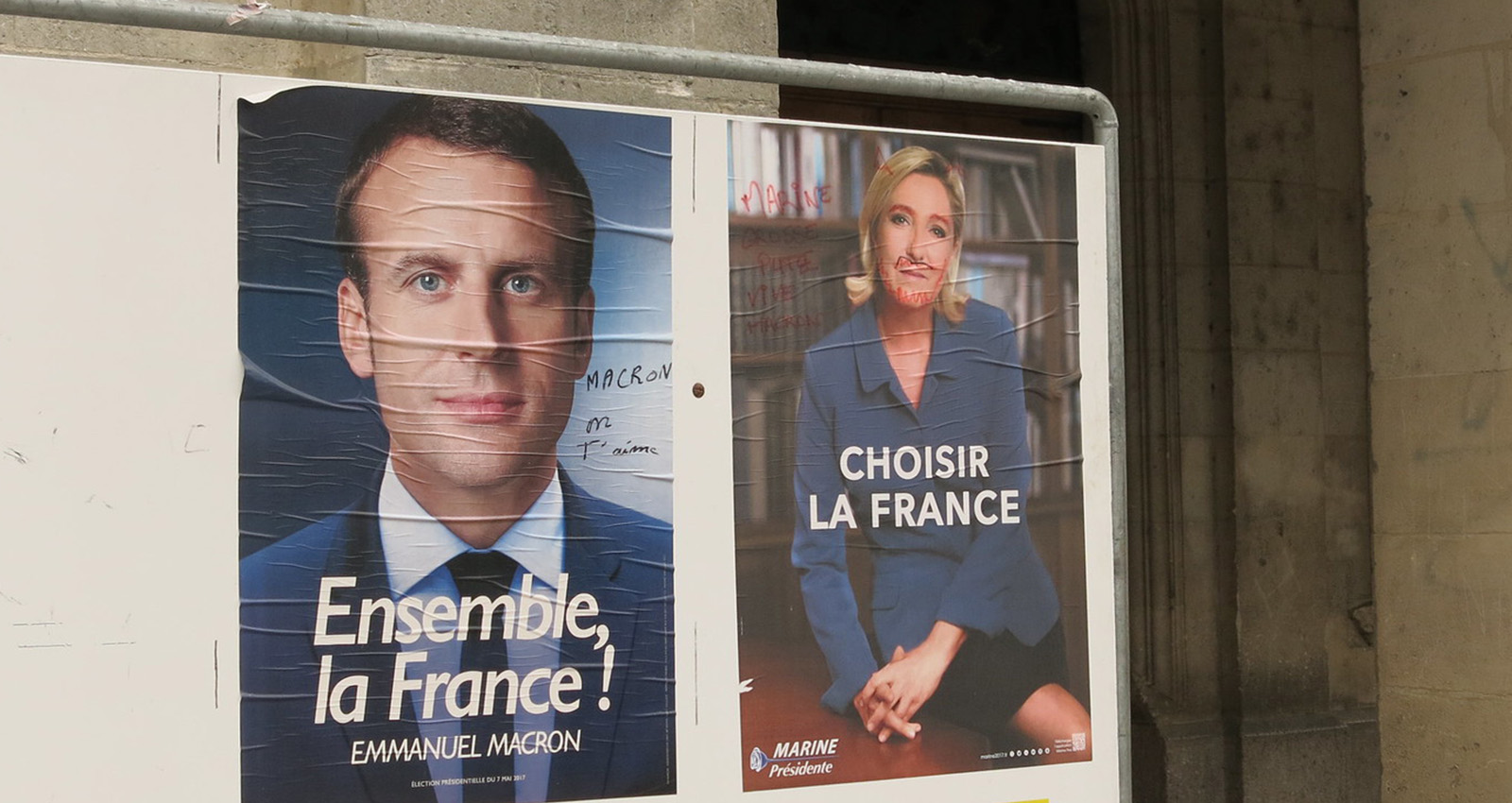
A second term of office for Emmanuel Macron remains the most probable outcome of the French Presidential election, but it is no longer a foregone conclusion. The race with Marine Le Pen now looks more competitive than ever, says Giovanni Capoccia. Read more
Mauricio Mandujano Manriquez
Jean-Paul Gagnon's data mountain for rescuing the abandoned Science of Democracy is a worthy challenge. Nevertheless, Mauricio Mandujano Manriquez advocates for giving precedence to the epistemic commitments of the scientific enterprise and their implications Read more
Grant Dawson
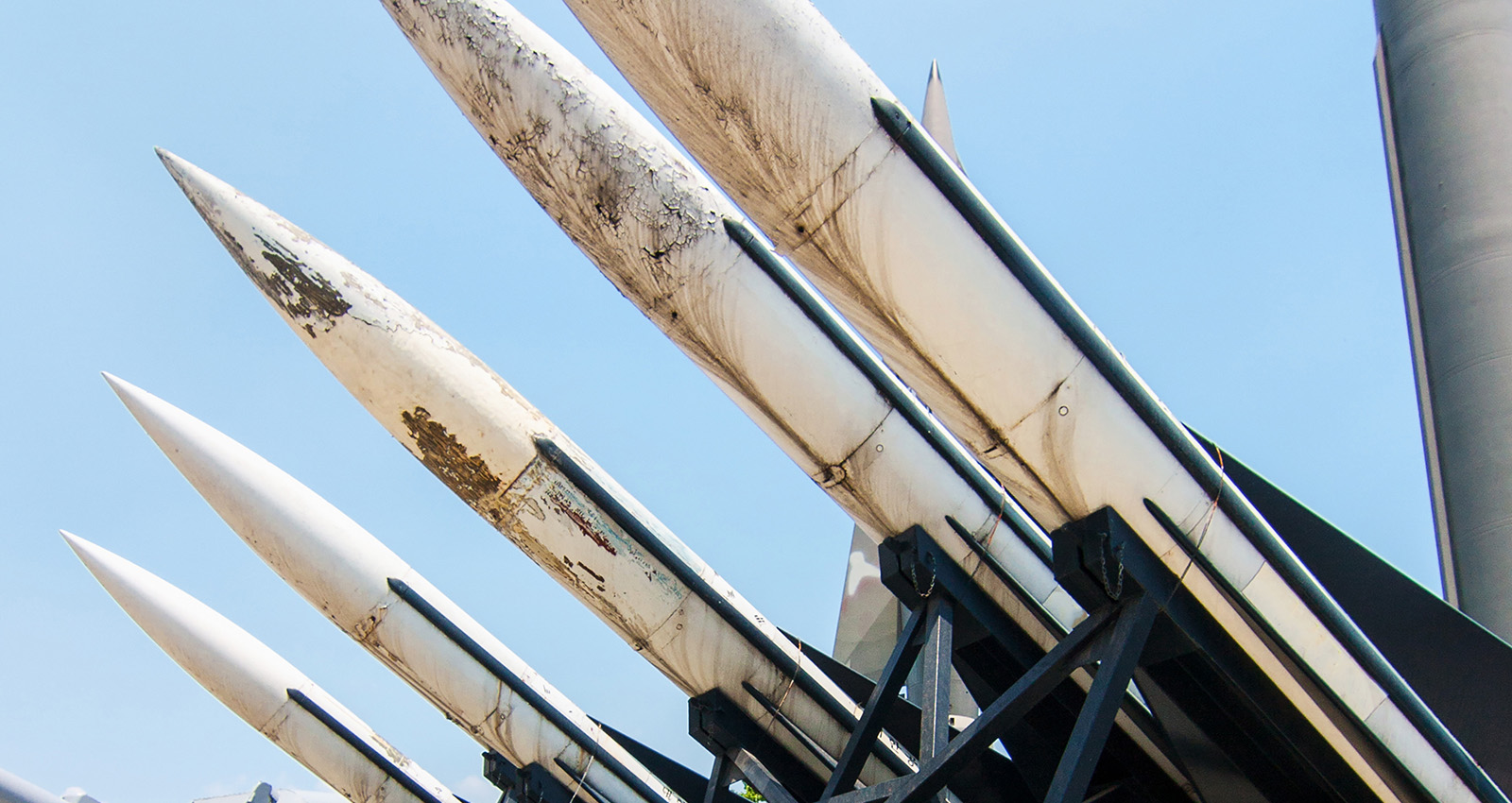
Grant Dawson and Nicholas Ross Smith argue that the West’s sweeping sanctions, isolation of Russia and passive-aggressive military support for Ukraine is fundamentally misguided. The problem with the US-led response is that it ignores – in fact, exacerbates – the deep-rooted ontological security concerns behind Russian President Vladimir Putin’s invasion Read more
Andrea Ceron
Andrea Ceron and Elisa Volpi argue that rather than sweeping the damage under the carpet, parties can best restore their image by emphasising competence, clarity and their ability to handle the core issues Read more
Jasper T. Kauth
Not all illiberalisms are the same, argues Jasper T. Kauth. While anti-democratic, disruptive illiberalism and anti-liberal, ideological illiberalism may act simultaneously, analysing them individually will help us identify drivers of this phenomenon. Read more
Ana Tereza Duarte Lima de Barros
Political terms such as communist, fascist, and populist have become so elastic that they end up losing their analytical precision and meaning, write Ana Tereza Duarte Lima de Barros and Jorge Henrique Oliveira Gomes. It is our responsibility to use them with accuracy Read more
We use necessary cookies to make our site work. We'd also like to set analytics cookies that help us make improvements by measuring how you use the site. These will be set only if you accept.
▼
Strictly Necessary Cookies
Necessary cookies enable core functionality such as security, network management, and accessibility. You may disable these by changing your browser settings, but this may affect how the website functions.
▼
Analytics Cookies
Google Analytics
We'd like to set Google Analytics cookies to help us improve our website by collecting and reporting information on how you use it. The cookies collect information in a way that does not directly identify anyone. For more information on how these cookies work please see our Privacy Notice.