Ruairidh Brown
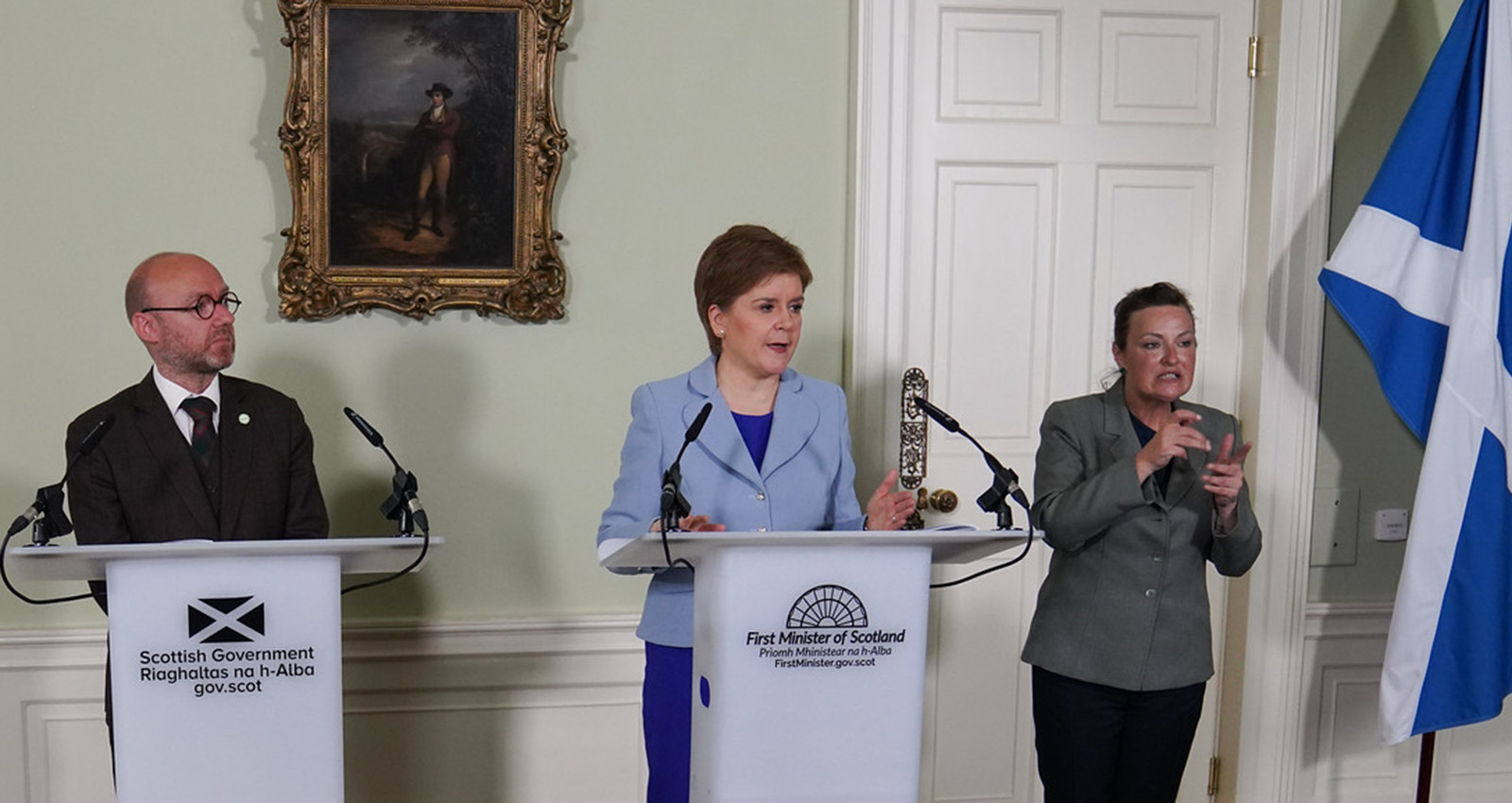
The first obstacle in holding an Independence Referendum is assuring its legitimacy. To do so, says Ruairidh Brown, the SNP-Green alliance have implied the UK Government has no moral authority to deny Scots a choice on their future Read more
Adam Stokes
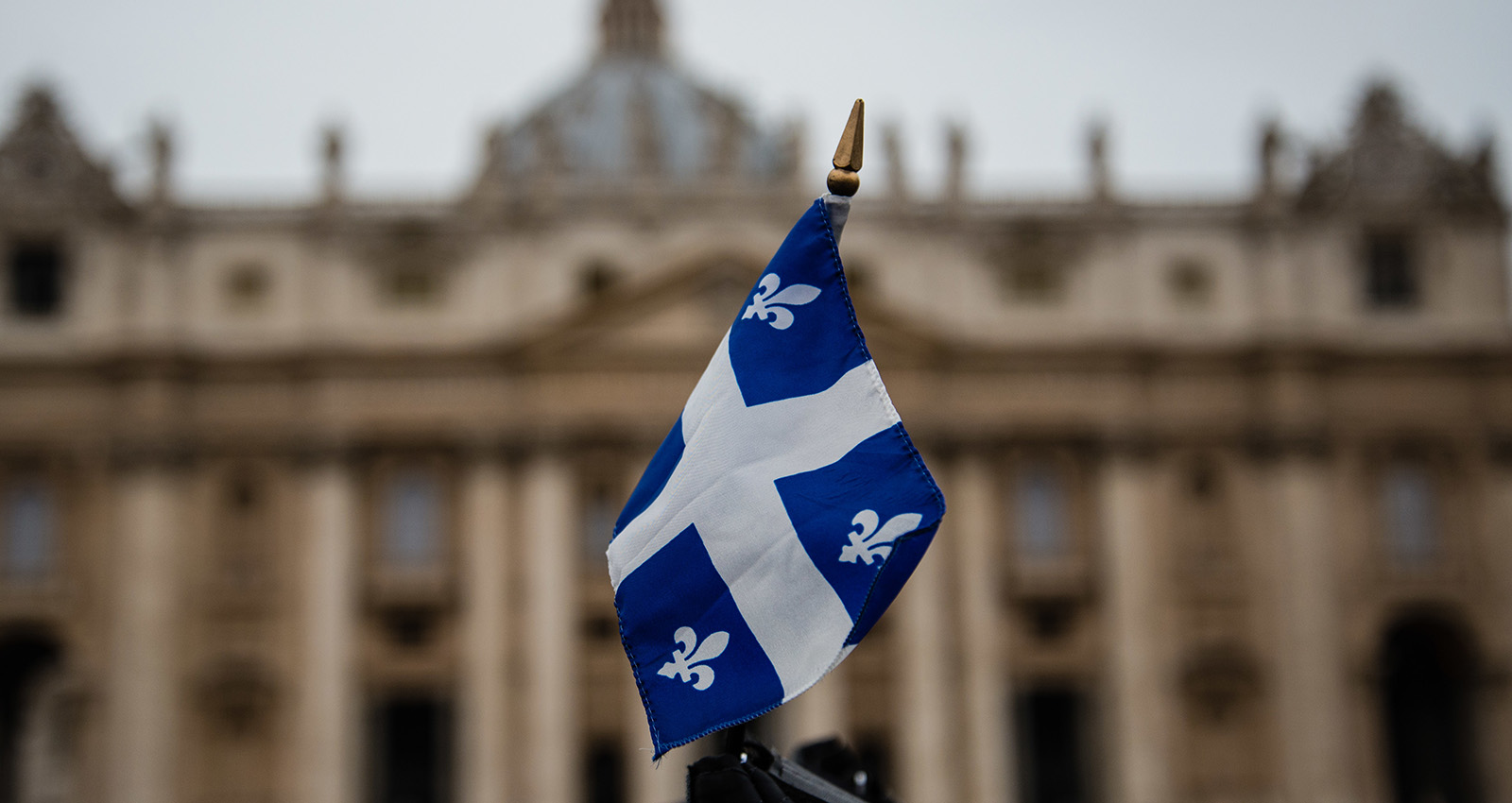
Québécois politics has been undergoing a dramatic change since 2018. The emergence of the ‘Coalition for Quebec’s Future’ (CAQ) has smashed the existing Liberal/Parti Québécois duopoly in the province and sidelined the issue of Quebec’s sovereignty in favour of cultural issues, writes Adam Stokes Read more
Stefano Braghiroli
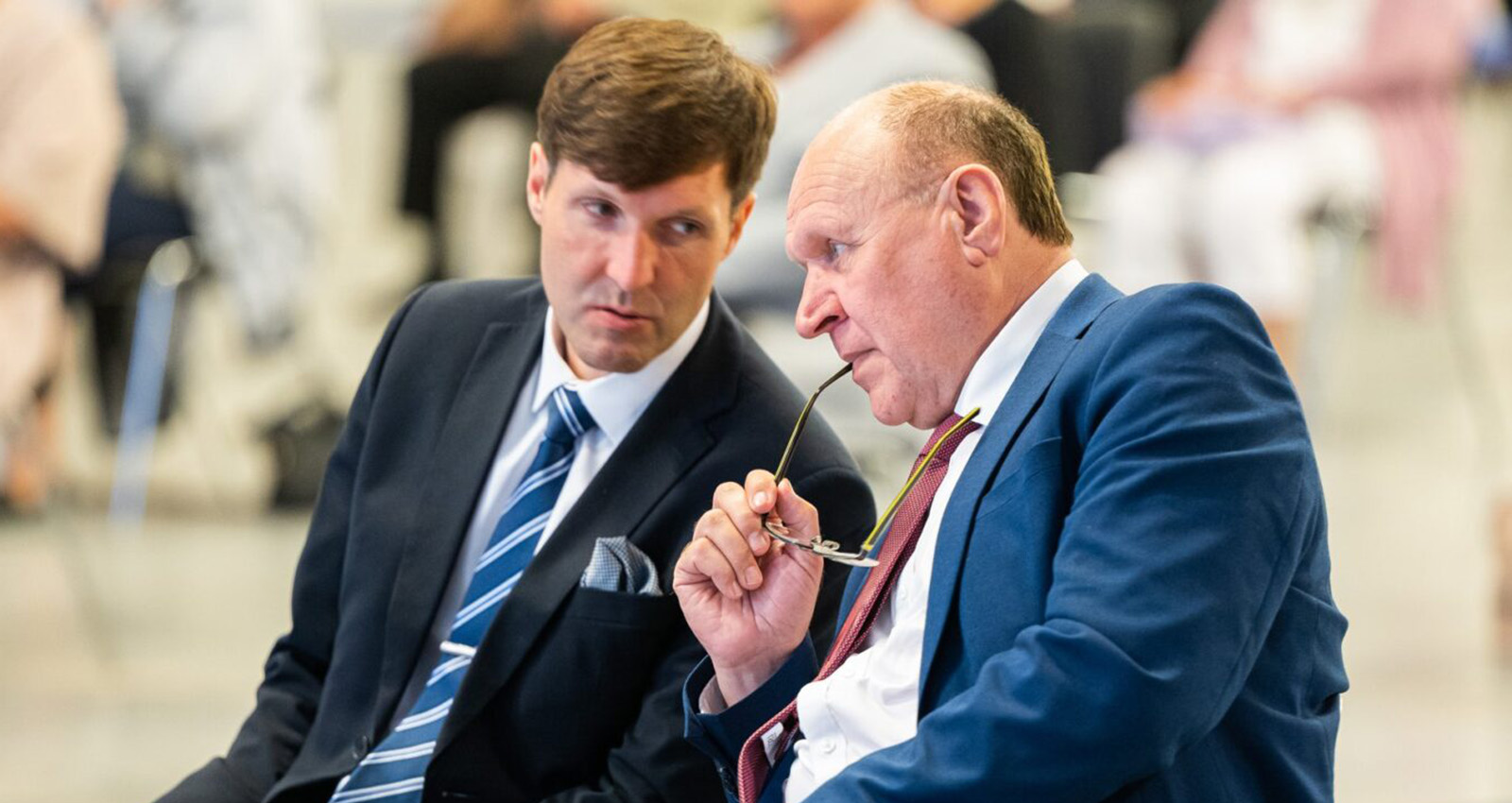
Stefano Braghiroli and Andrey Makarychev chart a change in the Estonian National Conservative Party (EKRE). Lately, it has appealed for the first time to Russian-speaking minorities – an attempt at a similar process to the League’s transformation into a national party in Italy. Unlike the Lega, though, they face the obstacle of the Russian invasion of Ukraine Read more
Hager Ali
The study of regime types, Hager Ali argues, is imbalanced. Theories and concepts of democracy have received attention for decades. But amid the resurgence of autocracies, scholars of authoritarianism still do not have the luxury of nuanced typologies to dissect the broad spectrum of non-democratic regimes Read more
Alistair Cole
Incumbent French President Macron has been re-elected for a second five-year term. This is not a simple success story, Alistair Cole argues. The election revealed disturbing trends in French democracy. Read more
Andrea Ceron
Andrea Ceron and Elisa Volpi argue that rather than sweeping the damage under the carpet, parties can best restore their image by emphasising competence, clarity and their ability to handle the core issues Read more
Thomas König
Thomas König, Nick Lin, and Thiago N. Silva argue that opposition can challenge government agenda dominance in parliaments through the control of committee chairs. This also impacts how coalition partners manage governance. Read more
Martin Westlake
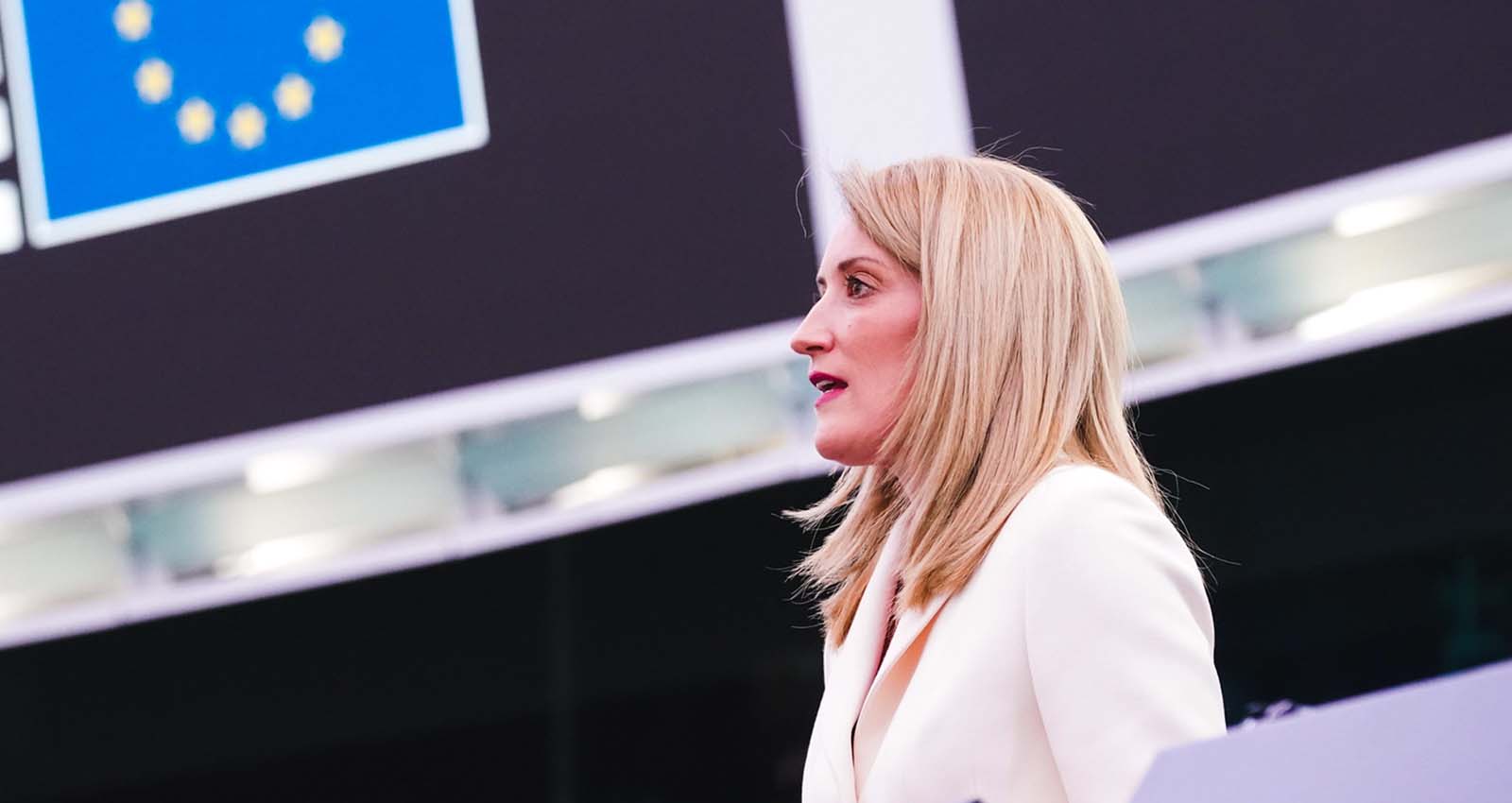
The new President of the European Parliament, Maltese Roberta Metsola, was elected as a continuity candidate of the centre-right. Yet, argues Martin Westlake, her election also marks a shift to the young, the left and the south, by a gifted politician who will surely leave her mark A breath of fresh air On 18 January […] Read more
We use necessary cookies to make our site work. We'd also like to set analytics cookies that help us make improvements by measuring how you use the site. These will be set only if you accept.
▼
Strictly Necessary Cookies
Necessary cookies enable core functionality such as security, network management, and accessibility. You may disable these by changing your browser settings, but this may affect how the website functions.
▼
Analytics Cookies
Google Analytics
We'd like to set Google Analytics cookies to help us improve our website by collecting and reporting information on how you use it. The cookies collect information in a way that does not directly identify anyone. For more information on how these cookies work please see our Privacy Notice.