Albrecht Rothacher
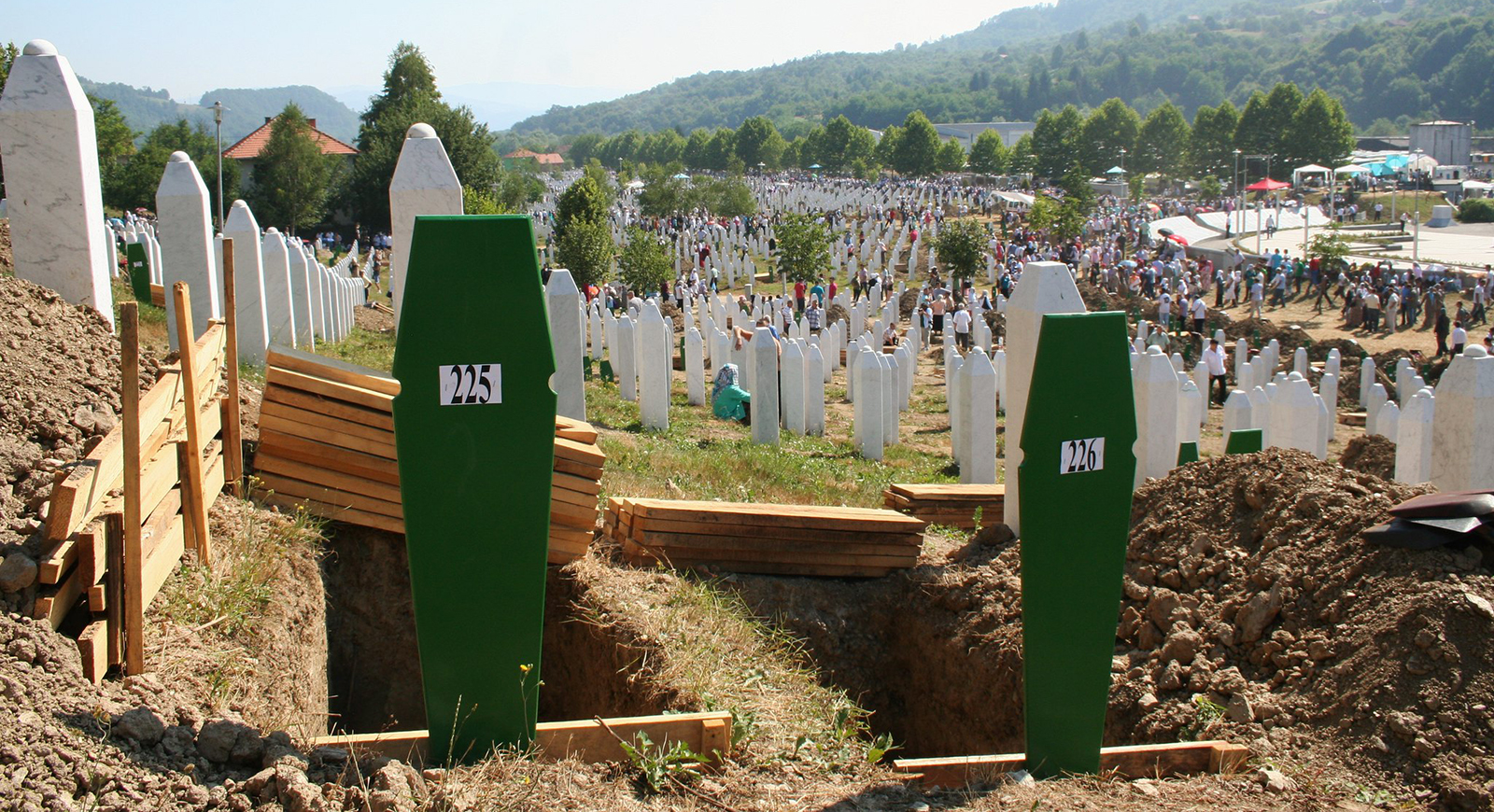
On the 30th anniversary of the Srebrenica massacre in eastern Bosnia, Albrecht Rothacher looks back at the significance of that event, and the confederal State it produced. Three decades on, can the EU realistically consider Bosnia and Herzegovina as a potential member state? Read more
Süleyman Güngör
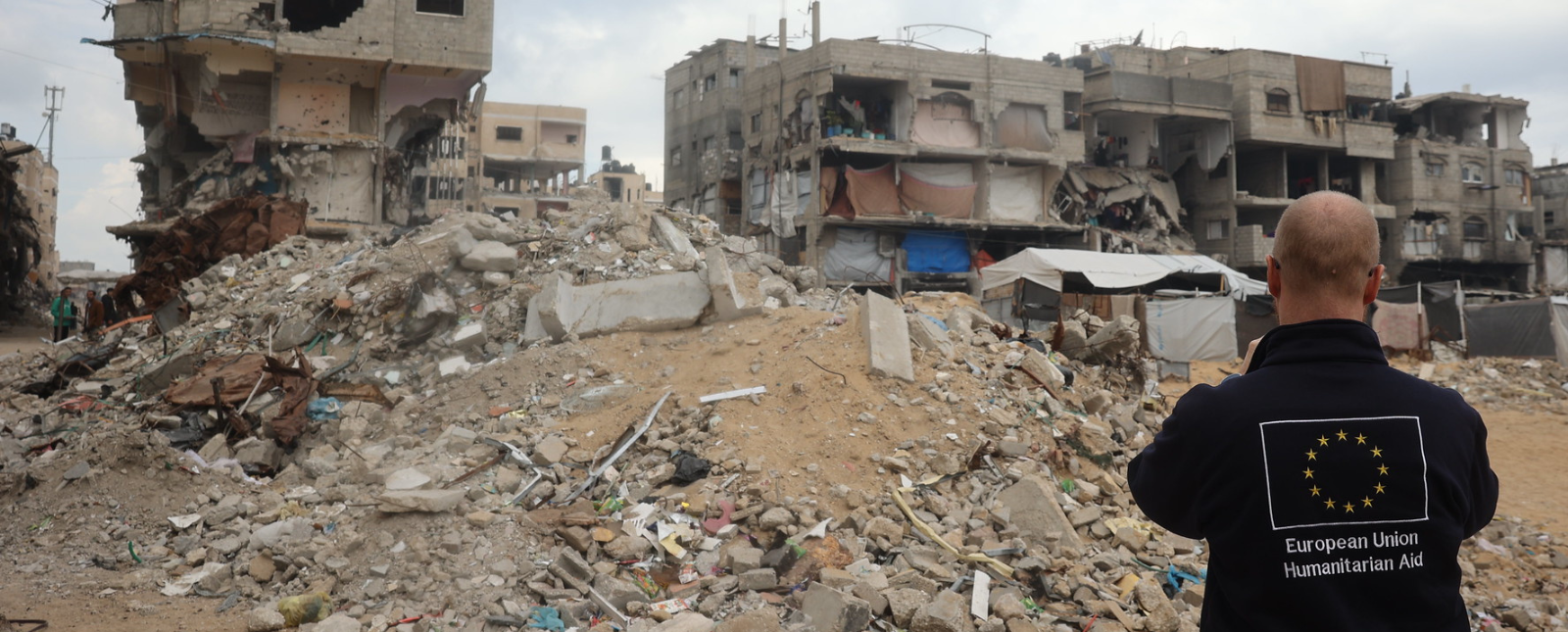
From Atatürk’s homeland — where 'peace at home, peace in the world' still resonates — Süleyman Güngör argues that Gaza is Palestinian land. The violence there, and between Israel and Iran, we must recognise as war under international law — and urgently bring it to an end Read more
Leila Hennaoui
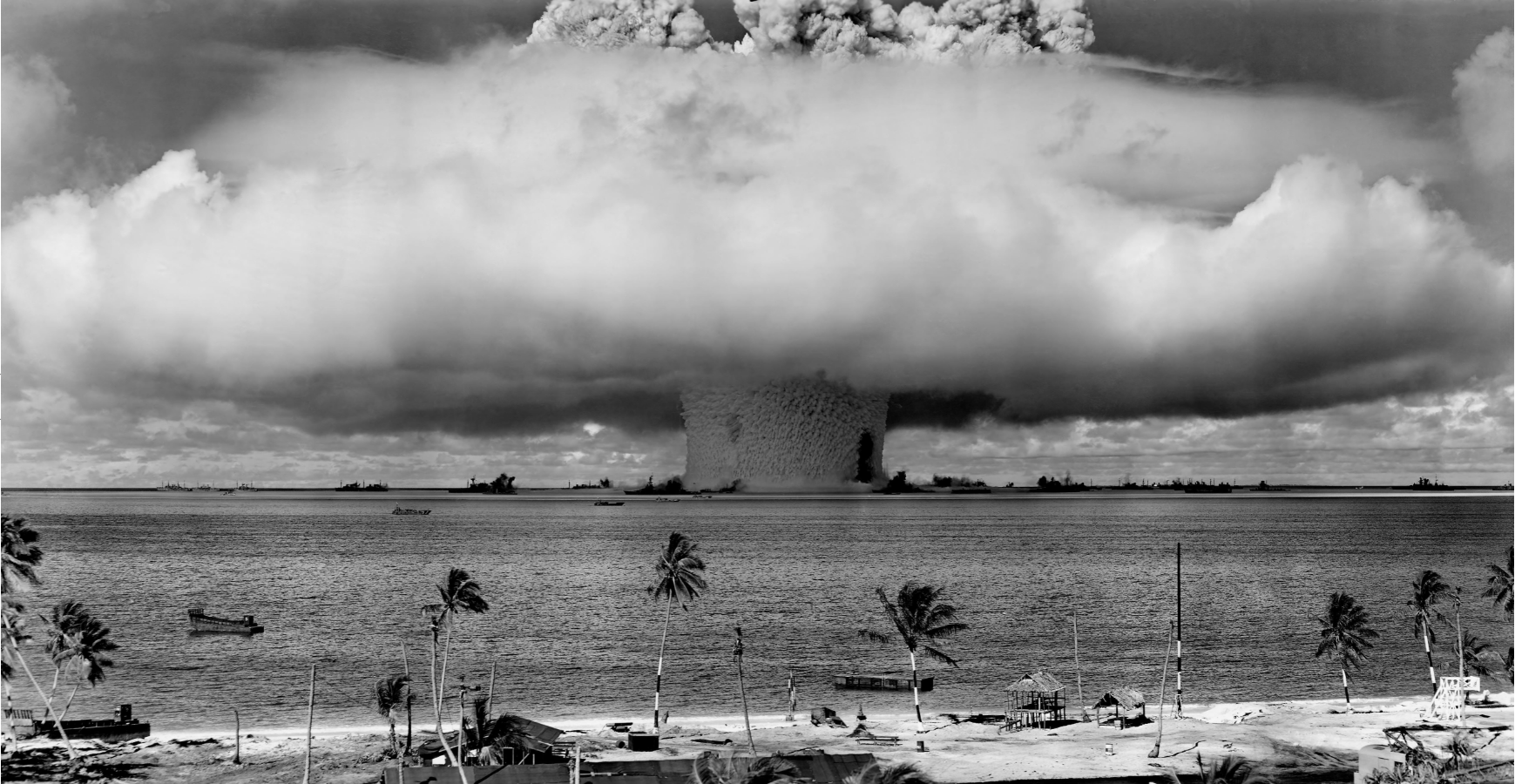
Leila Hennaoui examines the historical legacies of nuclear colonialism, the leadership of the Global South in reimagining nuclear governance, and the transformative shift represented by the Treaty on the Prohibition of Nuclear Weapons Read more
Mahmoud Javadi
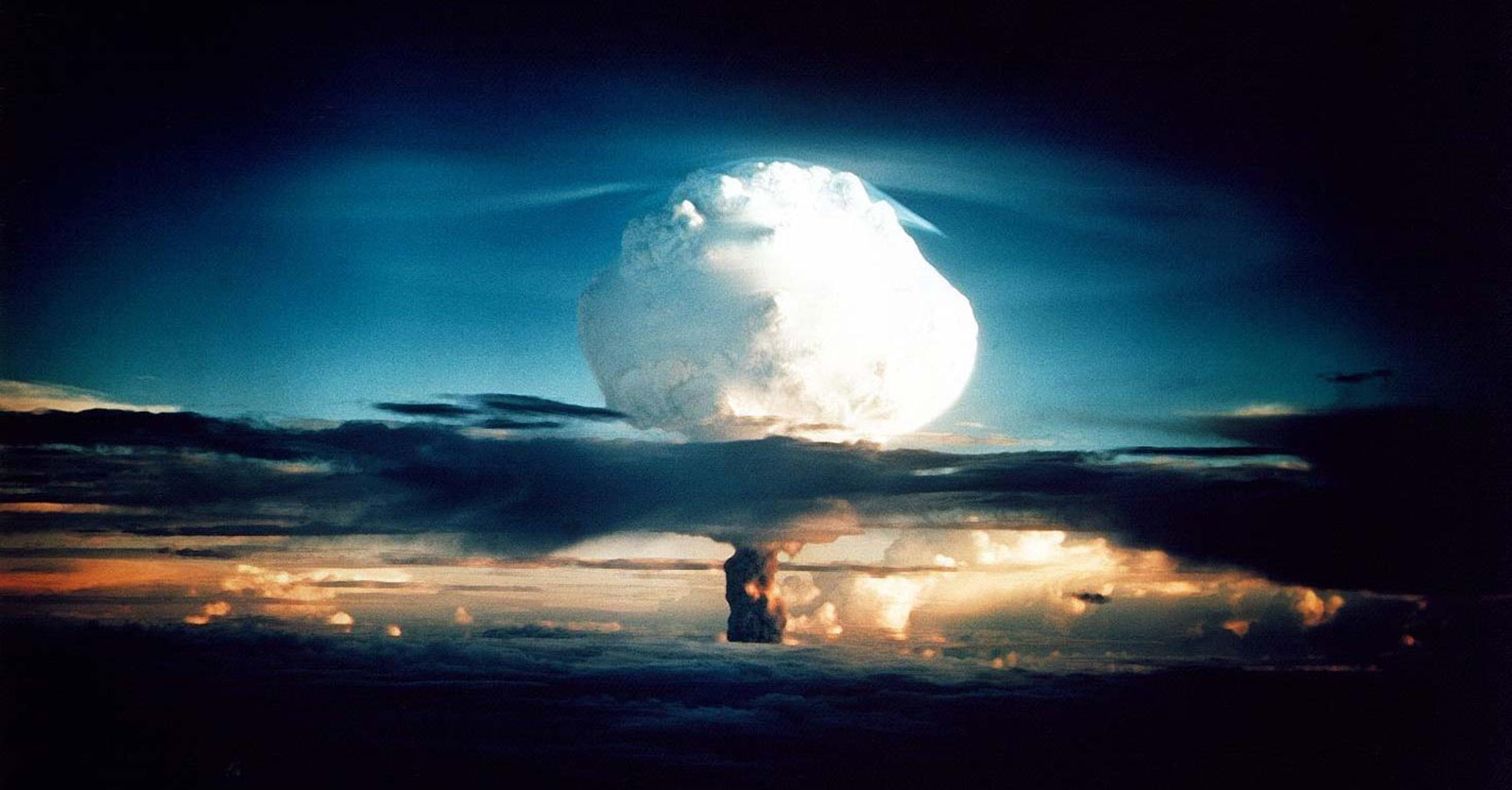
Mahmoud Javadi examines the paradox of nuclear politics as peacekeepers and existential threats. Exploring disarmament efforts, technological disruptions and global rivalries, he reimagines pathways beyond this precarious balance, towards lasting stability Read more
Aly Verjee
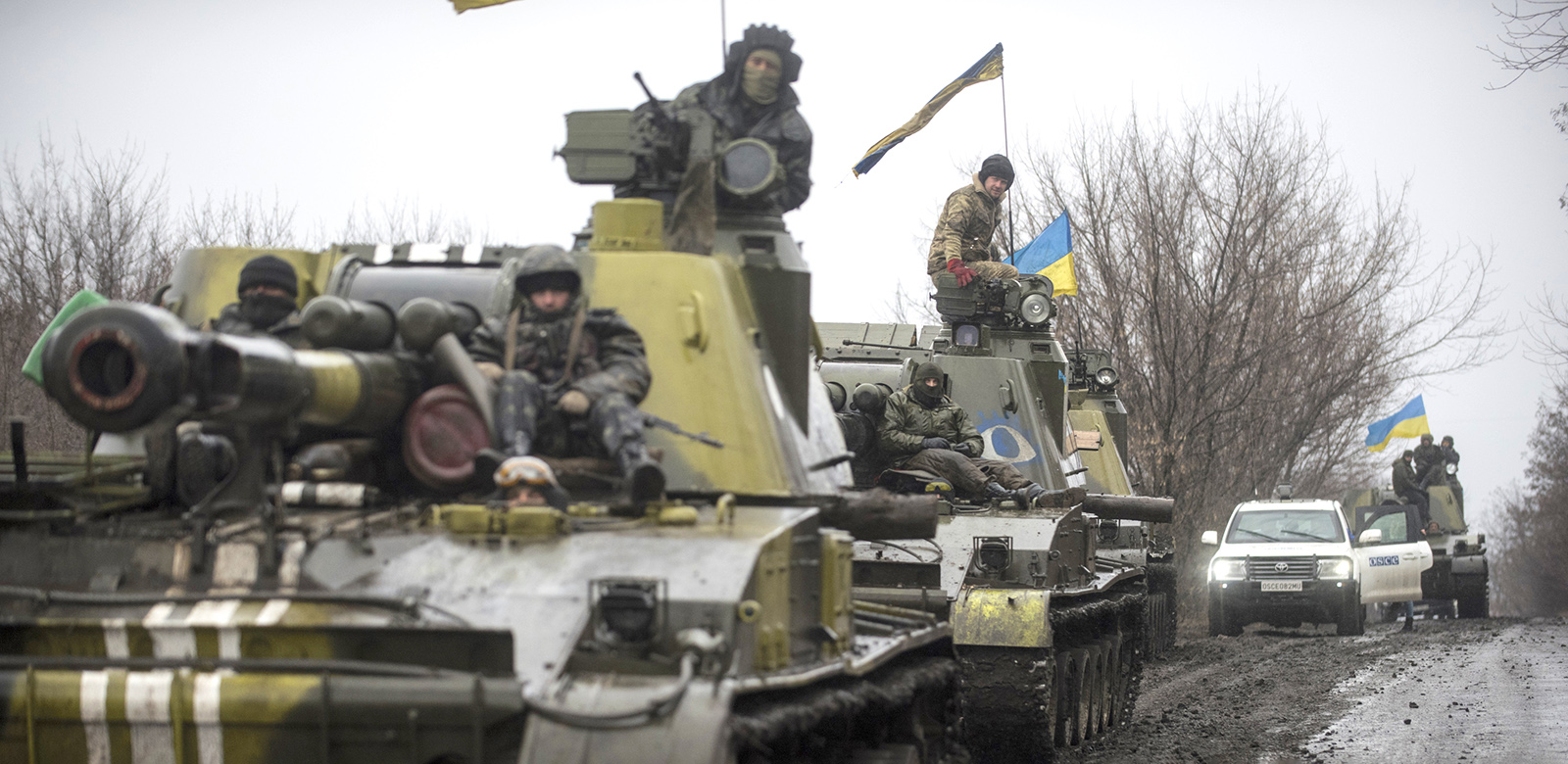
Aly Verjee and Valerie Sticher argue that an international monitoring mission could bolster a ceasefire. But any new ceasefire faces serious challenges, and will hold only if all parties heed the experience of past monitoring efforts in eastern Ukraine Read more
Maryna Rabinovych
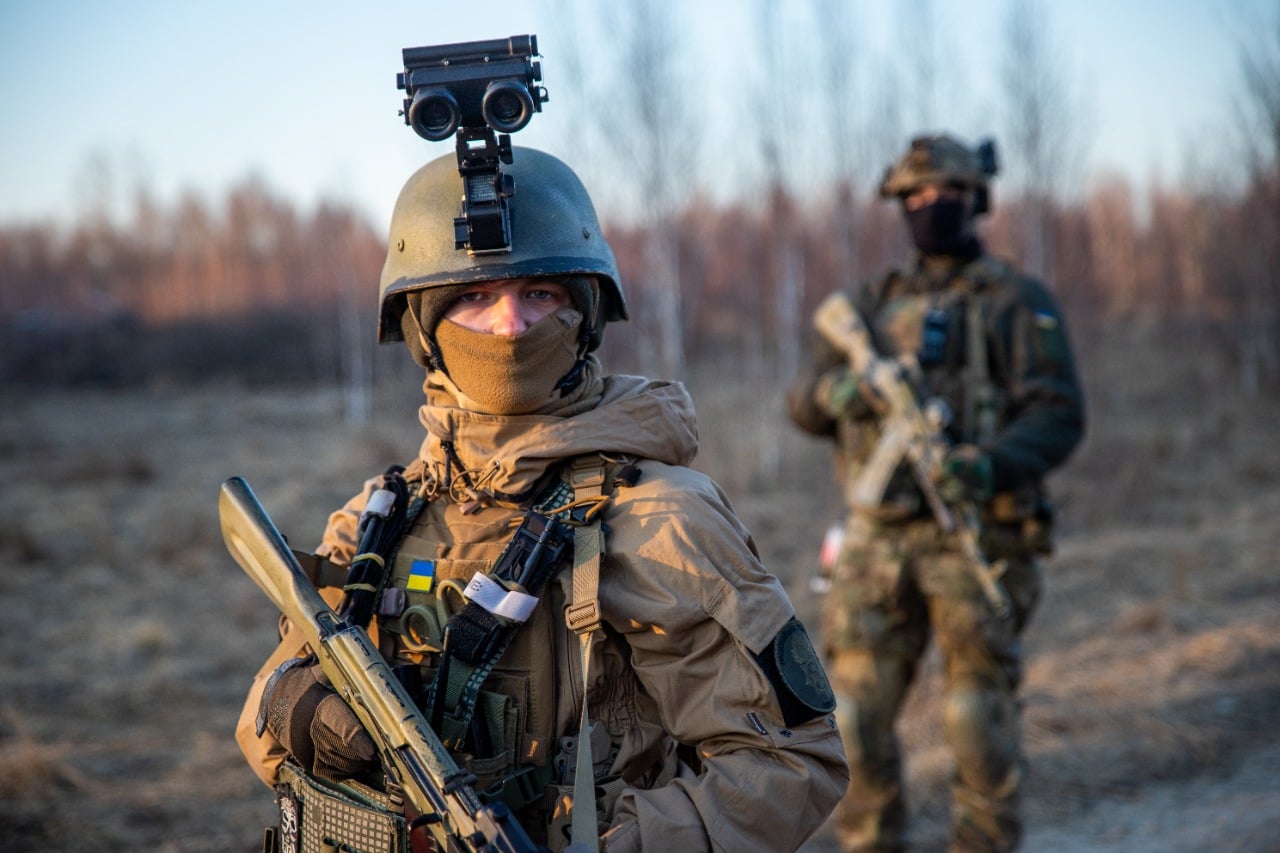
Maryna Rabinovych argues that Russia’s invasion of Ukraine reshaped EU enlargement dynamics, creating both pressure and opportunity. To sustain momentum, the EU needs a strategic vision and transparent policies. By harnessing wartime spillover effects, the EU can transform reactive measures into structured accession pathways for Ukraine and Moldova Read more
Luis Schenoni
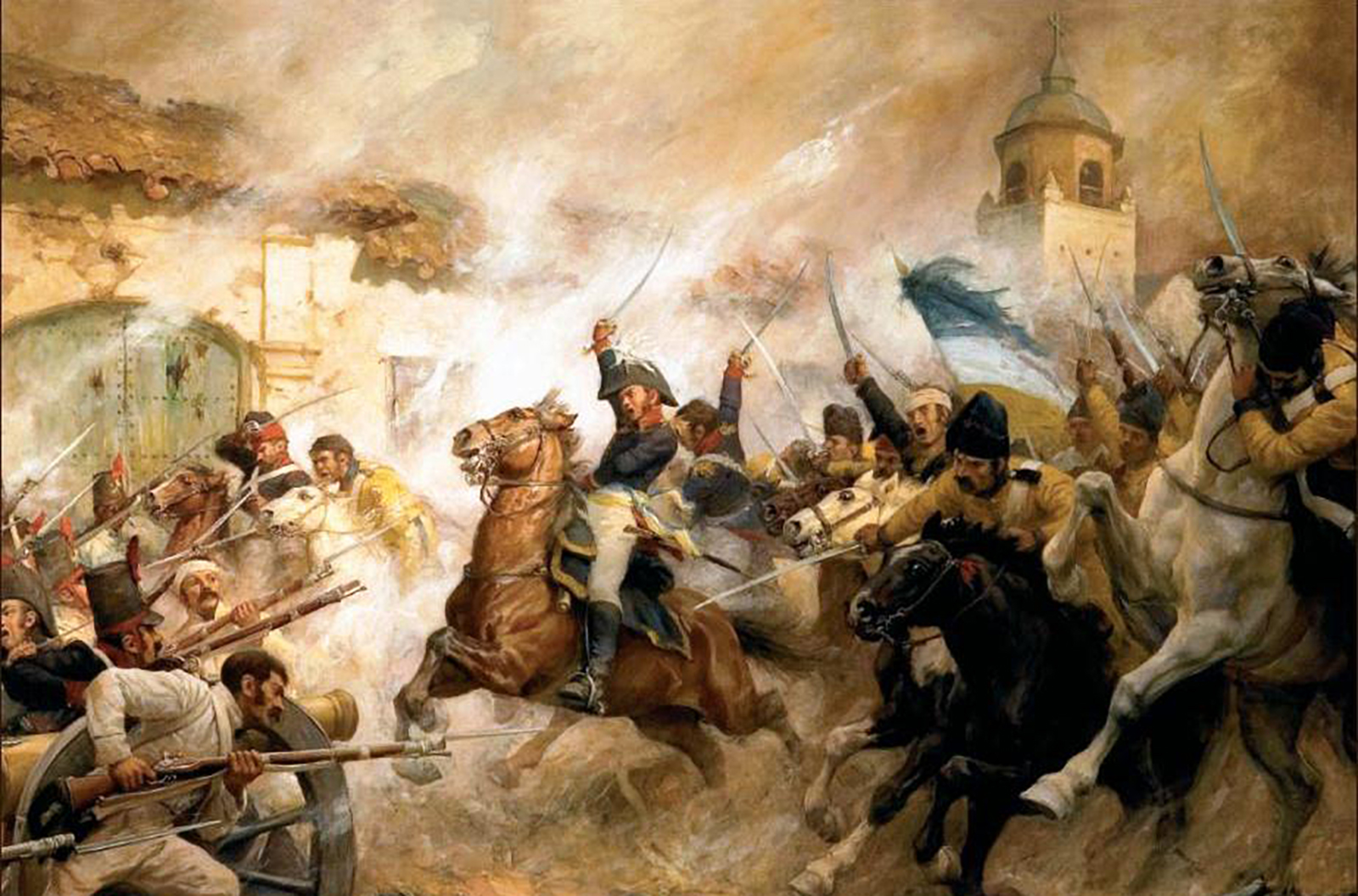
Once the Russia-Ukraine war ends, perceptions of victory and defeat will affect not only the stability of those states' political regimes but the capacity of the state in the long term, says Luis Schenoni. Using examples from nineteenth-century Latin America, he argues that the effects of war outcomes on security and the rule of law will endure for decades Read more
Eban Raymond
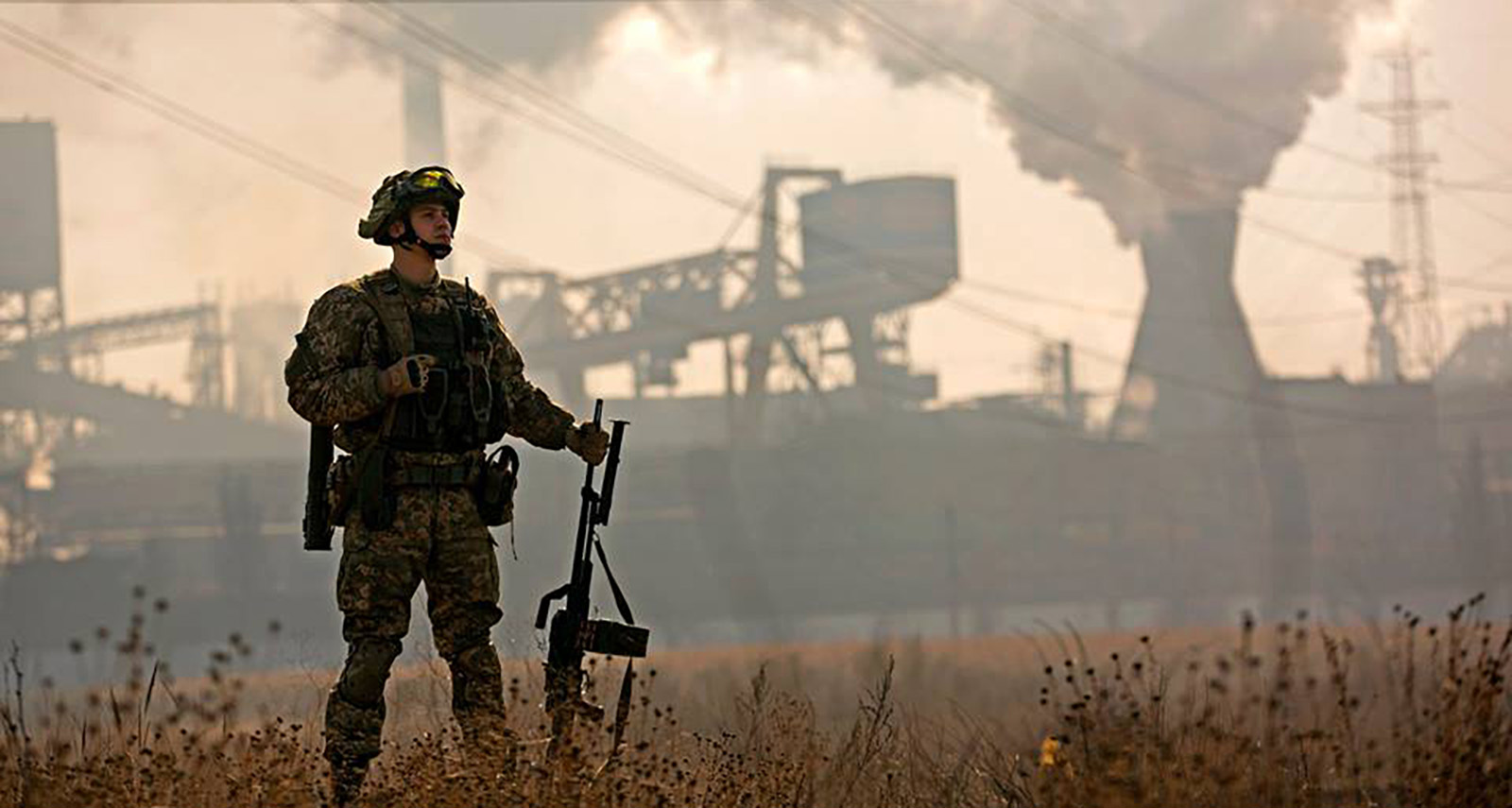
As Ukraine faces an urgent need to mobilise, focus has shifted to conscripting Ukrainian men abroad. Using population data from various sources, Eban Raymond explores the multifaceted legality of Ukraine’s repatriation initiative, and questions whether it breaches human rights and international law. Read more
We use necessary cookies to make our site work. We'd also like to set analytics cookies that help us make improvements by measuring how you use the site. These will be set only if you accept.
▼
Strictly Necessary Cookies
Necessary cookies enable core functionality such as security, network management, and accessibility. You may disable these by changing your browser settings, but this may affect how the website functions.
▼
Analytics Cookies
Google Analytics
We'd like to set Google Analytics cookies to help us improve our website by collecting and reporting information on how you use it. The cookies collect information in a way that does not directly identify anyone. For more information on how these cookies work please see our Privacy Notice.