Consuelo Thiers
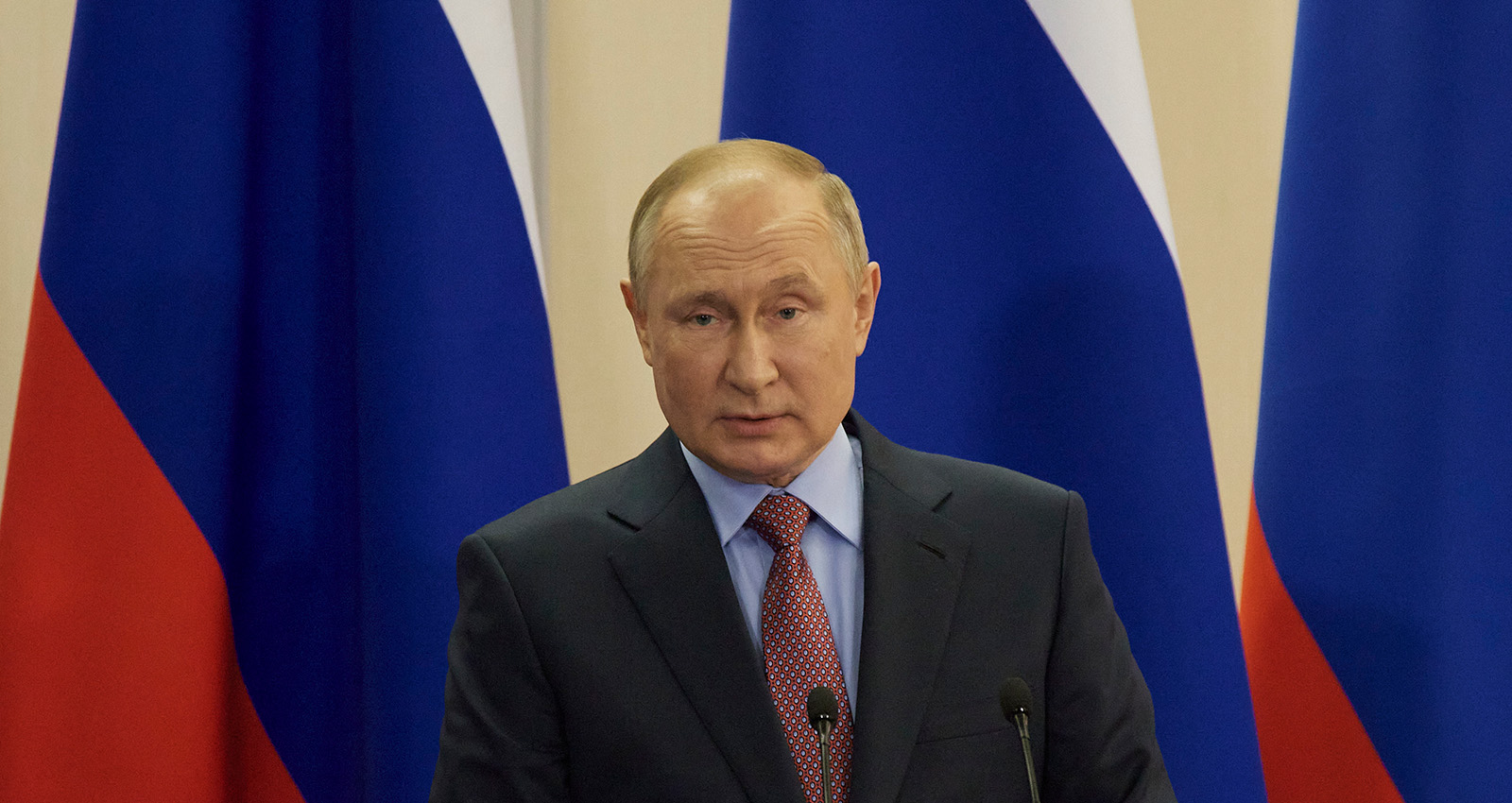
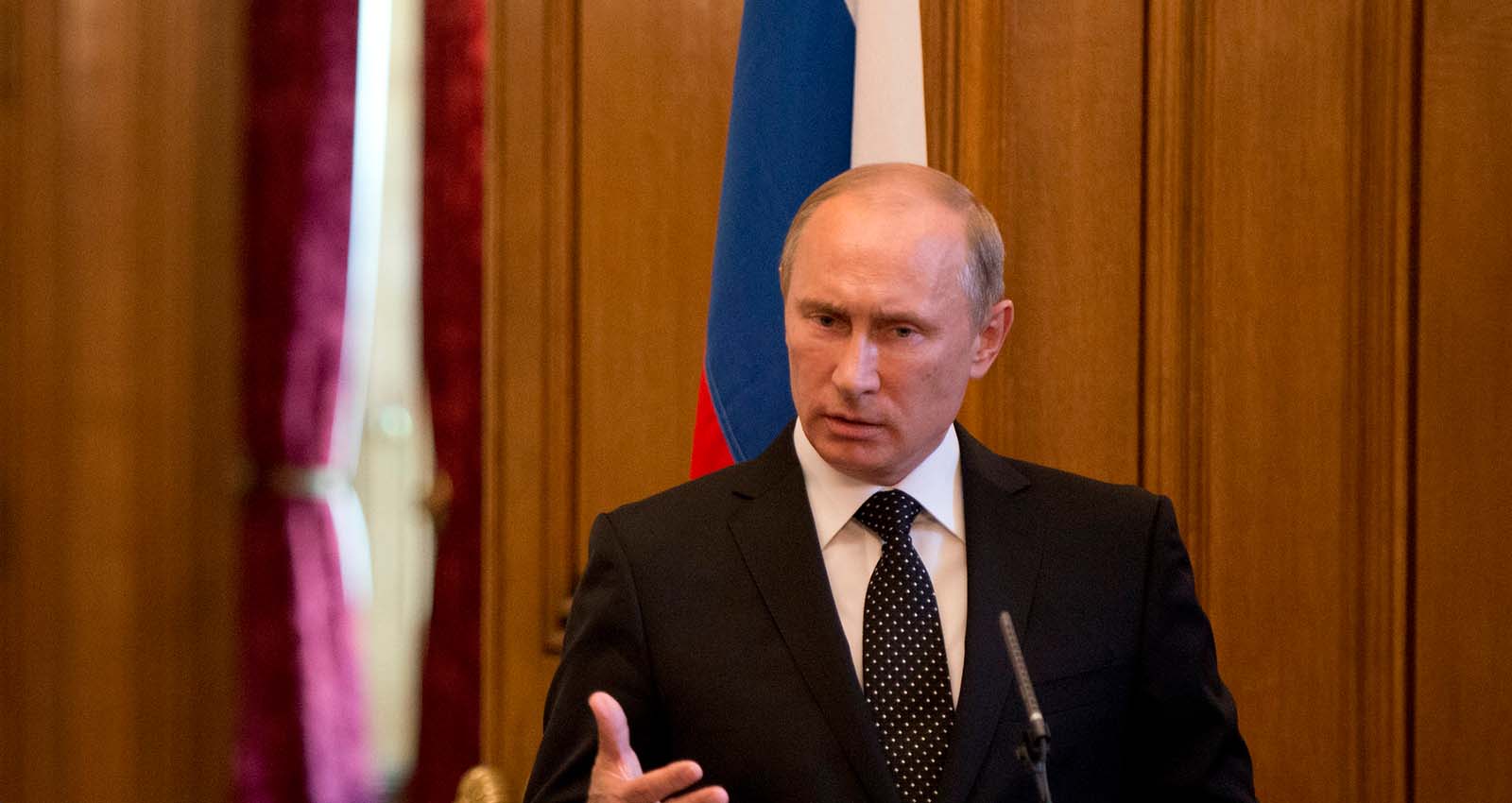
Understanding political leaders' psychology is crucial to making sense of foreign policy decision-making processes. Consuelo Thiers highlights Putin's change of beliefs as a key factor in explaining his decision to wage war against Ukraine Read more
Valentina Ausserladscheider
Germany's recently announced increase in defence spending reflects a broader European shift in response to the war in Ukraine. Using the concept of path dependency, Valentina Ausserladscheider believes that this shift breaks with the founding idea of peace in the European Union Read more
Jan Kofroň
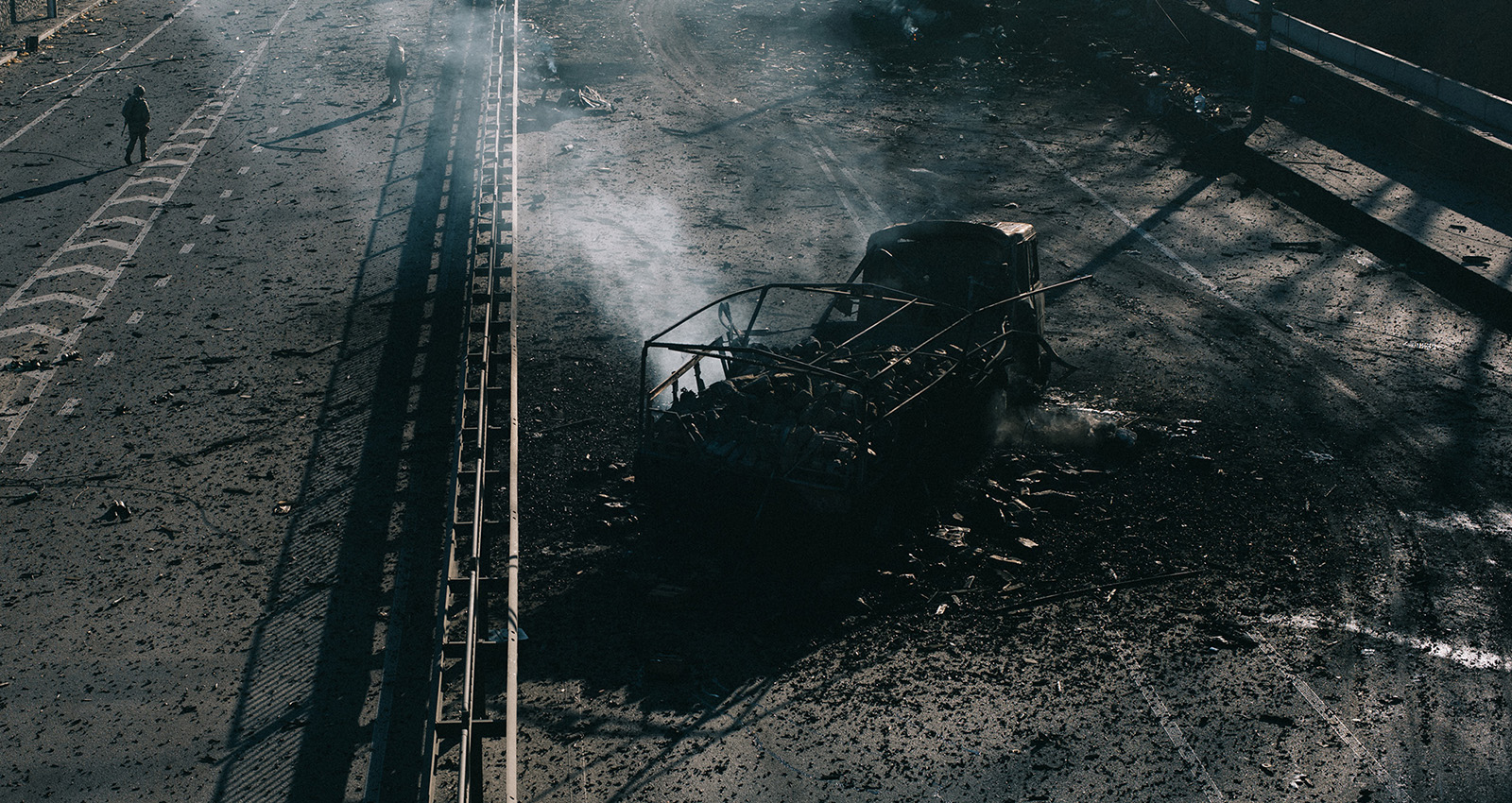
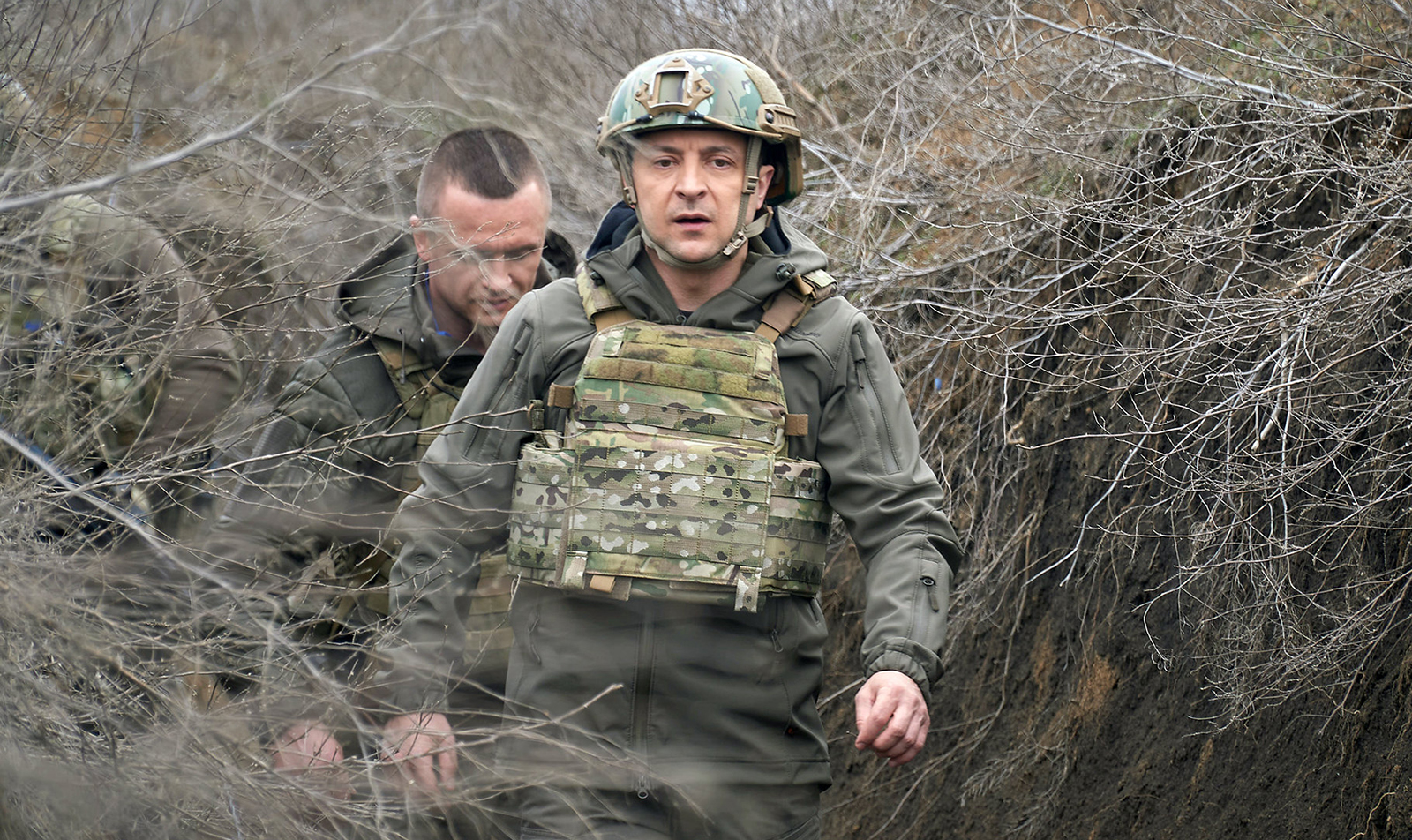
When Russia invaded Ukraine four weeks ago, many expected a quick Russian victory. And yet Ukrainians are fighting hard, making Russian advances costly to the invaders. Jan Kofroň and Jakub Stauber argue that the slow Russian progress is unsurprising. Quick victories are rare in modern warfare. Read more
Grant Dawson
Grant Dawson and Nicholas Ross Smith argue that the West’s sweeping sanctions, isolation of Russia and passive-aggressive military support for Ukraine is fundamentally misguided. The problem with the US-led response is that it ignores – in fact, exacerbates – the deep-rooted ontological security concerns behind Russian President Vladimir Putin’s invasion Read more
Paul Whiteley
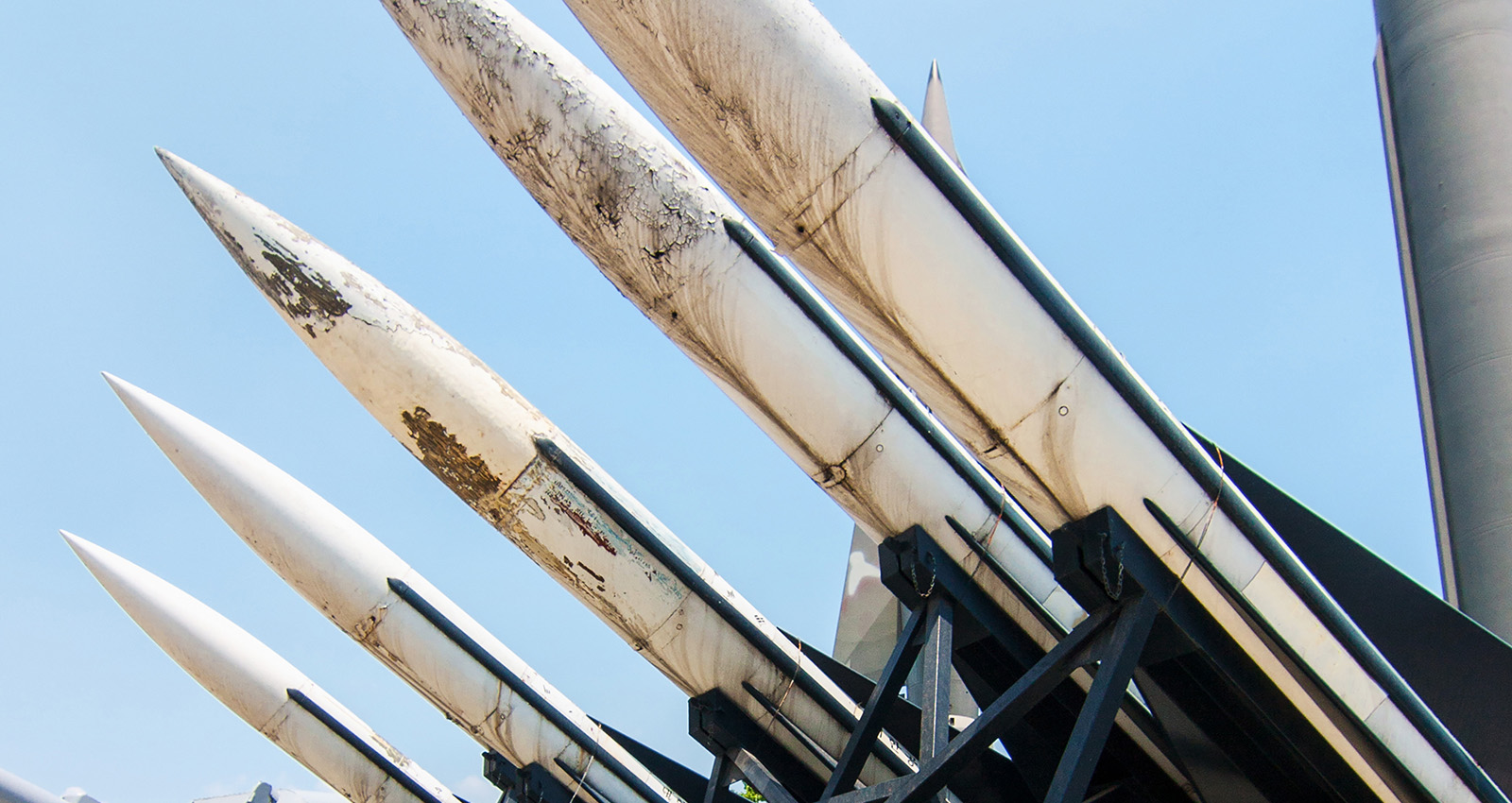
Putin is staking everything on his conviction that the west won’t press the nuclear button, says Paul Whiteley. Sanctions will have little short-term impact, and a no-fly zone is of limited use when the major threat comes from ground-based artillery. Is it time for NATO to change tack, and go ‘all in’ against the dictator? Read more
Ian Budge
The climate catastrophe has been forgotten, Ian Budge argues, as NATO extends itself up to the Russian border. Stopping Russia destroying its natural environment should be the real imperative for the West. Recognising this would soften both sides’ aggressive reactions and ease the way to an equable settlement over Ukraine. Read more
Albrecht Rothacher
Albrecht Rothacher argues that Putin’s power play over Ukraine, while being driven by the West’s current weakness, serves neither Russia or the West. The two sides should, instead, lower tensions and address together several long-standing issues at the heart of current international instability Read more
Mahmoud Javadi
Relations between Iran and Europe are in a pretty poor state. But Mahmoud Javadi argues that there are avenues for improvement through identification of 'shared interests' – and the EU can, and should, play its part Read more
We use necessary cookies to make our site work. We'd also like to set analytics cookies that help us make improvements by measuring how you use the site. These will be set only if you accept.
▼
Strictly Necessary Cookies
Necessary cookies enable core functionality such as security, network management, and accessibility. You may disable these by changing your browser settings, but this may affect how the website functions.
▼
Analytics Cookies
Google Analytics
We'd like to set Google Analytics cookies to help us improve our website by collecting and reporting information on how you use it. The cookies collect information in a way that does not directly identify anyone. For more information on how these cookies work please see our Privacy Notice.