Paul Whiteley
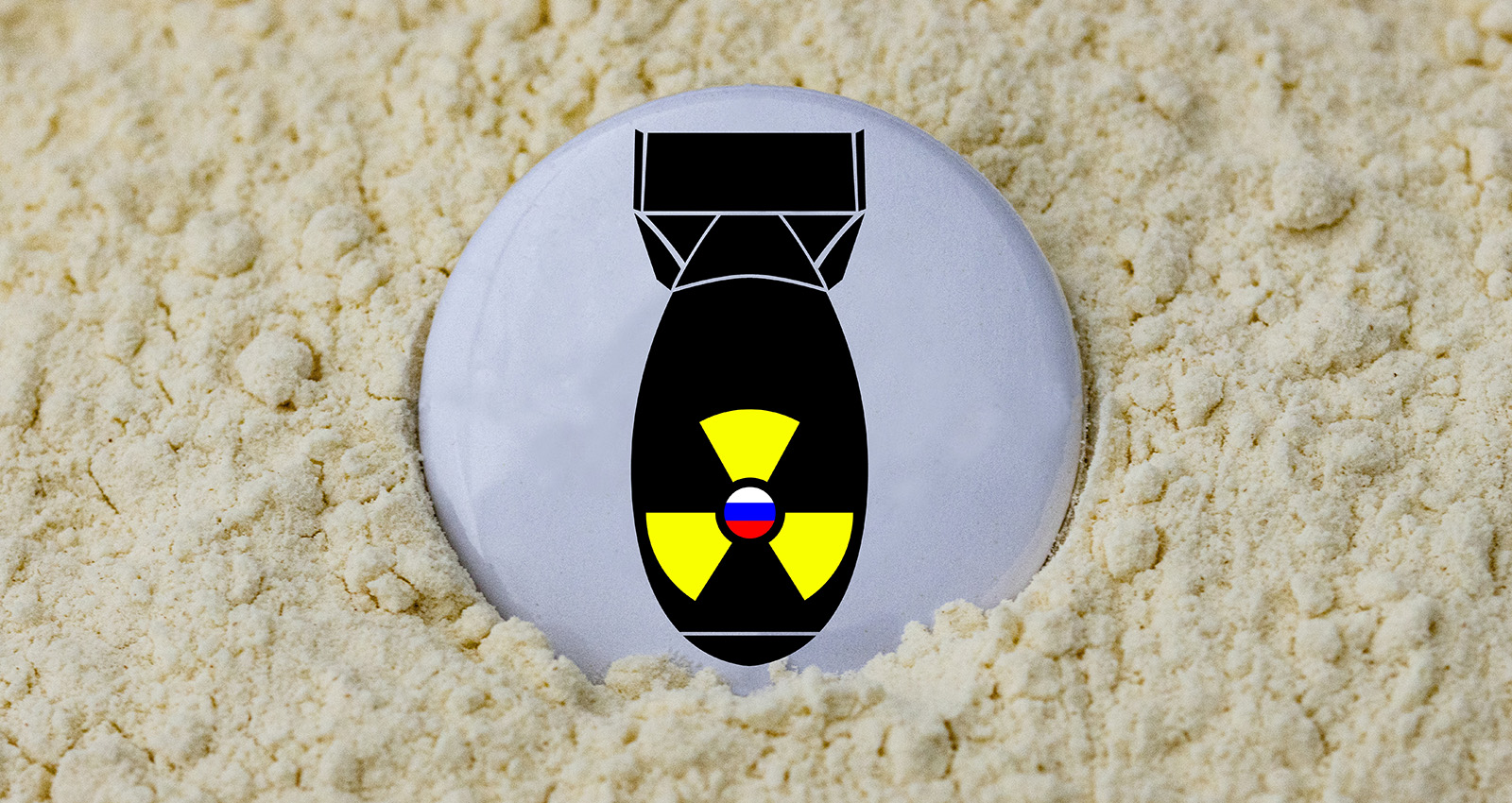
Paul Whiteley, assessing Russia's difficulties and Putin's potential next steps in the offensive against Ukraine, wonders whether it is time for NATO to issue a nuclear guarantee to Ukraine in order to prevent a further escalation of the conflict Read more
Bernhard Reinsberg
The International Monetary Fund (IMF) is not only a ‘lender of last resort’ but also a security actor. New data and analysis from Bernhard Reinsberg and Daniel Shaw at the University of Glasgow shows that IMF interventions often have a negative effect on human security Read more
Simon Schunz
Russia’s invasion of Ukraine challenges the EU’s flagship ‘Green Deal’ project. Current measures to cope with rising energy prices and the risk of power cuts run counter to the Deal’s transformational logic. Simon Schunz argues that an alternative solution lies in understanding this crisis as a catalyst for Europe’s socio-ecological transition Read more
Veronica Anghel
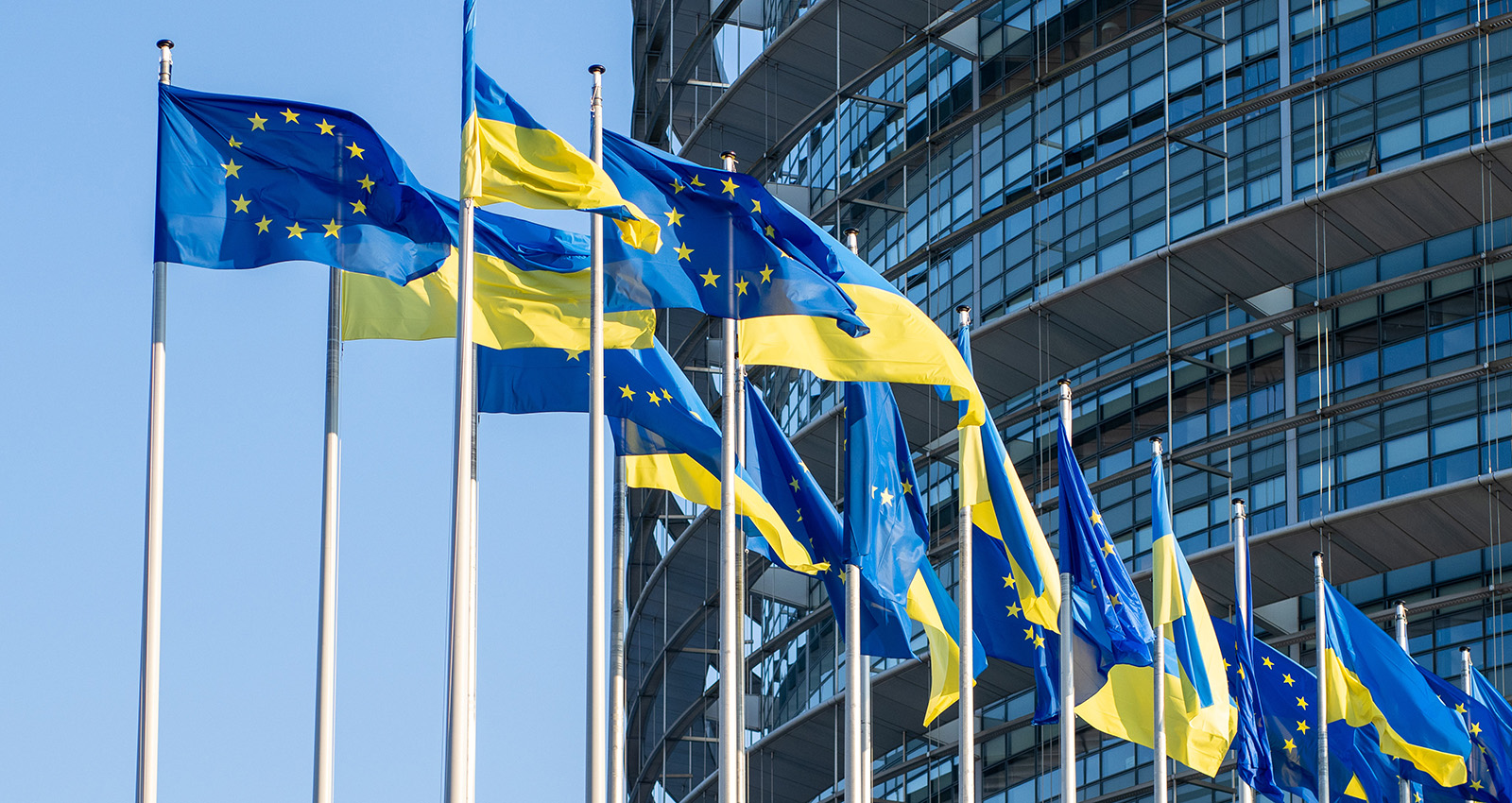
The credibility of EU membership for Ukraine and Moldova depends on how flexible member states are with the criteria for entry and the notion of full membership. Veronica Anghel and Erik Jones, drawing on analysis of previous enlargements, show that the flexibility can be considerable Read more
Christian Oswald
Regularly updated data sources with global coverage are essential for (near) real-time forecasting. Christian Oswald and Daniel Ohrenhofer introduce Wikipedia as a new data source for conflict forecasting due to its ability to capture the salience and controversy of a topic Read more
Aydin Salimli
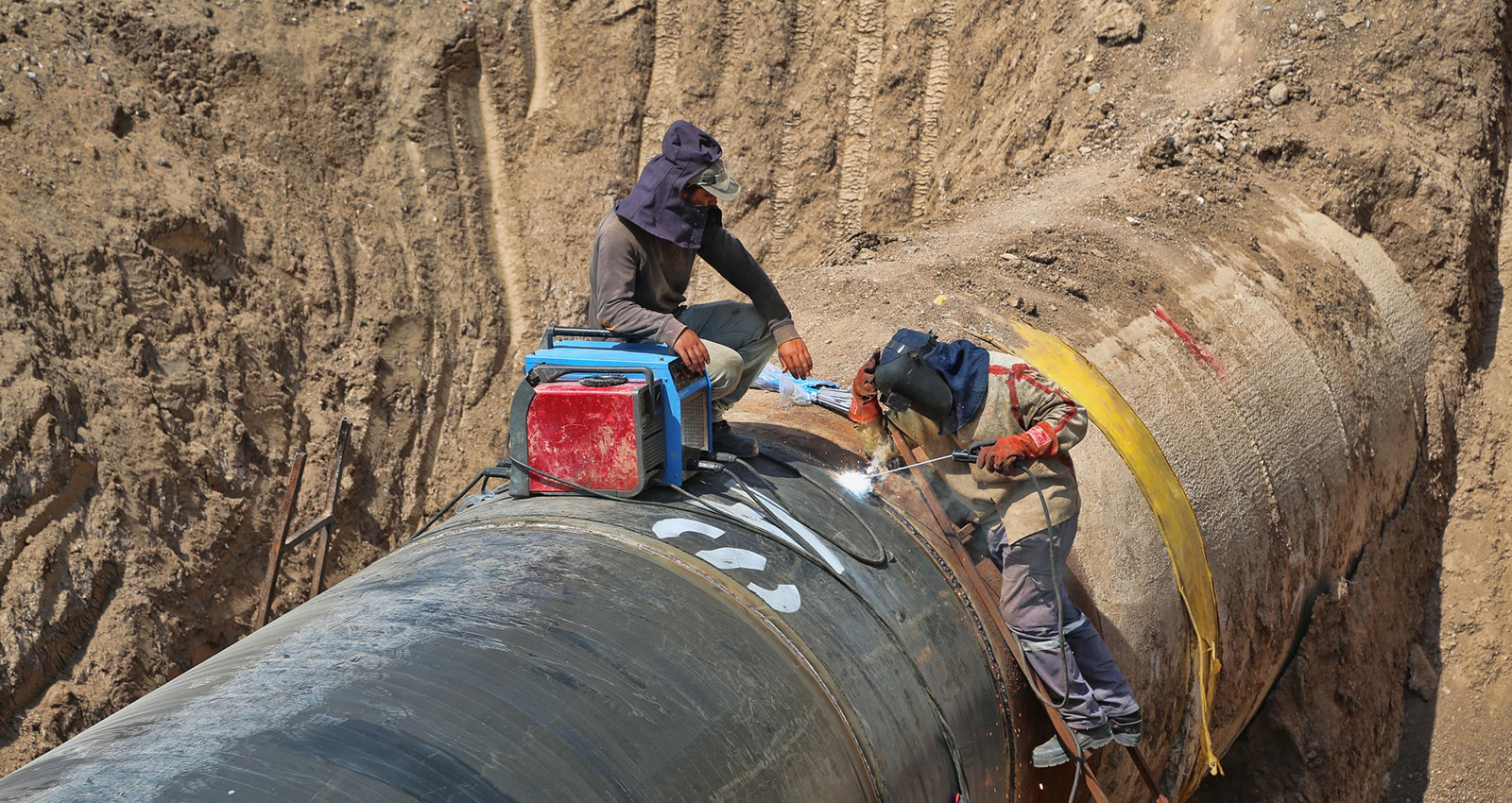
The international ramifications of the Russia-Ukraine war present tough choices for Russia, according to Aydin Salimli. These include NATO’s expansion, Central Asia's search for new transit routes to sell their gas and oil, and the growing role in the region of both Turkey and the United States Read more
Alexandr Burilkov
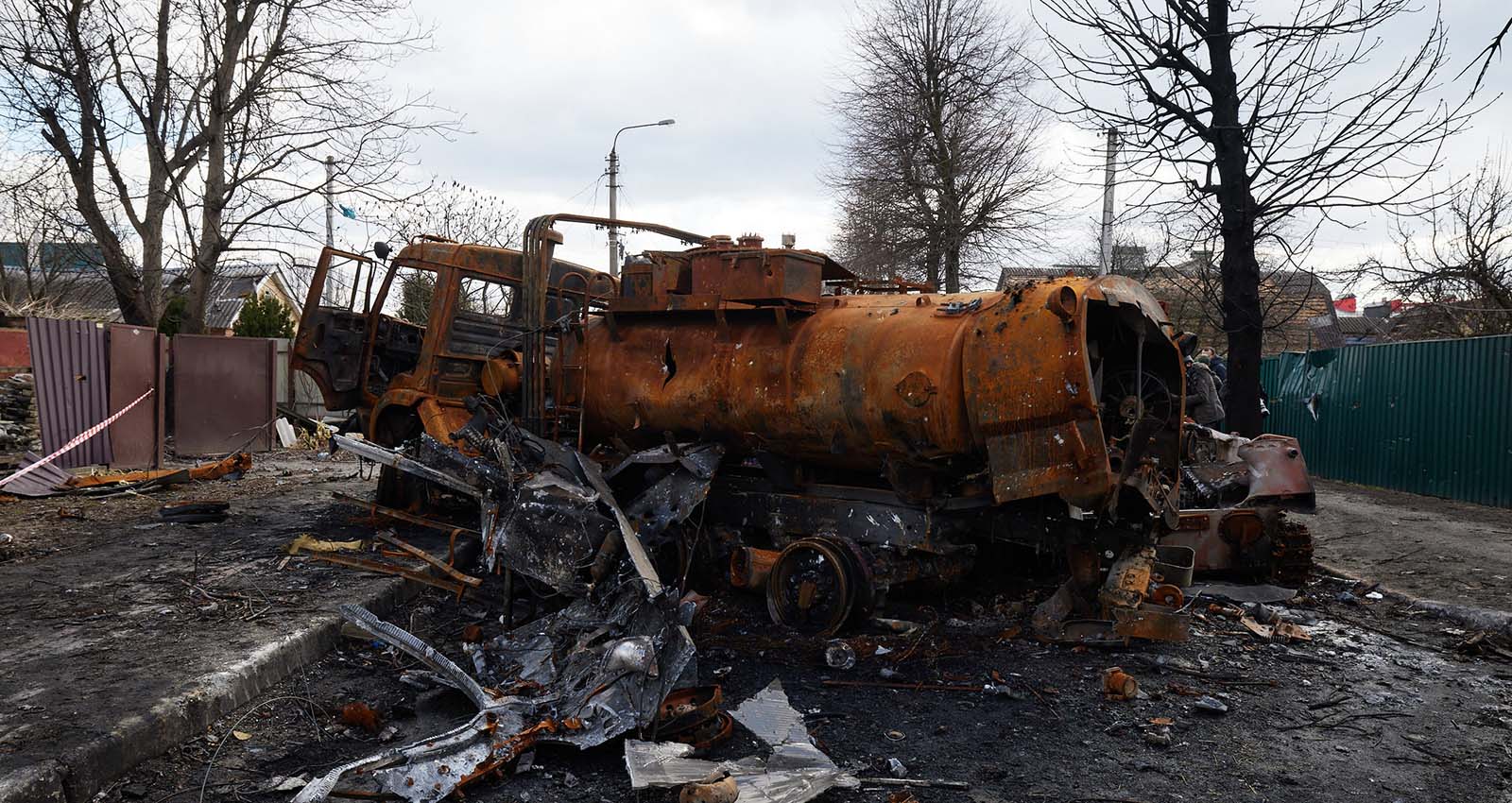
With the Russian invasion of Ukraine reduced to a protracted battle for the Donbas, discontent grows in Russian military and ultranationalist circles. This could lead to the formation of paramilitary groups aiming for a Russia of the revolutionary right, says Alexandr Burilkov Read more
Ian Budge
The Russian invasion of Ukraine has reduced media coverage of the political violence and turmoil elsewhere in the world caused by climate change, as well as causing a retreat on climate change policy targets by richer democracies. Ian Budge highlights what needs to be done and how Read more
We use necessary cookies to make our site work. We'd also like to set analytics cookies that help us make improvements by measuring how you use the site. These will be set only if you accept.
▼
Strictly Necessary Cookies
Necessary cookies enable core functionality such as security, network management, and accessibility. You may disable these by changing your browser settings, but this may affect how the website functions.
▼
Analytics Cookies
Google Analytics
We'd like to set Google Analytics cookies to help us improve our website by collecting and reporting information on how you use it. The cookies collect information in a way that does not directly identify anyone. For more information on how these cookies work please see our Privacy Notice.