Xuechen Chen
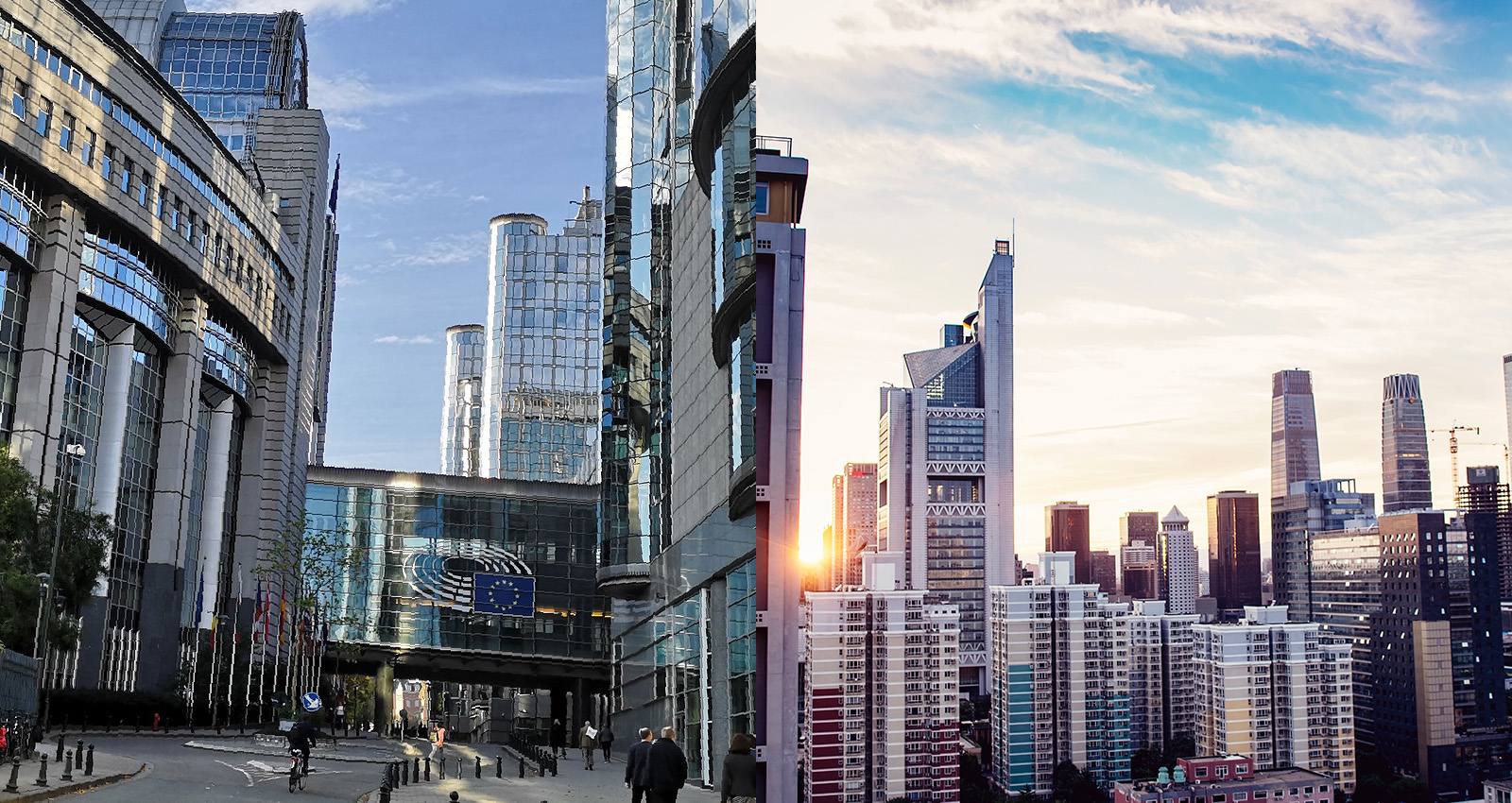
Xuechen Chen and Xinchuchu Gao contend that the bilateral relationship between the EU and China must be examined in a broader context. Specifically, that of the EU's increasingly proactive strategy towards the wider Asian region Read more
Valentina Ausserladscheider
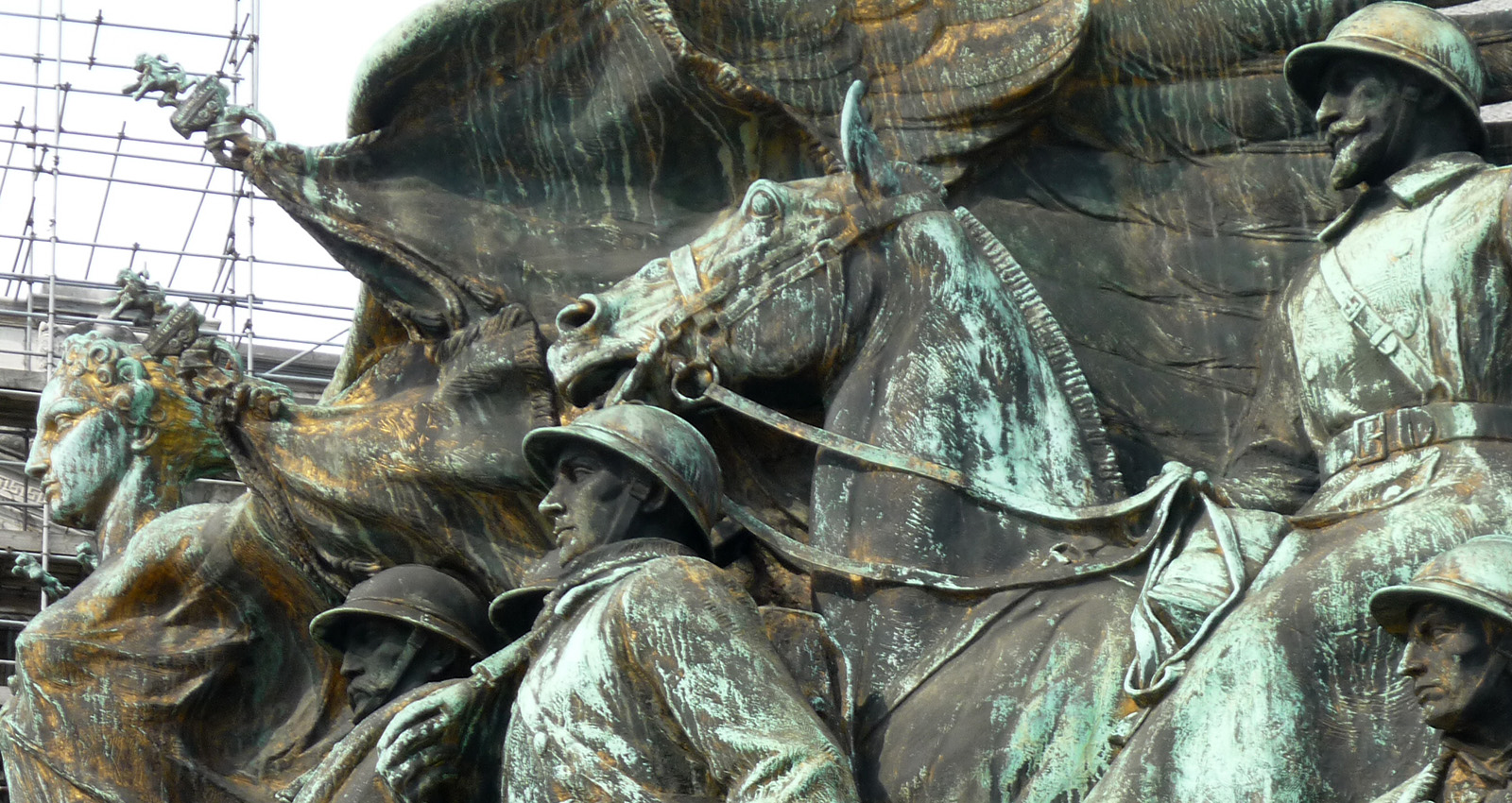
Germany's recently announced increase in defence spending reflects a broader European shift in response to the war in Ukraine. Using the concept of path dependency, Valentina Ausserladscheider believes that this shift breaks with the founding idea of peace in the European Union Read more
Louise Olsson
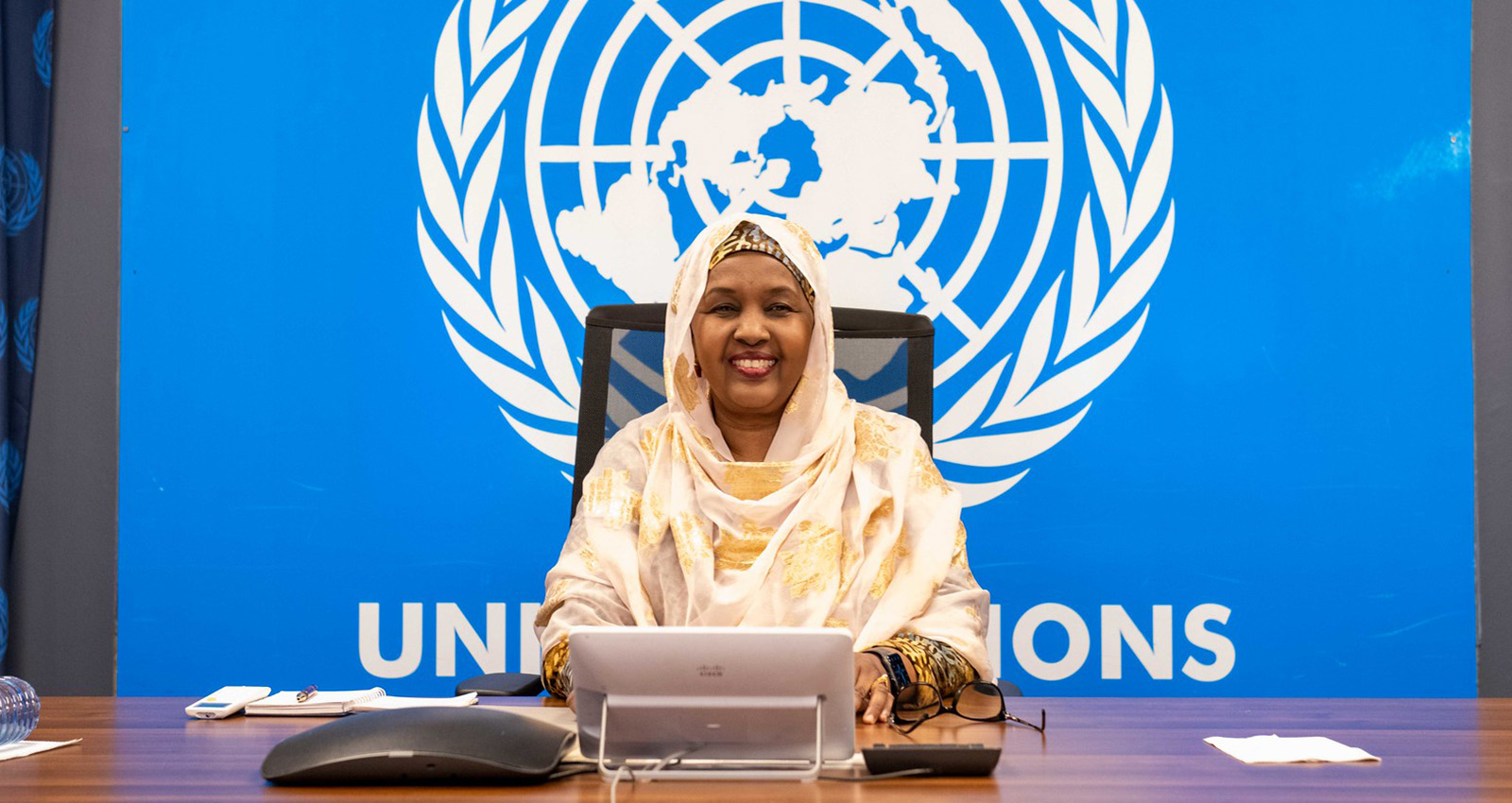
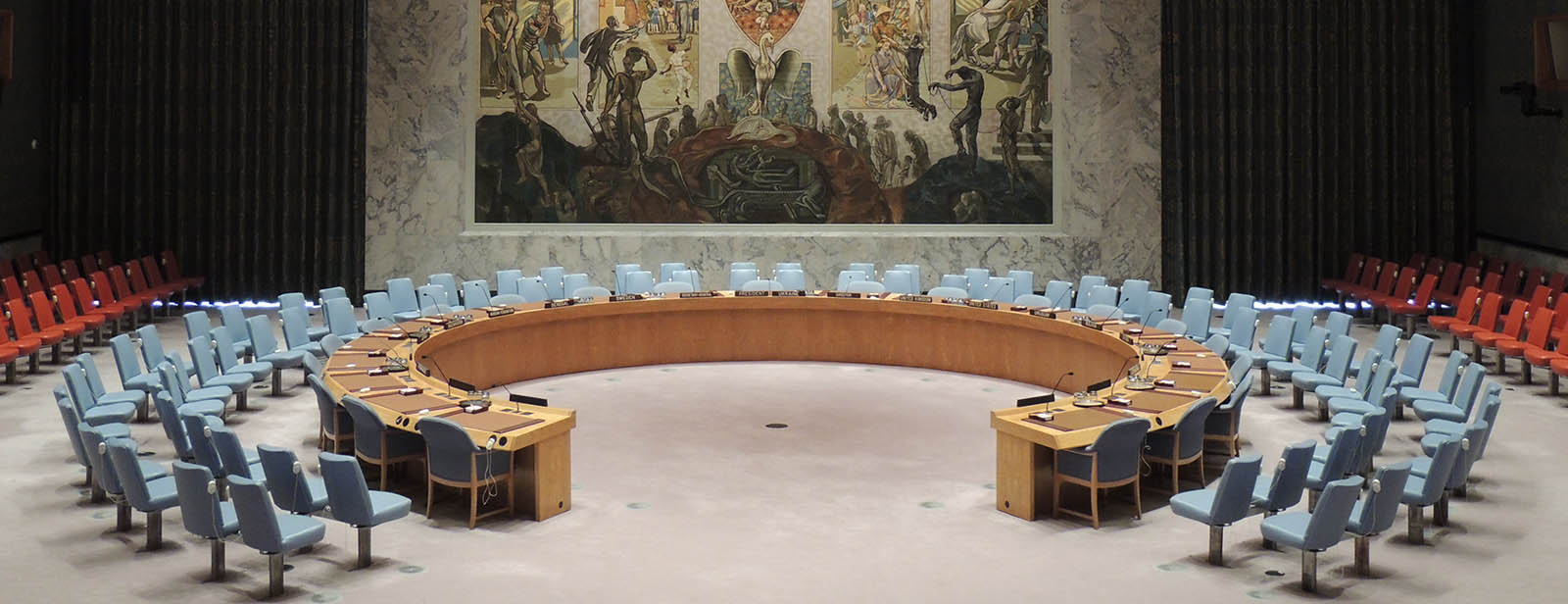
Inviting more women to brief the United Nations Security Council helps include them in decision-making on international peace and security. But despite progress, observe Louise Olsson and Anna Marie Obermeier, challenges remain. The Council must integrate recommendations from women's voices into decision-making Read more
Joyce Wu
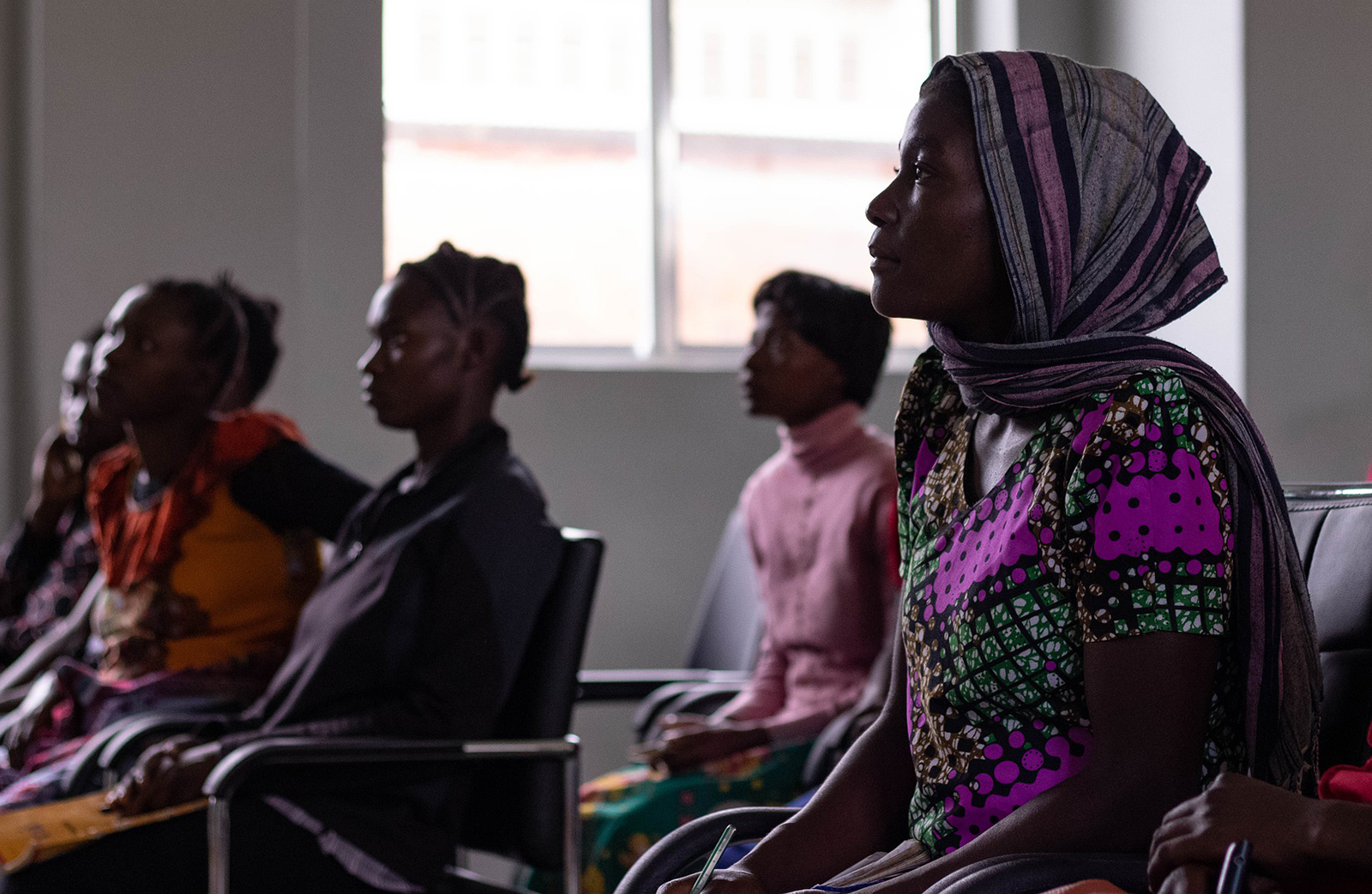
Addressing gender inequality is a critical aspect of international development. So why has progress been so slow? Joyce Wu considers the roadblocks on the path of gender and development. Here, she focuses on institutional resistance, and suggests how to break it down Read more
Lyndsay Hayhurst
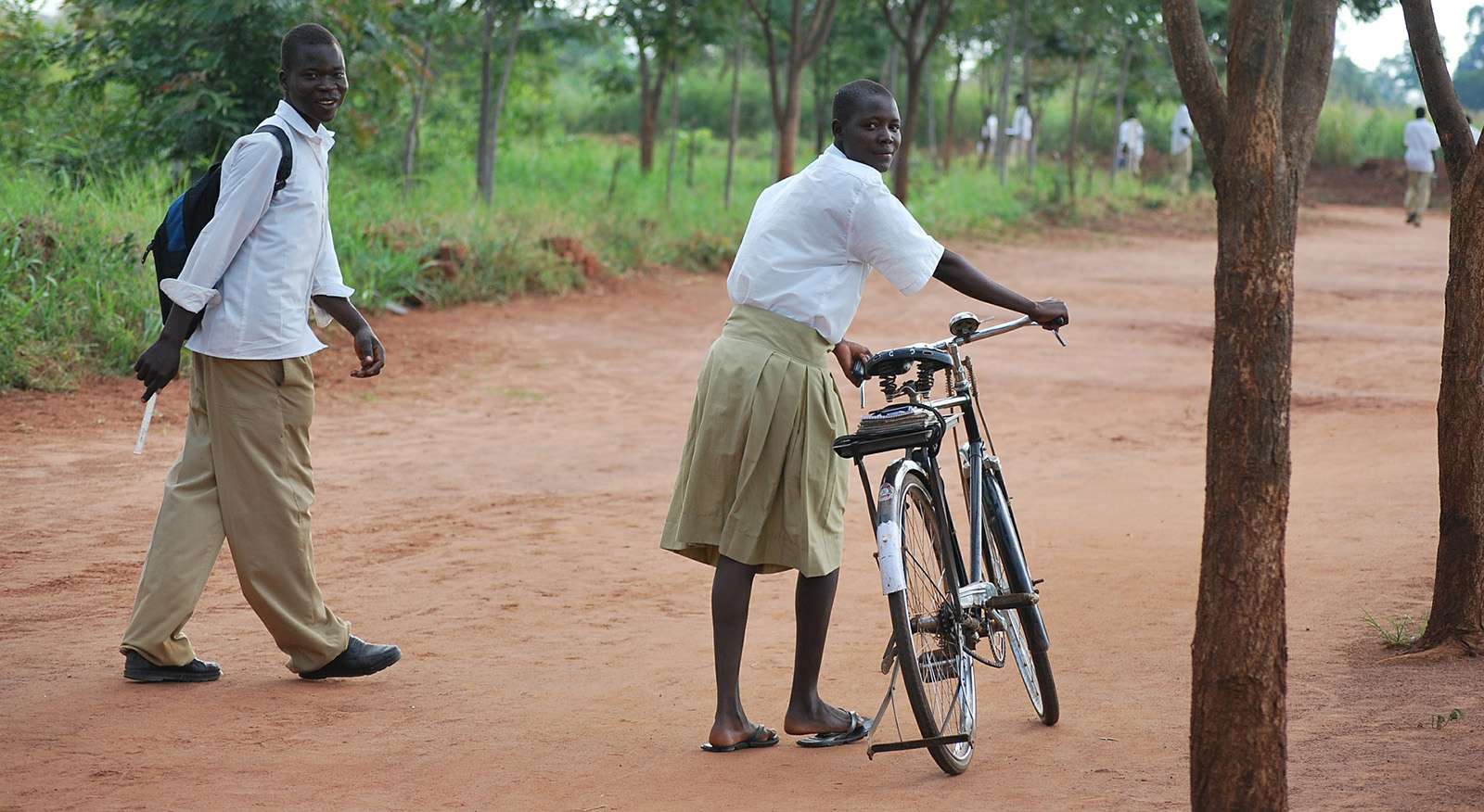
Women and girls’ increased access to bicycles can support sustainable development, says the UN. Yet, write Lyndsay Hayhurst and Mitchell McSweeney, the bicycle may also exacerbate gender inequality Read more
Trym Nohr Fjørtoft
Have we had enough of experts? Covid-19 revealed how expertise doesn't necessarily translate into public acceptance of the right to make decisions in the public interest. Trym Nohr Fjørtoft and Asimina Michailidou explore the conditions under which expert agencies secure public legitimacy. Their conclusion? It's about striking the right balance Read more
Mădălin-Cătălin Blidaru
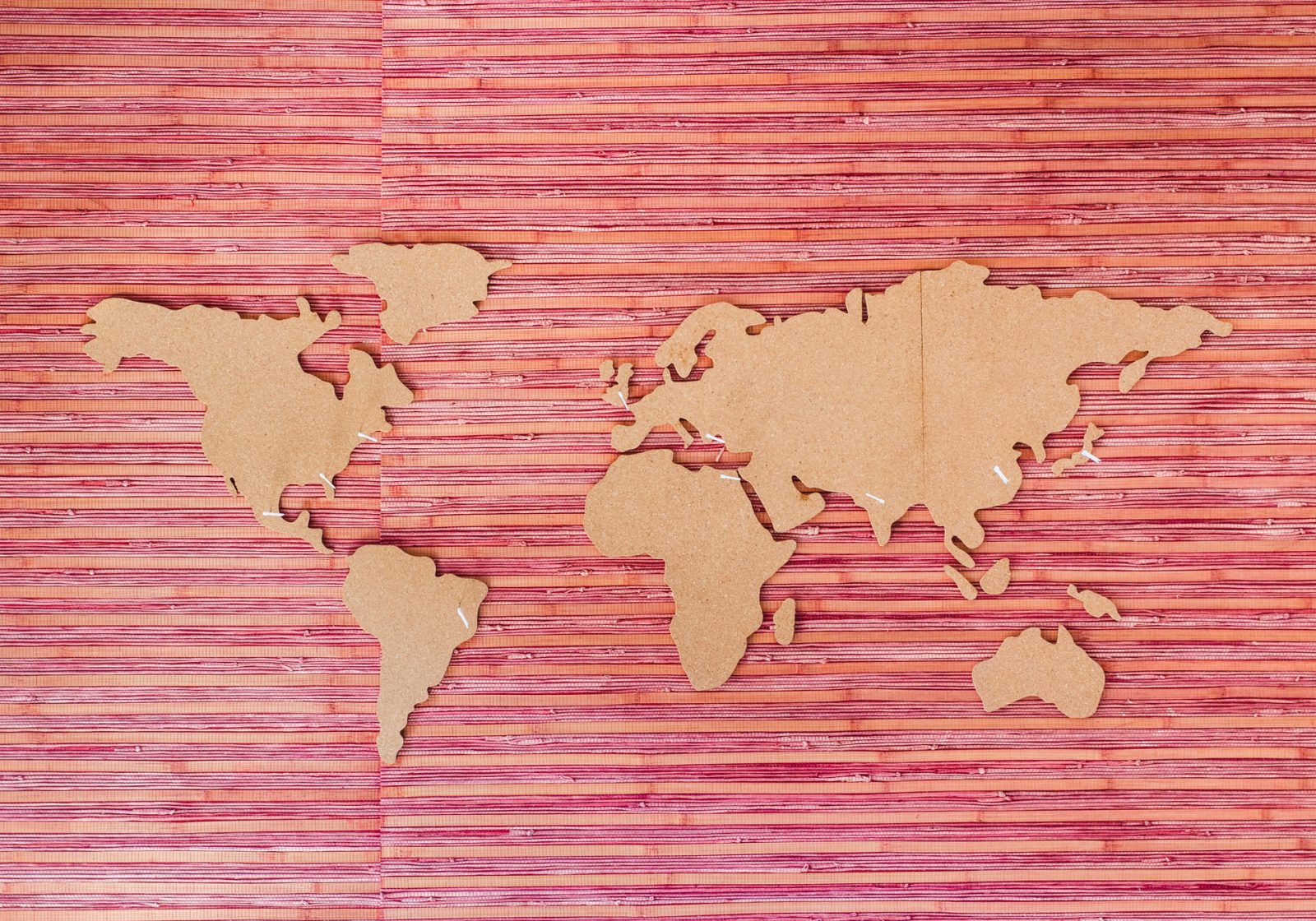
The regional dimension of international relations is more significant today than ever before, argues Mădălin-Cătălin Blidaru. In the current crisis, regional cooperation and institutionalised regional organisations are delivering important solutions. The network of external relations being developed by regional organisations takes us beyond a state-centred world Read more
Marieke Louis
'We don’t do politics!' is a common refrain from international bureaucrats, governmental delegates and civil society representatives engaged in multilateral negotiations. Marieke Louis and Lucile Maertens take these apolitical claims seriously. In doing so, they unveil the politics of depoliticisation in international organisations Read more
We use necessary cookies to make our site work. We'd also like to set analytics cookies that help us make improvements by measuring how you use the site. These will be set only if you accept.
▼
Strictly Necessary Cookies
Necessary cookies enable core functionality such as security, network management, and accessibility. You may disable these by changing your browser settings, but this may affect how the website functions.
▼
Analytics Cookies
Google Analytics
We'd like to set Google Analytics cookies to help us improve our website by collecting and reporting information on how you use it. The cookies collect information in a way that does not directly identify anyone. For more information on how these cookies work please see our Privacy Notice.