Veronica Anghel
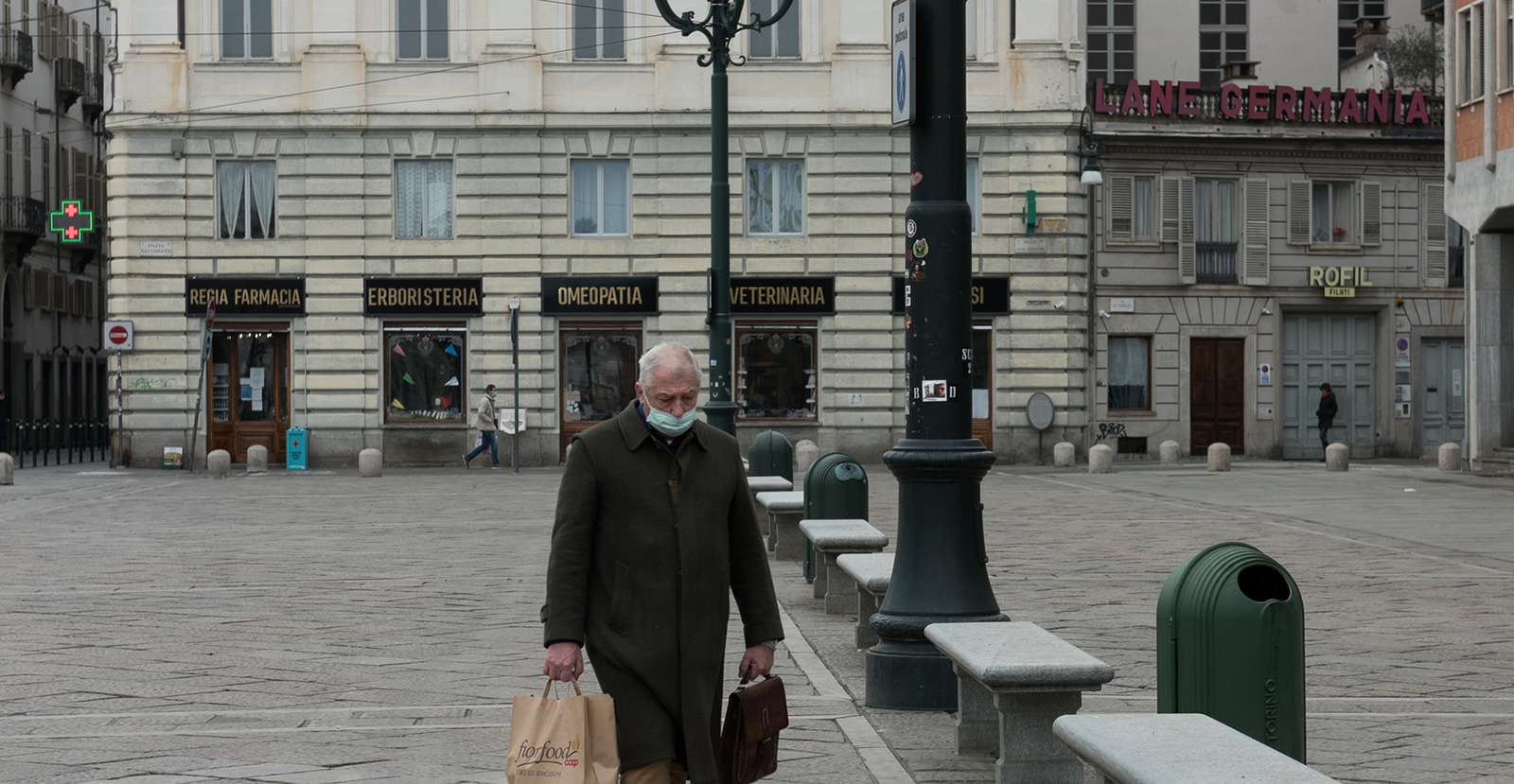
It is three years since the World Health Organisation declared Covid-19 a pandemic, on 11 March 2020. Veronica Anghel conducts a retrospective analysis of the impact of the health crisis, from all social scientific perspectives. Did political science rise to the challenge? Read more
Danielle Pullan
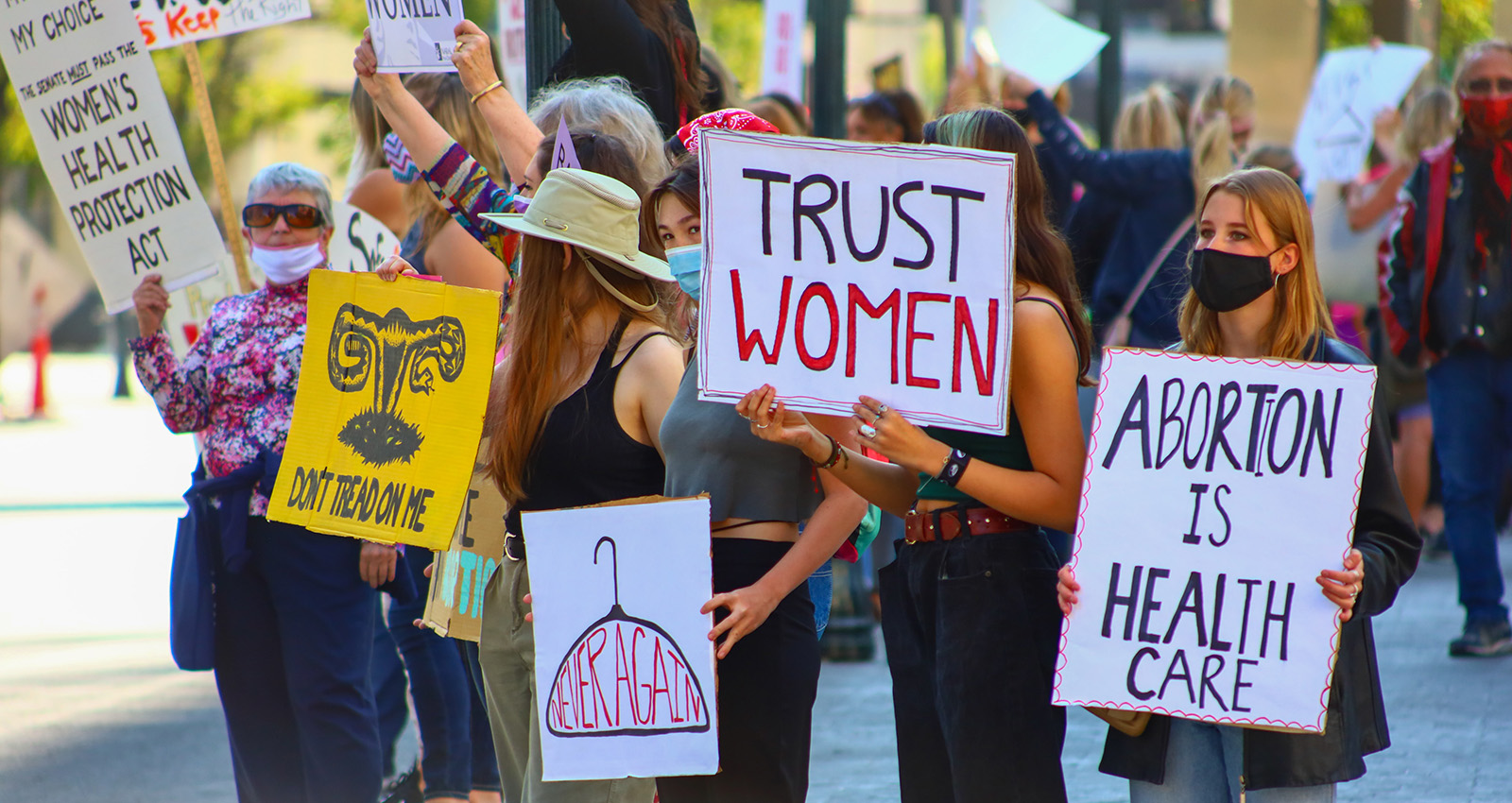
SCOTUS recently overturned the federal right to abortion, leaving many open questions about the future of abortion policy, both in the US and around the globe. Danielle Pullan compares the new post-Roe abortion policy landscape in the US to the current state of abortion governance in Europe, highlighting its similarity to the EU’s approach Read more
Stefano Braghiroli
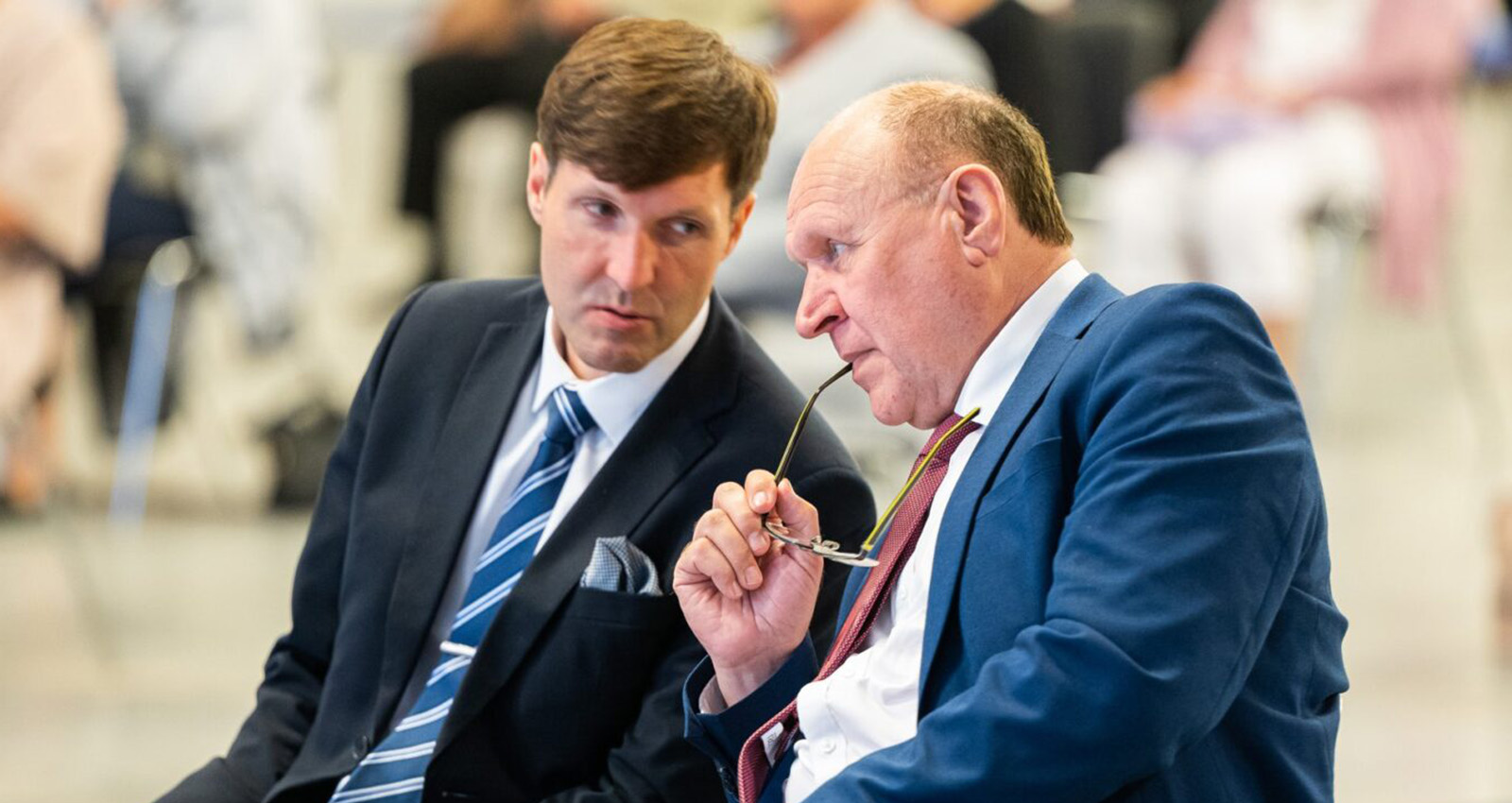
Stefano Braghiroli and Andrey Makarychev chart a change in the Estonian National Conservative Party (EKRE). Lately, it has appealed for the first time to Russian-speaking minorities – an attempt at a similar process to the League’s transformation into a national party in Italy. Unlike the Lega, though, they face the obstacle of the Russian invasion of Ukraine Read more
Ben Seyd
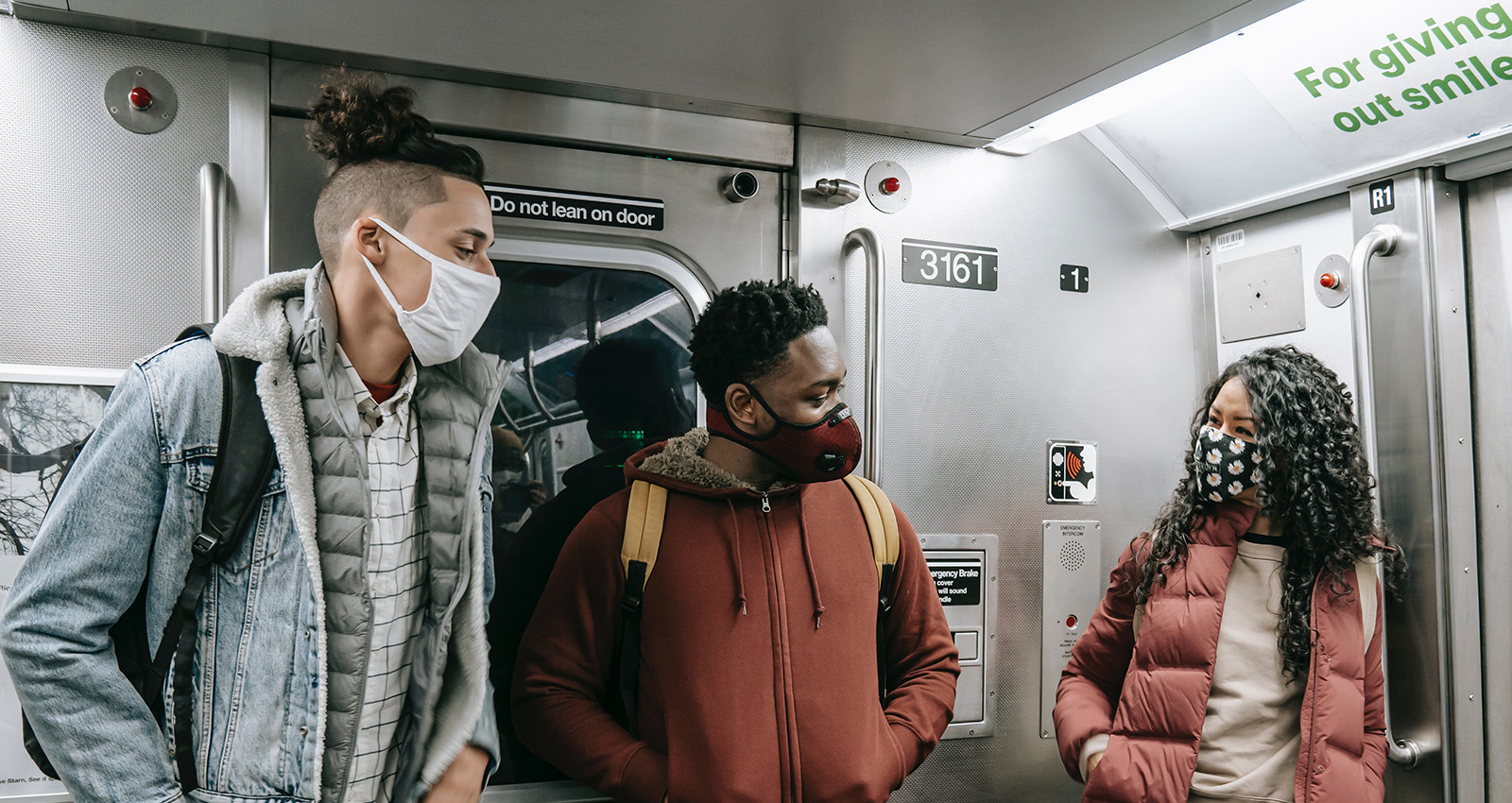
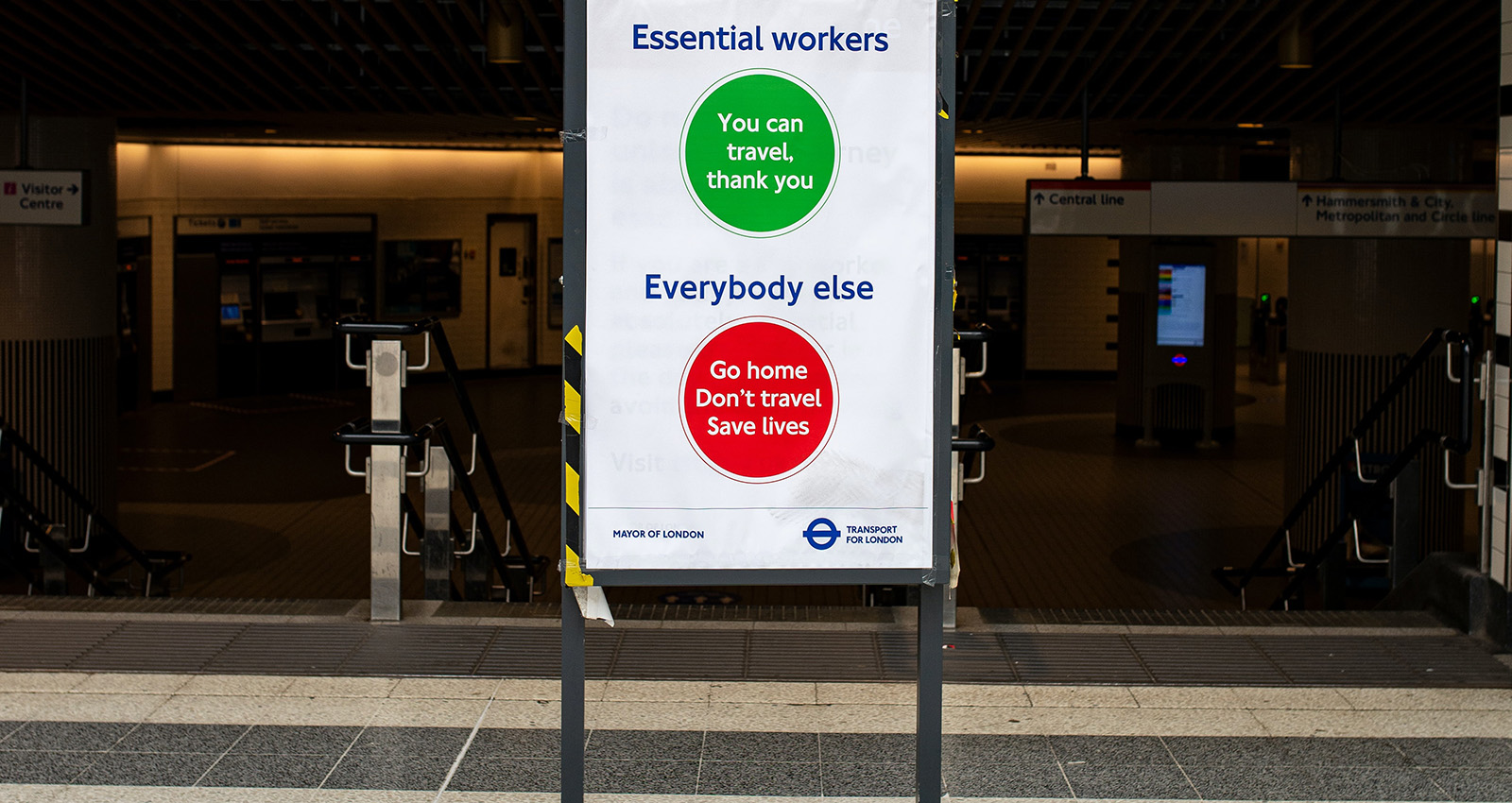
Can policymakers expect people to comply with official health restrictions out of fear rather than because they trust the government? Ben Seyd suggests the answer is no. Governments still need trust to motivate citizens to comply with important collective rules. Read more
Rongxin Li
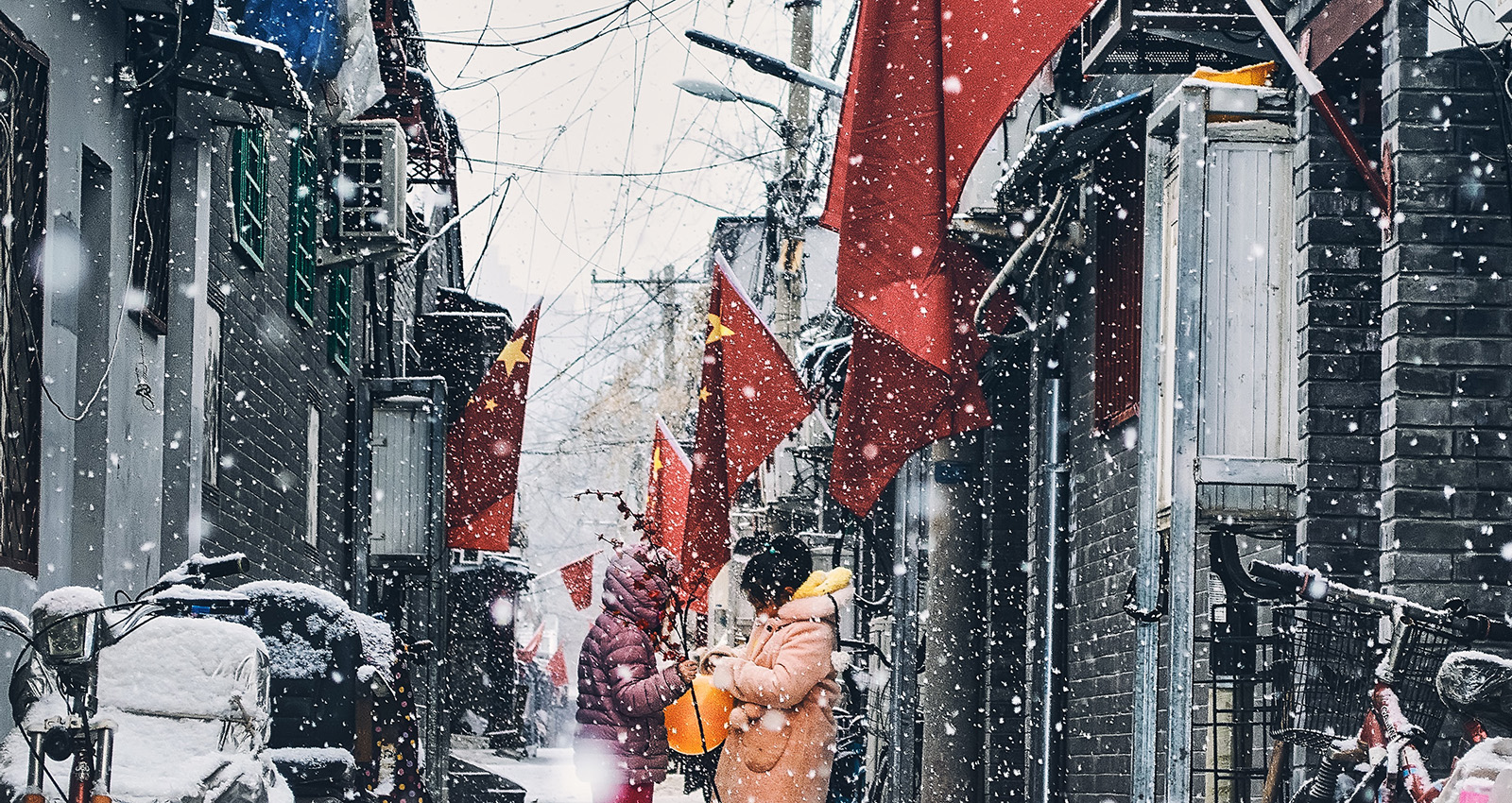
Unlike Western nations, China is reintroducing restrictions to counter the latest wave of Covid-19. Rongxin Li explains China's pandemic policy and its apparent acceptance by the Chinese people in the context of authoritarian resilience Read more
Orlaith Rice
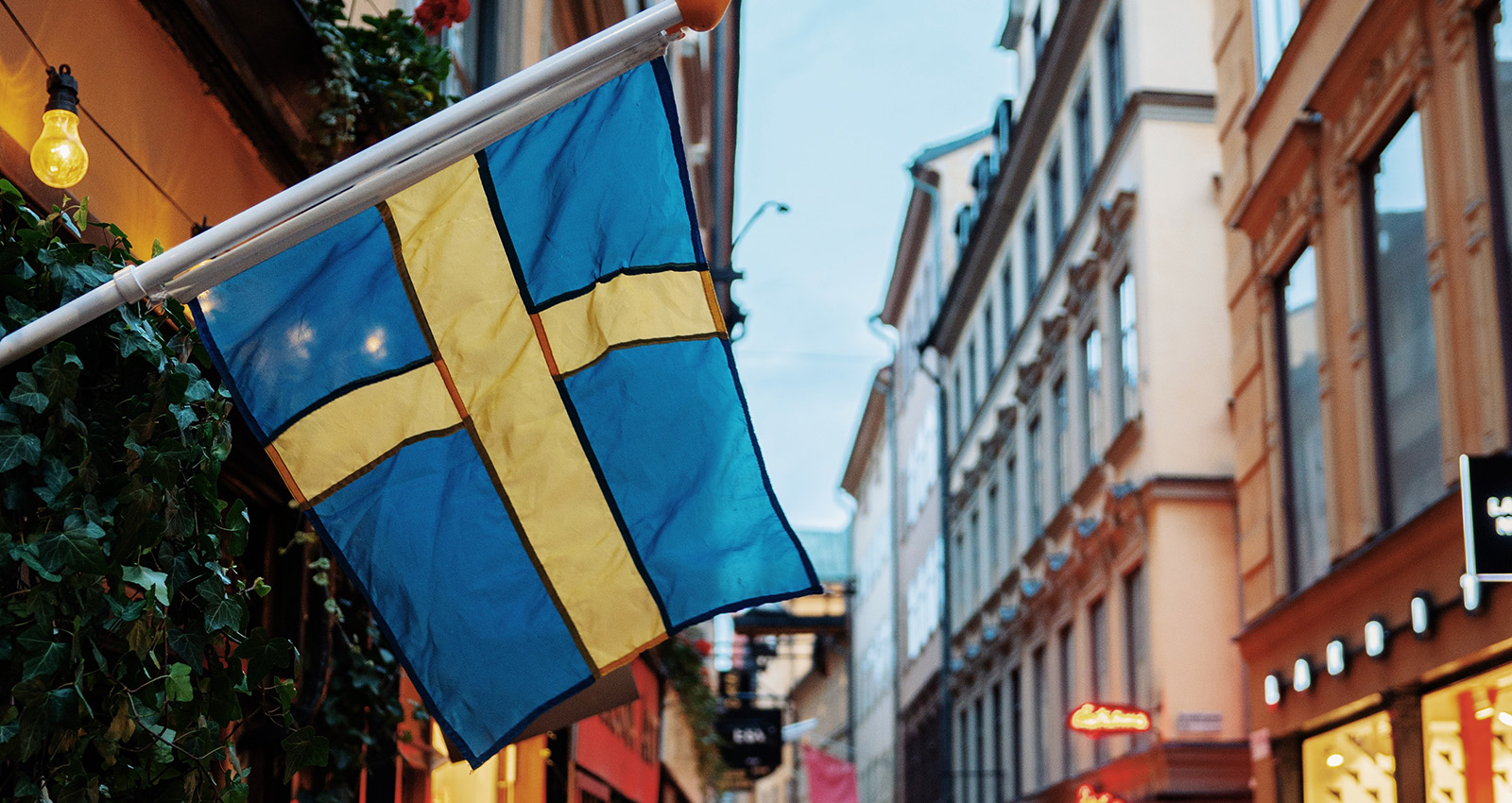
The Swedish government’s strategy for addressing the Covid-19 pandemic sparked international debate about its hands off approach. Orlaith Rice points to Sweden’s institutional framework and high trust levels as two key components in understanding this country's unique pandemic response Read more
Pavlos Vasilopoulos
In research monitoring public attitudes during the Covid-19 pandemic, Pavlos Vasilopoulos, Haley McAvay, Sylvain Brouard, and Martial Foucault found that public commitment to civil liberties is highly volatile, especially when fear prevails. This, they argue, should worry proponents of democracy Restriction of civil liberties under Covid The Covid-19 pandemic brought unprecedented restrictions to civil liberties […] Read more
Clareta Treger
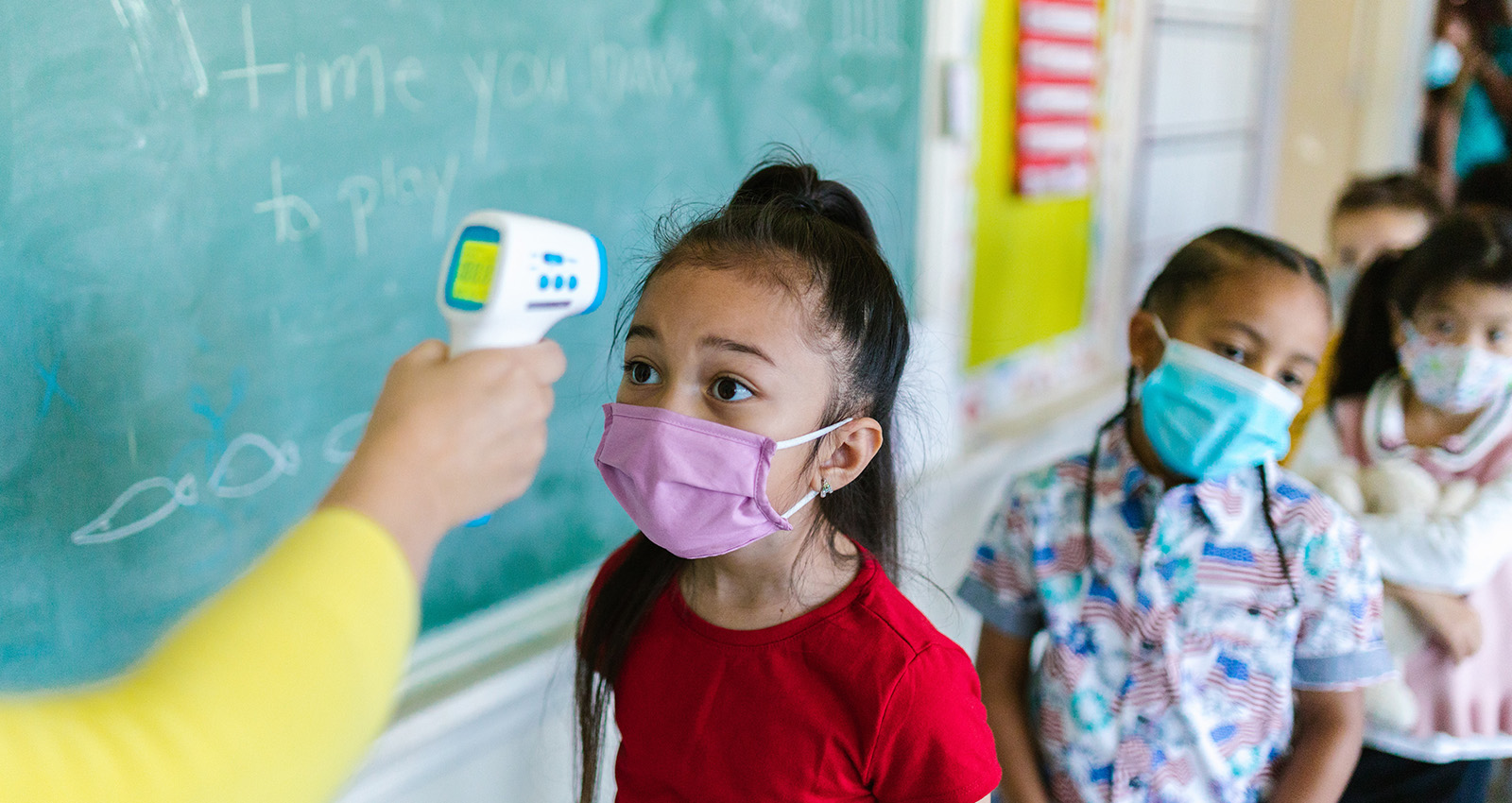
In a study of public attitudes towards government paternalism, Clareta Treger finds that, when it comes to their own safety and health, individuals prefer coercive government policies over nudges that steer them towards welfare-enhancing behaviour. This should be taken into consideration when devising strategies to mitigate COVID-19 and future crises. Read more
We use necessary cookies to make our site work. We'd also like to set analytics cookies that help us make improvements by measuring how you use the site. These will be set only if you accept.
▼
Strictly Necessary Cookies
Necessary cookies enable core functionality such as security, network management, and accessibility. You may disable these by changing your browser settings, but this may affect how the website functions.
▼
Analytics Cookies
Google Analytics
We'd like to set Google Analytics cookies to help us improve our website by collecting and reporting information on how you use it. The cookies collect information in a way that does not directly identify anyone. For more information on how these cookies work please see our Privacy Notice.